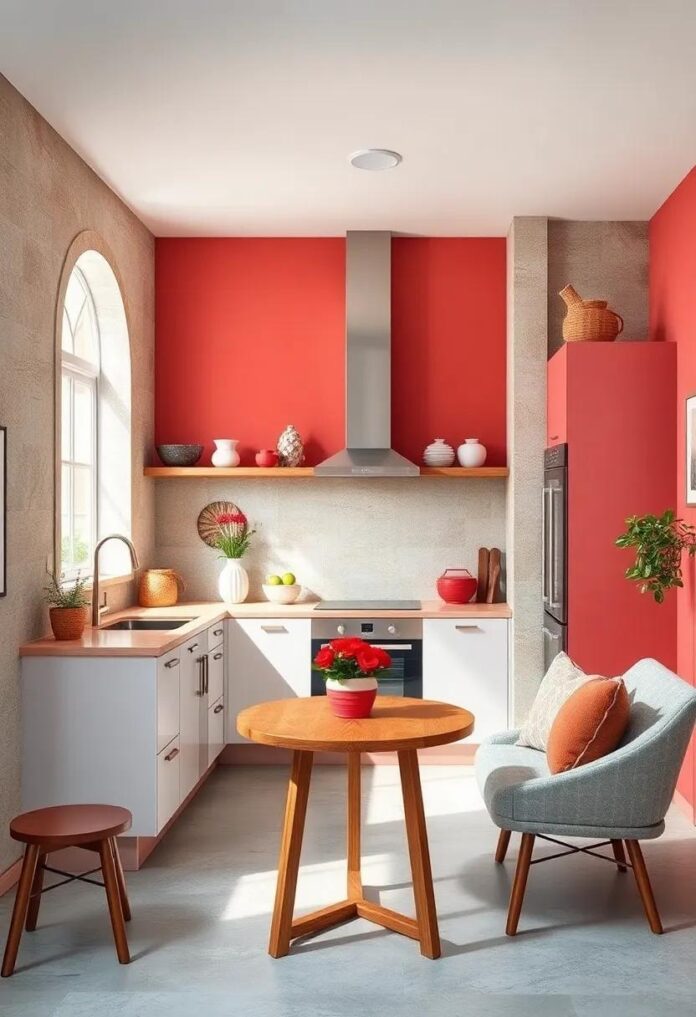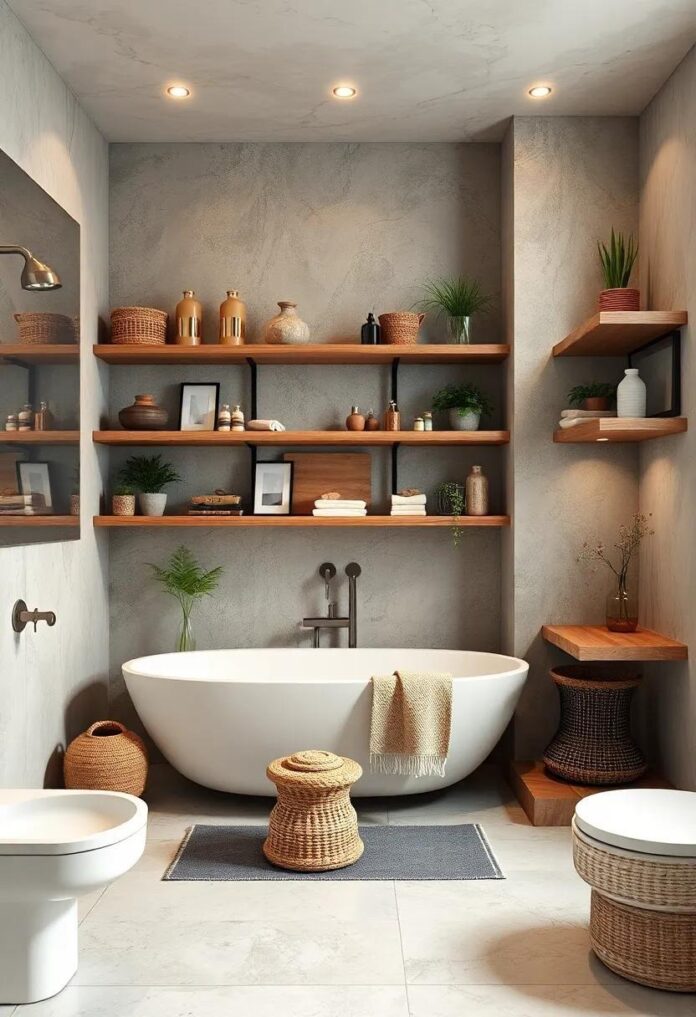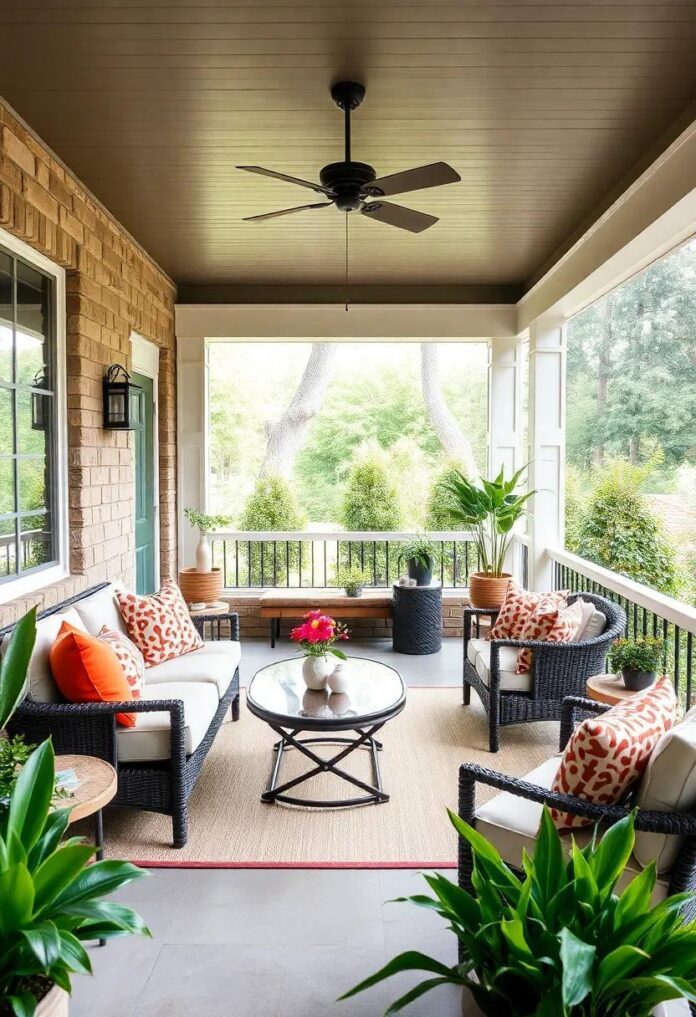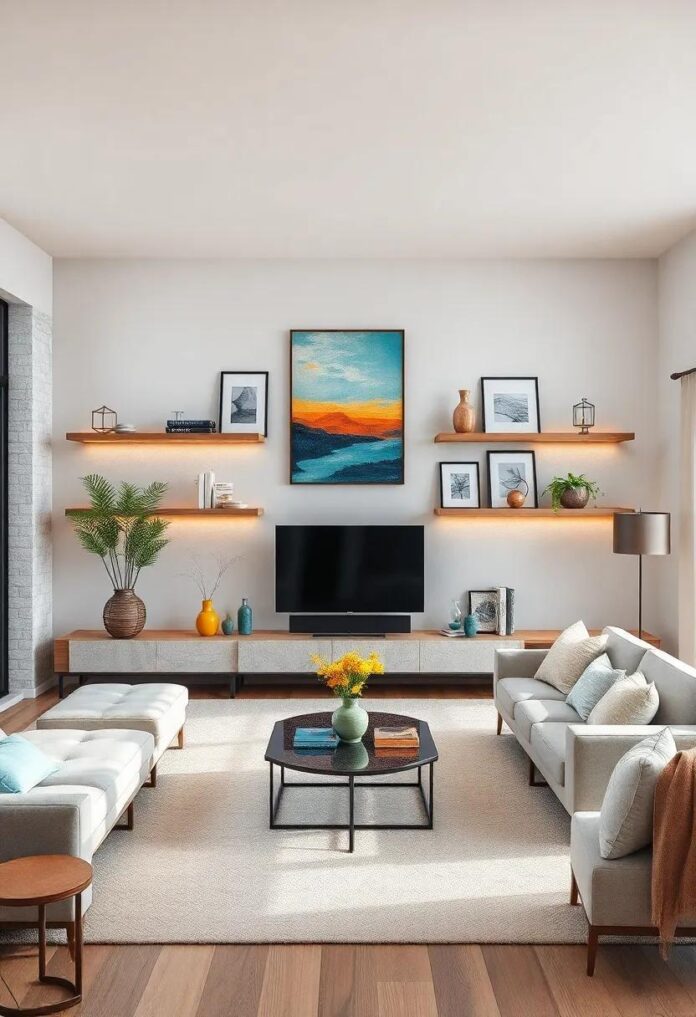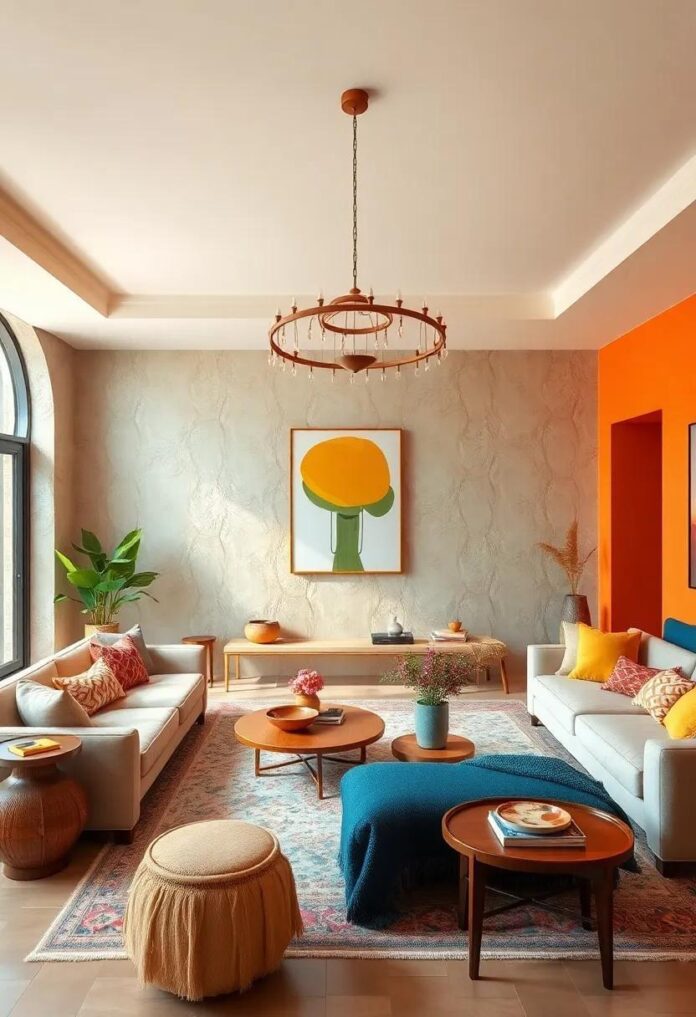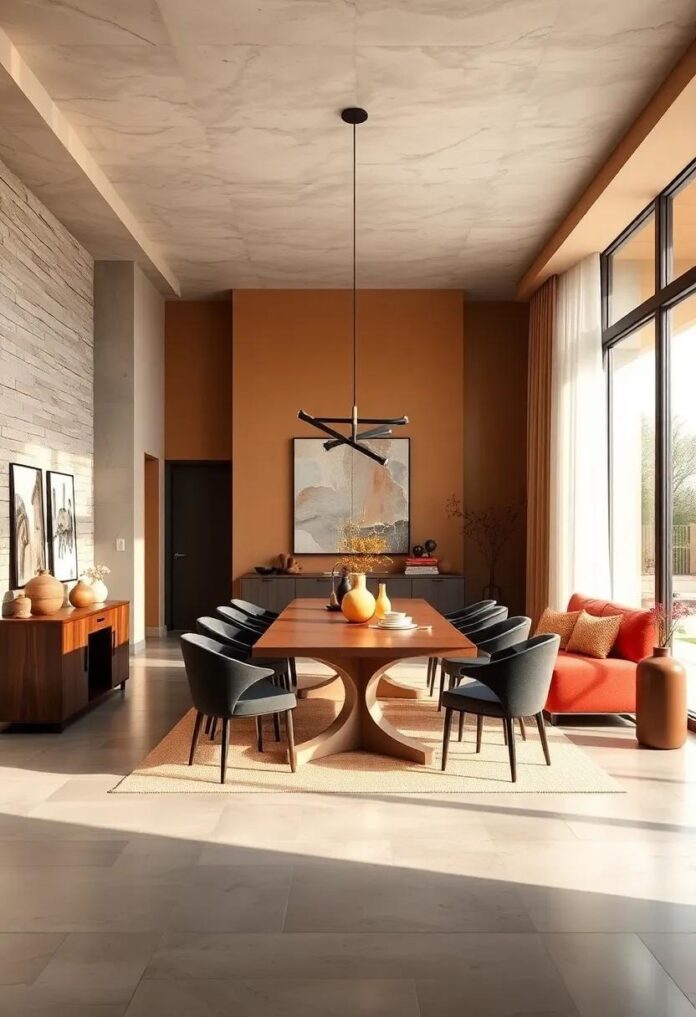

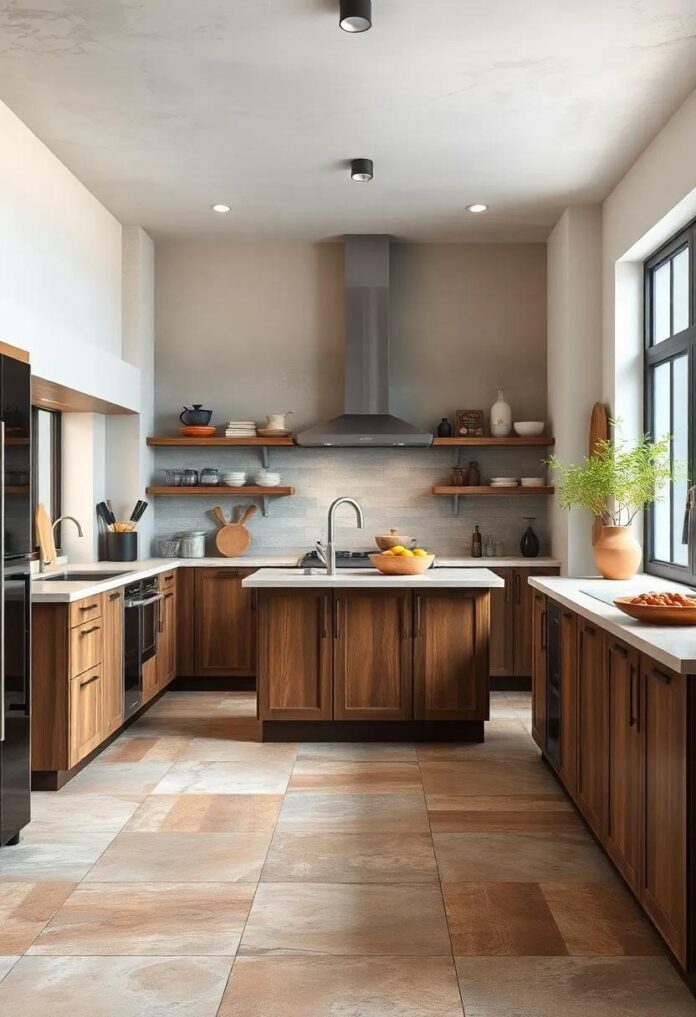
In a world where sleek minimalism often reigns supreme, there exists a captivating choice that invites warmth and nostalgia into our homes: rustic kitchen floor tile designs. These tiles are more than mere functional elements; they are storytellers, echoing the tales of country cottages, old-world charm, and a slower pace of life. With their rugged textures and earthy tones, rustic tiles bring an inviting aesthetic that transforms kitchens into cozy havens. Whether your renovating an existing space or starting from scratch, this guide will take you through the enchanting world of rustic kitchen floor tiles, exploring their various styles, materials, and the unique character they can impart to one of the most cherished spaces in your home. Join us as we celebrate the beauty of imperfection and the timeless allure of rustic design.
Embracing Nature: The Allure of natural Stone Tile in Rustic Kitchen Designs
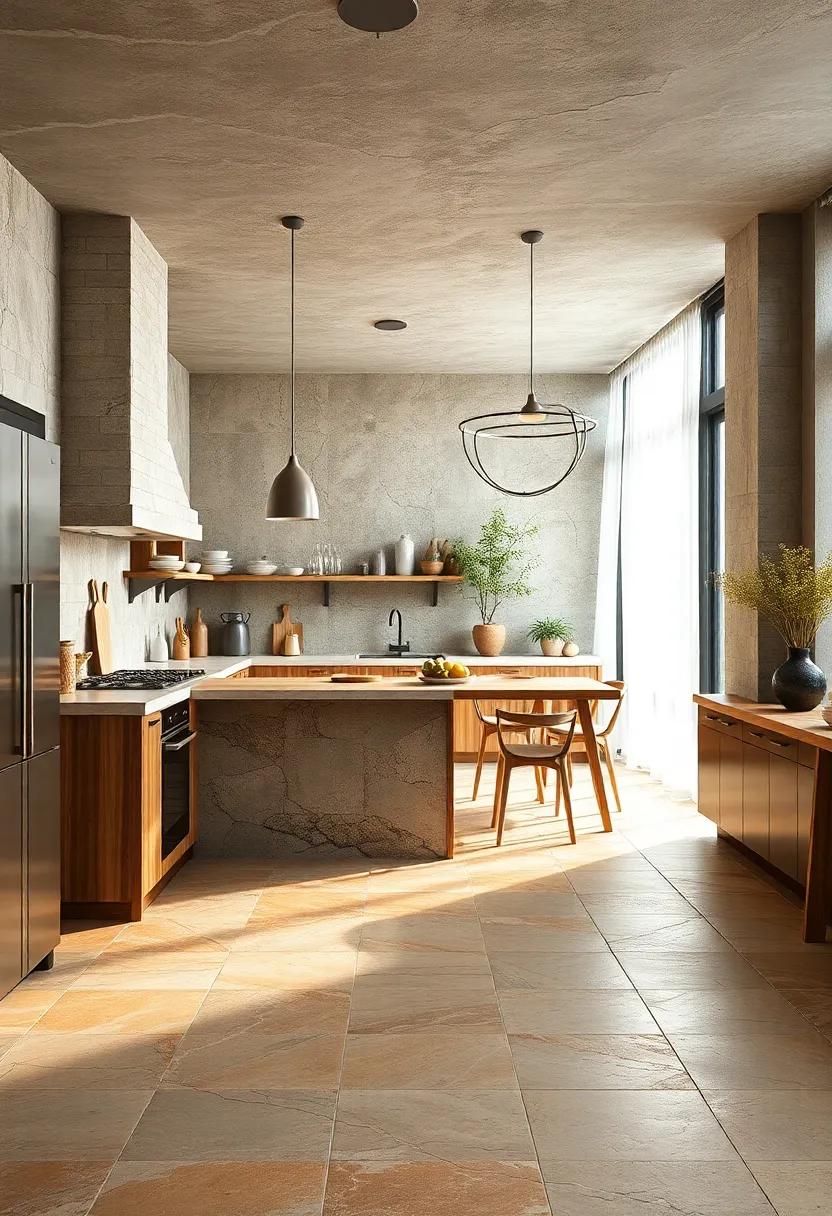
Natural stone tile offers an inherent beauty that can transform any rustic kitchen into a warm and inviting space.With its unique textures and earthy colors, each piece tells a story, bringing the outdoors inside. The characteristic variations found in materials like slate, travertine, and limestone ensure that no two tiles are identical, enhancing the design with their organic charm. Choosing these materials for your kitchen floor invites nature’s elegance, creating a seamless connection between your culinary haven and the surrounding landscape.
Incorporating natural stone tiles into your kitchen design can elevate the overall atmosphere, crafting a cozy yet sophisticated habitat. Consider the following benefits of these exquisite tiles:
- Durability: Resistant to wear and tear, making them ideal for high-traffic areas.
- Easy Maintenance: Simple to clean and maintain with the right sealant.
- Versatility: Complements various design elements,from vintage farmhouse to modern rustic.
With the addition of organic textures, you can easily juxtapose smooth cabinetry and rustic wooden beams to create a harmonious balance. The result is a kitchen flooring solution that not only enhances aesthetic appeal but also stands the test of time, giving you a space that feels both timeless and uniquely yours.
Timeless Elegance: Captivating Patterns in Rustic Ceramic Tiles
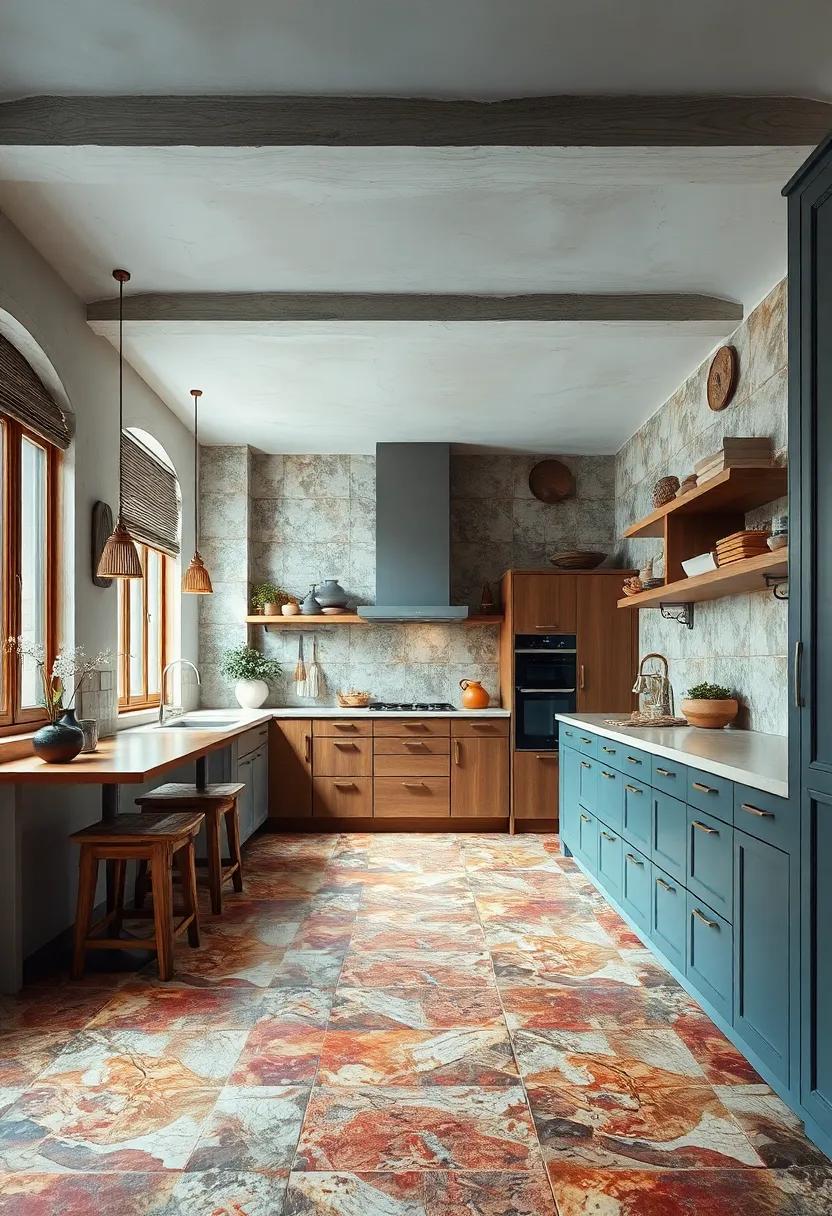
Rustic ceramic tiles exude a charm that transcends trends, bringing warmth and character to any kitchen. Their intricate patterns, often inspired by nature and customary craftsmanship, evoke a sense of nostalgia while remaining strikingly modern. the versatility of these tiles makes them ideal for various design schemes, from farmhouse chic to modern industrial. You can find tiles boasting bold geometric shapes, delicate floral motifs, and textured finishes that add depth and interest to your kitchen floor. Consider the following styles when selecting your perfect tile:
- Hand-painted designs – Each tile tells a story with unique brush strokes and colors.
- vintage-inspired prints - Evoke a sense of history with classic patterns that never go out of style.
- Natural stone effects – Create an organic feel with tiles that mimic the look of aged stone.
To further enhance your kitchen’s appeal, think about harmonizing tile patterns with other elements in the space. Using a combination of different tile sizes and styles can create a visually stunning floor that feels cohesive yet dynamic.Explore pairing larger tiles with smaller accent designs or contrasting colors to outline specific areas such as a cooking space or a dining nook. Highlighting these areas fosters both functionality and beauty. Here’s a simplified guide to help you visualize different patterns:
| Tile Style | Pattern Description | Best Used In |
|---|---|---|
| Geometric | Bold shapes and lines | Modern kitchens |
| Floral | Delicate and intricate designs | Farmhouse settings |
| Weathered | Rustic and aged looks | Country-style interiors |
Color Palettes that Inspire: Choosing Earthy Tones for Your Rustic Kitchen
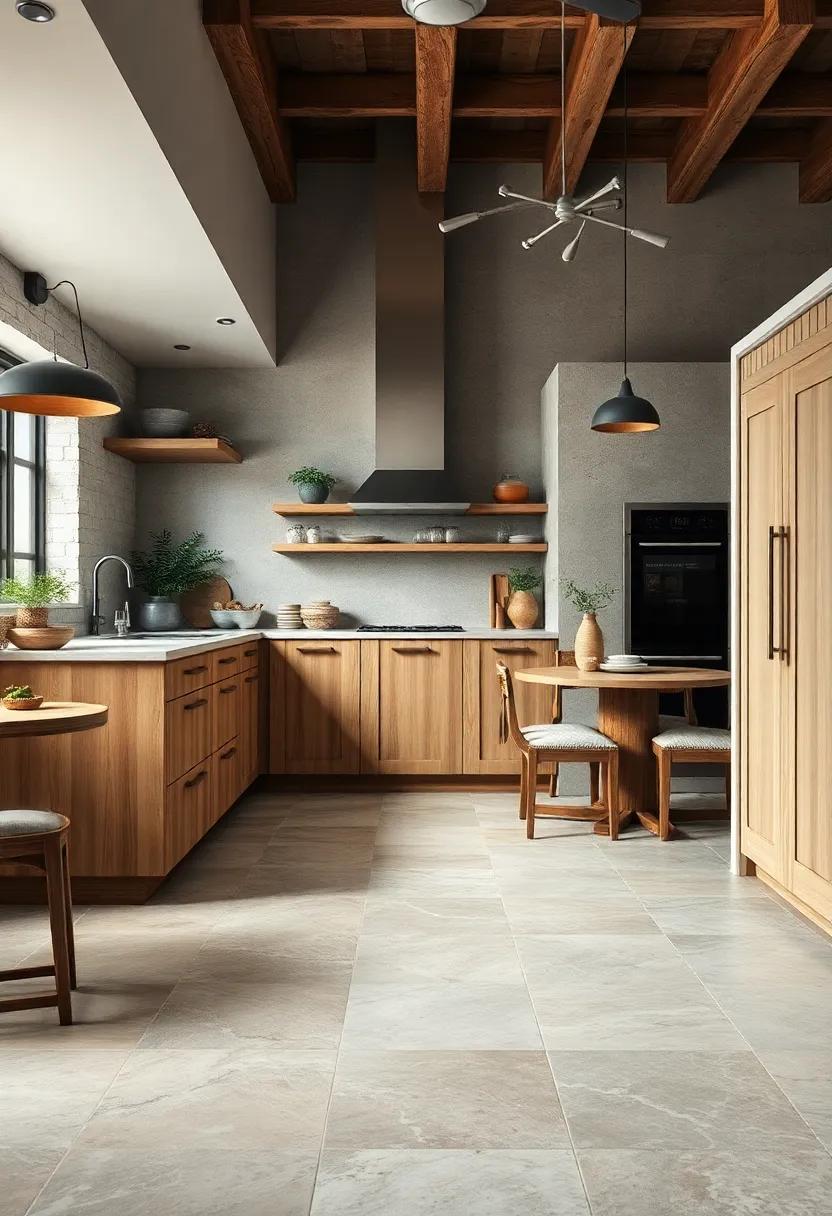
In the quest for a rustic kitchen, embracing earthy tones is essential to achieving a warm and inviting atmosphere. Shades such as terra cotta, ochre, and olive green can weave together a palette that feels organic and harmonious. These colors not only reflect the beauty of nature but also create a seamless transition between indoor and outdoor spaces.Incorporating accents of deep browns and soft beiges can further enhance this effect, making your kitchen feel like a cozy retreat.Consider using tiles that mimic the texture and depth of natural stone or reclaimed wood, which can serve as a stunning foundation for your earthy color scheme.
When selecting color palettes for your rustic kitchen, pay attention to how different tones interact with one another.A combination of warm grays with highlights of rustic red or mustard yellow can add a layer of complexity and interest. Here are a few combinations to inspire your design:
- Olive Green + Creamy beige + Rust Brown
- Terracotta + Soft White + Slate Gray
- Muted Gold + Moss Green + Rich Chocolate
to streamline your decision-making process,here’s a simple table showcasing suggested earthy tones with their corresponding emotions:
| Color | Emotion |
|---|---|
| Terracotta | Warmth & comfort |
| Olive Green | Tranquility & Balance |
| Moss Green | Nature & Freshness |
| Rich Brown | Stability & Reliability |
Weathered and Worn: The Beauty of Distressed Wood-Look Tiles
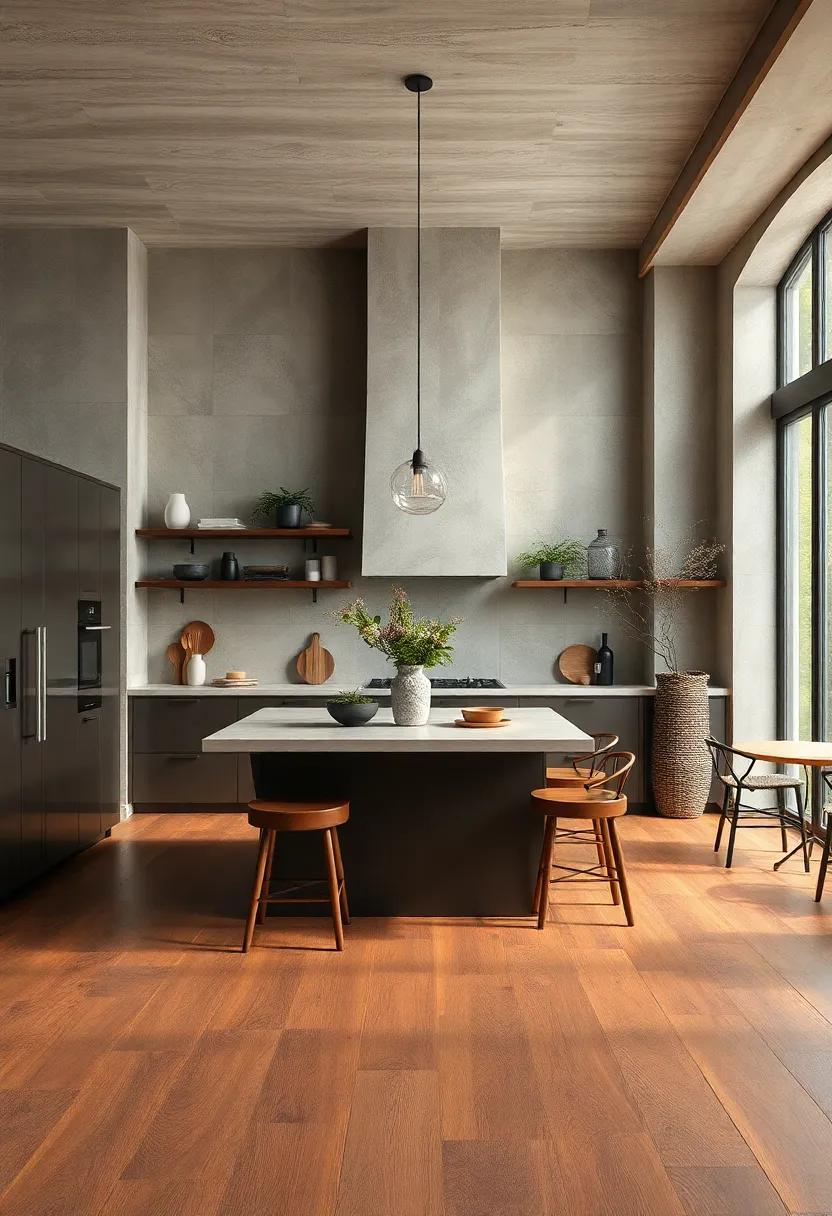
When imagining rustic charm, one cannot overlook the allure of distressed wood-look tiles. These remarkable tiles bring the warmth and character of authentic wood without the maintenance headaches that come with real timber. Each tile is designed to portray the unique grain patterns and weathered textures that nature effortlessly creates over time. The combination of durable materials with a vintage aesthetic offers endless possibilities, transforming your kitchen into an inviting space that echoes tales of the past.
The beauty of these tiles lies not only in their appearance but also in their versatility. They can be seamlessly integrated into various design themes—whether you’re adorn with shabby chic accents or a modern farmhouse vibe.consider these key benefits when embracing this flooring choice:
- Durability: Resistant to moisture and regular wear, perfect for bustling kitchens.
- Easy Maintenance: Unlike wood, these tiles require minimal upkeep.
- Variety: Available in an array of colors and textures, allowing for personalized design elements.
In the context of kitchen flooring, distressed wood-look tiles are a game-changer. They balance the rustic with the modern, making them ideal for a variety of kitchen layouts. Below is a table showcasing different styles and their ideal uses:
| Style | Best Suited For |
|---|---|
| Antique Oak | Traditional and classic kitchen styles |
| Weathered Gray | Modern and industrial themes |
| Whitewashed Pine | Coastal and casual settings |
Artisan Craftsmanship: Handmade Tiles that Elevate Rustic Interiors
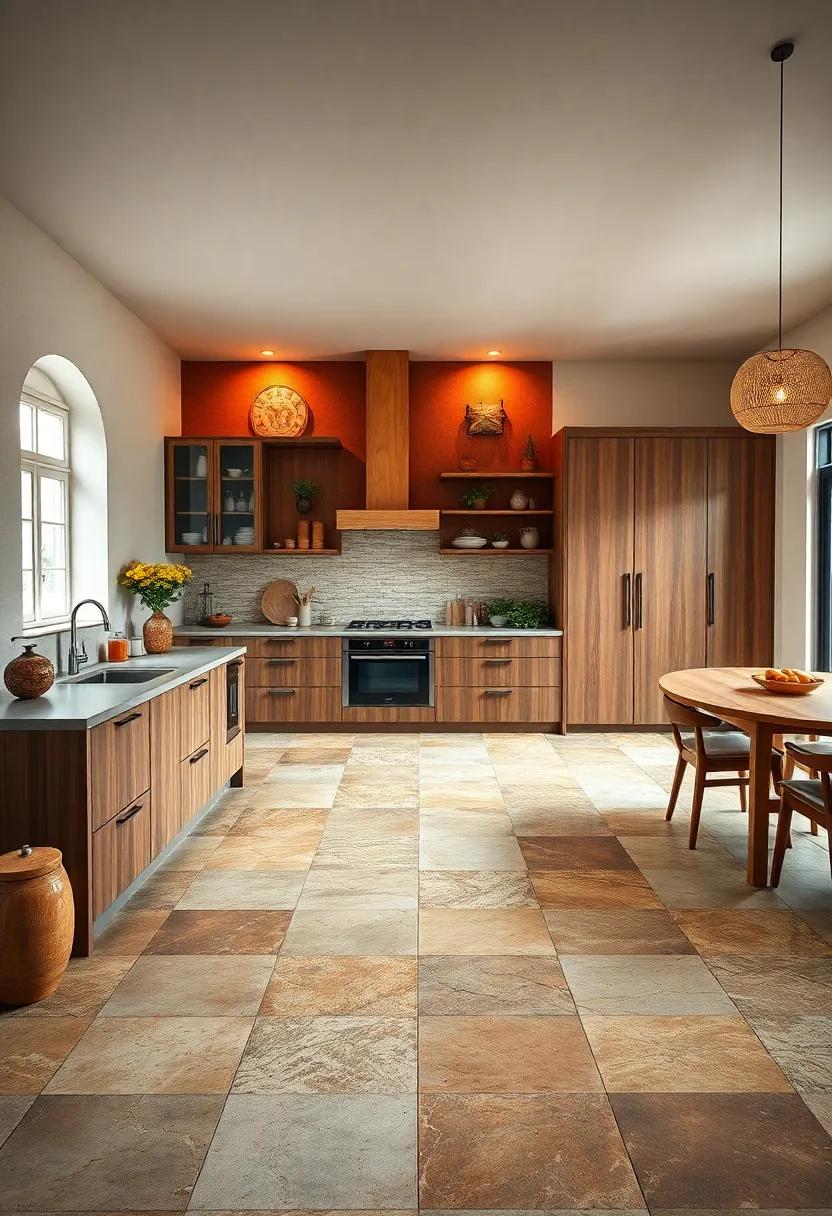
The allure of handmade tiles lies not only in their unique aesthetic but also in the narrative they carry—the soul of the craftsman mingled with the rustic charm of nature. Each piece is meticulously crafted,often employing traditional techniques passed down through generations. These tiles come alive with textures and colors that evoke the warmth of natural elements, transforming ordinary kitchens into welcoming retreats. Imagine walking into a space where earthy tones of terracotta or subtle shades of glazed ceramics harmoniously blend, creating a floor that tells a story of artistry and thoughtful design.
When selecting handmade tiles for a rustic kitchen, consider the following elements to enhance your space:
- Color Palette: Opt for muted earth tones like taupe, beige, and olive green.
- Finish: Choose a textured surface to add depth and character.
- Patterns: Explore geometric or floral motifs that reflect handcrafted creativity.
The right combination of these attributes not only establishes a cohesive look but also grants a sense of authenticity to your home.Elevate your rustic interior through these stunning tiles, which not only serve as functional flooring but also as timeless art pieces.
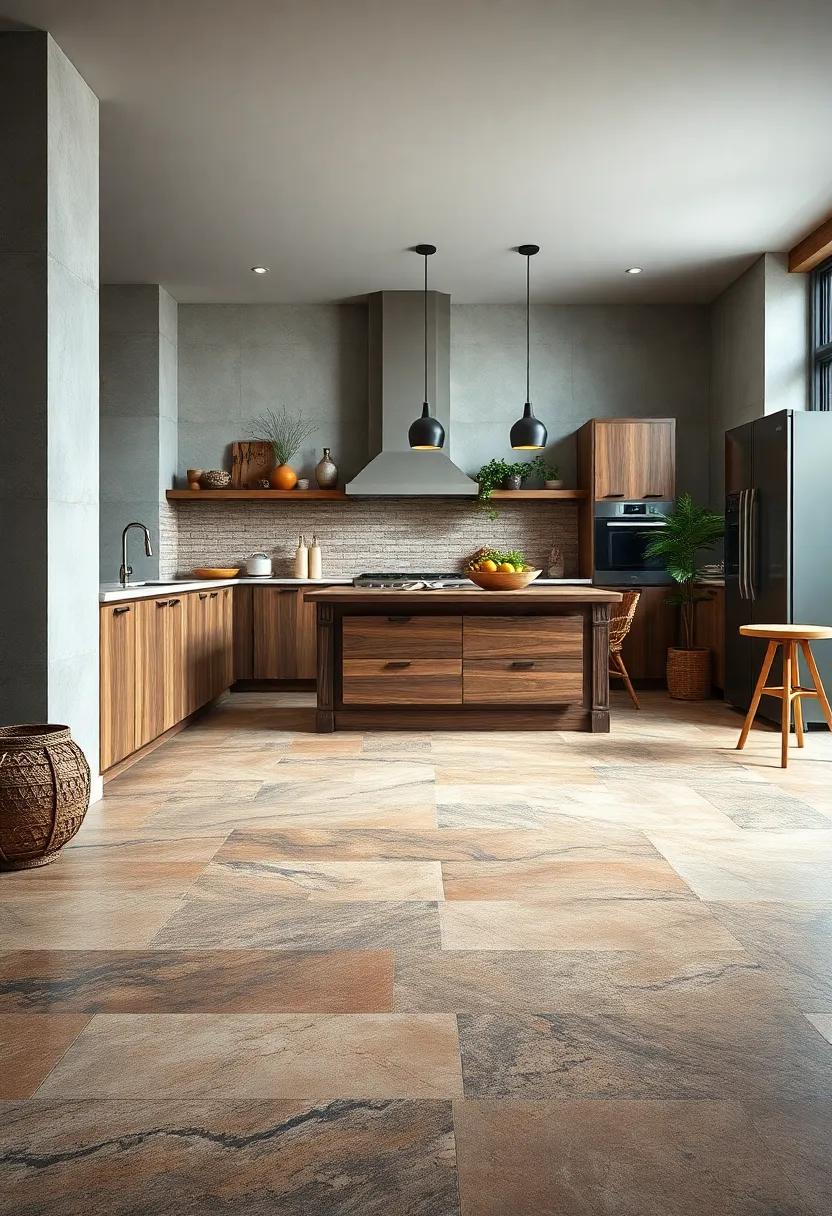
Mixing Textures: Layering Different Tile Materials for Visual interest
Contrasting Elements: Pairing Rustic Tiles with Modern Accents
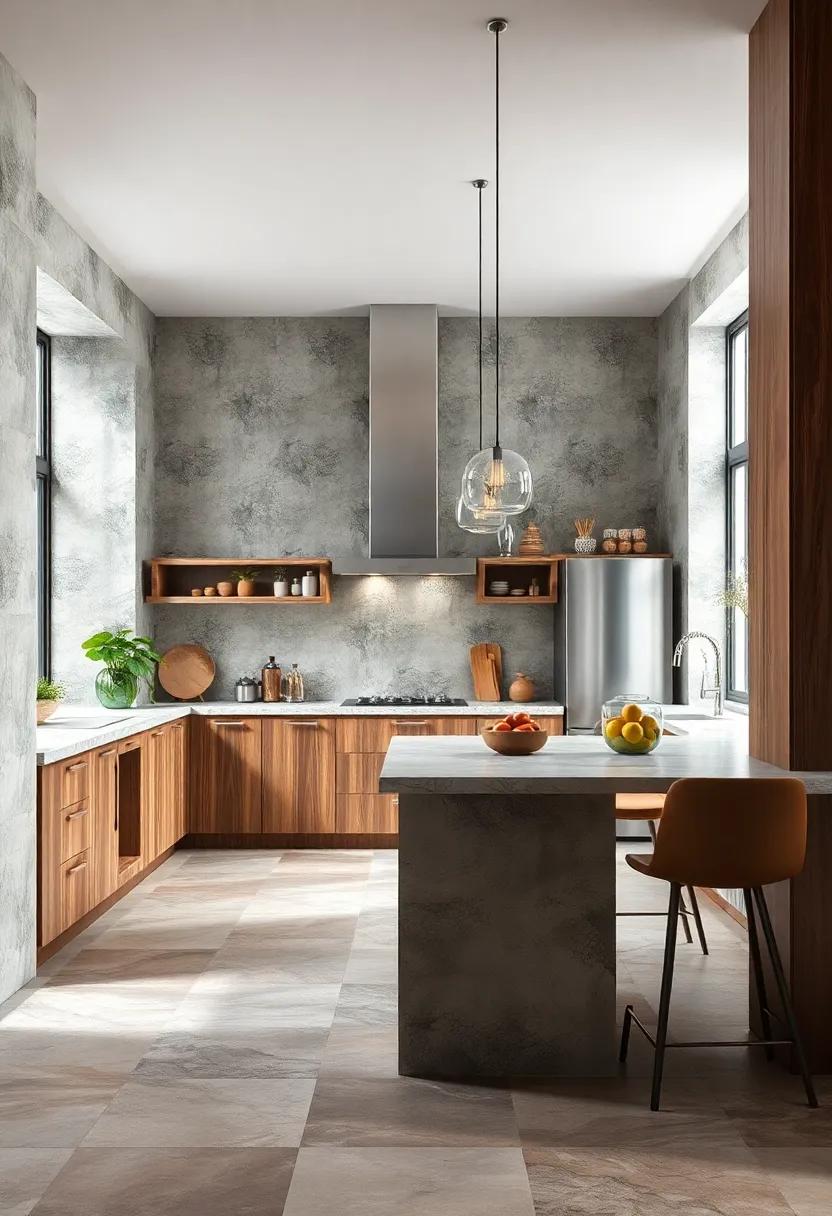
Blending the warm, earthy tones of rustic tiles with sleek, contemporary features creates a captivating juxtaposition that enlivens kitchen spaces. Consider pairing handcrafted terracotta or weathered wood-effect tiles with industrial elements such as matte black fixtures and minimalist cabinetry. This harmonious contrast not only adds depth but also enriches the visual narrative of your kitchen design, drawing attention to both the flooring and the modern accents. Additionally,incorporating metallic touches,such as brass or copper hardware,can further enhance this eclectic allure,providing a sophisticated edge to the organic softness of rustic materials.
To achieve a balanced look, it’s wise to select a color palette that unifies both styles. Incorporating shades such as soft grays, navy blues, or deep greens can help bridge the gap between rustic warmth and modern crispness. Use a combination of textures to create interest; such as, consider a mix of smooth, polished surfaces with rough-hewn tiles. You can enhance your design with subtle decor elements such as:
- Natural wood accents for cabinetry or shelving
- Live plants to introduce freshness and vitality
- Textured textiles in kitchen accessories, like linens and curtains
Radiant Reflections: The Impact of Glossy Finishes in rustic Spaces
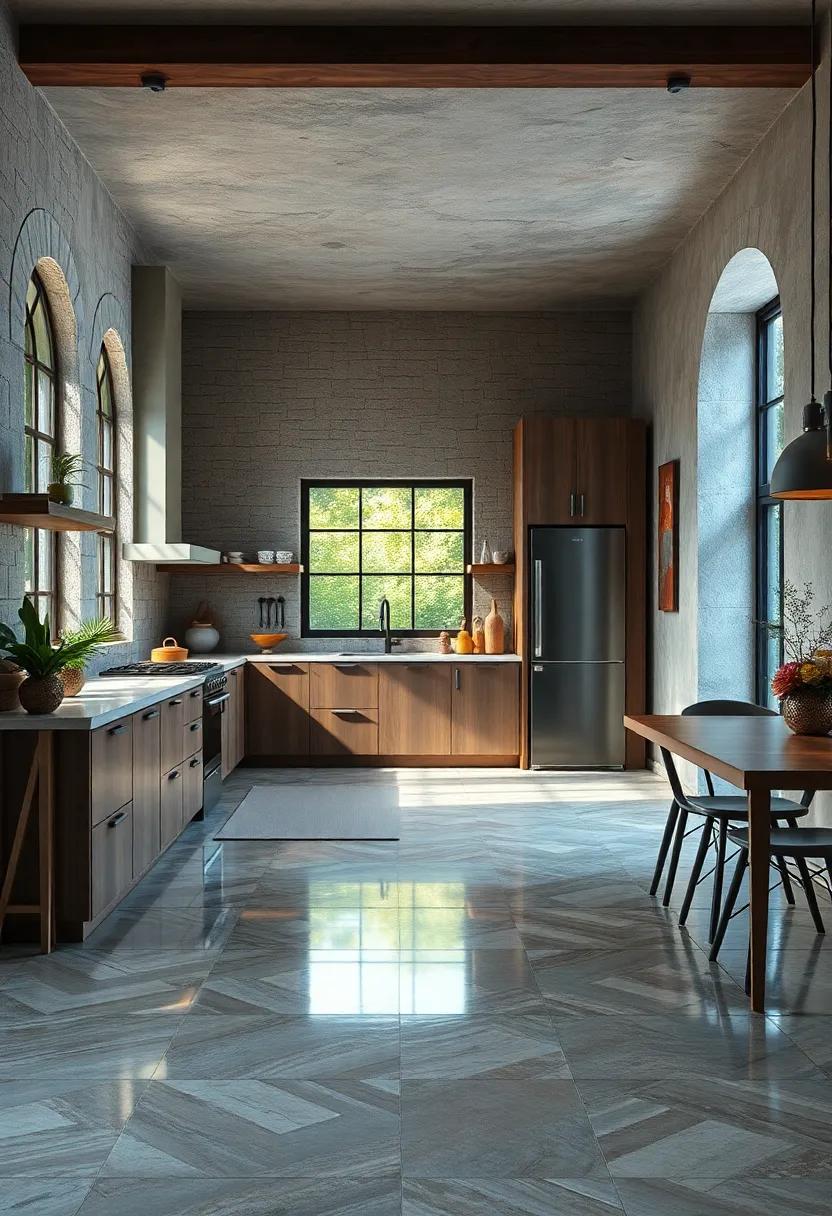
In rustic kitchens,the blend of natural materials and textured surfaces creates a warm and inviting atmosphere. When the sheen of glossy finishes is introduced into these spaces, the conversion can be charming. glossy tiles or accents,when strategically placed,bring an unexpected brightness that counterbalances the earthy tones typically associated with rustic decor. The reflection of light from these polished surfaces creates a lively ambiance,enhancing the visual appeal and making the kitchen feel larger and more open. Consider incorporating glossy backsplashes or polished floor tiles to elevate the rustic aesthetic while maintaining a sense of harmony.
Furthermore, the contrast between glossy and matte finishes can be leveraged to direct attention and create focal points in your rustic kitchen. Materials like glazed ceramic tiles can reflect the warmth of wood tones, while together introducing a contemporary edge. Embracing this duality not only adds a layer of sophistication but also allows for creativity in design. Here are a few key benefits of incorporating glossy finishes in rustic settings:
- Light Reflection: Enhances brightness and space perception.
- Visual Interest: Creates dynamic contrasts against matte surfaces.
- Easy Maintenance: Glossy finishes are typically easier to clean.
- Timeless Appeal: A fusion of traditional rustic charm with modern elegance.
Architectural Details: The Role of Grout Lines in Rustic Designs
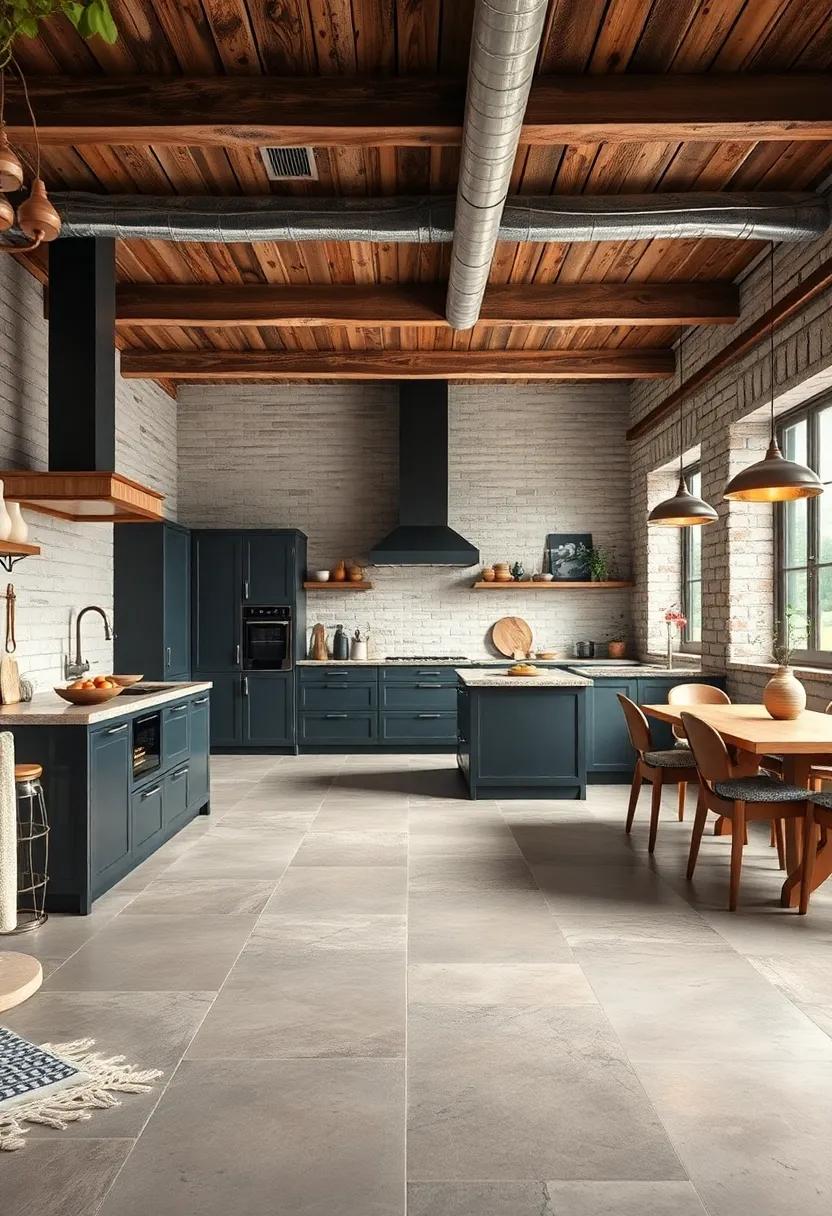
In rustic kitchen designs, grout lines play a pivotal role in enhancing both the aesthetic and functional aspects of floor tiles. These seemingly simple lines serve to break up large expanses of tile, creating visual interest and texture. A well-considered grout line can complement the earthy tones and handmade quality typically found in rustic designs, reinforcing the feel of a cozy, inviting space. When selecting grout colors, opting for earthy hues or muted tones can harmonize with the tiles and contribute to the overall charm of the kitchen.
Moreover, the width of grout lines can significantly influence the character of the floor. Wider grout lines often evoke a more traditional, handcrafted look, while narrower lines may impart a sleek, modern touch within a rustic setting.Key considerations when working with grout lines include:
- Color Selection: Pick colors that enhance the tiles’ natural variations.
- Width matters: A thoughtful width can define different styles from classic to contemporary rustic.
- Maintenance: Remember that darker grout may hide dirt better, but lighter colors can create a brighter space.
Floor Plan Harmony: How Tile Layout Enhances Kitchen Functionality
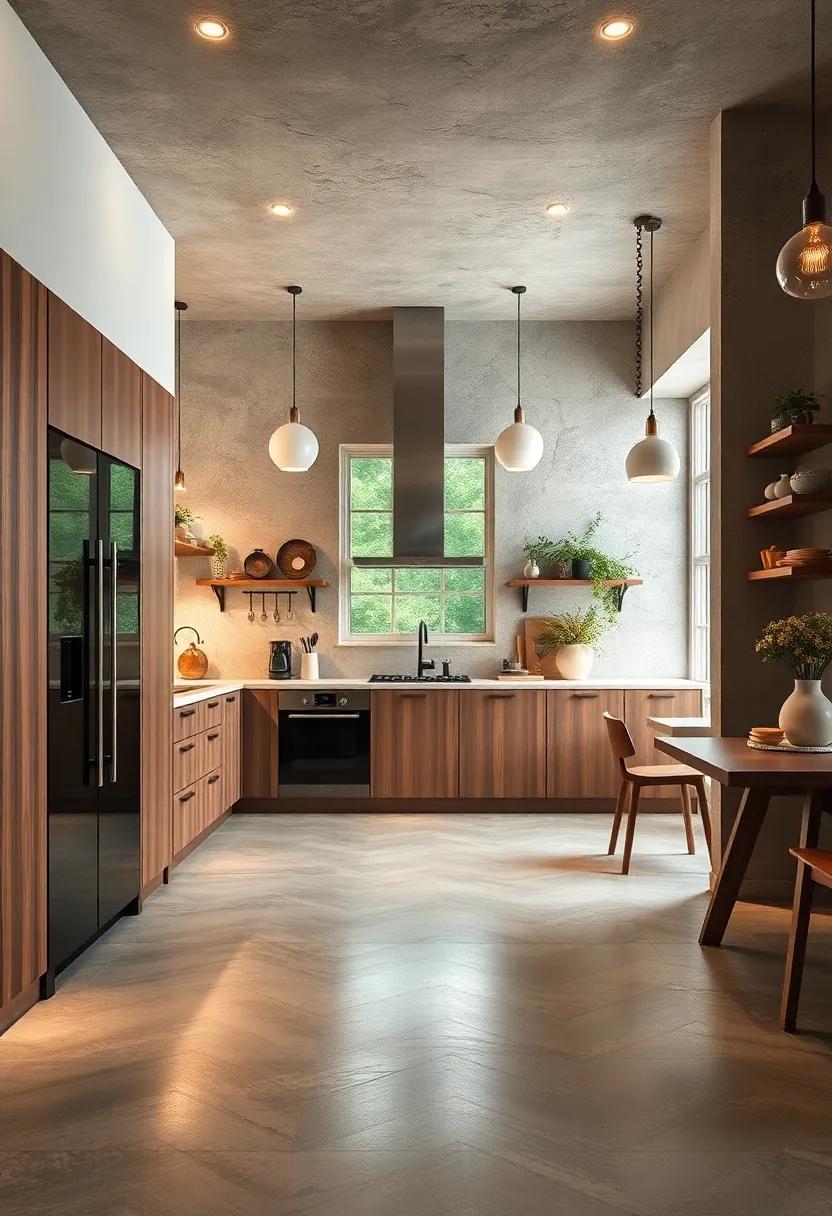
When it comes to creating a functional kitchen, the layout of your tiles plays a notable role in both the aesthetic and practicality of the space. Choosing the right tile arrangement can help delineate functional areas, guiding the flow of movement throughout the kitchen while enhancing its rustic appeal. Consider straight lay for a clean, classic look or a diagonal pattern that helps to visually expand a narrow area, adding a unique flair that draws the eye. Additionally, incorporating mosaic inserts can introduce interest and serve as a focal point, making the floor more than just a surface, but rather an integral part of the kitchen’s charm.
To achieve seamless continuity and visual warmth in your kitchen, harmonizing your tile layout with your cabinetry and countertops is essential. Opt for tiles in earthy tones like terracotta or muted greens to mimic the natural elements often found in rustic designs. Create zones by alternating tile sizes or colors in a subtle yet effective way. Here are some layout ideas that can elevate your kitchen functionality while keeping the rustic charm alive:
- Herringbone Pattern: timeless elegance that adds intricate detail.
- Basketweave Design: A classic choice that offers dimensionality.
- Large Format Tiles: Minimizes grout lines and enhances an open feel.
Vintage Vibes: Incorporating Retro Tile Patterns in Your Rustic Kitchen
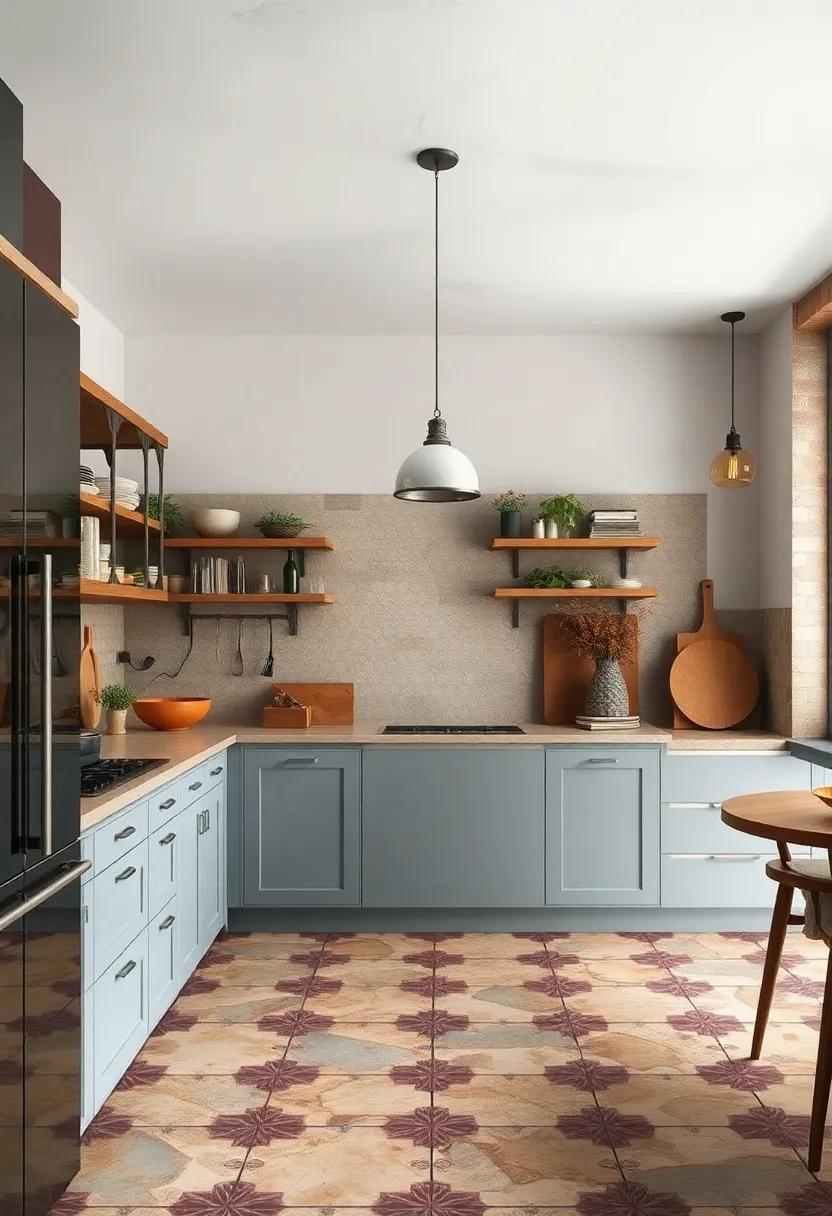
The allure of vintage tiles can transform a rustic kitchen into a timeless masterpiece. Imagine stepping onto vibrant, patterned ceramics that echo the charm of yesteryear.Incorporating retro tile designs allows you to play with various combinations that evoke warmth and nostalgia. Whether you choose bold geometric patterns or whimsical florals, the right tile pattern can add depth and character to your space. Some popular options include:
- Chevron and Herringbone: These classic patterns bring a sense of motion and energy.
- Subway Tiles: The quintessential choice for a clean, retro look that pairs well with wood accents.
- Hexagon Shapes: This unique shape adds visual intrigue and can be laid in various styles for added creativity.
When selecting your tile, consider how different colors interact with the rustic elements in your kitchen. Warm earthy tones like terracotta, muted blues, and soft greens can beautifully complement wooden beams and vintage fixtures. To help visualize your options, here’s a quick reference table of complementary hues:
| Tile Color | Rustic Element | Visual Effect |
|---|---|---|
| Terracotta | Wooden Beams | Warm and inviting |
| Muted Blue | Stone Countertops | Calming and serene |
| Soft Green | Natural Textiles | Fresh and vibrant |
Seasonal Inspirations: Transforming Kitchen Floors for Year-Round Charm
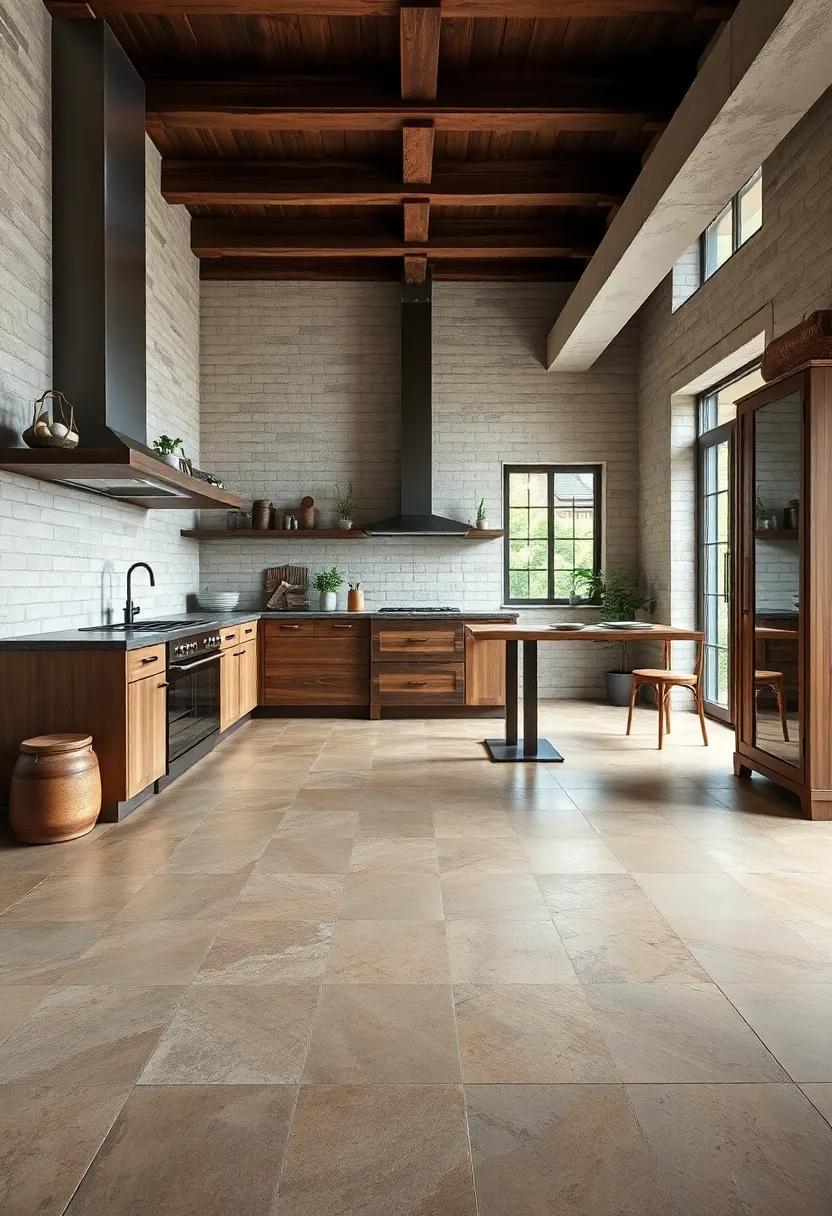
Transform your kitchen floors with tiles that reflect the beauty of each season,creating a dynamic atmosphere throughout the year. Opt for warm earth tones during the fall, utilizing terracotta or rich browns to evoke a sense of coziness. in winter, consider cooler palettes like soft blues and grays that mimic the tranquil beauty of snowy landscapes, especially with textured finishes that add depth. As spring arrives, lighten your space with pastel hues and floral patterns, while summer can be celebrated with vibrant colors that bring energy to your culinary haven. The right tile choice not only enhances the aesthetic but also grounds your kitchen in a timeless rustic charm that feels perpetually inviting.
The versatility of rustic kitchen tile designs allows for creative expression in ways that can match seasonal palettes effortlessly. Explore different styles such as hexagonal tiles for a modern twist on a classic look or subway tiles arranged in herringbone patterns for added character. Mixing and matching textures can also create a unique flair: consider pairing matte-finished tiles with glossy accents to play with light and shadow. To assist in your design journey, here’s a simple table summarizing tile material options that evoke seasonal inspirations:
| Season | Recommended materials | Characteristics |
|---|---|---|
| Fall | Terracotta, Slate | Warm, earthy tones |
| Winter | Porcelain, Marble | Cool, serene hues |
| Spring | Subway Tiles, Mosaic | Light and fresh designs |
| Summer | Ceramic, glass | Bright, lively patterns |
Cohesive Design: Tying Together Kitchen and Living Spaces with Rustic Tiles
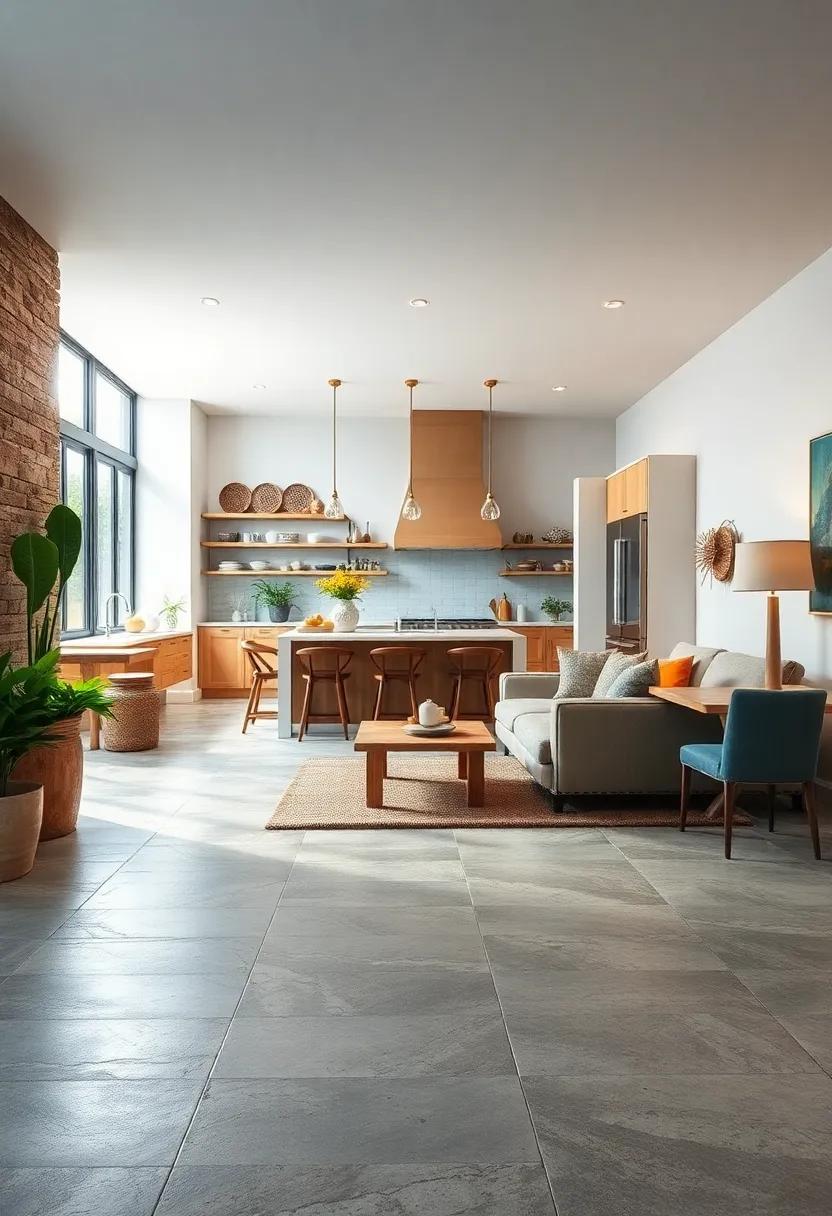
Incorporating rustic tiles into both your kitchen and adjacent living spaces can create an inviting and harmonious environment. These tiles, with their earthy tones and textured finishes, offer a seamless transition between the two areas, fostering a sense of unity. Pairing lighter tiles in the kitchen with slightly darker or more distressed versions in the living room can add depth without sacrificing flow. Here are some key benefits:
- Visual Appeal: Rustic tiles can enhance the aesthetic of both spaces, providing a cohesive backdrop.
- Durability: Designed to withstand heavy traffic, tiles are practical for both the kitchen and living areas.
- Easy Maintenance: With their hard surfaces, these tiles resist stains and are easy to clean.
Consider using different tile patterns or laying styles to define each area’s purpose while still maintaining a visually connected look. for instance, applying a herringbone pattern in the kitchen can elevate its style, while a classic staggered layout in the living room offers comfort. To inspire your design choices, here’s a simple overview of various rustic tile styles:
| Tile Style | Description |
|---|---|
| Terracotta | Warm, earthy tones; perfect for a cozy feel. |
| Slate | Rich colors and textures; adds unique character. |
| Reclaimed Wood Look | Wood-like appearance for a rustic charm. |
Incorporating Eco-Friendly Options: Sustainable Tiles for a Rustic Feel
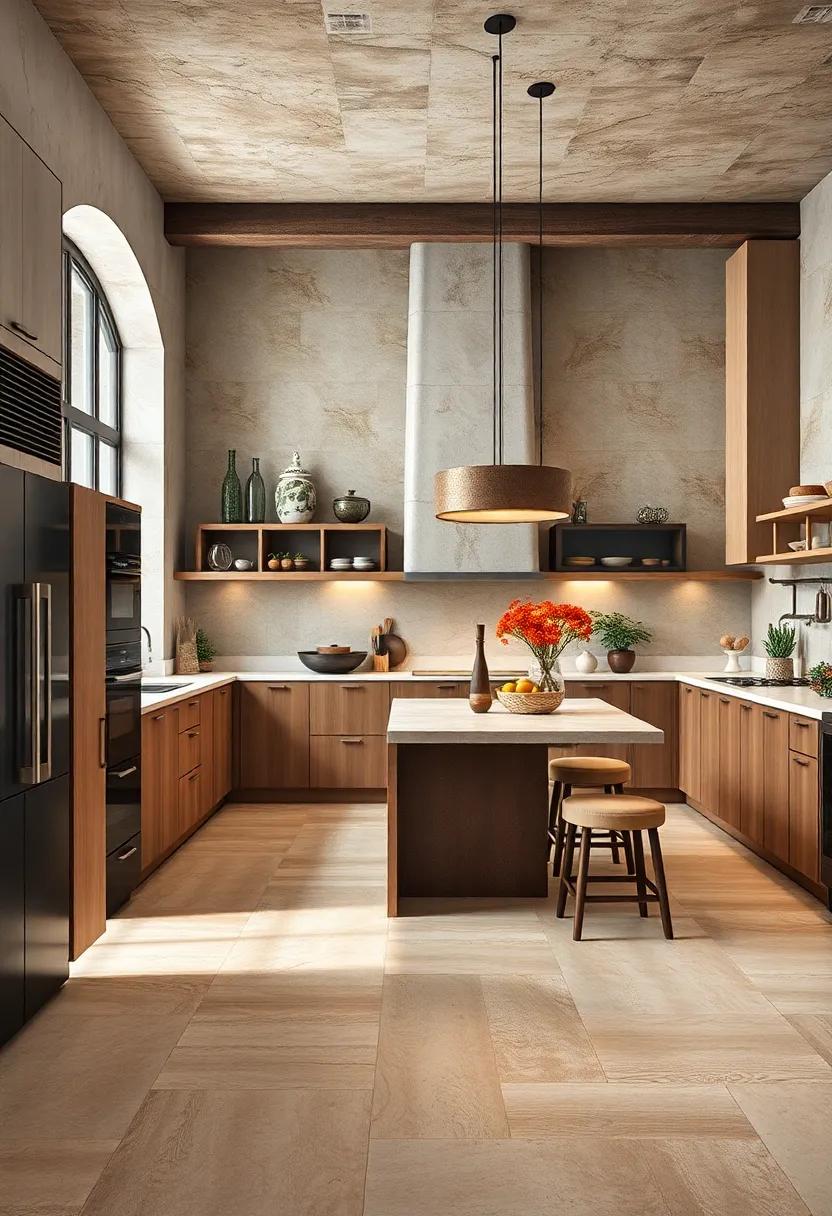
Choosing sustainable tiles not only enhances the aesthetic appeal of your rustic kitchen but also aligns with eco-conscious values. From reclaimed wood looks to natural stone finishes,eco-friendly options can bring warmth and character to your space. Consider tiles that are made from recycled materials or sourced from sustainable practices. Some popular sustainable tile options include:
- Cork Tiles: Naturally warm and comfortable underfoot, cork is a renewable material that’s also an excellent insulator.
- Recycled Glass Tiles: These vibrant tiles offer a unique look while minimizing waste, reflecting light beautifully.
- Bamboo Tiles: Fast-growing and durable,bamboo is a stylish alternative with a lower environmental footprint.
When planning your rustic kitchen floor, make sure to consider the environmental impact of your choices. The style doesn’t have to compromise sustainability; you can find options that emphasize both.Here’s a simple comparison of different sustainable tile options:
| Tile Type | Durability | Eco-Friendliness | Cost |
|---|---|---|---|
| Cork | Moderate | High | $$ |
| Recycled Glass | High | very High | $$$ |
| Bamboo | High | high | $$ |
Creating Focal Points: Statement Tiles that Draw the Eye in Kitchen design
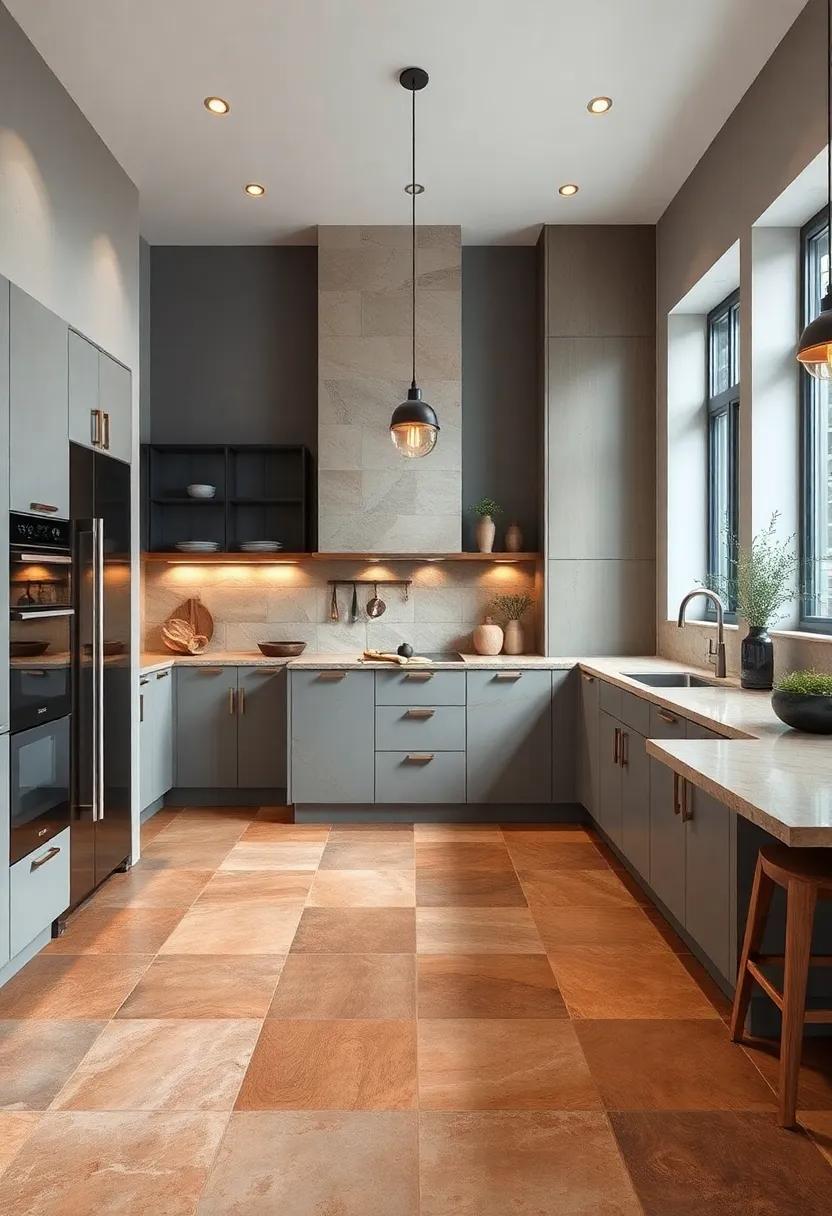
In the realm of rustic kitchen design, statement tiles serve as captivating focal points that not only set the tone but also elevate the overall aesthetic of your space. Consider using tiles with unique textures and colors to ensure they stand out in the busy environment of a kitchen. some effective choices could include:
- Hand-painted ceramics – Infuse personality into your kitchen with artisanal craftsmanship that reflects rustic charm.
- Bold geometric patterns – Select larger tiles with intricate designs to create a stunning visual impact that draws the eye.
- Vintage-inspired subway tiles – Utilize classic shapes and soft pastel hues to evoke a sense of nostalgia while keeping the design fresh.
To truly make these statement tiles pop, consider their placement carefully. Highlight them as a backsplash behind the stove, or use them as flooring in a designated seating area to create an inviting nook. The power of color and material can’t be underestimated; for instance, pairing warm terracotta with cool greens or deep blues results in a striking juxtaposition that captivates attention. Here’s a quick reference table to inspire your tile selection:
| Tile Type | Color Palette | Texture |
|---|---|---|
| Hand-painted | Earthy tones,soft pastels | Smooth,artisanal finish |
| Geometric patterns | Contrasting bold colors | Raised,tactile surfaces |
| Subway tiles | Neutral shades,vintage blues | Glossy,reflective |
Colorful Accents: Using Bright Tiles to Infuse Personality into Rustic Kitchens
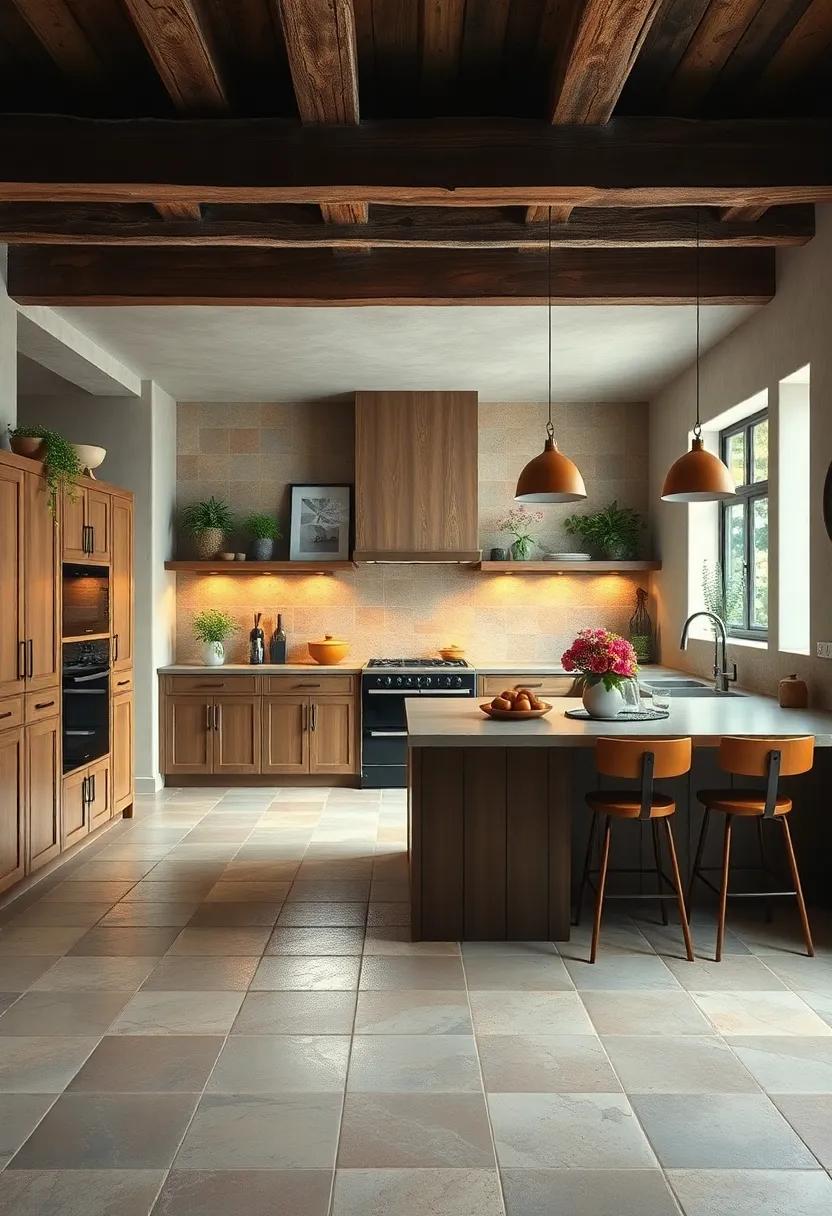
Add a splash of color to your rustic kitchen with vibrant tiles that echo your personal style. Brightly colored tiles can serve as visual focal points,effortlessly enhancing the warmth and charm of rustic elements like reclaimed wood and stone. Consider incorporating bold hues through backsplash tiles or accent pieces that draw the eye. From dynamic greens and sunny yellows to fiery reds and ocean blues, these colors infuse a lively spirit. Additionally, patterns such as geometric shapes or Moroccan-inspired designs can add a playful twist, creating a whimsical backdrop that complements the rustic charm.
To achieve a harmonious blend, think about pairing bright tiles with muted tones found in wood cabinetry or natural stone countertops. this contrast not only highlights the vibrancy of the tiles but also maintains the authentic rustic feel. Options such as:
- Hexagonal tiles in bright turquoise for a Mediterranean flair
- Glossy yellow subway tiles for a cheerful, sunlit effect
- Hand-painted ceramic tiles to tell a story with intricate designs
By thoughtfully choosing where and how to incorporate color, you can transform your rustic kitchen into a personalized haven that feels both contemporary and timeless.
Timber and Tiles: Balancing Wooden Elements with Rustic Floor Designs
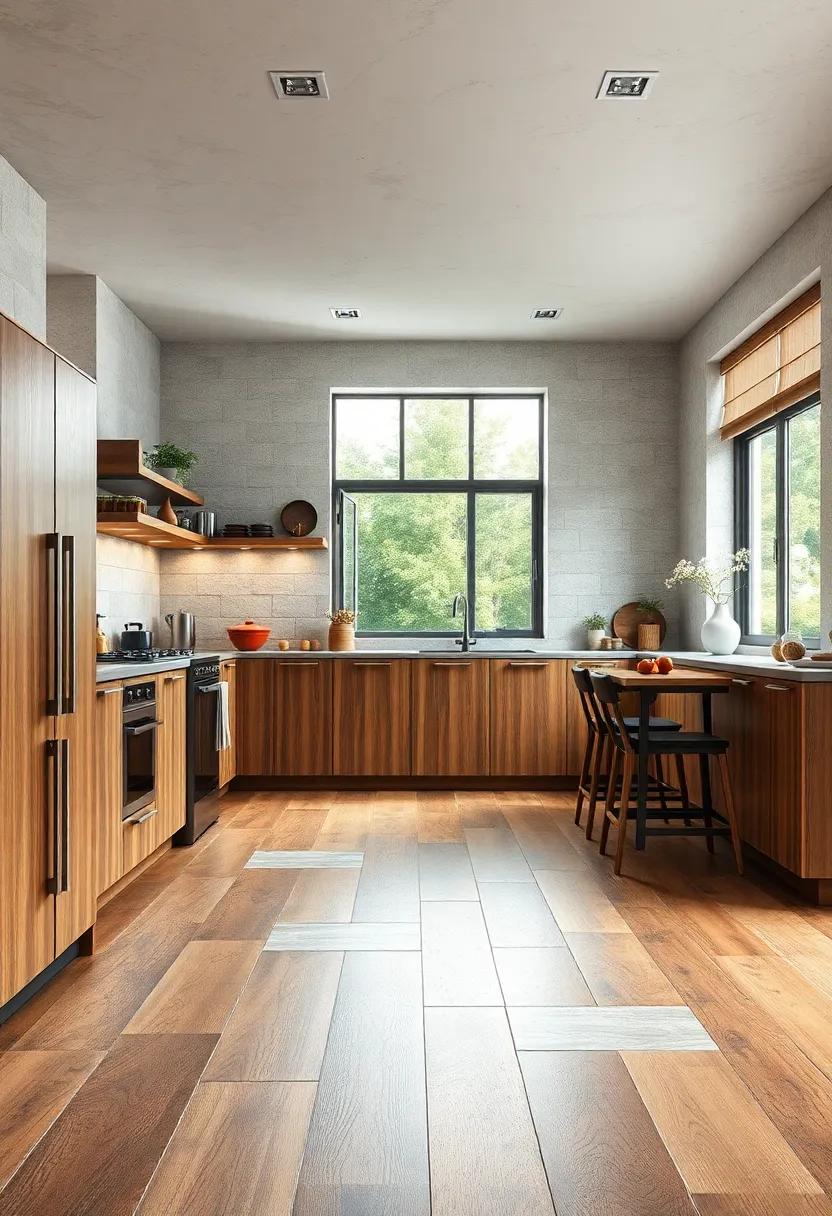
Incorporating timber elements into your rustic kitchen design creates a harmonious blend of warmth and style. Whether you opt for exposed wooden beams, butcher block countertops, or handcrafted cabinetry, these features can infuse your space with a sense of nature and craftsmanship. When it comes to flooring, pairing wood tones with textured tiles can elevate the overall aesthetic. Consider porcelain or ceramic tiles that mimic the appearance of aged wood or rich stone, providing durability and ease of maintenance while enhancing the rustic vibe.
To achieve a cohesive look, choose a color palette that complements the wood tones in your kitchen. earthy hues such as deep browns, grays, and soft greens work beautifully together, allowing timber elements to shine while maintaining a unified design. Here are some ideas to consider:
- Wood-look Tiles: Utilize tiles that replicate the grain and texture of natural wood.
- Accent Borders: Create a stunning visual by adding decorative tile borders around wooden areas.
- Mixed Materials: Combine stone and wood textures for a layered design approach.
| Tile Type | Best For | Benefits |
|---|---|---|
| Porcelain | High traffic areas | Durability and water resistance |
| Ceramic | Budget-friendly projects | Variety of designs and colors |
| Natural Stone | Luxury finishes | Unique textures and timeless appeal |
Resilient Choices: Selecting Durable Tiles for High-Traffic Rustic Kitchens
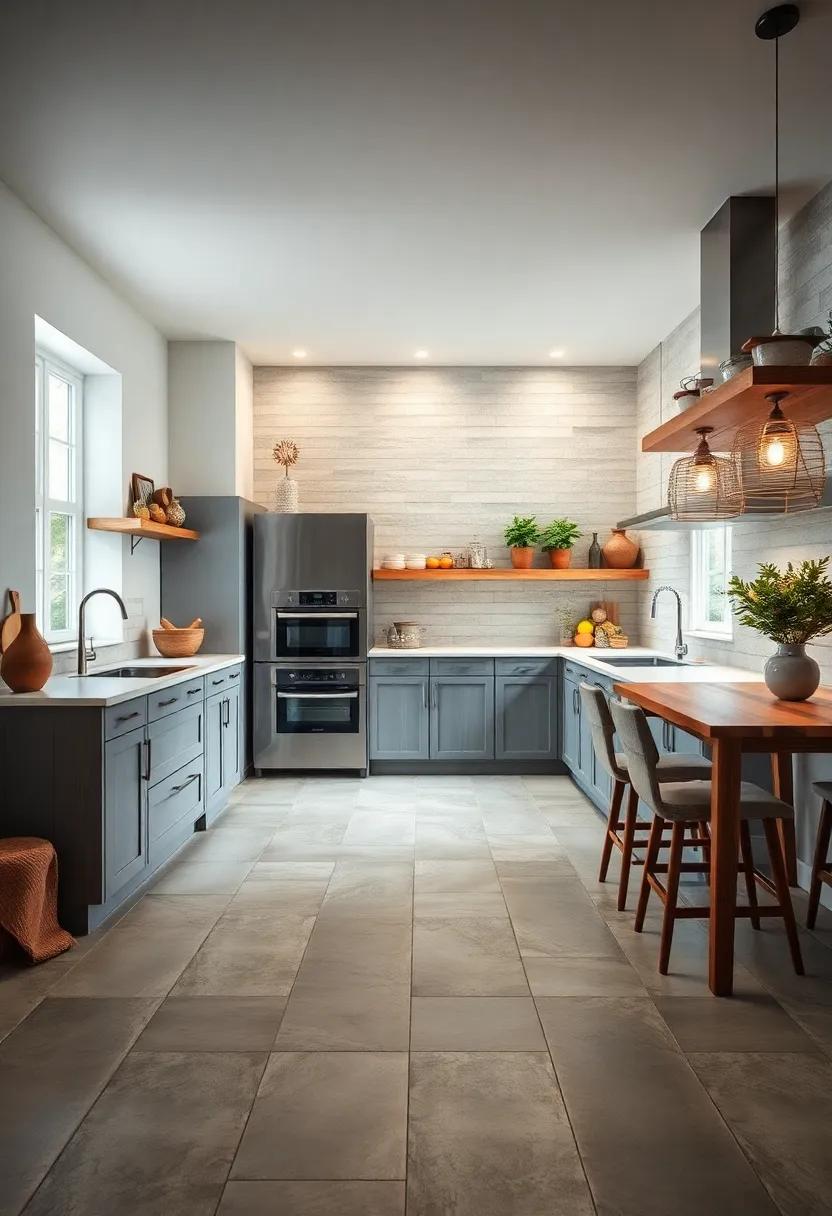
When it comes to selecting tiles for high-traffic rustic kitchens, durability is paramount. Opt for materials that are known for their strength and resilience to wear and tear, ensuring your flooring can withstand daily activity. Here are a few top-performing options to consider:
- Ceramic Tiles: Naturally resistant to moisture and stains, these tiles are easy to clean and maintain.
- Porcelain Tiles: A denser, more durable version of ceramic tiles, porcelain is ideal for busy spaces due to its scratch resistance and minimal water absorption.
- Natural Stone: While slightly more porous,options like slate or travertine provide unique aesthetic appeal with proper sealing.
- Vinyl Composite Tiles: Offering a wood-like appearance, these are easy to install and cushion underfoot, making them perfect for families.
In addition to material selection, consider the finish and texture that can enhance both functionality and style. Here’s a simple guide:
| Finish Type | Benefits |
|---|---|
| Matte | Conceals dirt and scratches effectively; provides a soft, rustic feel. |
| Glossy | Reflects light and makes spaces appear larger; easier to clean but may show wear. |
| Textured | Adds grip for safety; complements rustic aesthetics well. |
Cultural Heritage: Exploring Global Inspirations in Rustic Tile Artistry
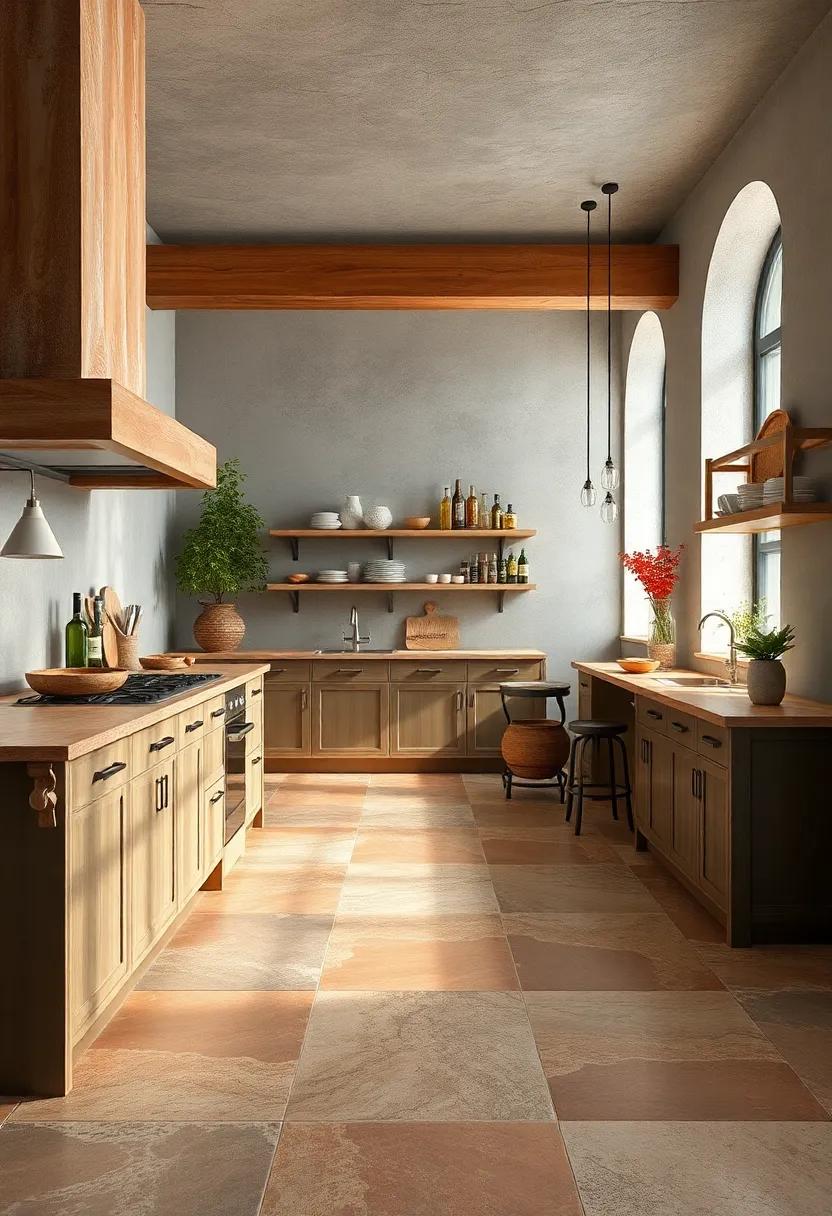
Rustic tile artistry is not just a decorative choice; it is indeed a festivity of cultural heritage that draws inspiration from various regions around the globe.Each tile is a canvas, telling the stories of its origins, whether it’s the intricate hand-painted tiles of Portugal, the earthy terracotta of Mexico, or the textured stonework found in Italian farms. These unique styles embrace imperfections, reflecting the charm of a simpler, more connected way of living. The diverse backgrounds of rustic tiles enable homeowners to create kitchens that are rich in character, offering a warm and inviting atmosphere that echoes tradition.
When selecting rustic floor tiles for a kitchen,consider a palette that harmonizes with the overall design scheme. Options can vary widely yet often include:
- Natural Earth Tones: Warm browns, deep terracotta, and muted greens evoke a grounded aesthetic.
- Patterned Insets: Incorporate tiles with floral or geometric motifs to add visual interest.
- Textured Surfaces: Opt for tiles with a hand-crafted feel to enhance depth and dimension.
In choosing the right combination, a table can help visualize how different tile styles may interact:
| Tile Style | Characteristics | Best Matched With |
|---|---|---|
| Hand-painted Ceramic | Vibrant colors and intricate designs | Modern rustic decor |
| Terracotta | warm, earthy tones | Cottage or farmhouse style |
| Rustic Stone | Textured, uneven surface | industrial or traditional settings |
Lighting Effects: Enhancing Tile Designs with Strategic Lighting Choices
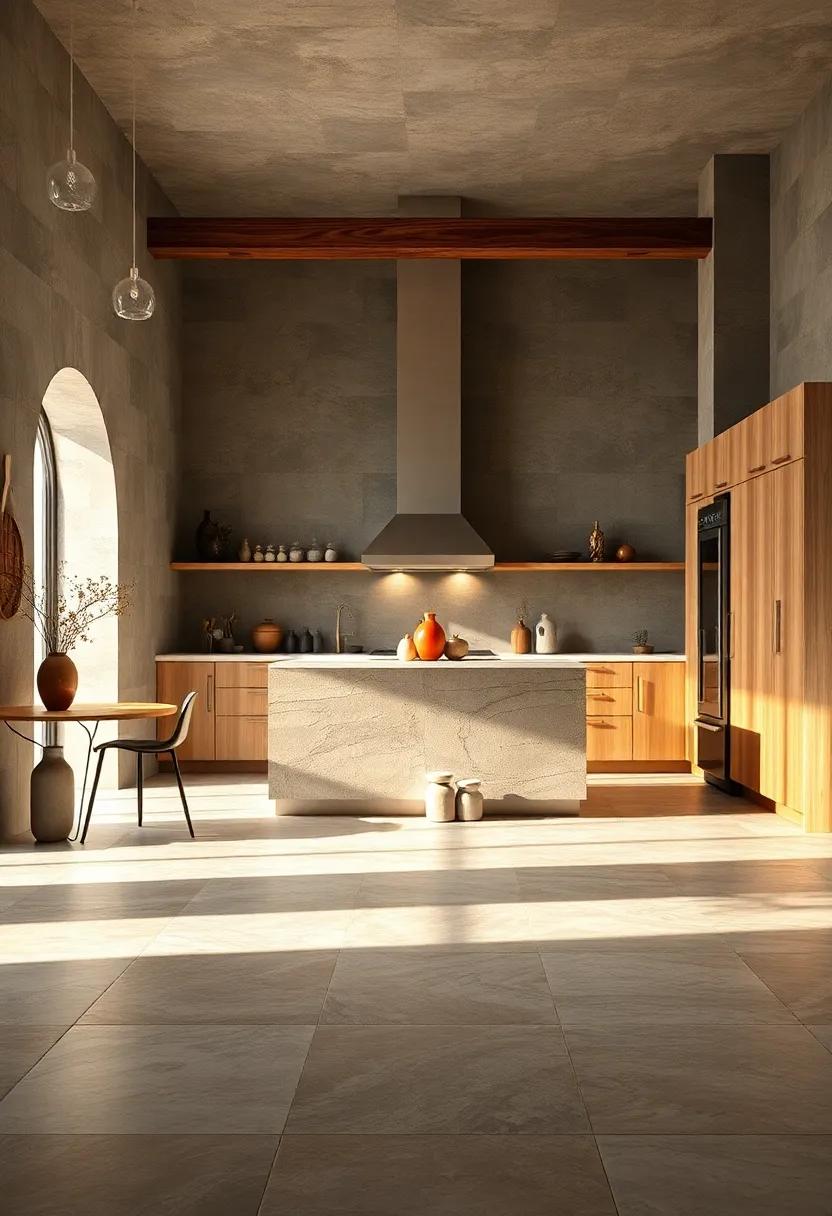
Incorporating strategic lighting choices into your rustic kitchen can transform the ambiance and highlight the unique textures of your floor tiles. Consider the way light interacts with different surfaces; matte, earthy tiles can benefit from subtle, warm-toned lights that create a cozy atmosphere, while glossy tiles might shine under brighter, cooler lights that enhance their reflective qualities. by layering lighting through various sources such as recessed lights, pendant fixtures, and under-cabinet illumination, you can achieve a harmonious balance that enhances the rustic charm.
When planning your lighting scheme, think about the specific areas that require focus. Here are several key aspects to consider for optimal results:
- Directional Lighting: Use adjustable fixtures to spotlight intricate tile patterns.
- Ambient Lighting: Incorporate soft lighting for an inviting overall glow.
- Task Lighting: install brighter lights in work areas, complementing the rustic aesthetics.
- Natural Light: Maximize windows or skylights to enhance the natural colors of the tiles.
Implementing these lighting techniques not only showcases the beauty of your tile designs but also adds a layer of functionality to your kitchen space.For a clearer overview of how different lighting affects tile aesthetics, refer to the table below:
| lighting Type | Effect on Tiles | Best tiles |
|---|---|---|
| Recessed | Creates a clean, modern look while accentuating texture | Matte Finish |
| Pendant | Adds warmth and personality; draws attention to specific areas | glazed Tiles |
| Under-Cabinet | illuminates workspaces; highlights unique tile designs | Patterned Tiles |
The Great Outdoors: Bringing Natural Elements into Rustic Kitchen Floors
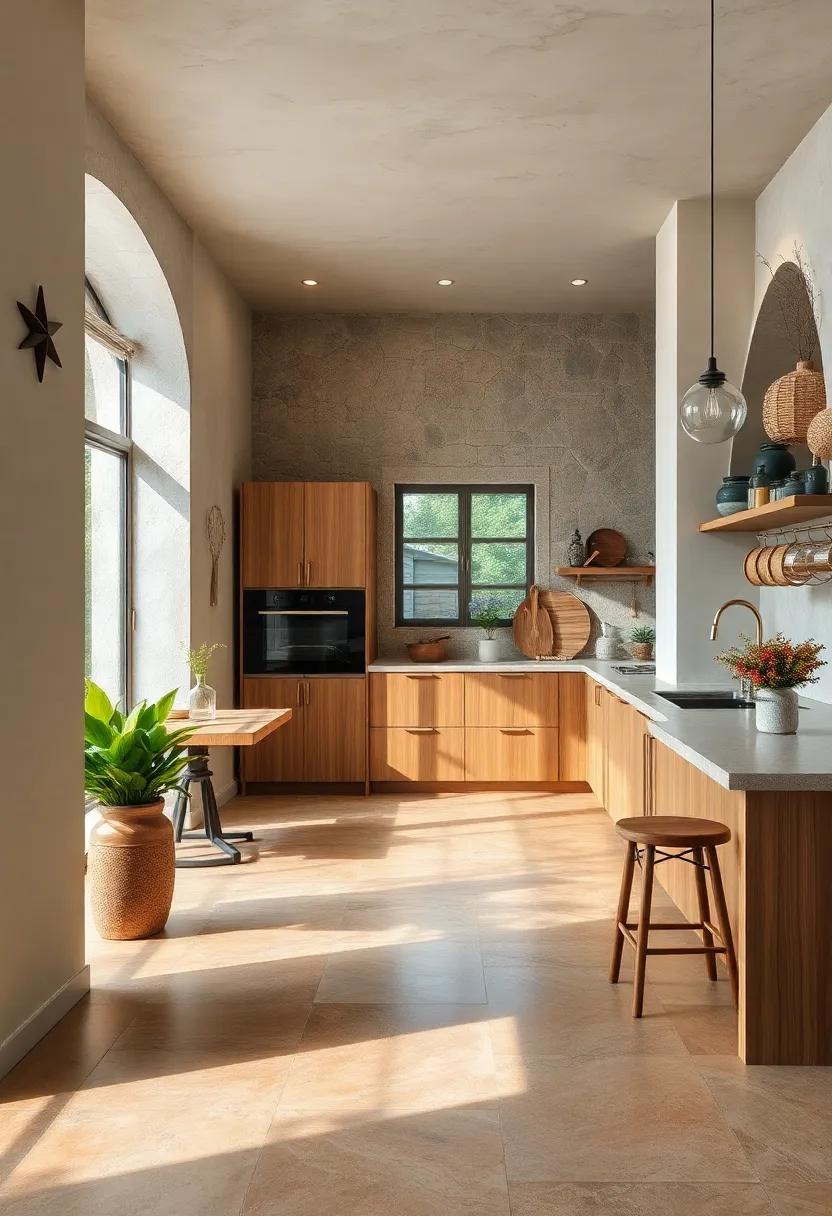
Integrating the beauty of nature into your rustic kitchen can transform the space into a sanctuary of warmth and comfort. Natural stone tiles—such as slate, travertine, or limestone—evoke the grounding presence of the outdoors.These materials not only stand up to high foot traffic but also bring an organic quality that harmonizes with wooden beams and country farmhouse elements. Pairing rough-textured tiles with natural wooden cabinetry and furniture creates a cohesive aesthetic, making the kitchen feel like an inviting lodge. To amplify this earthy vibe, consider using a palette inspired by the earth, incorporating shades of browns, greens, and grays found in nature.
To further enhance the natural elements in your kitchen, you can incorporate various design features that complement rustic flooring.Here are a few ideas to consider:
- Area Rugs: Use jute or sisal rugs to soften the space while maintaining an organic feel.
- Natural Light: Maximize windows to invite sunlight and showcase the beauty of your flooring.
- Open Shelving: Display handmade pottery or local finds that echo the rustic theme.
Combining these elements will enhance the charm of your kitchen. For a final touch, consider a feature wall created from reclaimed wood planks or a mosaic of colorful stones that mirrors the flooring. Such accents not only unify the design but also tell a story of natural beauty throughout the space.
Layering Style: Combining Area Rugs with Rustic Tile for Added Warmth
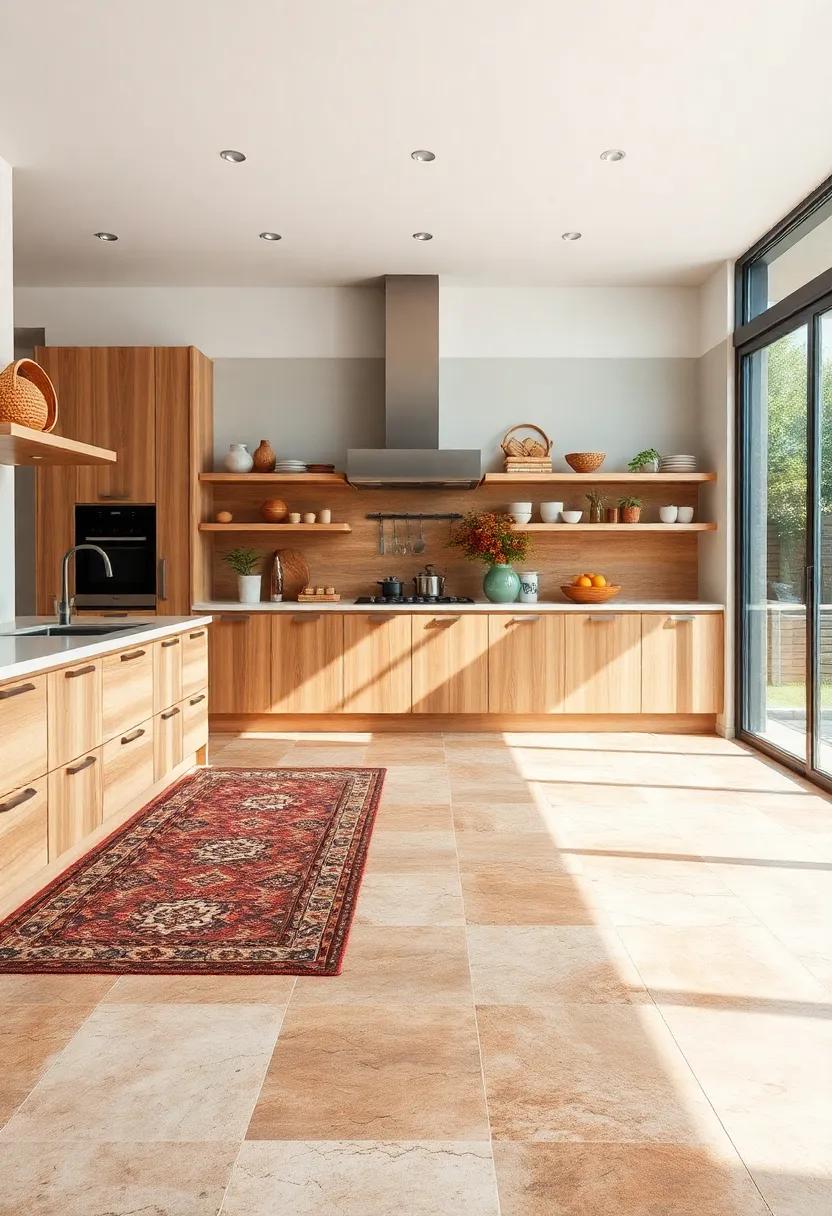
In a rustic kitchen, combining area rugs with vintage-style tile can create a rich tapestry of texture and warmth. Area rugs serve as a bold accent, contrasting the solid, earthy tones of rustic tile while providing a soft underfoot feel. when selecting rugs, consider options that feature natural fibers such as jute, sisal, or wool, which not only enhance the rustic theme but also complement the rugged characteristics of the tile.By layering these elements thoughtfully, you can design a space that feels both inviting and cohesive.
To achieve a harmonious look, aim for color palettes that echo the tones found in your tile selection. Choose rugs with earthy hues or patterns that reflect natural landscapes. A few tips for prosperous layering include:
- Opt for rugs that are larger than the area of tile they cover, allowing the tile to peek through.
- Select contrasting but complementary patterns to keep the eye engaged.
- Incorporate various textures to create depth without overwhelming the space.
| Rug Type | Texture | Complementing Tile |
|---|---|---|
| Jute | natural Fiber | Terracotta |
| Wool | Soft & Cozy | Slate |
| Sisal | Sturdy | Rustic ceramic |
| Geometric Print | Mixed Materials | Wood Look |
Unique Border Designs: Framing Your Kitchen Floor with Creative Tile Borders
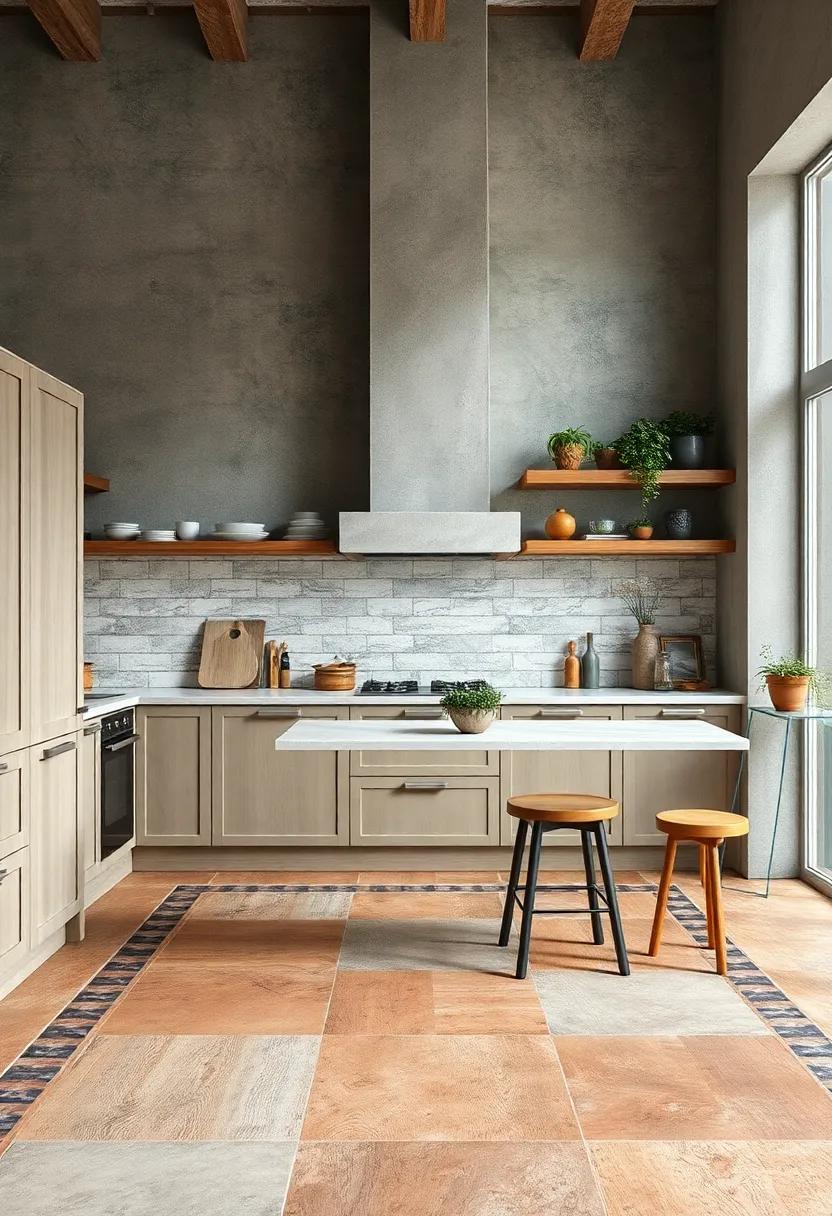
Transforming your kitchen floor with creative tile borders offers much more than just aesthetics; it provides a canvas for your personal style while enhancing the overall charm of rustic design. Consider incorporating natural stone, hand-painted tiles, or even reclaimed wood accents as border elements. These materials can effortlessly merge the organic feel with contemporary color palettes, creating a unique statement. When selecting a border, think about how it interacts with the main tile selection. Layered textures and contrasting colors can add depth, making the kitchen floor an eye-catching focal point.
Some popular border design ideas to explore include:
- Hexagonal Tiles: Arrange these alongside square tiles for a striking visual that breaks monotony.
- patterned Edges: Use patterned tiles to edge your plain floor tiles, offering a delightful surprise.
- subway Style Borders: Incorporate classic subway tiles for a timeless finish that complements rustic themes.
| Border Type | Style Effect |
|---|---|
| Natural Stone | Earthy elegance with durability |
| Rustic Wood | Warmth and a cozy atmosphere |
| Colorful mosaic | Vibrant and playful accents |
resplendent Customization: Designing Personalized Rustic Tile Patterns
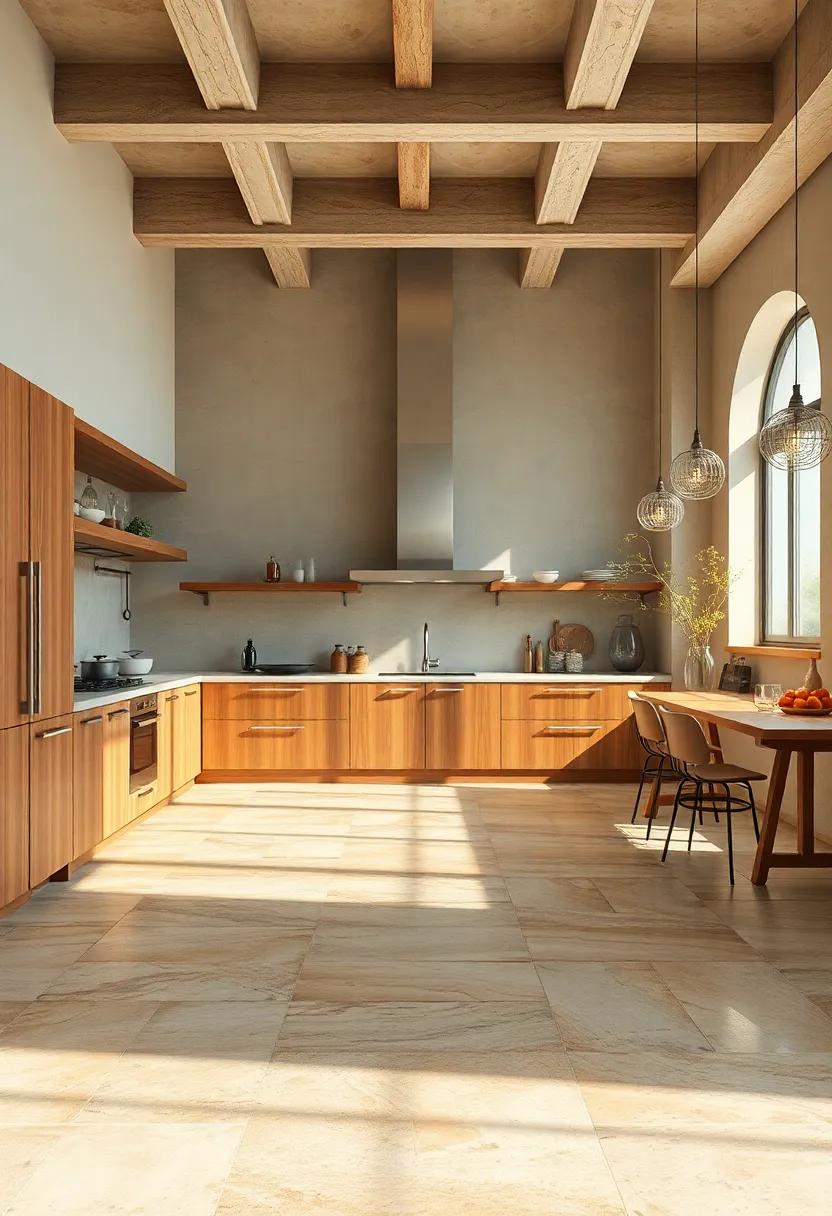
When it comes to bringing a personal touch to rustic kitchen floor tiles, the options for customization are virtually endless. Utilizing a blend of colors, shapes, and finishes not only enhances the aesthetic appeal but can also tell a unique story reflecting your personal taste. You might consider incorporating natural hues like earthy browns and muted greens that resonate with the rustic vibe. Additionally, patterns can be varied by mixing and matching different tile shapes—think classic squares paired with intricate hexagons or long rectangular planks—to create an engaging visual experience that feels both cozy and captivating.
For those looking to craft one-of-a-kind designs, layering textures can add depth and intrigue. Consider the following elements in your design process:
- Handmade Tiles: Each piece showcases individuality and charm.
- Accent Borders: Use traditional motifs or geometric shapes to frame specific areas.
- Color Washes: Create a vintage feel through subtle distressing techniques.
- Mixed Materials: Combine tiles with wood or stone for dynamic contrast.
It’s essential to communicate your vision with artisans or suppliers who specialize in custom tile work. Utilize local materials where possible for an authentic touch, often bringing a story and heritage that mass-produced tiles cannot offer. With your imagination and creativity, the kitchen floor can transform into a stunning masterpiece that perfectly embodies your style while retaining the timeless charm of rustic design.
Flooring Transitions: seamlessly Merging Rustic Tiles with other Areas
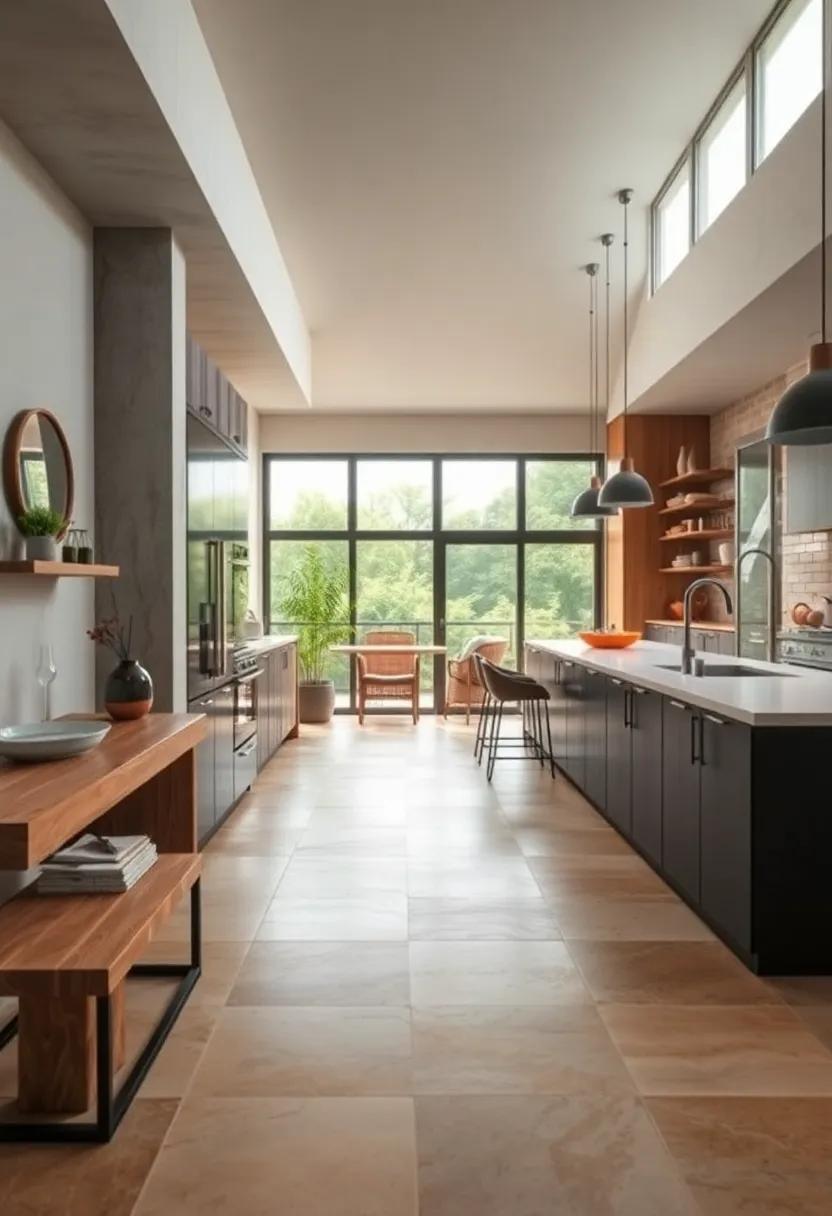
Incorporating rustic tiles into your kitchen design not only adds warmth but also provides an opportunity to create captivating transitions to other different areas of your home. To achieve a seamless connection between spaces, consider using transitional strips or threshold pieces that enhance the rustic feel without overwhelming the aesthetic. Some effective materials for these transitions could include:
- Wooden thresholds that complement the natural tones of your rustic tiles
- Stone strips that add an organic touch, tying in with both the tile and the adjacent flooring
- Metal accents that add a modern contrast while maintaining the rustic charm
When planning your flooring transitions, pay attention to color harmonization and texture consistency.For example, pairing rustic terracotta tiles with wide plank hardwood can result in a stunning visual narrative. To illustrate this point, consider the following chart showcasing some preferred combinations and their complementary characteristics:
| Tile Type | Best Transitional Flooring | Complementary Features |
|---|---|---|
| Rough-Cut slate | Polished Concrete | Textural contrast |
| Terracotta | Wide Plank oak | Natural Warmth |
| Authentic Spanish Tiles | Natural Stone | Color Coordination |
Aging gracefully: How Rustic Tiles Develop Character Over Time
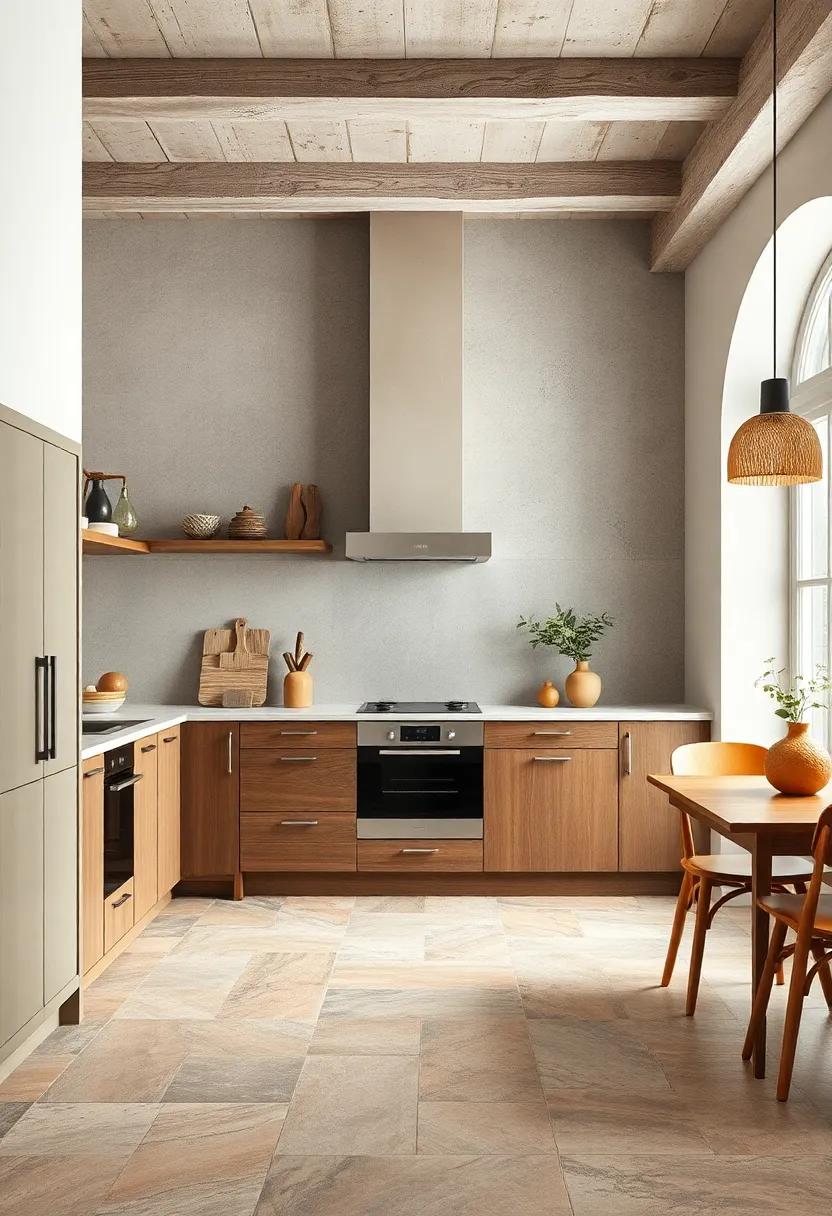
As rustic tiles age, they begin to tell a story that adds depth and character to any kitchen space. Each scratch,stain,or patina transforms the tiles into a visual narrative,reflecting years of love and shared meals. This natural aging process is not seen as a flaw but rather as a feature that enhances the overall charm of the kitchen. Homeowners frequently enough appreciate the unique appearance of rustic tiles as they create a warm and inviting atmosphere that modern materials struggle to replicate.
To maximize the beauty of aged rustic tiles, consider the following aspects:
- Versatility: Rustic tiles can blend seamlessly with various decor styles, from traditional to contemporary.
- Low Maintenance: Their rugged surfaces hide dirt and wear, needing minimal upkeep to retain their charm.
- Timeless Appeal: Unlike modern designs that may feel dated, rustic tiles offer lasting beauty that evolves gracefully over time.
| Tile Type | Characteristics | Ideal Spaces |
|---|---|---|
| Clay Tiles | Warm hues, natural texture | Kitchens, Outdoor Patios |
| Stone tiles | Durable, unique patterns | Living Rooms, Entryways |
| Terracotta Tiles | Earthy tones, aged patina | Rustic Kitchens, Bathrooms |
As we conclude our journey through the enchanting world of rustic kitchen floor tile designs, we invite you to envision the warmth and character these timeless materials can bring to your home. Each tile tells a story, weaving together tradition and craftsmanship, offering a canvas where functionality meets aesthetic charm. Whether you lean towards the earthy tones of terracotta, the weathered elegance of reclaimed wood patterns, or the intricate designs inspired by nature, there is a world of possibilities waiting to transform your space.
In embracing rustic tiles, you’re not just choosing a flooring option, but rather a lifestyle that celebrates simplicity and a connection to the earth. So, as you step into the delightful intricacies of your kitchen renovation, remember that the right floor can serve as the foundation not only for your meals but also for countless memories created within those walls.Let your kitchen be a testament to the enduring allure of rustic design,where elegance and coziness coexist harmoniously. With the right touches, your kitchen can truly become the heart of your home, exuding timeless charm for years to come. Happy decorating!