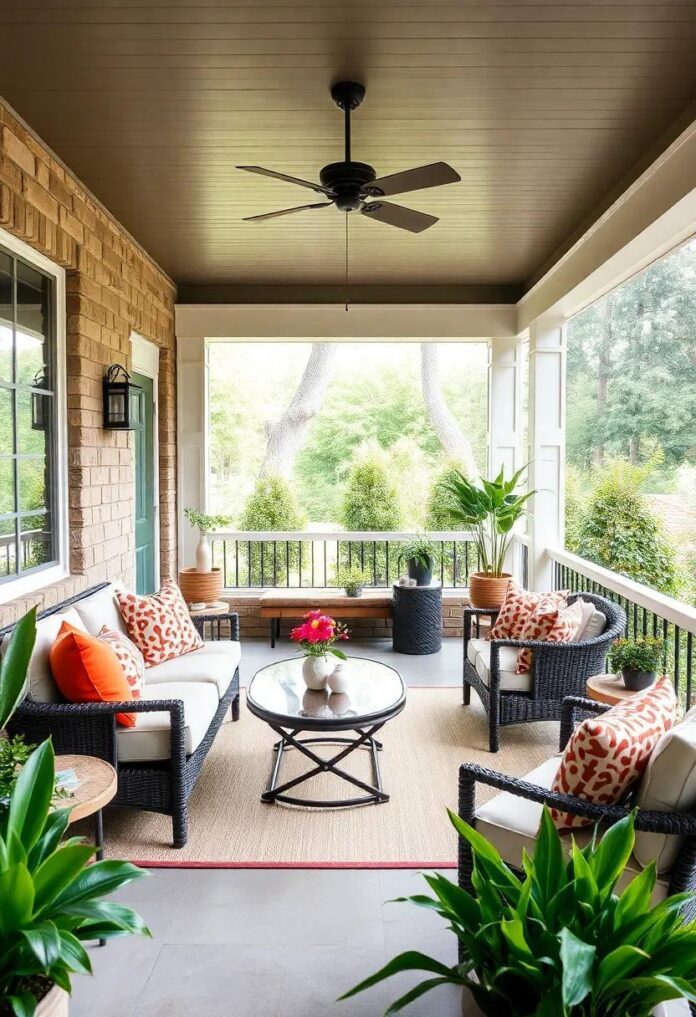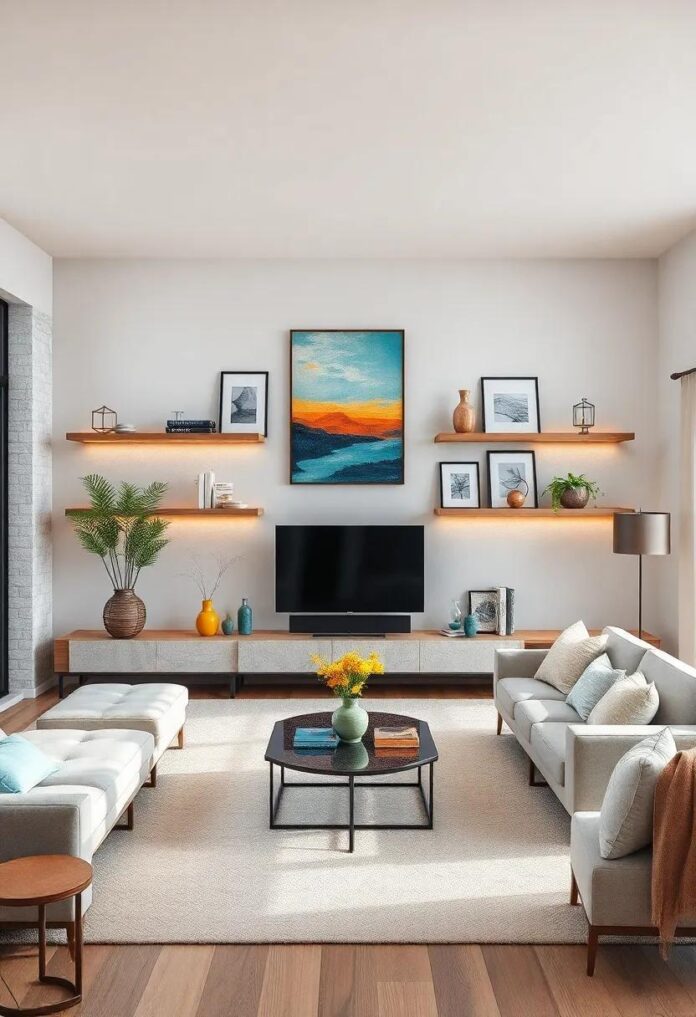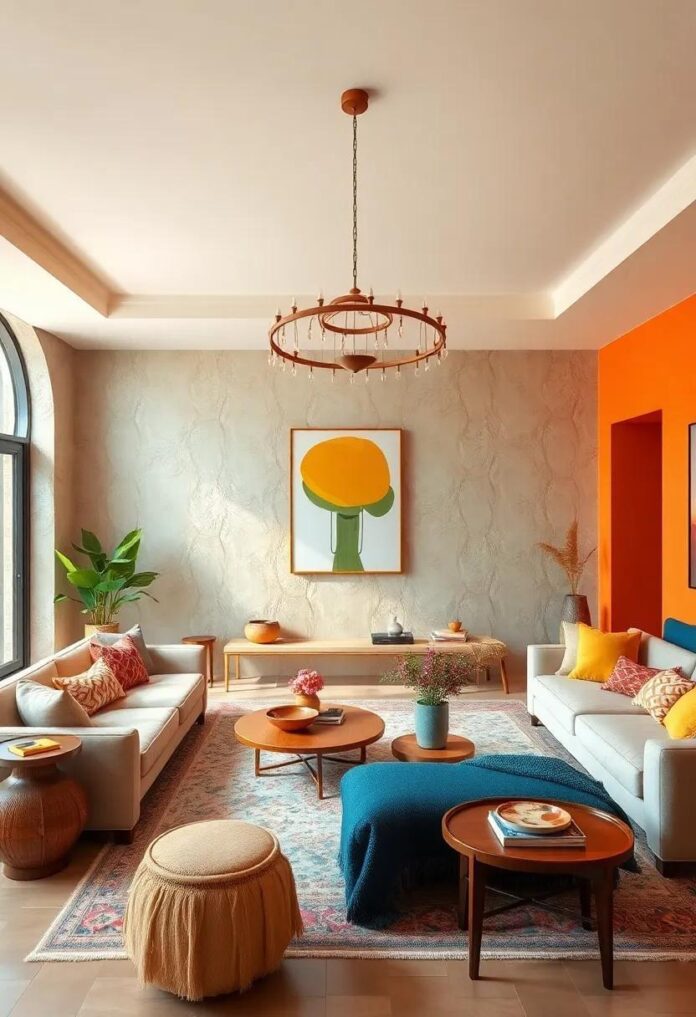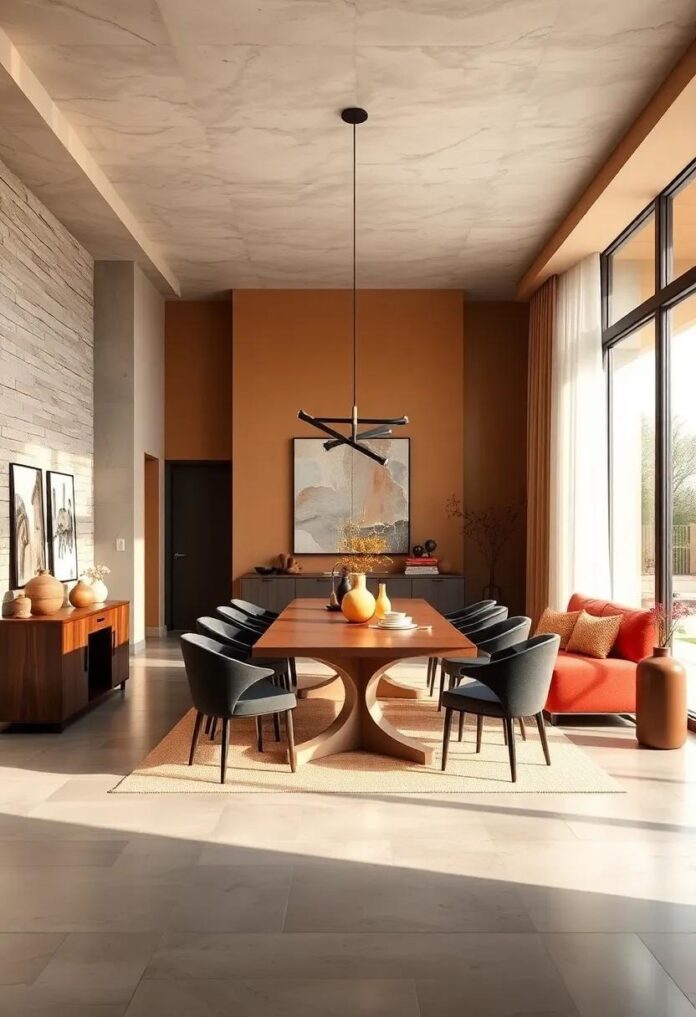

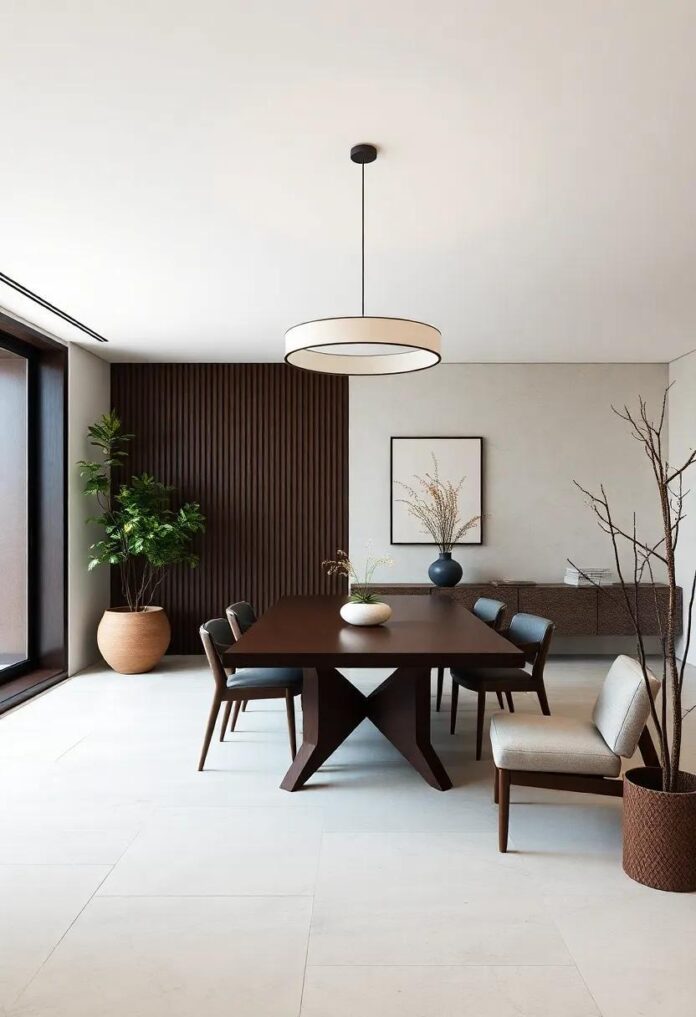
In an increasingly chaotic world, the quest for tranquility often leads us to the places we call home. A dining room,traditionally a hub of social interaction and culinary enjoyment,can also serve as a sanctuary—a space where harmony and peace reign. Inspired by the ancient principles of Zen Buddhism, Japanese design offers a unique approach to creating serene living spaces that nourish both body and soul. In this exploration of Zen-inspired dining room designs,we delve into the minimalist aesthetics,natural materials,and thoughtful layouts that define this tranquil style. From the gentle hues of tatami mats to the calming presence of carefully curated elements, discover how incorporating thes principles into your dining area can transform mealtime into a mindful experience, inviting a sense of calm and balance into your everyday life. Join us as we embrace serenity and invite you to envision a dining room that reflects the essence of Japanese tranquility.
Embrace Minimalism with Japanese Zen Dining Room Aesthetics
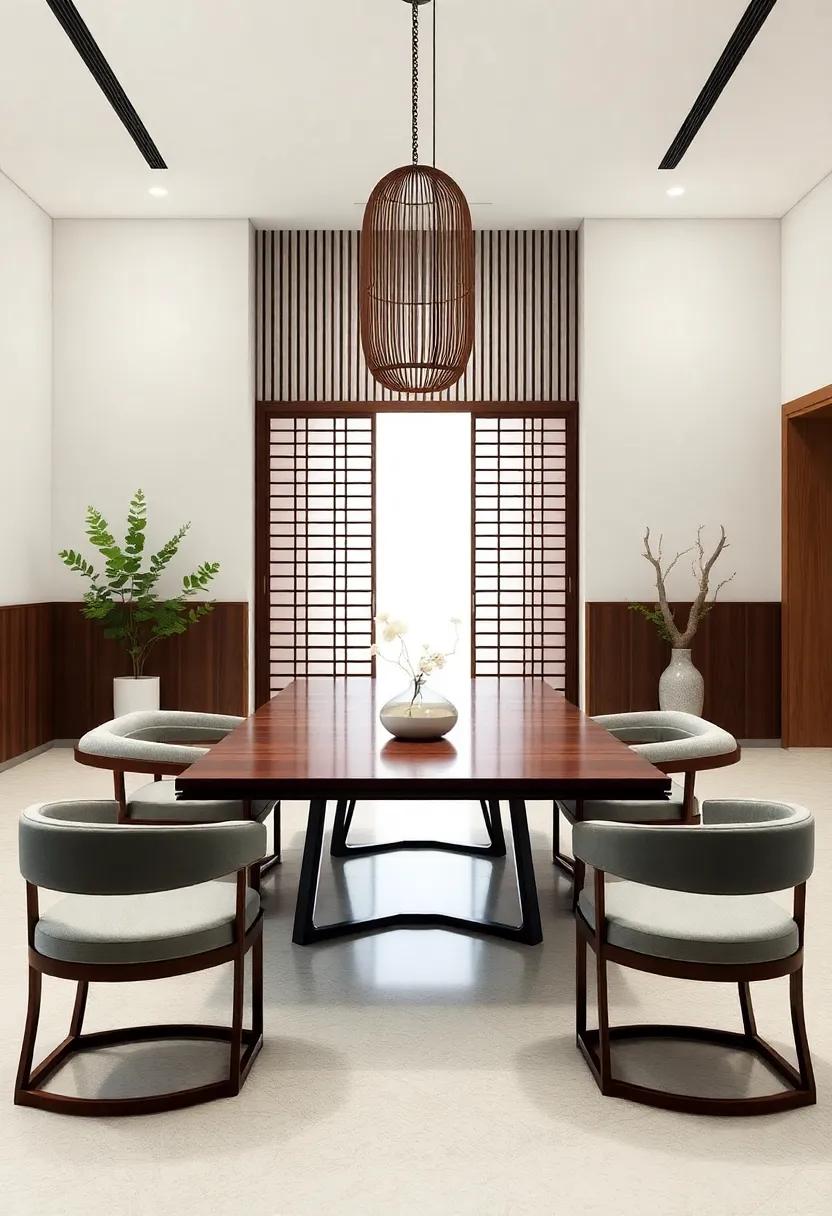
To achieve the harmonious and tranquil essence characteristic of japanese dining spaces, focus on simplicity and natural elements. Begin by selecting a color palette that evokes calmness; think soft earth tones like beige,taupe,and muted greens. incorporate materials such as untreated wood, stone, and rice paper, which establish a connection to nature and enhance the peaceful atmosphere. The furniture should be low to the ground, reflecting traditional Japanese seating arrangements. Use a simple wooden dining table accompanied by sleek seating options, such as tatami mats or minimalist benches, to encourage a more grounded dining experience.
Lighting plays a crucial role in setting the tone for your dining area. Opt for soft, diffused light sources to create a welcoming ambiance. Consider using shoji screens to filter natural light, preserving privacy while enhancing the serene habitat. Adorn the space with thoughtfully chosen decor that includes minimalist flower arrangements or bonsai trees, as they symbolize tranquility and balance. A touch of traditional Japanese art, like ink paintings or simple ceramics, can complete the aesthetic without overwhelming the senses. Keep the surfaces clear and clutter-free, allowing each element to breathe and contribute to the overall sense of calm.
Natural Elements enhance Tranquility in Japanese-Inspired Dining Spaces
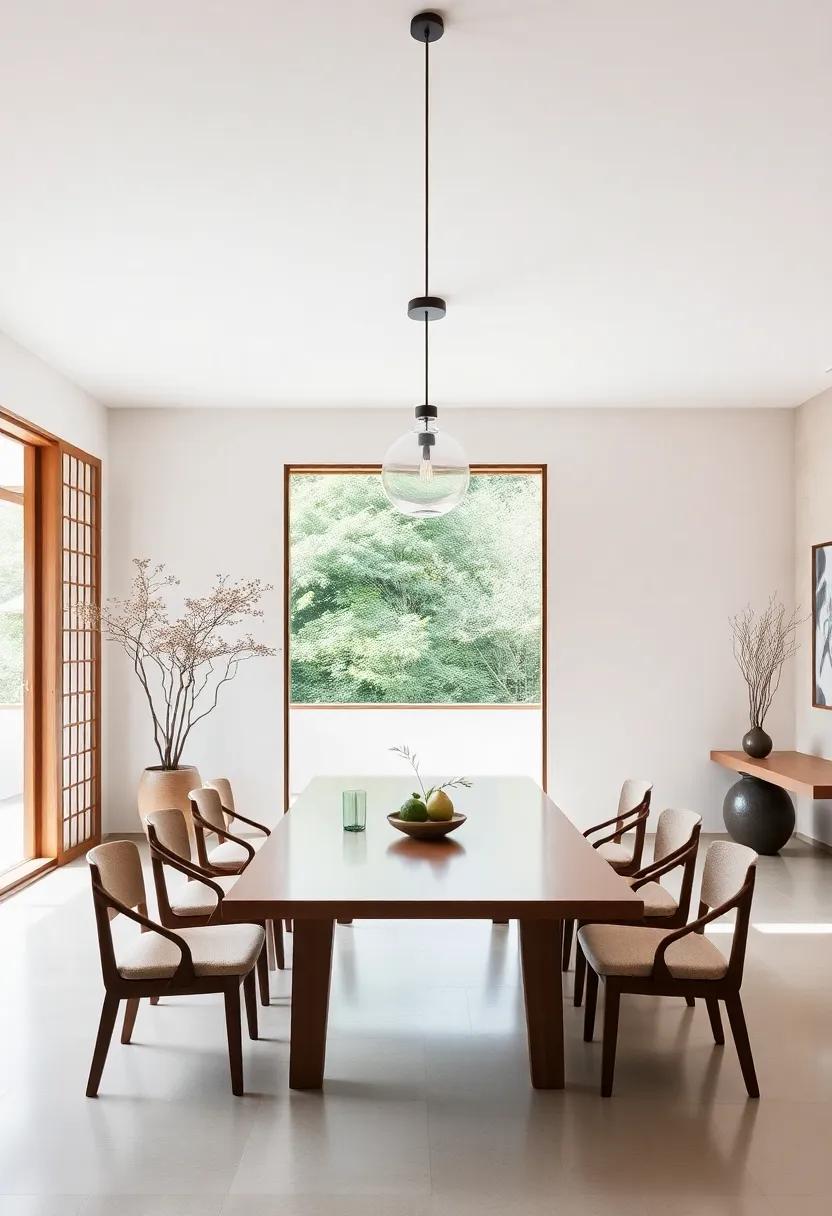
japanese-inspired dining spaces elegantly merge with nature to create an atmosphere of tranquility. Incorporating materials such as natural wood, stone, and bamboo fosters a connection to the surroundings, allowing diners to unwind. A minimalist approach emphasizes open space and uncluttered design, which is essential for promoting peace and relaxation. The use of soft, earthy color palettes—think muted greens, browns, and soft whites—invokes the calmness of a serene landscape, ensuring that the room feels like an extension of the outdoors.
Additionally, well-placed natural elements can transform the dining experience. Consider the following features to enhance your space:
- Shoji screens: These traditional rice paper screens not only filter light but also provide a sense of privacy.
- Indoor plants: Strategically placed greenery not only purifies the air but also brings life and freshness to the setting.
- Natural stone accents: A stone feature wall or table can serve as a rustic centerpiece, grounding the aesthetic.
Below is a simple comparison of popular materials used in Japanese dining spaces:
| Material | feel | Benefits |
|---|---|---|
| Wood | Warm & inviting | Durable & timeless |
| Bamboo | Light & airy | Eco-friendly & lasting |
| Stone | grounded & solid | Unique textures & patterns |
Balance and Harmony: The Essence of Zen Dining Room Design
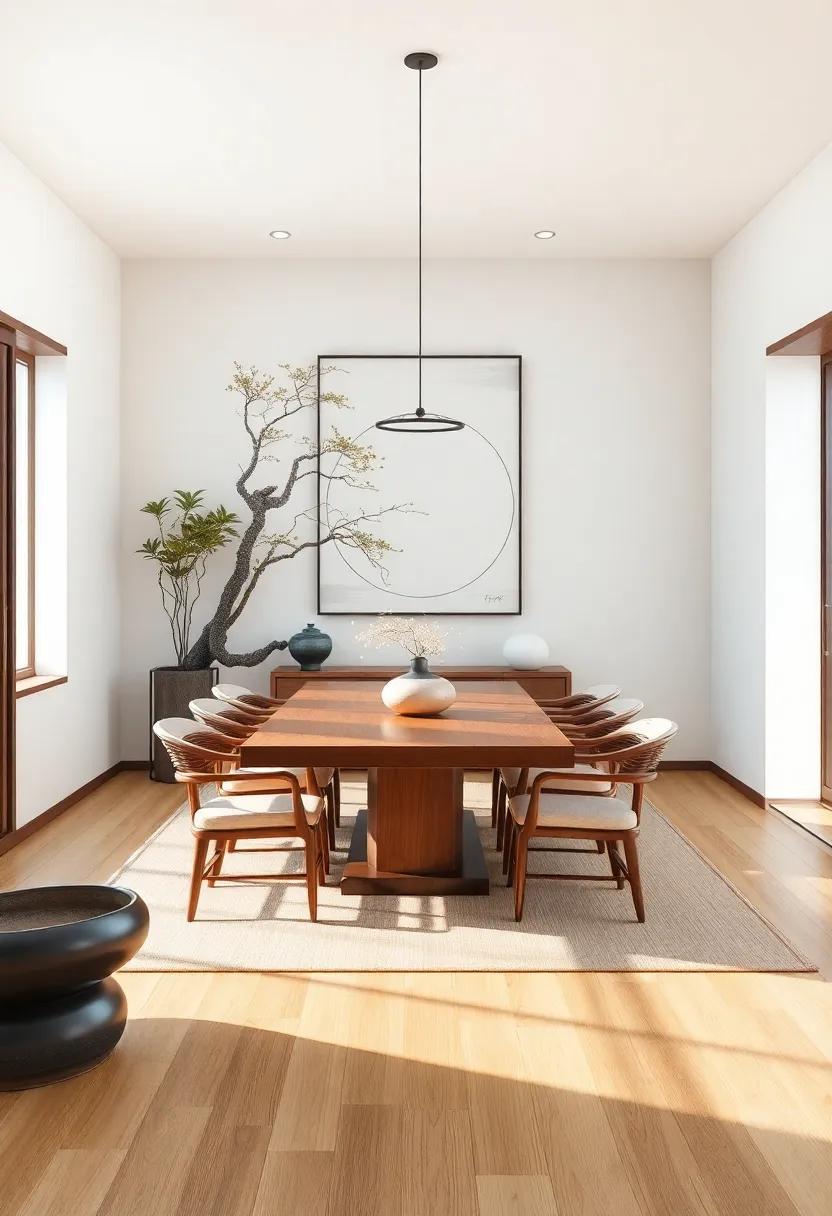
Creating a Zen-inspired dining room revolves around the principles of minimalism and tranquility. The use of natural materials is fundamental, as it connects the space to the serenity of the outdoors. Consider incorporating wooden furniture, bamboo accents, and stone elements to infuse warmth and grounding into the area. Opt for a muted color palette, featuring soft tones like earthy browns, gentle greens, and subtle whites. This harmonious blend cultivates an atmosphere conducive to mindful eating and reflection.
In this design ethos, lighting plays a pivotal role. Soft, diffused lighting can enhance a sense of calmness, making pendant lamps and paper lanterns ideal choices. To further enrich the space,consider adding small indoor plants such as succulents or bonsais,which not only purify the air but also embody harmony with nature.Below is a simple depiction of key elements that define a Zen dining room:
| Element | Description |
|---|---|
| Color Palette | soft earth tones and neutrals |
| Materials | Natural woods, bamboo, stone |
| Furniture | Minimalist design with clean lines |
| Lighting | Soft, ambient sources like lanterns |
| Plants | Indoor plants for a touch of nature |
Timeless Elegance of Tatami Mats in Modern Dining Rooms
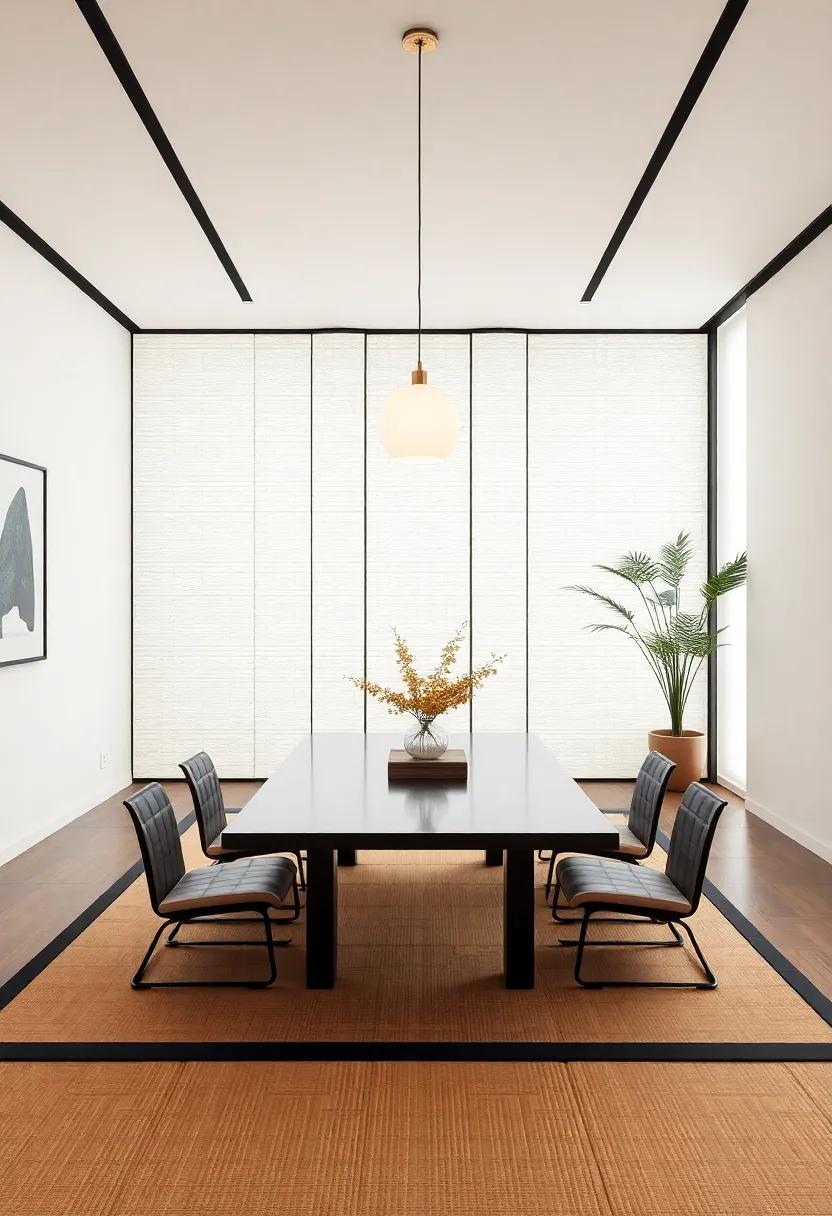
Incorporating tatami mats into modern dining rooms offers not just a unique aesthetic but also cultivates a calming atmosphere, reminiscent of traditional Japanese homes. These mats, made from rice straw and covered with woven rush grass, embody a sense of natural beauty that aligns perfectly with minimalist design principles. By choosing tatami as a flooring option, homeowners can create a seamless transition between indoor and outdoor spaces, enhancing thier dining experience with a touch of nature.
To achieve a cohesive and inviting dining space, consider the following elements:
- Natural Materials: Pair tatami mats with wooden furniture and stone accents to maintain harmony.
- Soft Lighting: Use paper lanterns or warm LED lights to cast a soothing glow.
- plants: Incorporate indoor greenery, such as bonsai or bamboo, to bring life to the atmosphere.
Additionally, creating a simple yet elegant table setting with low-profile dishes and minimalistic utensils can enhance the overall zen experience.This approach not only emphasizes the beauty of each element but also encourages mindfulness and recognition of the meal shared with loved ones.
Creating a Peaceful Ambiance with Japanese Lighting Fixtures
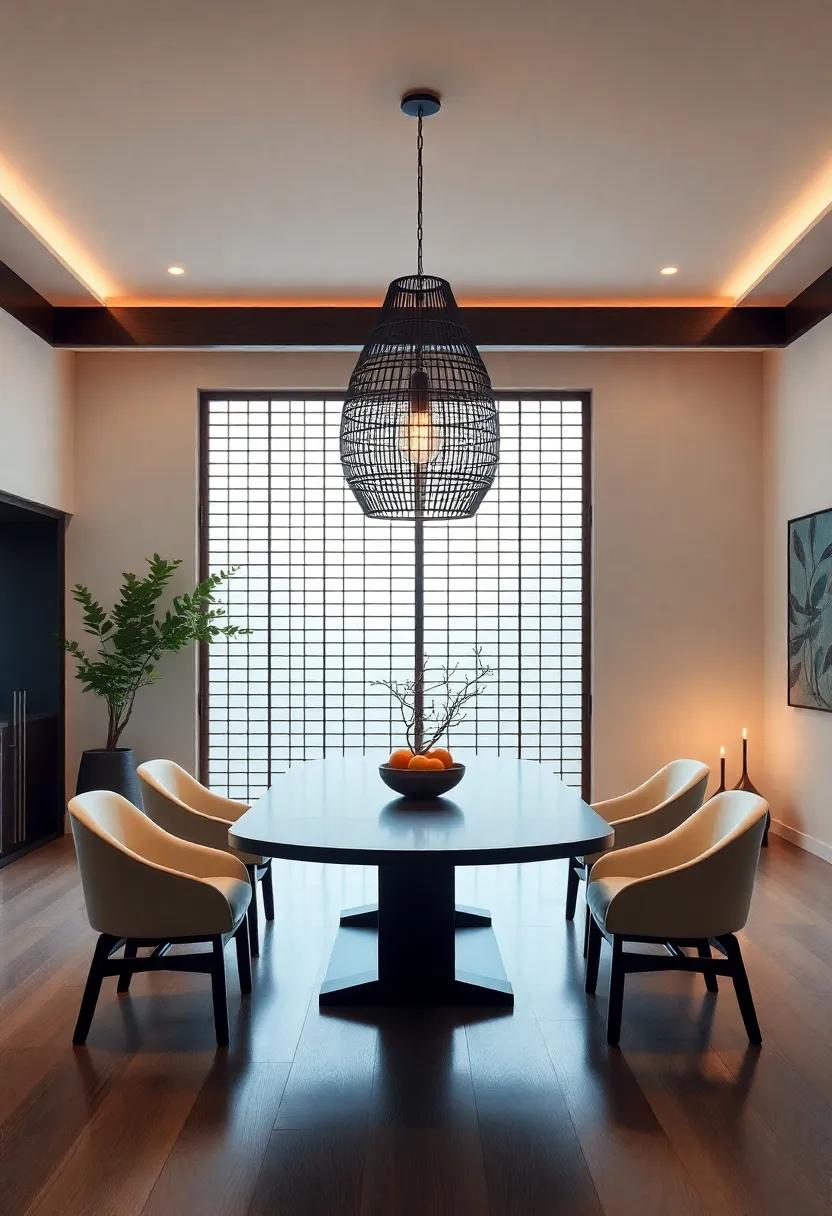
transforming your dining room into a serene retreat can be effortlessly achieved through the use of japanese lighting fixtures. These elegant elements not only provide illumination but also establish a tranquil atmosphere that encourages relaxation and mindfulness. Opt for fixtures made from natural materials like wood, rice paper, or bamboo, which create a soft, diffused light that mimics the warmth of candlelight. The subtle glow fosters a calm dining experience—perfect for family meals or peaceful evenings alone.
When selecting lighting, consider the following ideas to enhance your space:
- Paper Lanterns: These iconic fixtures offer a soft, inviting ambiance, ideal for low-light settings.
- recessed Lighting: integrating subtle lighting within architectural elements can create shadows and dimensions reminiscent of traditional Japanese interiors.
- Floor Lamps: Tall, slim fixtures with delicate designs can add height and visual interest while illuminating your dining area effectively.
Here’s a quick comparison of different types of Japanese lighting styles:
| Type | Material | Lighting Effect |
|---|---|---|
| Paper Lanterns | Rice Paper | Soft, diffused |
| Wooden Pendants | Wood | Warm, focused |
| lanterns | Bamboo | Natural, rustic |
Incorporating natural Wood Accents for a Zen Dining Experience
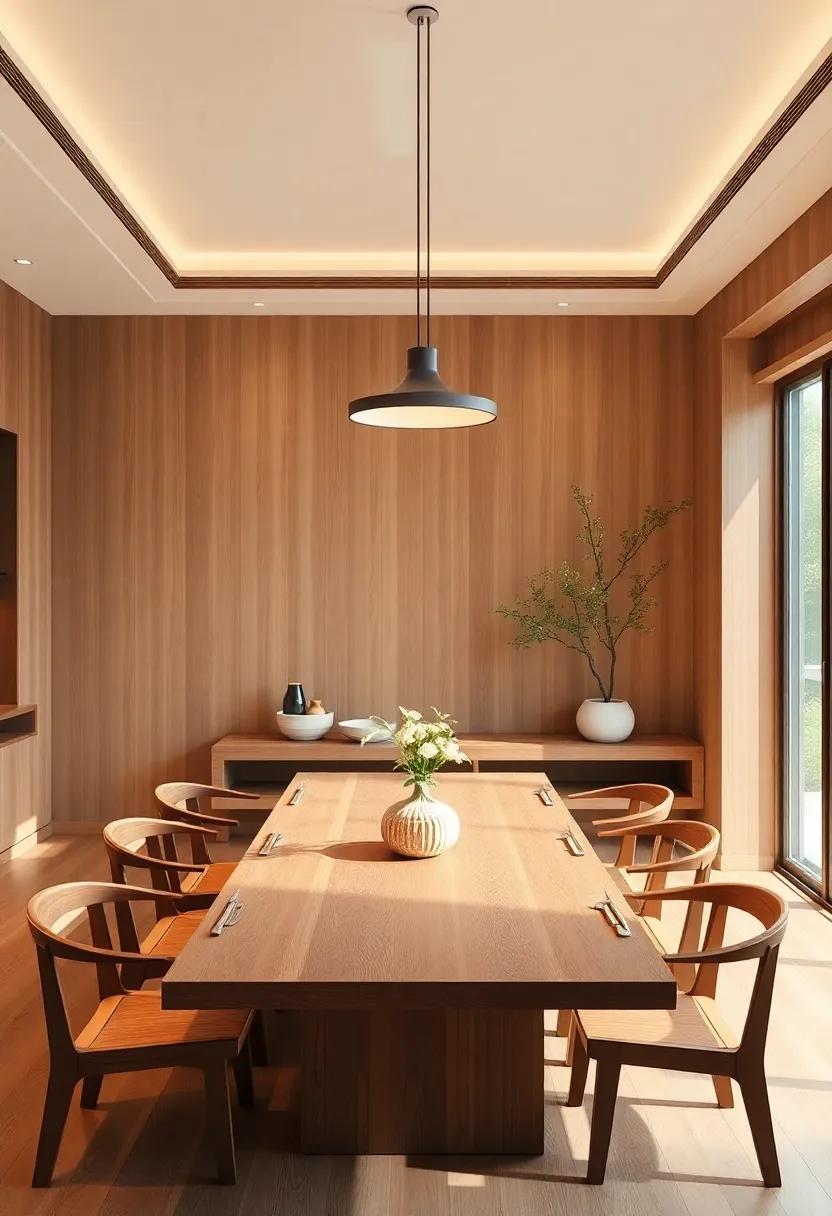
In a Zen dining room, the use of natural wood accents can effectively enhance the tranquility and connection to nature that defines this aesthetic. Utilizing elements like bamboo, cedar, and teak not only introduces warmth but also creates a stunning visual harmony. Consider incorporating these wood accents through:
- Tables: Choose a dining table crafted from reclaimed wood to evoke a sense of history and sustainability.
- Seating: Opt for benches or chairs made from natural wood,with soft cushions in earthy tones.
- Accessories: Add wooden trays,coasters,and bowls to tie in the theme and serve as functional decor.
The strategic placement of wooden elements can also influence the overall balance in your dining space. For a well-rounded Zen experience, think about incorporating a harmonious blend of textures and colors in your wooden accents. A carefully selected wooden light fixture, for example, can create a soft glow that complements the natural beauty of your dining room.To visualize this concept, refer to the table below, which illustrates different wood types and their functionalities within a zen-inspired space:
| Wood Type | functionality | Color Palette |
|---|---|---|
| Bamboo | furniture, accents | light tan, green |
| Cedar | Table, shelving | Rich reddish-brown |
| Teak | Chairs, benches | Golden brown |
The Art of Simplicity: Choosing the Right Zen Furniture
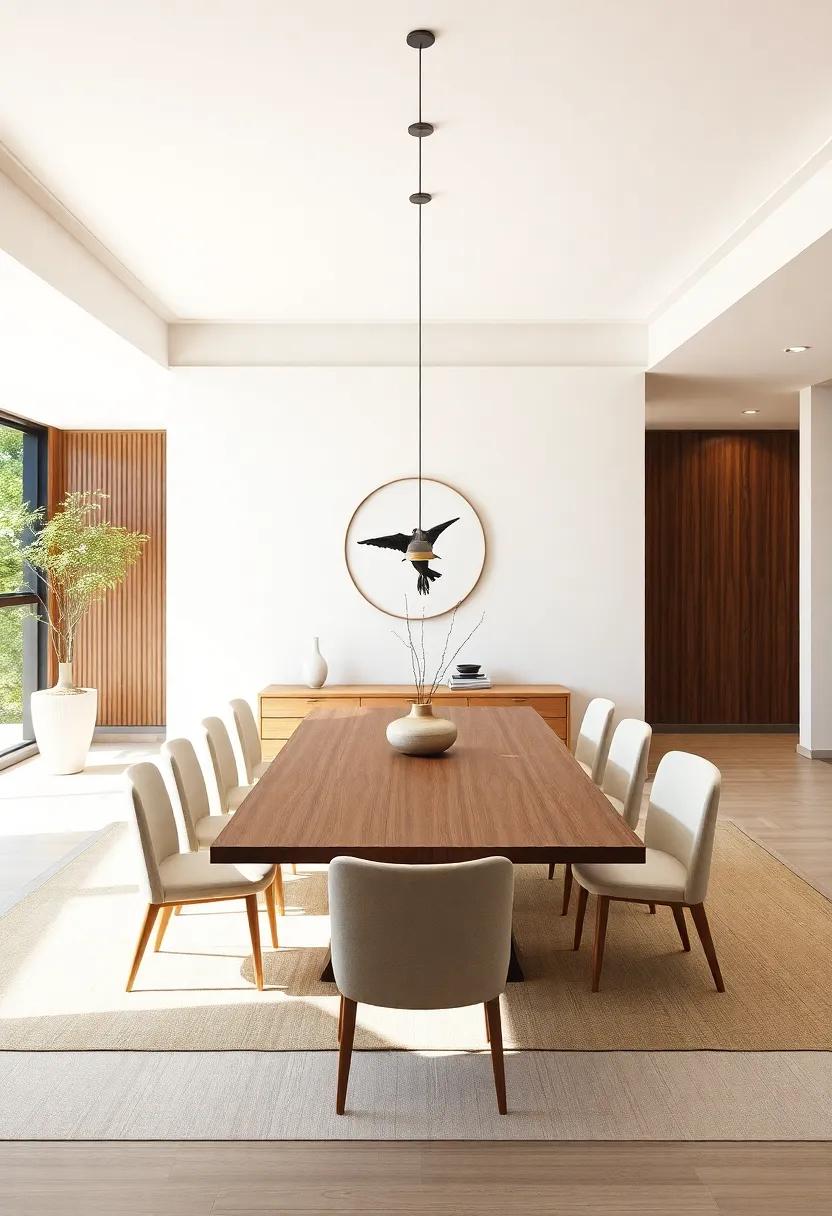
embracing simplicity in your dining room transforms it into a serene retreat. When selecting Zen furniture,consider pieces that reflect natural materials and clean lines. look for tables crafted from light-toned woods such as bamboo or maple, which not only exude warmth but also promote a sense of calmness. Complement these with minimalist chairs or as an alternative, Tatami mats, to encourage a grounded dining experience. Add elements that speak simplicity, like a low-profile dining table or even a Japanese chabudai to maintain clarity and space.
In choosing the right decor, opt for neutral color palettes that evoke tranquility.Soft whites, gentle earth tones, and muted greens can create an inviting atmosphere. Incorporating natural textiles, such as linen or cotton, can enhance comfort while supporting the theme of simplicity. Accessories should be kept to a minimum, as the focus should remain on the essence of the space. instead of overcrowding, consider a carefully arranged layout with a single statement piece, such as a handcrafted tea set or a minimalist vase filled with seasonal blooms, to complete the look while ensuring your dining area remains an embodiment of tranquility.
Splashes of Color: Subtle Accents in Japanese-Inspired Dining Decor
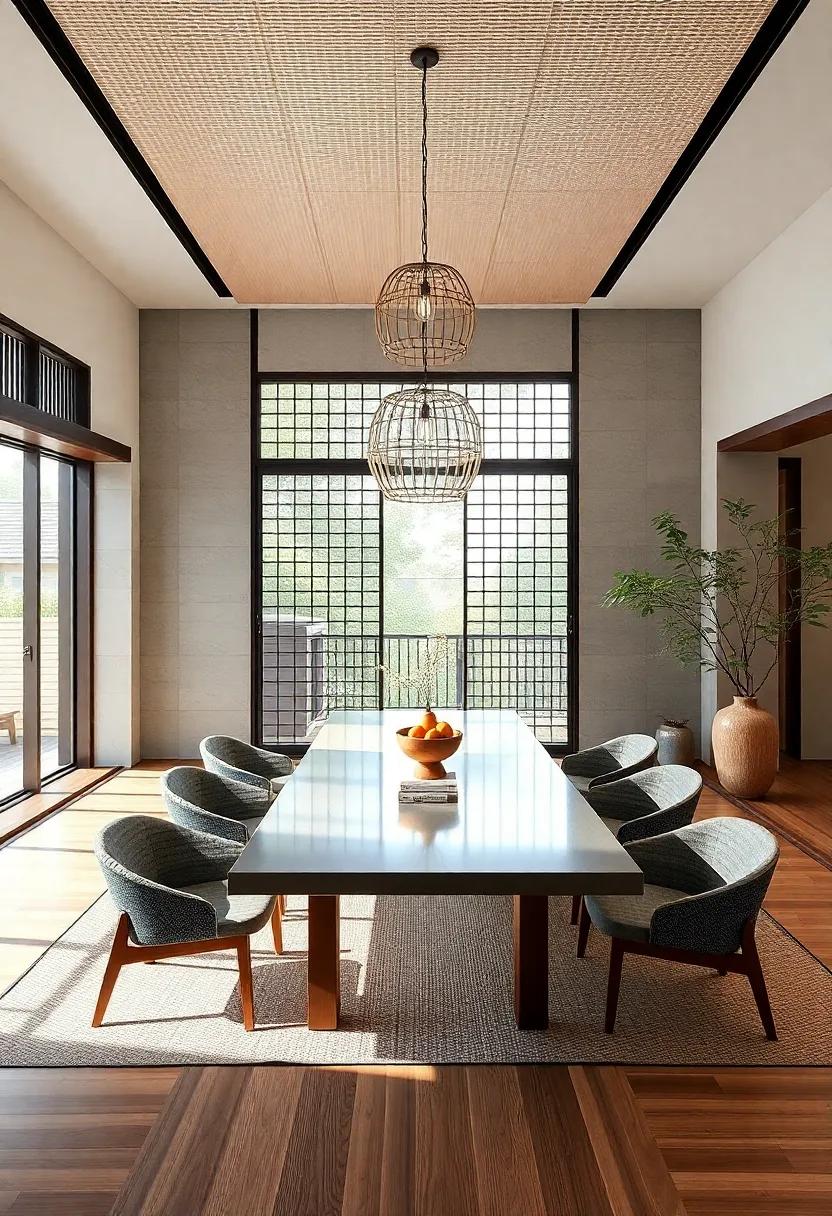
In a Japanese-inspired dining space, the essence of tranquility can be beautifully enhanced with splashes of color that serve as subtle accents. Consider incorporating natural hues that echo the beauty of Zen gardens and seasonal changes. Shades of soft greens, gentle blues, and muted earth tones can create a serene backdrop while infusing life into the space. Here are some ways to introduce color thoughtfully:
- Tableware: Opt for plates and bowls in serene pastels or deep indigos, drawing inspiration from traditional Japanese ceramics.
- Textiles: Use cushions or table runners in rich fabrics featuring subtle patterns, such as sakura blossoms or waves, to add warmth without overwhelming the senses.
- Art Pieces: Hang framed artworks that feature vivid landscapes or abstract expressions of nature, harmonizing with the overall aesthetic.
Color can also play a pivotal role in the choice of accessories within the dining area. Delicate ceramic vases or handcrafted lanterns can introduce hints of color that complement the space while maintaining the understated elegance characteristic of Japanese design.When selecting these items, consider the following:
| Accessory | Color Suggestion | Material |
|---|---|---|
| Ceramic vase | Soft Pink | Stoneware |
| Fabric Lantern | Muted Gold | Silk |
| Wall Art | Rich Green | Canvas |
Utilizing Negative Space to Foster Calm in Your Dining Area
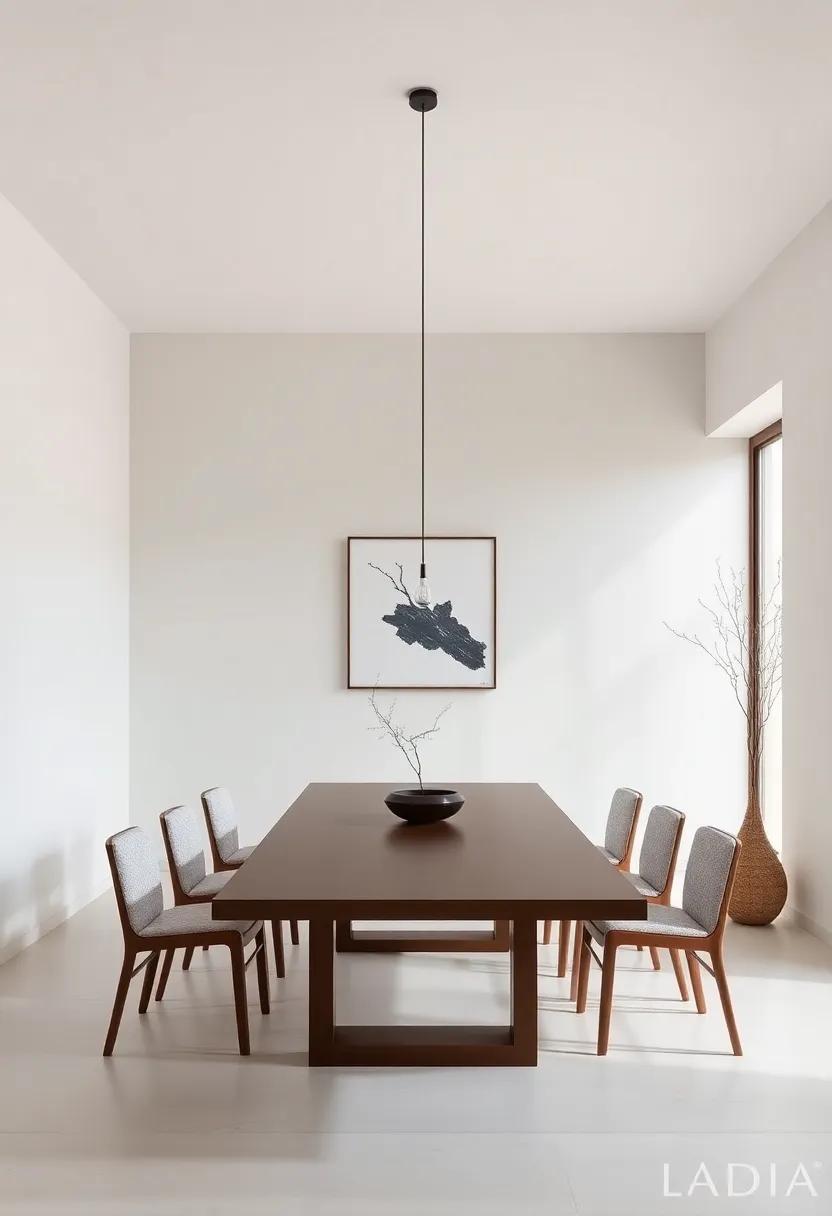
In the realm of Japanese Zen-inspired dining room designs, the concept of negative space plays a pivotal role in promoting a sense of peace and tranquility. By allowing areas of blank space,you give the eye room to rest and the mind a chance to breathe. This minimalist approach can be applied through various elements such as:
- Furniture Arrangement: Opt for fewer pieces, keeping only essential items that encourage fluid movement.
- Color Palette: Embrace soft, neutral tones that blend seamlessly to enhance the open feel of the room.
- Natural Elements: Incorporate untouched areas with natural materials like wood, stone, or plants to anchor the space.
The thoughtful placement of these elements guides the flow of energy within the dining area. As an example, consider using a low-profile dining table that allows ample space around it, contrasting against natural textures on the walls. To illustrate the harmony of negative space, a decorative element like a simple vase with a single blossom can serve as a focal point while maintaining the overall simplicity of the room. Here’s a quick comparison of design choices:
| Design Element | Impact on Space |
|---|---|
| Cluttered Layout | Disperses focus and increases visual noise |
| Minimalist Design | Enhances tranquility and underscores essential features |
Diverse Seating Options: Traditional and Modern Zen styles
Creating a serene dining experience involves selecting the perfect seating that resonates with the principles of Zen. Traditional options like tatami mats,low tables,and zabuton cushions encourage a sense of closeness and community,fostering mindful eating. These elements not only connect diners to the earth but also emphasize simplicity and functionality. Consider a setup that incorporates:
- Futons: Versatile and easy to store, these cushions provide comfort without sacrificing space.
- Chabudai: A low table that invites an informal and intimate dining experience.
- Zabuton: Floor cushions that add comfort while maintaining the minimalist aesthetic.
On the other hand, modern interpretations bring a fresh viewpoint to Zen dining. Clean lines and innovative materials offer a contemporary twist while retaining the essence of tranquility.Popular choices feature:
- Minimalist Chairs: Sleek, ergonomic designs that support proper posture without clutter.
- Adjustable Tables: Flexible height options enhance functionality while preserving a clean look.
- Natural Materials: Furniture crafted from wood or stone emphasizes organic beauty, harmonizing with Zen philosophy.
To illustrate a blend of both styles, here’s a simple comparison:
| Feature | Traditional Zen | Modern Zen |
|---|---|---|
| Seating Type | Futon or Zabuton | Minimalist Chair |
| Table Height | Low | Adjustable |
| Material | Natural Fabrics | Mixed Media |
Inspired by Nature: Using Indoor Plants in dining Room Designs
Integrating indoor plants into dining room designs not only enhances the aesthetic appeal but also fosters a tranquil atmosphere reminiscent of the Japanese Zen philosophy. By selecting plants that emphasize simplicity and natural beauty, you can create a sanctuary that promotes mindfulness during meals. Consider using bamboo or peace lilies for their elegant shapes and air-purifying qualities. Arrange them in minimalist, earthy planters to maintain a sense of harmony. Succulents, with their low maintenance needs, can also add an organic touch to the dining table, serving as charming centerpieces.
To achieve an authentic Zen-inspired environment, it’s essential to pay attention to the layout and presentation of your greenery. Opt for plants that vary in height and texture to create visual interest without cluttering the space. A well-placed hanging terrarium or a small bonsai on a wooden side table can act as focal points that draw the eye while encouraging a feeling of serenity. Additionally, grouping plants in odd numbers can create balance and focus, evoking the natural asymmetry found in traditional Japanese gardens.
Crafting a serene Dining Experience with Water Features
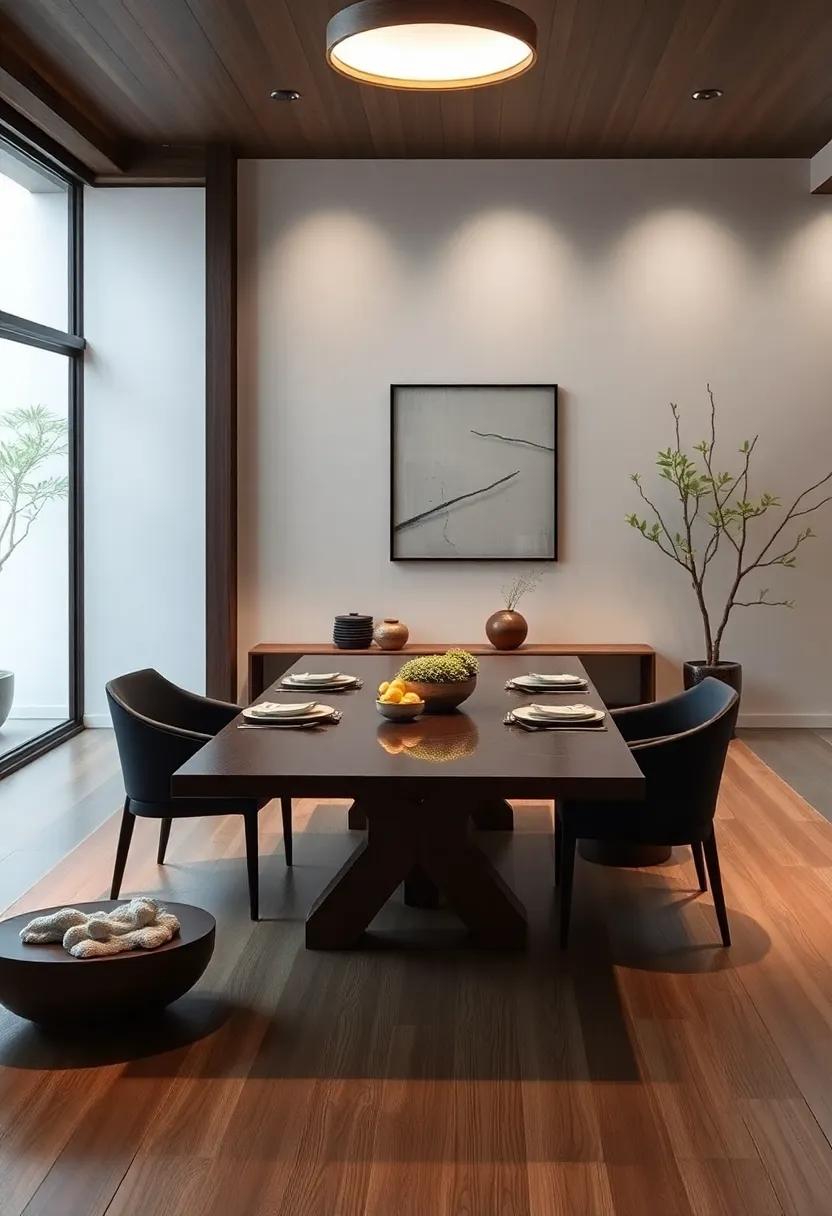
Incorporating water features into your dining space can elevate the atmosphere, creating a tranquil environment that resonates with the principles of Zen design. Consider these elegant additions to enhance the sensory experience of dining:
- Tabletop Fountains: A small, gently bubbling fountain can serve as a centerpiece, providing soothing sounds that promote relaxation.
- Water Walls: Large panels of flowing water can transform a plain wall into a stunning visual focal point, while also masking outside noise, helping diners to immerse themselves in their meal.
- Fish Tanks: A well-maintained aquarium can add movement and life to the room, creating a peaceful ambiance while connecting diners with nature.
Selecting and positioning your water feature thoughtfully is essential for achieving harmony in your dining area. A table with a gentle view of a natural pond or a decorative bowl of water with floating candles can create an inviting focal point. When designing the layout, keep in mind:
| Consideration | Impact |
|---|---|
| Placement of Water Features | Enhances flow and connection with nature |
| Sound Levels | Creates a calming backdrop to conversation |
| Lighting Considerations | Sets the mood and highlights water reflections |
The Importance of Scent in a Zen-Influenced Dining Atmosphere
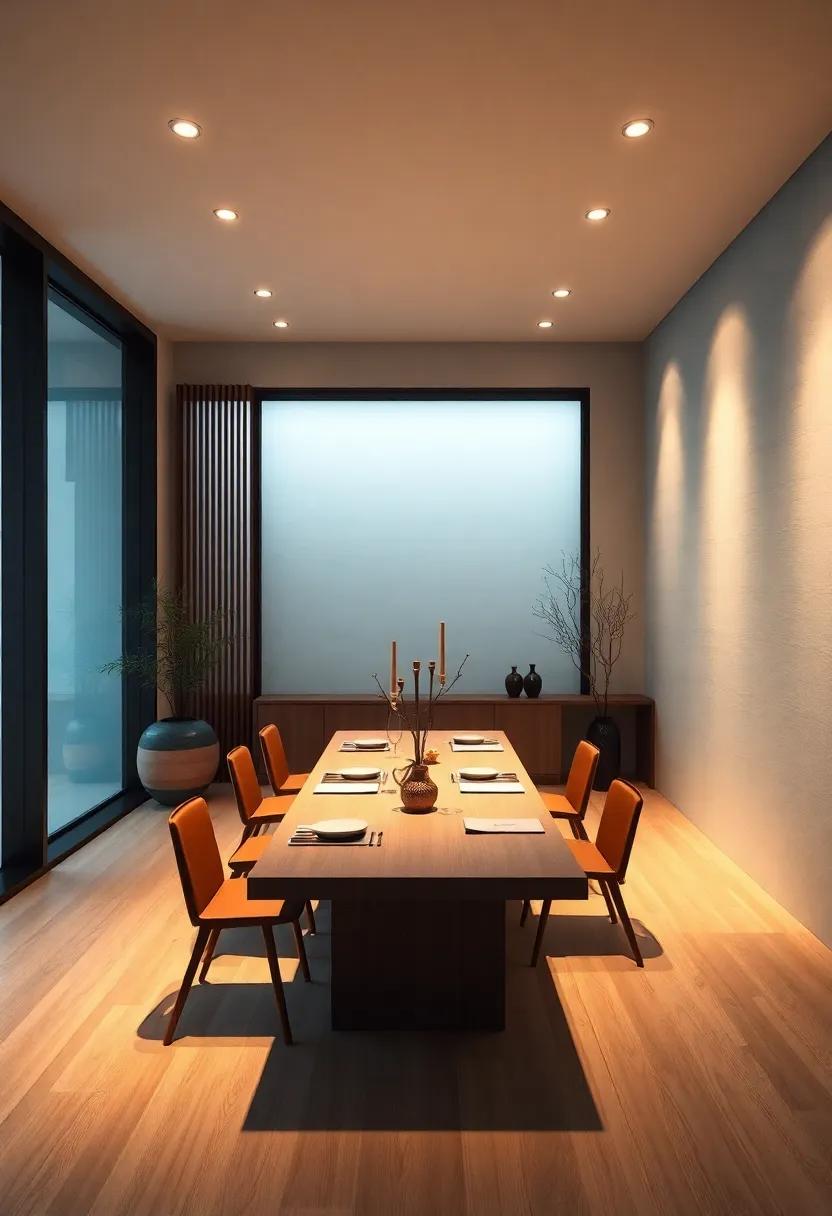
In a Zen-influenced dining atmosphere, scent plays a pivotal role in enhancing the overall experience. the right fragrance can transport diners to a realm of tranquility, promoting mindfulness and appreciation for the moment. Essential oils, such as sandalwood and lavender, can be subtly diffused throughout the space, fostering a calm environment that complements the aesthetic of simplicity and elegance. Additionally, incorporating scent through natural elements, such as fresh herbs or flower arrangements, connects diners more closely with nature, reinforcing the Zen philosophy of harmony with the environment.
Moreover,the strategic use of scent can evoke specific emotions,memories,and sensations,creating a memorable dining experience. A harmonious selection of aromas can be curated to align with seasonal ingredients or the theme of the meal, making each visit unique. Consider integrating these elements:
- Candlelight with botanical scents for a warm, inviting atmosphere.
- Subtle incense to offer a serene and holistic approach.
- Bamboo steamers releasing the aroma of fresh vegetables and rice.
- Scented essential oils in the dining space to enhance relaxation.
By carefully selecting and incorporating these scents, both owners and diners can elevate the dining experience into something profound, ensuring that each meal is not just about food but also about nurturing the senses in a serene environment.
Textures and Fabrics: Choosing Linens that Reflect Zen Principles
When curating linens for a Zen-inspired dining room, it’s essential to focus on natural fibers that embody simplicity and tranquility. Consider selecting fabrics such as:
- Linen: Known for its breathability and rustic charm, linen adds an organic touch.
- Cotton: Soft and versatile, cotton offers a gentle feel that complements minimalist aesthetics.
- Bamboo: Eco-friendly and smooth, bamboo fiber promotes a connection to nature.
In addition to choosing the right materials, the colors and textures of the linens play a pivotal role in fostering a serene atmosphere. Opt for a muted color palette that reflects calmness, such as:
| Color | effect |
|---|---|
| Soft Beige | Warm and inviting |
| Cool Gray | Soothing and stable |
| Earthy Green | Refreshing and grounded |
By thoughtfully combining these elements, your dining area can transform into a sanctuary that nourishes both the body and soul, perfectly aligned with Zen principles.
Earthy Color Palettes: Selecting Hues for Tranquil Dining Spaces
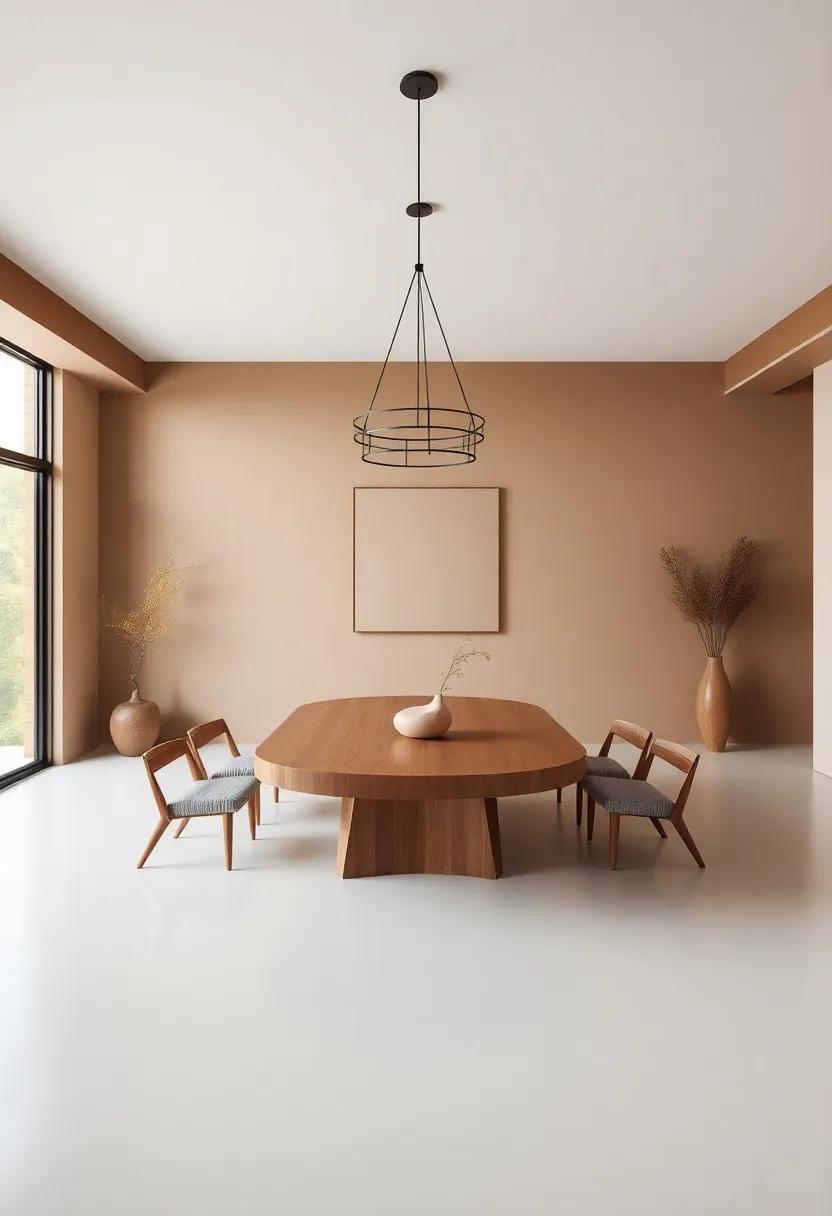
creating a serene dining atmosphere requires an intentional selection of colors that evoke calm and relaxation. Earthy tones serve as an excellent foundation for achieving this tranquility. Consider integrating hues such as soft taupes, muted greens, and warm terracotta into your dining space. These natural shades can be complemented by lighter accents like ivory or blush to maintain a fresh and inviting ambiance. Use these color inspirations to paint walls, select furniture, or choose decorative items that enhance the Zen aesthetic.
When it comes to pairing colors, think about how different shades interact to foster a harmonious environment. A well-balanced palette could comprise of a primary hue accented by complimentary tones to avoid overwhelming the senses. Consider the following combinations:
- Warm Beige paired with Forest Green
- Muted Peach contrasted with Truffle Brown
- Dusty Blue alongside Soft Gray
Additionally, the use of organic materials can further enhance the earthy palette. Wood, stone, and woven elements not only bring texture but also echo the natural world, making your dining area not just a place to eat but an experience that soothes the soul.
Incorporating Screen dividers for Privacy and Serenity
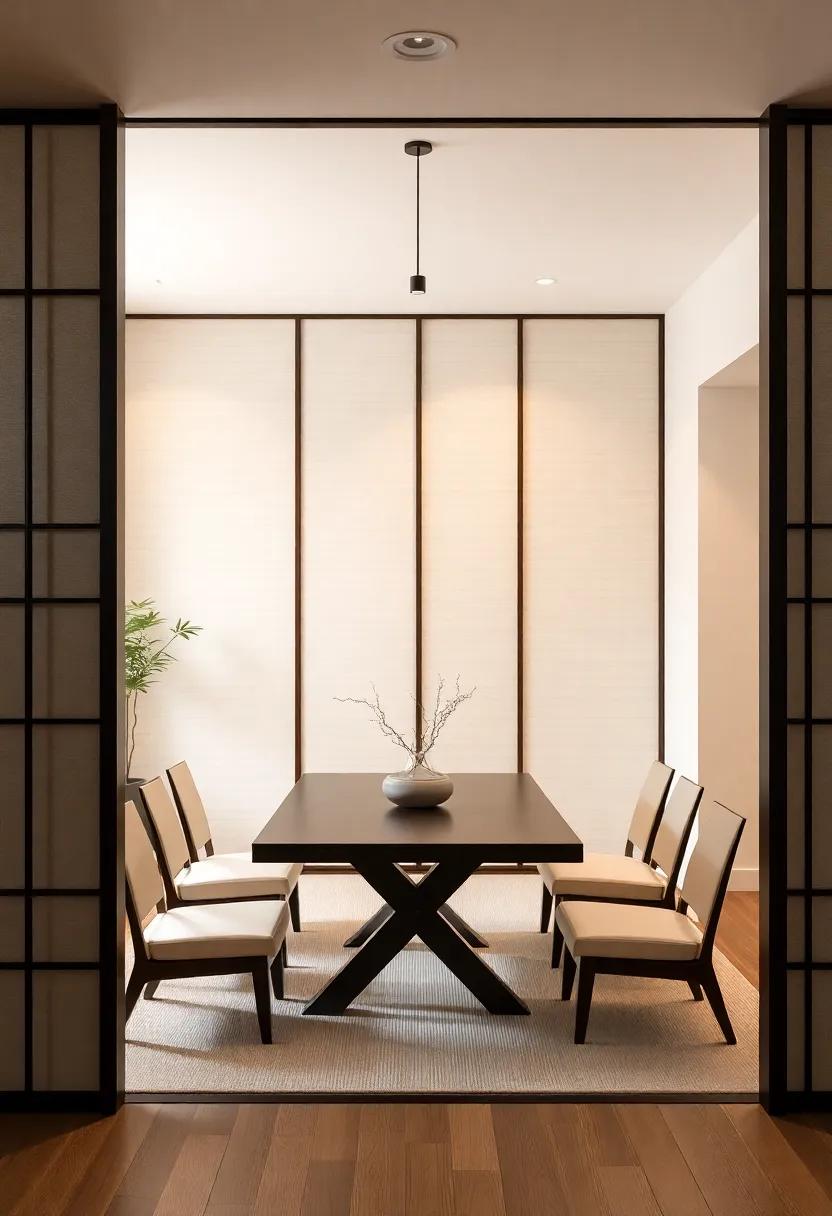
In the quest for tranquility within the dining space, screen dividers serve as both functional and aesthetic enhancements. These elements, frequently enough designed with natural materials like bamboo or wood, can seamlessly integrate into the Zen-inspired aesthetic by offering privacy while allowing light to filter through. When strategically placed, screen dividers not only define dining areas but also create intimate nooks that promote a sense of calm. Consider the following benefits of incorporating them:
- enhanced Privacy: screen dividers allow for private dining experiences without fully enclosing the space.
- Sound Absorption: They can help to muffle noise, creating a more serene atmosphere.
- aesthetic Appeal: Beautifully designed screens can serve as art pieces, incorporating traditional Japanese motifs.
To maximize the impact of these dividers, consider varying their height and design to generate visual interest and depth in your dining room. You may opt for folding screens that can be reconfigured as needed, allowing adaptability based on your gatherings. For a truly immersive experience, pair the screens with elements like tatami mats or low tables, emphasizing the serene and meditative qualities of Japanese design. Here’s a brief comparison of different types of screen dividers you might consider:
| Type of Screen | Material | Best Use |
|---|---|---|
| Shoji Screens | Rice Paper & Wood | light Filtration & Aesthetic Beauty |
| Folding screens | Bamboo or Wood | Flexible Space Division |
| framed Art Screens | Mixed Materials | Decorative Privacy |
Mindful Dining: Setting the Table with Zen Intentions
Creating a dining environment infused with tranquility involves a focus on simplicity and intentionality. To achieve this, consider integrating elements that promote a calming atmosphere. Begin with a natural color palette—soft hues of beige, green, and muted blues can create a soothing backdrop. incorporate organic materials like wood, stone, and bamboo, which resonate with the Earth’s energy. Essential features can include:
- Minimalist tableware: choose ceramic pieces with a matte finish for a serene dining experience.
- Soft lighting: Dim, warm lighting can enhance relaxation; consider lanterns or indirect LED sources.
- Nature elements: Fresh flowers, bonsai trees, or zen gardens can evoke a sense of peace.
To complete your mindful dining area, focus on the arrangement and space surrounding the dining table. Ensure there is ample room for guests to move freely, fostering connection and comfort. A low table with floor seating can enhance intimacy and encourage shared experiences. when setting the table, consider the following layout:
| Element | Description |
|---|---|
| Table | Low-profile, rectangular shape made of reclaimed wood. |
| Seating | Comfortable cushions in natural fabrics on tatami mats. |
| Centerpiece | A small, elegant vase with seasonal blooms. |
Uncovering the Impact of Shape and form in Zen Furnishing
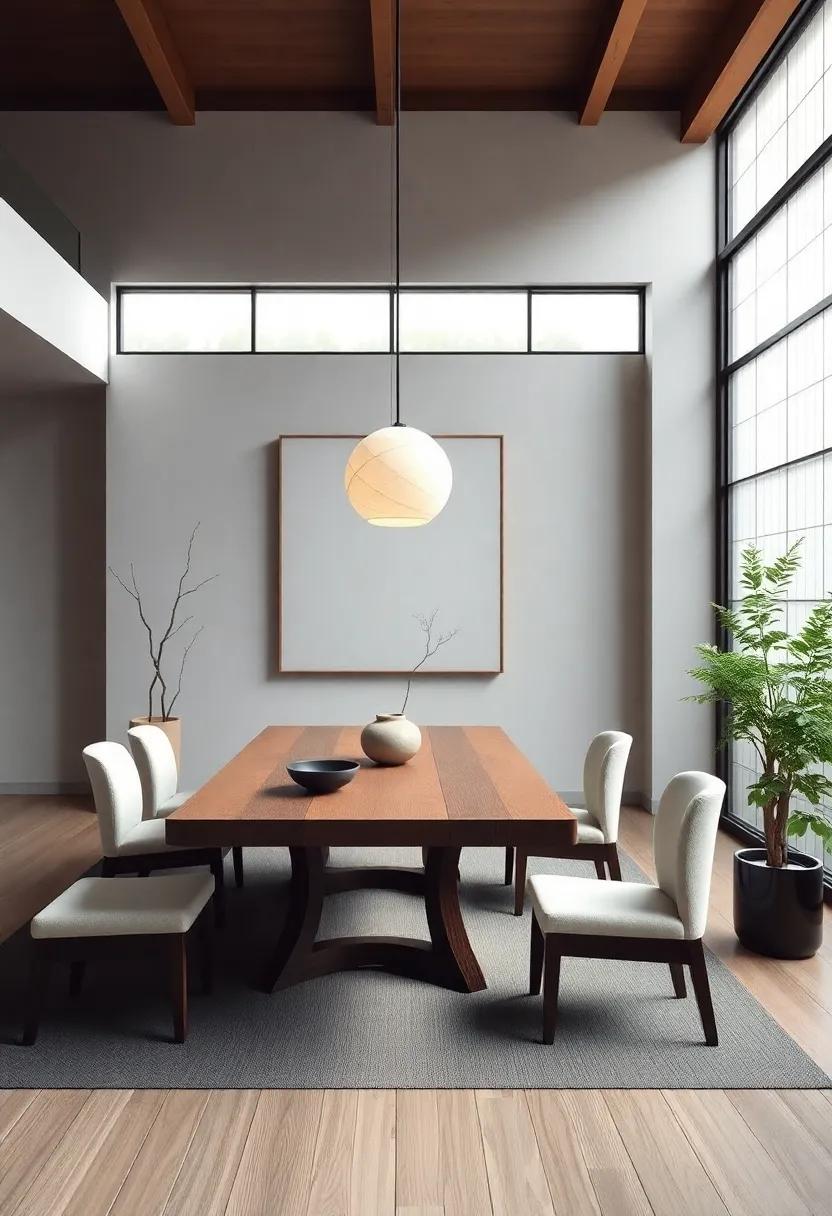
In the realm of Zen-inspired design, the significance of shape and form cannot be overstated. Each element within a dining room plays a pivotal role in cultivating a sense of tranquility and balance. The choice of materials and the lines of furniture shape the overall atmosphere, encouraging mindfulness and a connection to nature.A few key aspects include:
- Natural Materials: Wood, stone, and bamboo contribute organic textures that evoke simplicity.
- Simplified Lines: Clean, uncluttered forms foster a soothing aesthetic that resonates with the principles of Zen.
- Low Profiles: Tables and seating positioned closer to the ground enhance a feeling of stability and groundedness.
Moreover, the interplay of light and shadow created by these shapes adds depth to the dining space. Thoughtful placement of furniture can create designated zones for different activities, whether it’s sharing a meal or engaging in quiet reflection.Consider the following design principles that elevate the dining experience:
| Design Principle | Description |
|---|---|
| Harmony | Strive for a cohesive look with a balanced arrangement of shapes. |
| Proportion | Use size variations to create visual interest without overwhelming the space. |
| Flow | Ensure easy movement through the area, allowing for peaceful transitions between activities. |
Nature-Inspired layouts for Intimate Dining Spaces
Creating an intimate dining space can be a tranquil experience, and nature-inspired layouts evoke the serene essence of Japanese Zen aesthetics. Imagine a dining room featuring a low rectangular table surrounded by tatami mats, offering guests a grounded connection with the earth beneath. The charm of natural materials—like bamboo and reclaimed wood—encourages a harmonious atmosphere. Enhance this setting with soft lighting such as paper lanterns or candles, casting gentle shadows that shift and dance, reminding diners of the playfulness of nature.
Incorporating greenery is essential for achieving this aesthetic. Strategically placed bonsai trees or succulents can act as living art pieces,while a simple indoor water feature introduces soothing sounds that invite relaxation. Consider the layout of your dining space: an open design allows for fluid movement and appreciation of the surrounding elements. To emphasize balance, keep decor to a minimal arrangement, letting the beauty of simplicity shine through. A curated selection of ceramic tableware can further reflect earthy tones and natural textures, encouraging mindfulness and connection during meal times.
Reflective Surfaces and their Role in Japanese Zen Design
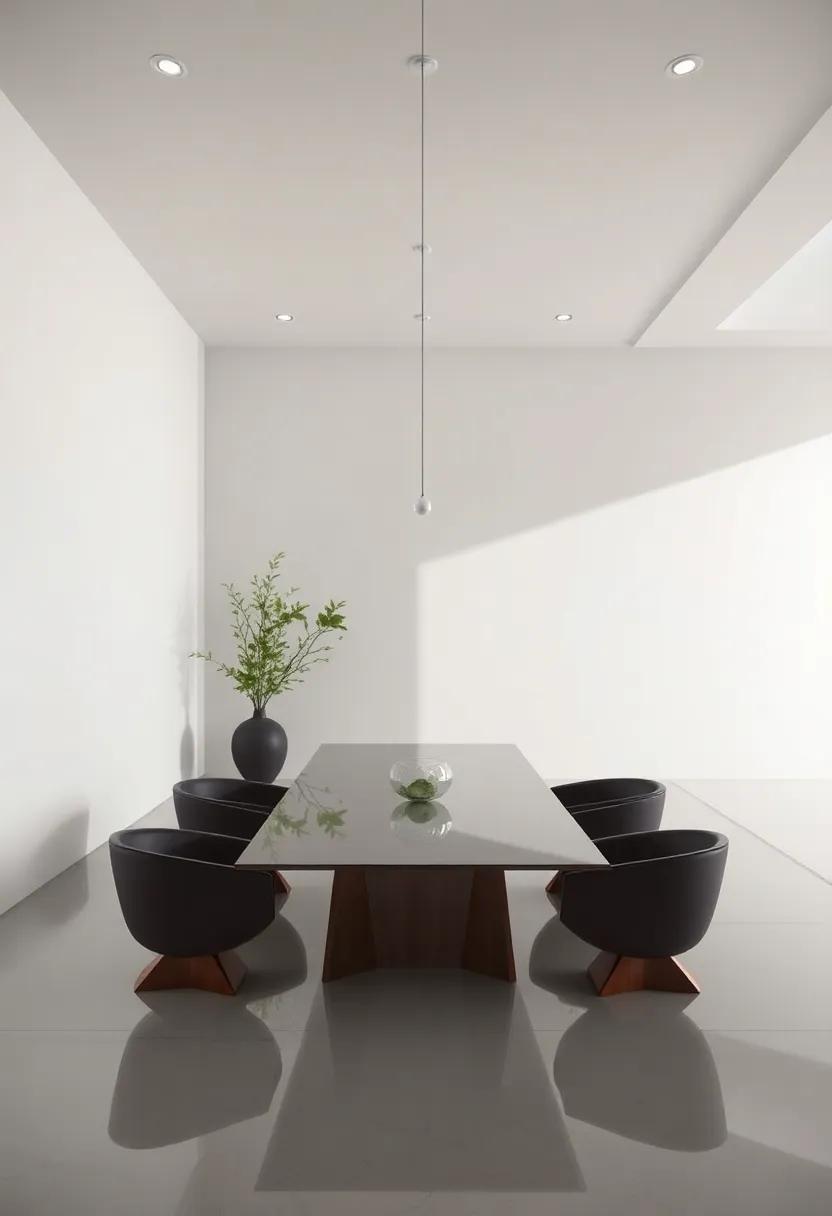
In the artful world of Japanese Zen design, reflective surfaces serve as more than mere aesthetic choices; they are integral to cultivating a sense of tranquility and harmony. The strategic use of materials like polished wood, glass, and metals creates a dialogue between light and space, leading to an environment that feels expansive and serene. Such surfaces not only enhance the visual flow of the dining area but also invite the natural beauty of the surroundings to blend seamlessly with the interior. This melting of boundaries fosters a tranquil connection to nature, emphasizing the Zen principle of simplicity.
Integrating reflective elements into your dining room can be achieved through various means, each contributing uniquely to the overall ambiance:
- Mirrored Furniture: Pieces such as side tables or credenzas can reflect light and space, energizing the atmosphere.
- Glass accents: Use glass panels in sliding doors or table tops to create depth and facilitate a soothing interplay of reflections.
- Textured Finishes: Employing materials with varying degrees of reflectiveness adds layers to the visual experience, invoking serene complexity.
Consider the following options for incorporating reflective surfaces into your dining room design:
| Element | Purpose |
|---|---|
| Mirrors | To amplify natural light and sense of space. |
| Glossy Finishes | To reflect surrounding colors and textures. |
| Water Features | To bring a tranquil sound and visual reflection. |
Exploring Cultural Influences on Contemporary Zen Dining Rooms
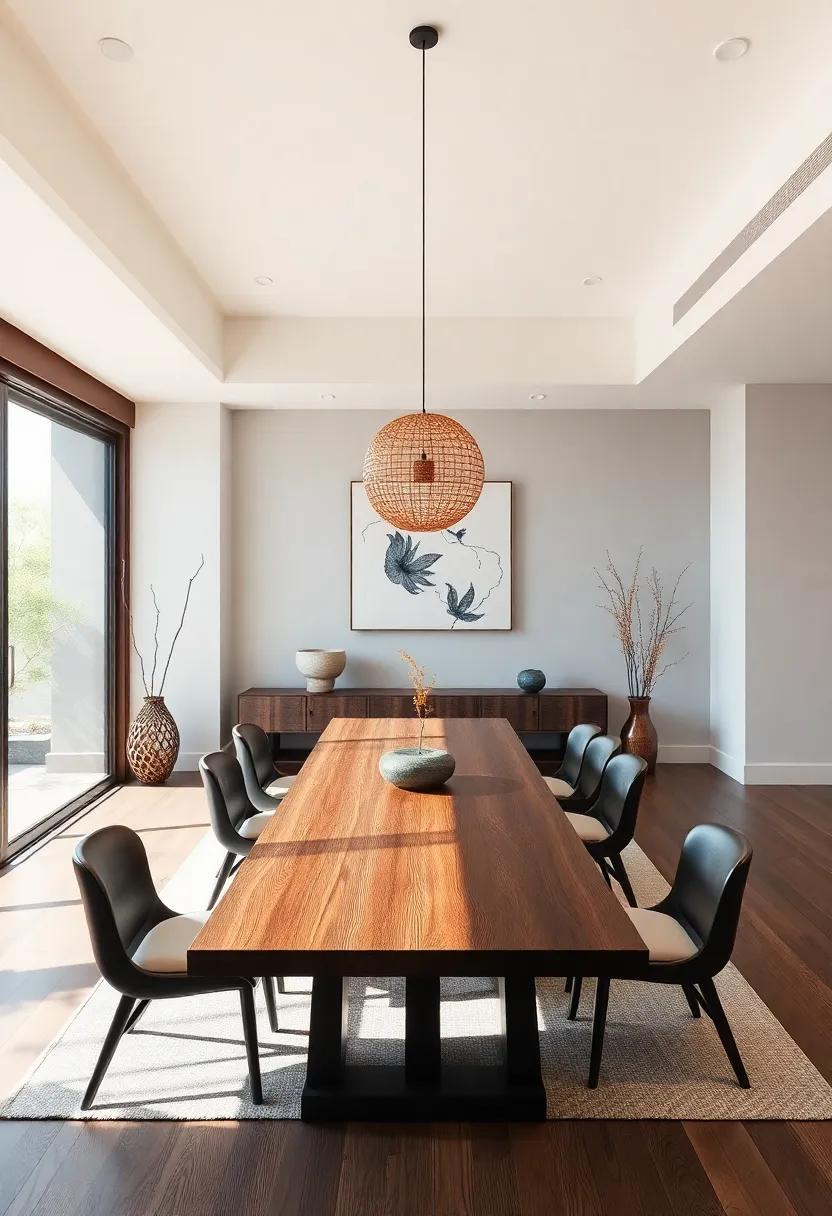
In the quest for tranquility within contemporary interiors, Zen dining rooms offer a unique canvas blended with cultural influences. From the minimalist aesthetics of traditional Japanese design, these spaces adopt elements that prioritize harmony and unity with nature. key features often include:
- Natural Materials: Wood, stone, and bamboo bring warmth and organic textures into the dining experience.
- Simplicity: Clean lines and uncluttered spaces echo the Zen philosophy of minimalism.
- Nature Integration: Large windows or sliding doors create a seamless transition between indoor and outdoor environments.
These rooms often reflect a fusion of cultural practices, incorporating influences from various Asian philosophies. Such as, the inclusion of specific decor items can enhance the meditative quality of the space. Consider a table adorned with:
| Decor Item | Cultural Significance |
|---|---|
| Potted Bonsai | Symbolizes patience and cultivation. |
| Sumi-e Ink Paintings | Emphasizes simplicity and the beauty of nature. |
| Zen Sand gardens | Encourages mindfulness and reflection. |
Creating a Cohesive Look with Zen-Inspired Artwork and Decor
To achieve a serene atmosphere in your dining room, incorporating Zen-inspired artwork and decor is essential. Focus on selecting pieces that embody simplicity and tranquility, such as minimalist prints featuring nature scenes or abstract depictions that evoke a sense of calm. Consider integrating elements made from natural materials, like bamboo and stone, to enhance the space’s organic feel. When arranging these artworks, aim for a balanced composition that creates visual harmony, drawing the eye towards focal points without overwhelming the senses.
Additionally, pay attention to color palettes that resonate with Zen philosophy. Soft, muted tones such as earthy browns, gentle greens, and subtle grays contribute to a cohesive look while promoting relaxation. Combine this with decor items like ceramic vases or handcrafted dishes that reflect traditional Japanese craftsmanship. Here are some elements to consider when curating your dining room decor:
- Natural wood furniture
- Soft textiles in neutral shades
- live plants for a touch of nature
- Artwork with zen themes
For a practical approach, you can even explore a complimentary color scheme using a simple table like this:
| Color | Emotion | Usage |
|---|---|---|
| Bamboo Green | Calm | Accent walls or decor |
| Sandy Beige | Warmth | Furniture |
| Soft gray | Balance | Textiles |
Secrets of Japanese Zen: Layering for Depth in Dining Spaces
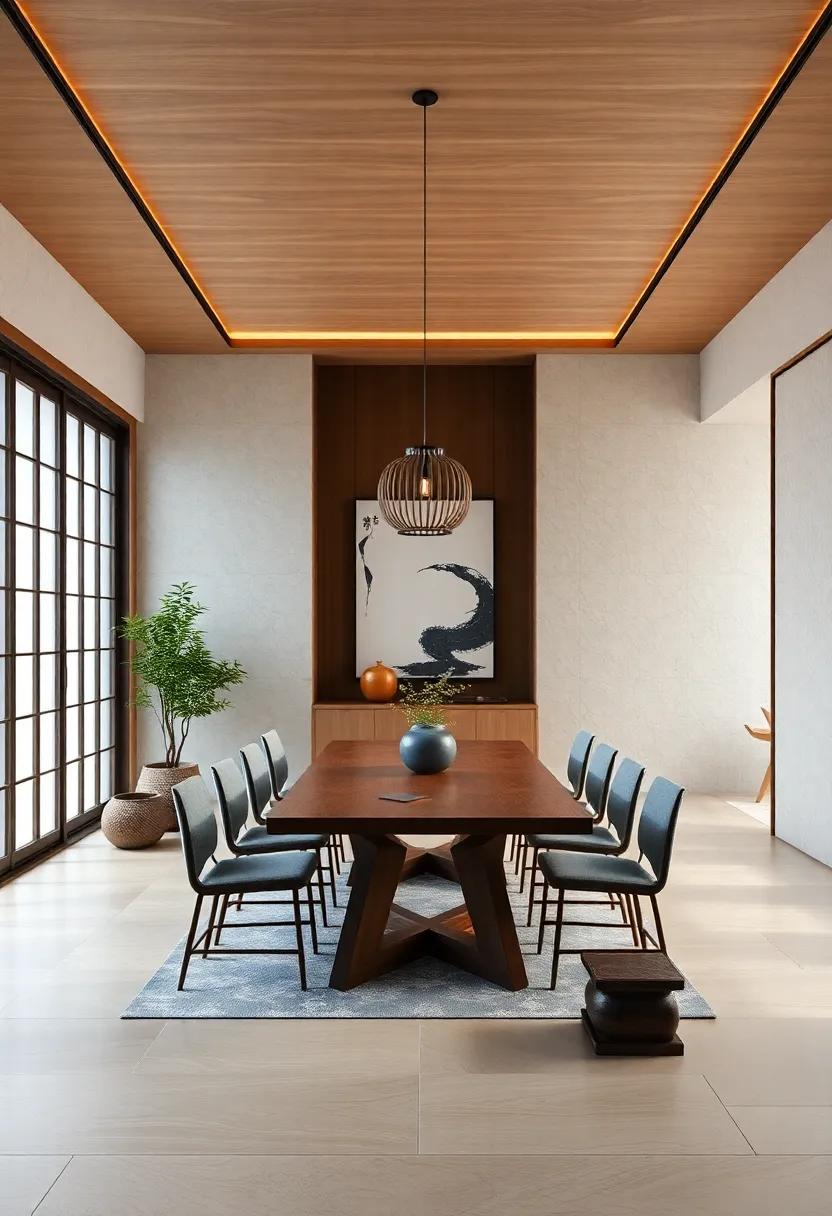
Japanese Zen design is celebrated for its ability to create a sense of peace and tranquility. To achieve this in dining spaces, consider layering elements that foster connection and comfort. Begin with a solid foundation using natural materials such as wood and stone, which ground the design in authenticity. Incorporate muted color palettes that reflect the serene hues of nature,such as soft greens,earthy browns,and gentle grays. These colors not only add depth but also enhance the calming atmosphere essential in Zen philosophy. Focus on simplicity by choosing clean lines and unobtrusive furnishings,allowing the space to breathe and promote relaxation.
Beyond materials and colors, pay careful attention to the placement of decor and functional items. Utilize open spaces to remove clutter and encourage a flow that mimics nature’s serenity. Thoughtful arrangements can include:
- Minimalist tableware—select pieces that emphasize form and function
- Natural elements—incorporate plants or flowers to bring life into the room
- Soft lighting—use paper lanterns or dimmable fixtures to create a warm glow
Creating balanced focal points is equally critically important, where a single artwork or a traditional vase can serve as a conversation starter without overwhelming the senses. By merging these elements, your dining space can transform into a sanctuary that embodies the essence of Zen living.
Finding Balance Between Tradition and Modernity in Your Dining Room
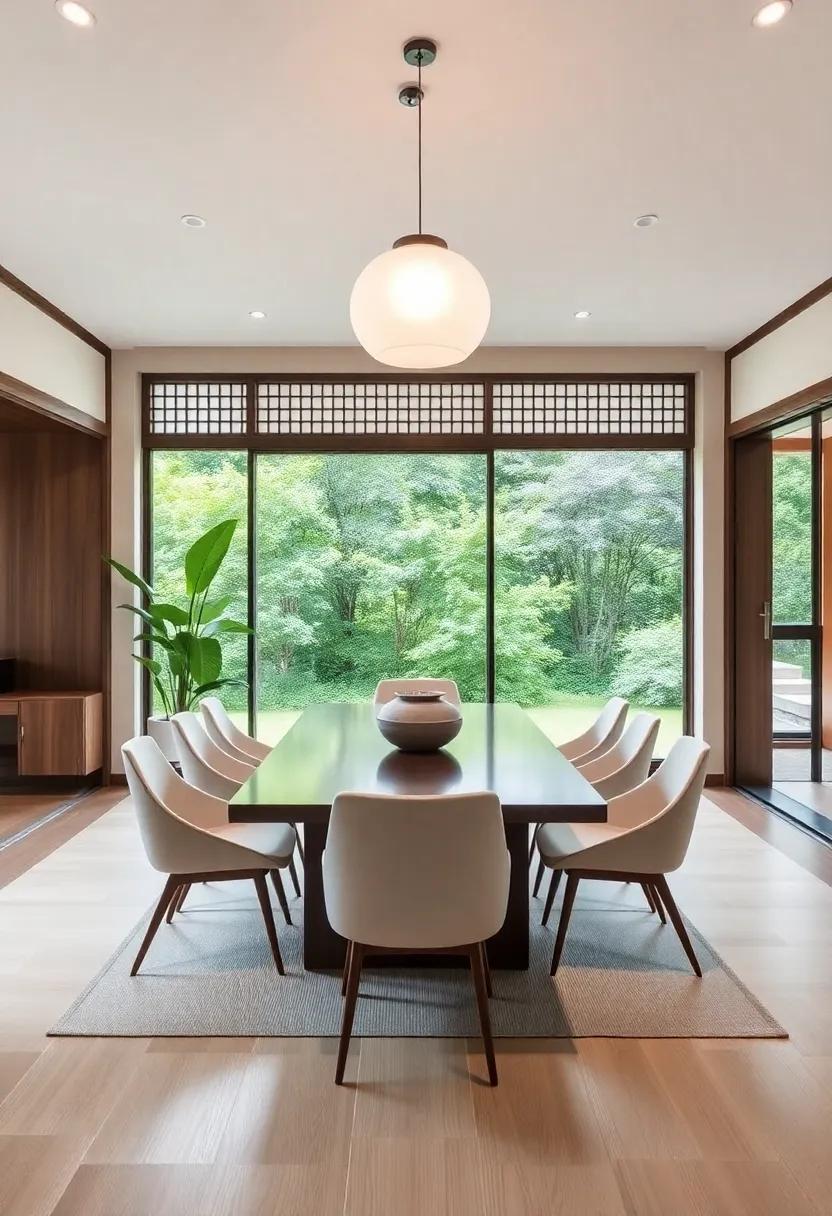
Creating a harmonious dining room that reflects both tradition and modernity can be a profound journey into design. Embracing the Zen philosophy, you can opt for minimalist furniture, enhancing the space with natural materials such as wood and stone. Soft color palettes, primarily inspired by nature, can ease the eye and mind, turning your dining area into a serene retreat. To achieve a balance, consider incorporating traditional elements like tatami mats or shoji screens, while introducing contemporary accents like sleek metallic light fixtures or abstract artwork. This blend not only pays homage to cultural roots but also caters to modern aesthetics, creating a space that’s inviting and timeless.
When integrating modern touches, remember to maintain a sense of open space. Consider the following design elements:
- Low Dining Tables: Encouraging a relaxed atmosphere.
- Natural Lighting: Large windows or sliding doors that blur the boundaries between indoors and outdoors.
- Greenery: Indoor plants or Zen-inspired gardens that add life and tranquility.
- Layered Textures: Combining the smoothness of modern surfaces with the warmth of traditional fabrics.
By thoughtfully selecting pieces that reflect both worlds, you can cultivate a dining environment that feels cohesive and considers the legacies of the past while confidently embracing the present.
A Journey Through Serenity: The Evolution of Japanese Dining Spaces
From the simplicity of a tatami mat to the serenity of a stone garden,Japanese dining spaces encapsulate an evolution of design that harmonizes with nature. Emphasizing minimalism and tranquility, these settings draw inspiration from traditional aesthetics, blending wood, paper, and natural light. The open layouts and unobtrusive furniture create an atmosphere where food is savored and conversations flow freely. Elements such as shoji screens and sliding doors not only divide spaces but also invite the outside in, allowing for evolving landscapes to become part of the dining experience.
Contemporary interpretations of these designs further refine the essence of calmness through thoughtful decor choices and sustainable materials. Key features to consider include:
- Natural Textiles: Incorporating linen, cotton, or silk for table settings.
- Earthy Color Palettes: Using soft hues inspired by seasonal changes.
- Symbolic Artworks: Adding calligraphy or ink paintings that reflect Zen philosophies.
- Indoor Plants: Keeping small bonsai trees or bamboo to enhance freshness.
The culmination of these elements transforms a mere dining area into a sanctuary for reflection and connection, allowing culinary experiences to flourish amidst a backdrop of serene beauty.
Meditative Moments: Designing Dining Rooms for Mindful Gatherings
Creating a dining room that invites mindfulness begins with an emphasis on simplicity and nature. By incorporating elements of traditional Japanese aesthetics, you can transform the space into a serene environment for dining and gathering. Consider utilizing a minimalist approach that favors clean lines and natural materials. Features such as tatami mats, low wooden tables, and floor cushions promote relaxation and intimacy, allowing conversations to flow organically. Enhance the ambiance with soft lighting from paper lanterns or lantern-like fixtures that can create a warm, inviting atmosphere. Additionally, using colors inspired by nature—like earthy tones and soft greens—can help ground the space, encouraging a sense of peace and tranquility.
Moreover, bringing nature indoors plays a vital role in fostering a mindful dining experience. Elements such as indoor plants, bamboo, or even a small water feature can stimulate a connection to the natural world, encouraging guests to slow down and appreciate their surroundings.To maximize this connection, consider designing the dining area with large windows that showcase a peaceful garden view, integrating the outdoors seamlessly into your daily life.Participation in thoughtful practices, such as presenting food on simple, handcrafted ceramics or arranging seasonal flowers in understated vases, can elevate the experience. To summarize key features, refer to the table below:
| Element | Purpose |
|---|---|
| Tatami mats | provide comfort and create a traditional atmosphere |
| Low wooden tables | Encourage intimacy and connection among diners |
| Soft lighting | Set a calming mood for conversation and relaxation |
| Indoor plants | Enhance the connection to nature and improve air quality |
The Role of Silence and Sound in a Zen Dining Room Environment
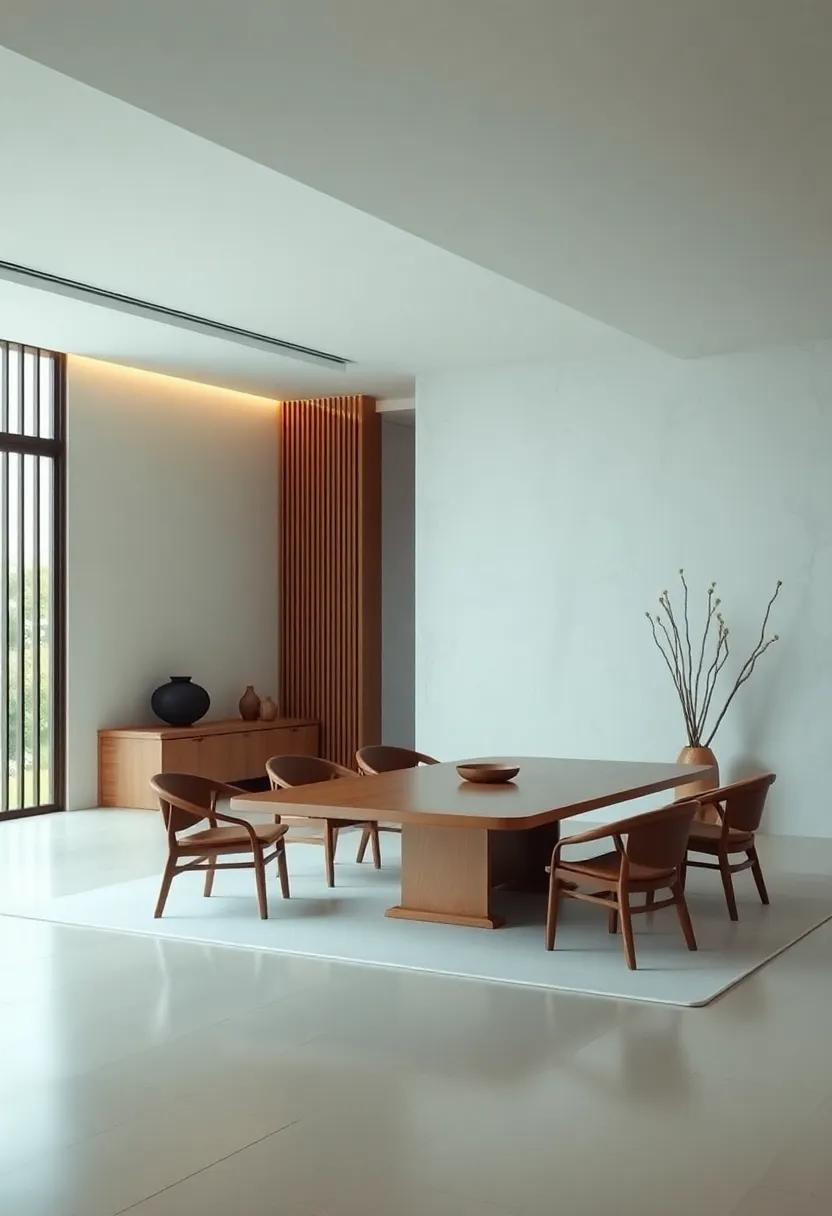
In the heart of a Zen dining room, silence serves as a canvas for the soul. The absence of noise allows for a deeper connection to the present moment, inviting guests to engage mindfully with their meal and surroundings.This tranquil atmosphere inspires individual reflection,making each dining experience not just about sustenance but a moment of inner peace.The minimalist design, characterized by natural materials such as wood and stone, enhances this quietude, allowing the soft rustle of fabric or the gentle clink of ceramic dishes to resonate more clearly, creating a subtle symphony of sound that complements the visual serenity.
Conversely, sound plays a pivotal role in cultivating a Zen dining experience by embodying the essence of nature itself. Soft, soothing background music or the faint sounds of water trickling from an incorporated feature can evoke a profound sense of calm. To further enhance this sensory experience, consider these elements:
- Natural Soundscapes: Incorporating sounds of nature, like birds chirping or leaves rustling, encourages a harmonious atmosphere.
- Mindful Eating: Encourage guests to eat quietly,savoring each bite to engage fully with flavors and textures.
- Soft Textures: Utilizing textiles that absorb sound can enhance the quiet, making the space feel more intimate.
As we conclude this exploration of Japanese Zen-inspired dining room designs, it becomes clear that these spaces are more than just areas for meals; they are sanctuaries of tranquility and mindfulness. By embracing the principles of simplicity, natural elements, and intentional design, one can cultivate an atmosphere that invites peace and reflection into everyday life.
In a world often filled with chaos, the allure of a serene dining experience beckons us to slow down, to appreciate each moment, and to reconnect with ourselves and those we share our meals with. Whether you’re drawn to the soft hues of tatami, the elegance of shoji screens, or the warm glow of natural wood, integrating these elements into your dining space can transform it into a haven of calm.
We hope this journey through the aesthetics of Zen has inspired you to reimagine your dining environment. As you embark on this design endeavor, remember that the ultimate goal is not just a beautifully arranged room, but a space that nourishes the soul and encourages connection—both with oneself and with others. Embrace serenity, and let the spirit of Zen infuse your home.