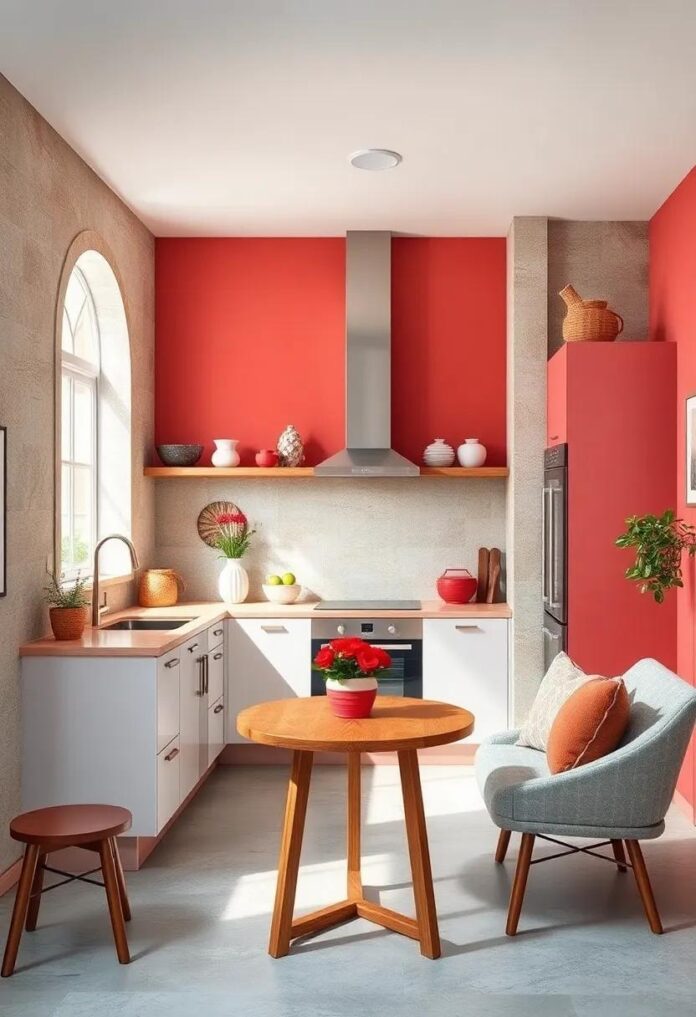

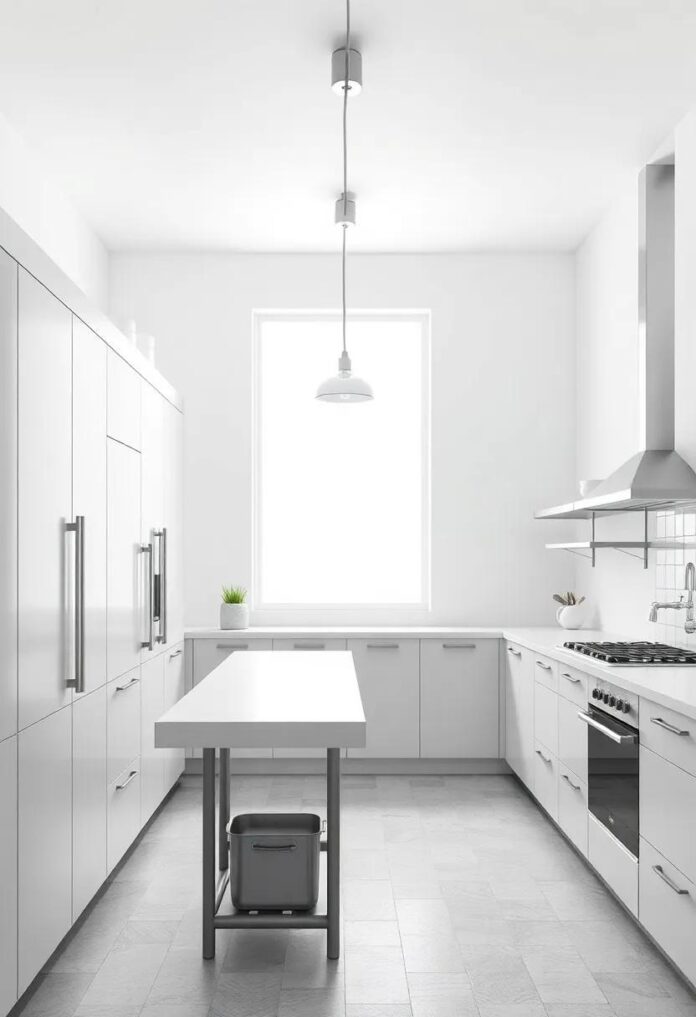
In today’s fast-paced culinary landscape, where every second counts and every meal must meet the highest standards, the role of industrial kitchen units has never been more pivotal. From bustling restaurants to large catering operations, these specialized workspaces are engineered to optimize efficiency, streamline operations, and elevate the overall cooking experience. Navigating the realm of industrial kitchen design can be a daunting task, as myriad factors come into play—from equipment selection to layout planning.In this essential guide, we will delve into the key components that contribute to a triumphant industrial kitchen unit, providing valuable insights and practical tips for chefs, restaurateurs, and culinary enthusiasts alike. Whether you’re starting from scratch or looking to enhance your existing setup, this guide aims to illuminate the path toward creating a kitchen that not only meets your needs but inspires culinary excellence. Join us as we explore the art and science of elevating efficiency in the heart of any food operation.
Streamlining Workflow Outlines for Optimal Kitchen Unit Operation
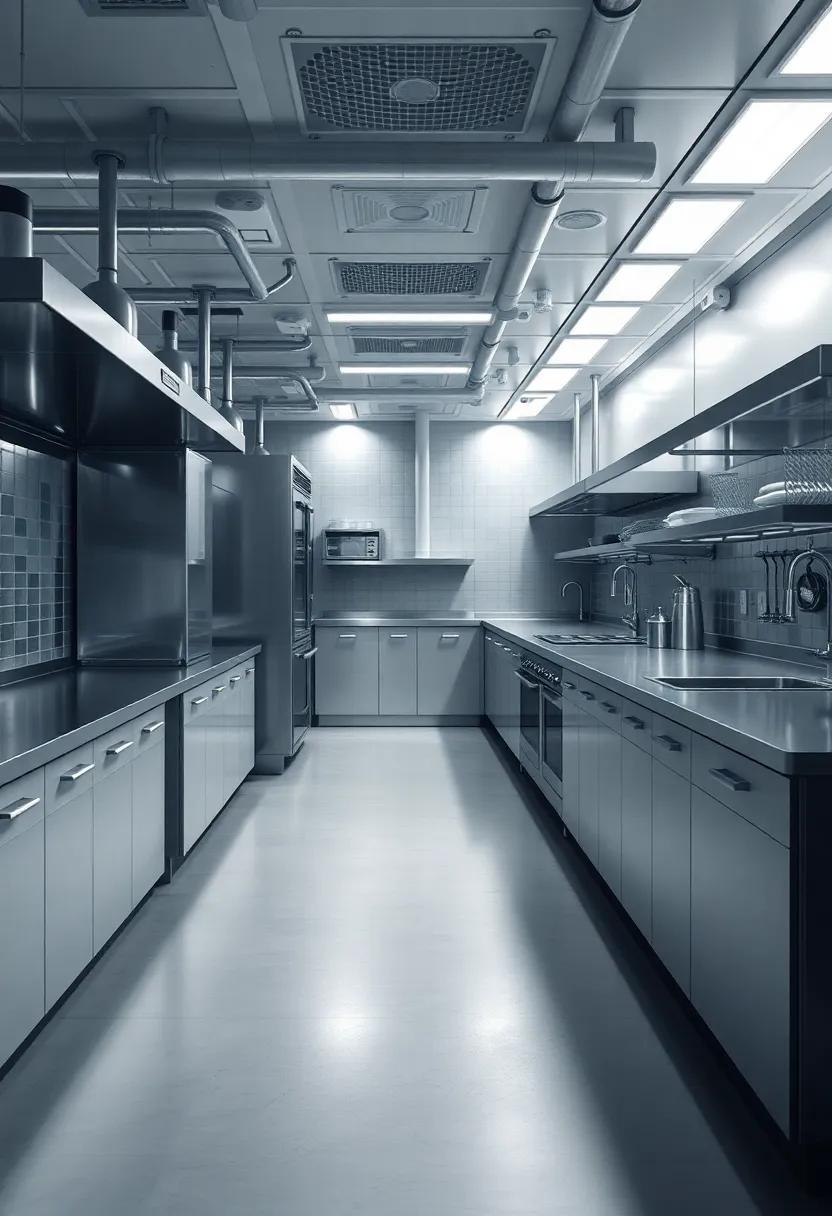
In today’s fast-paced culinary landscape, optimizing kitchen operations is essential for maintaining productivity and enhancing the dining experience. One effective approach involves creating clear and concise workflow outlines that help streamline processes.By establishing defined stations for food preparation, cooking, and plating, kitchens can minimize delays and reduce the risk of cross-contamination. Consider implementing the following strategies to boost efficiency:
- Standardized Recipes: Ensure all staff adhere to detailed recipe cards to maintain consistency.
- Task Rotation: Regularly rotate staff duties to keep engagement high and multi-skill your team.
- Visual Aids: Use labeled storage and visual management systems to enhance understanding and decrease retrieval times.
- Daily Briefings: Conduct quick meetings to discuss shifts, menu changes, and workload management.
implementing workflow outlines can further enhance operational efficiency by using strategic layout designs. An organized workspace reduces unnecessary movement and allows for smoother transitions between tasks.Below is a simple table illustrating how different layouts can impact kitchen efficiency:
| Layout Type | Pros | Cons |
|---|---|---|
| Assembly Line | Improved speed; defined roles | Limited adaptability; potential for monotony |
| Open Kitchen | Enhanced collaboration; openness | Distracting noise; potential space constraints |
| Zone-Based | Efficient task management; minimized movement | Requires careful planning; can be rigid |
Crafting a Cohesive Design Aesthetics for Industrial Kitchen Spaces
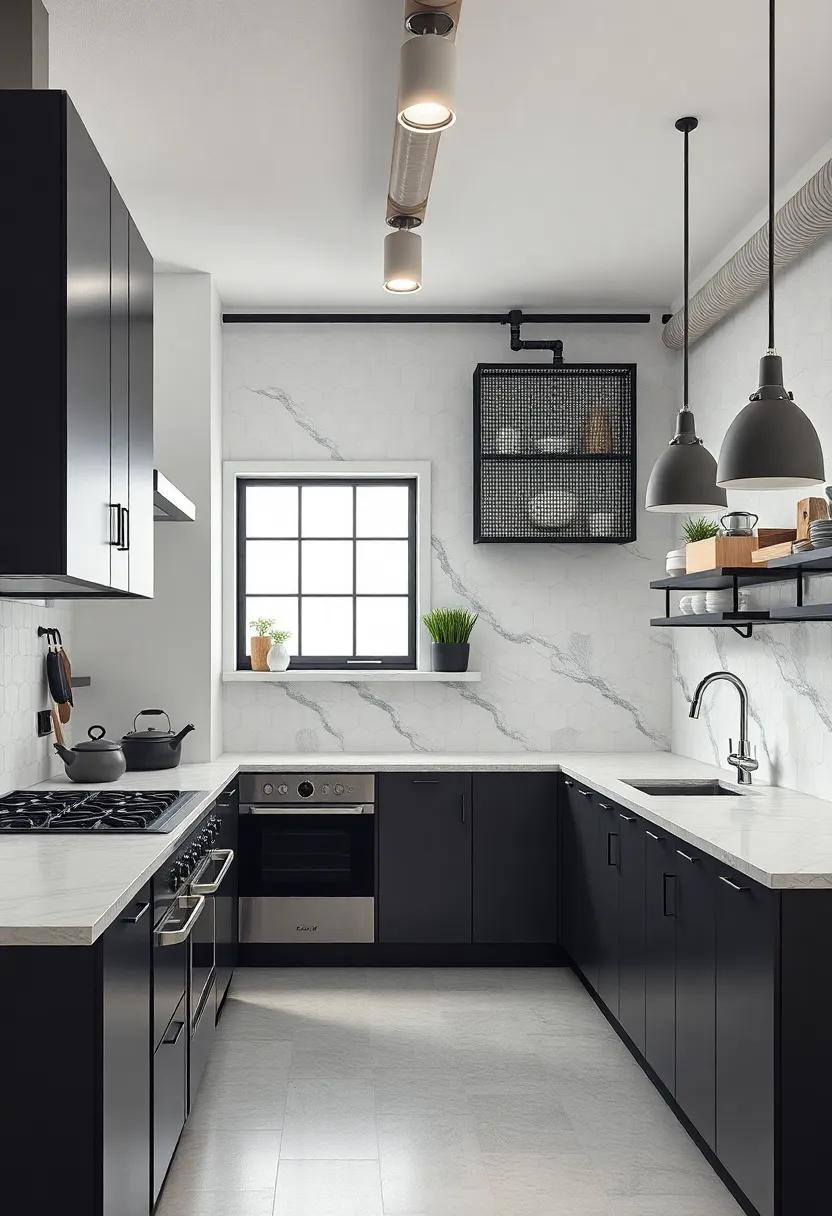
Creating a seamless design aesthetic in industrial kitchens goes beyond mere visual appeal; it enhances functionality and boosts workflow efficiency. To achieve this, consider maintaining a consistent color palette that resonates with industrial themes—think deep grays, steel blues, and muted whites. Incorporate textural contrasts, such as polished metal against rough-hewn wood or stone surfaces, to add warmth and interest. Additionally, leveraging open shelving made from reclaimed materials can not only serve as a practical storage solution but also contribute to the overall design narrative, marrying utility with style.
Equipping the space with the right tools and appliances contributes significantly to the cohesive look. Opt for stainless steel finishes that reflect professionalism while resisting wear and tear. The integration of modular units allows for flexible layouts that can adapt to different culinary needs. Investing in easily accessible work surfaces and strategically placed equipment will foster fluid motion, ensuring that the space is as efficient as it is aesthetically pleasing. Below is a simple visual guide to key elements:
| Element | Purpose |
|---|---|
| Open Shelving | Functional display that enhances accessibility |
| Stainless Steel Appliances | Durable and easily maintained surfaces |
| Modular Workstations | flexible setups for diverse cooking tasks |
| Shining Lighting | Increases visibility and boosts productivity |
Innovative Storage Solutions for Maximizing Kitchen Efficiency
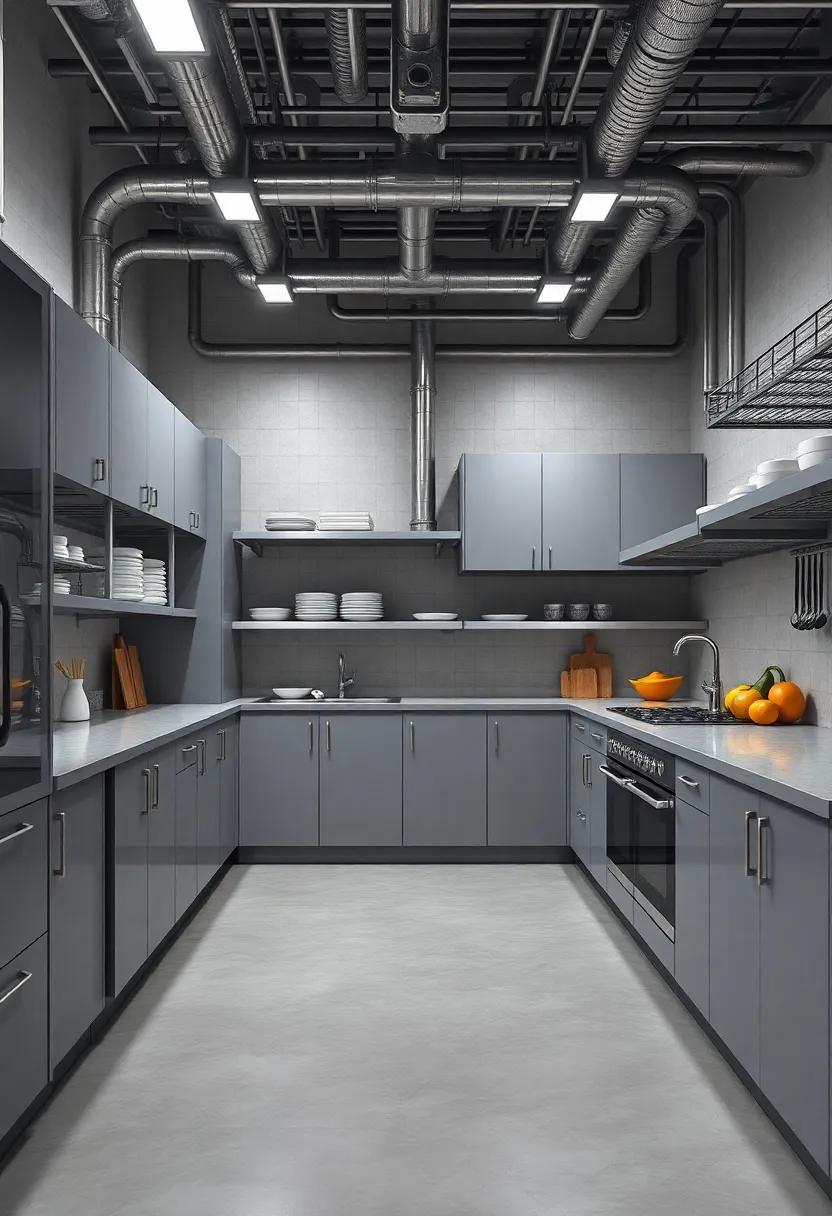
In the bustling surroundings of an industrial kitchen, maximizing every inch of space is essential for maintaining a streamlined workflow. One of the most effective ways to achieve this is through innovative storage solutions that create harmony between accessibility and efficiency. Consider implementing modular shelving systems that can be customized to fit unique kitchen layouts. These shelves not only provide ample storage for ingredients and equipment but can be easily reconfigured as your kitchen’s needs evolve. furthermore,deep drawer units allow chefs to access utensils and tools quickly,reducing time spent searching through cluttered cabinets.
Another exciting approach to enhance kitchen efficiency is to utilize vertical space. Hanging racks and magnetic strips can turn walls into functional storage areas, keeping frequently used items like pots, pans, and knives within arm’s reach. Additionally, pull-out pantry systems can transform narrow spaces into organized storage solutions for dry goods, making it easier for staff to quickly locate essentials. To illustrate these concepts, the table below summarizes various storage solutions and their benefits:
| Storage Solution | Benefits |
|---|---|
| Modular Shelving | Customizable and adaptable to changing needs |
| Deep Drawer Units | Quick access to utensils, reducing kitchen clutter |
| Hanging Racks | Maximizes wall space while keeping items visible |
| Pull-Out Pantry Systems | Efficient use of narrow spaces for dry storage |
Selecting durable Materials for Long-lasting Kitchen Unit Functionality
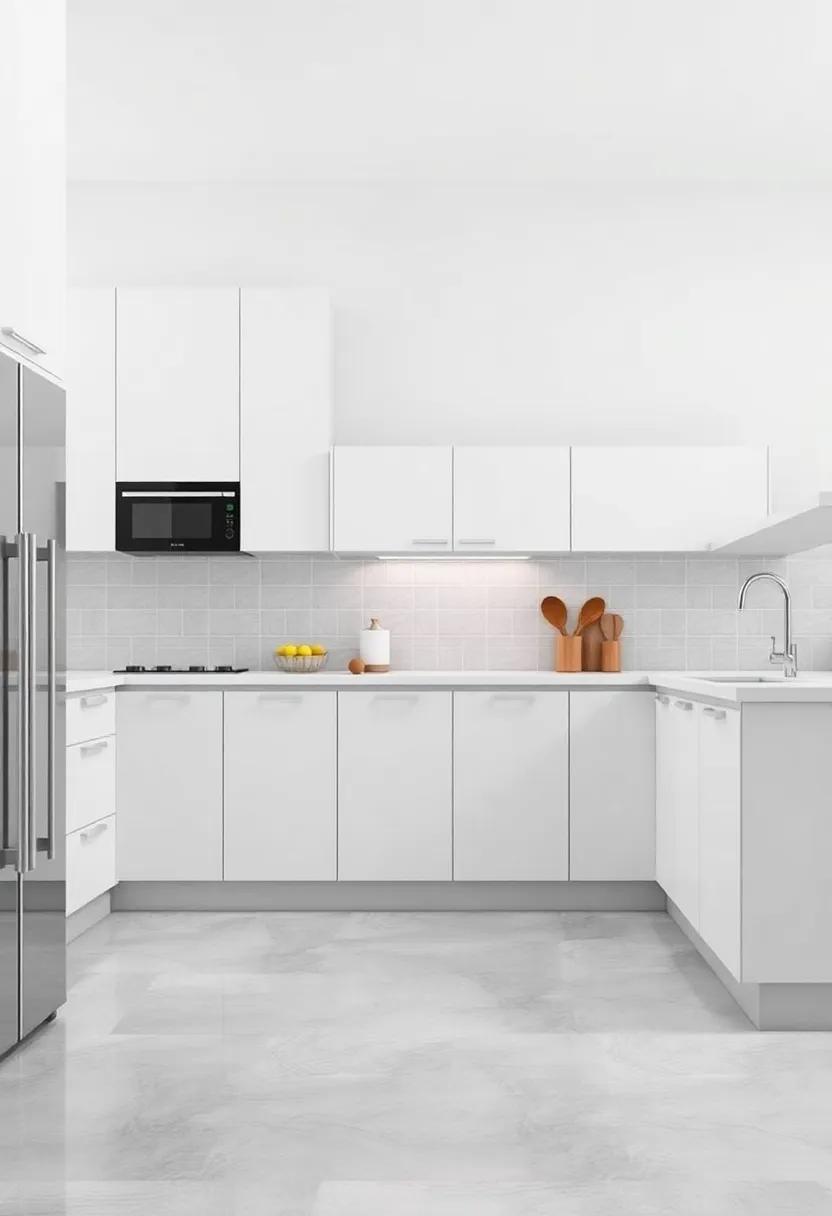
When it comes to industrial kitchen units, the selection of materials plays a crucial role in ensuring longevity and functionality. Stainless steel emerges as the cornerstone of any durable kitchen design. Renowned for its resistance to rust, corrosion, and staining, this material not only enhances the aesthetic appeal but also stands up effectively to the daily rigors of a bustling kitchen. Other noteworthy choices include laminate surfaces offering a versatile blend of durability and easy maintenance, as well as wood options that can add warmth and richness while still providing long-lasting functionality when treated properly.
Incorporating a variety of materials can optimize performance while maintaining cost-effectiveness. Consideration should be given to the following factors when selecting materials:
- Heat Resistance: Ensuring materials can withstand high temperatures.
- Ease of Cleaning: Selecting surfaces that are simple to maintain and sanitize.
- Wear Resistance: Choosing sturdy materials to handle the impact of heavy use.
- Aesthetic Compatibility: Ensuring materials complement overall kitchen design.
Furthermore, utilizing a comprehensive table to summarize the key attributes of various materials can assist in making informed decisions:
| Material | Durability | Maintenance | Cost |
|---|---|---|---|
| Stainless Steel | High | Low | Medium |
| Laminate | Medium | Low | Low |
| Wood | Medium | Medium | High |
The Role of Advanced Technology in Enhancing Kitchen Efficiency
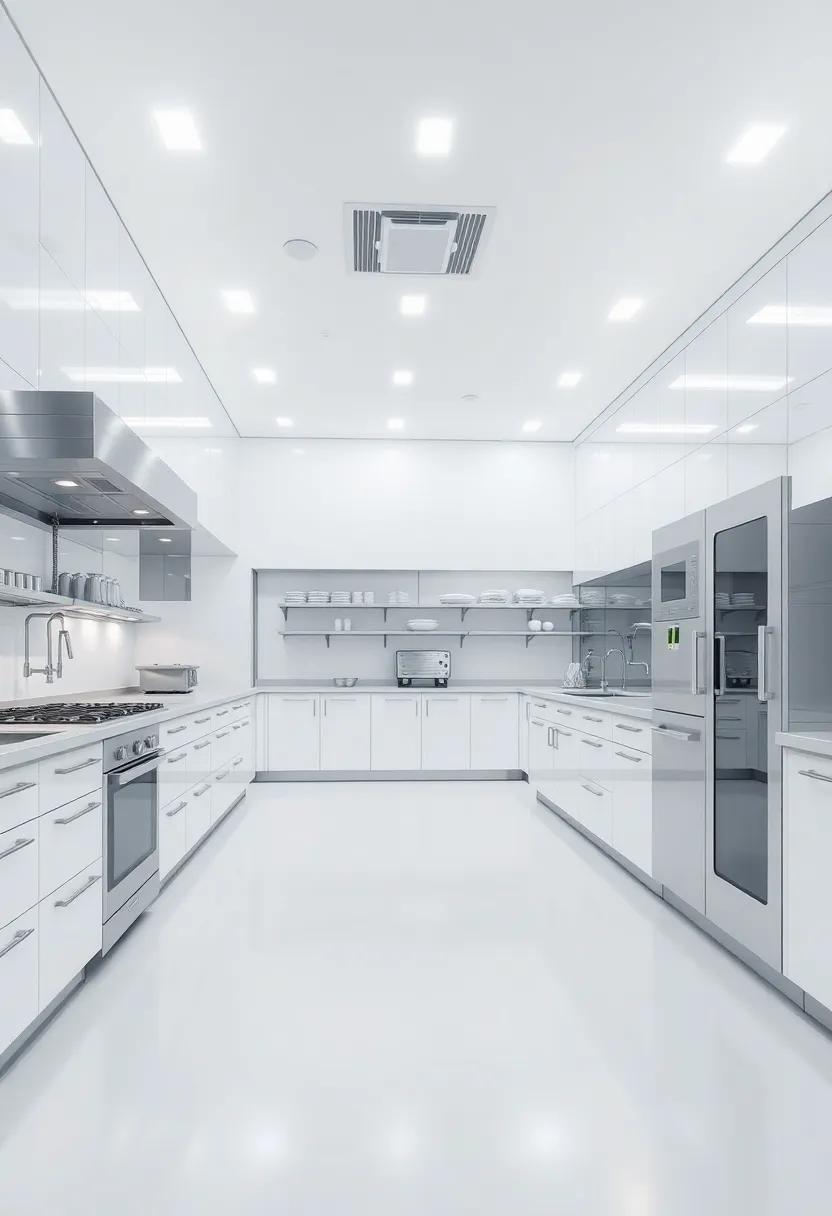
In today’s fast-paced culinary environment, the integration of cutting-edge technology is revolutionizing the way kitchens operate. Advanced kitchen equipment not only streamlines cooking processes but also significantly boosts productivity. With features such as automation and smart controls, chefs can focus on creativity rather than routine tasks.For instance, programmable ovens enable precise cooking settings, while smart refrigerators monitor inventory in real-time, helping reduce waste and optimize ingredient usage. The adoption of dishwashing robots cuts down on labor hours, allowing staff to concentrate on food preparation and customer service.
Moreover, data analytics tools have emerged as essential in enhancing operational efficiency.By collecting and analyzing performance metrics,kitchen managers can build a more responsive approach to menu design and order management. This leads to enhanced workflow and minimized delays. Essential technologies include:
- inventory Management Systems: Track stock levels and predict inventory needs.
- Point of Sale (POS) Systems: Streamline orders and payments efficiently.
- Kitchen Display systems (KDS): Improve interaction between kitchen staff and wait staff.
Utilizing these advanced tools not only improves the speed of service but also elevates the standard of food preparation, ensuring each dish maintains high quality and consistency.
Sustainable Practices in Kitchen Unit design for Eco-Friendly Operations
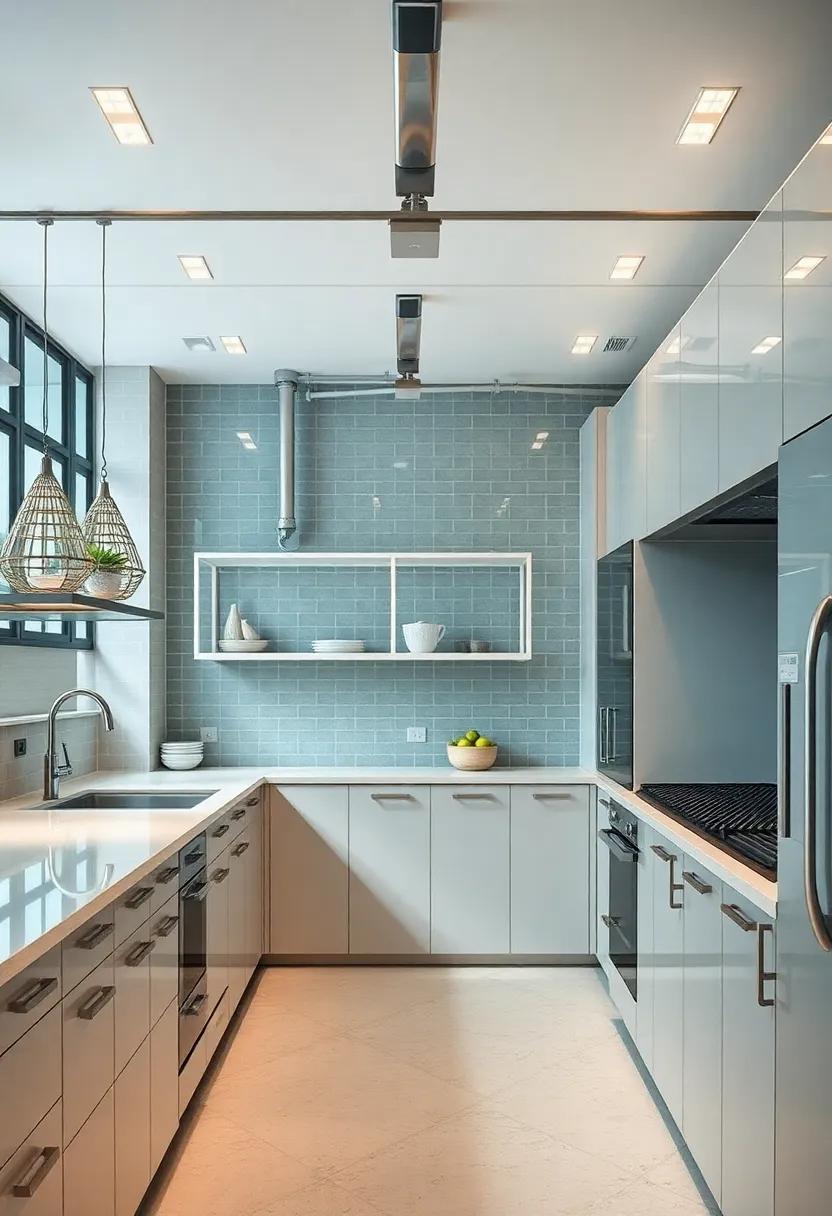
In the realm of kitchen unit design, sustainability is increasingly becoming a mainstay rather than a concept. Choosing eco-friendly materials is essential in creating kitchen units that not only serve their purpose but also contribute to environmental sustainability. Consider selections such as bamboo, reclaimed wood, or recycled stainless steel.These materials not only reduce the ecological footprint but also provide a unique aesthetic charm that can elevate the overall ambiance of the kitchen. Additionally, incorporating features like energy-efficient appliances ensures that the kitchen operates optimally while minimizing electricity consumption.
Moreover, water conservation methods can be integrated into the design process. Installing low-flow faucets and incorporating smart water management systems can dramatically reduce water usage, crucial for any eco-conscious kitchen. Space optimization also plays a significant role; by designing multifunctional and modular units, kitchens can reduce waste by maximizing utility. To further enhance sustainability, proper waste segregation systems should be considered to facilitate recycling and composting efforts, ensuring that kitchens not only cook delicious meals but also promote responsible waste management.
Creating Ergonomic Workstations That Reduce Fatigue in Culinary Spaces
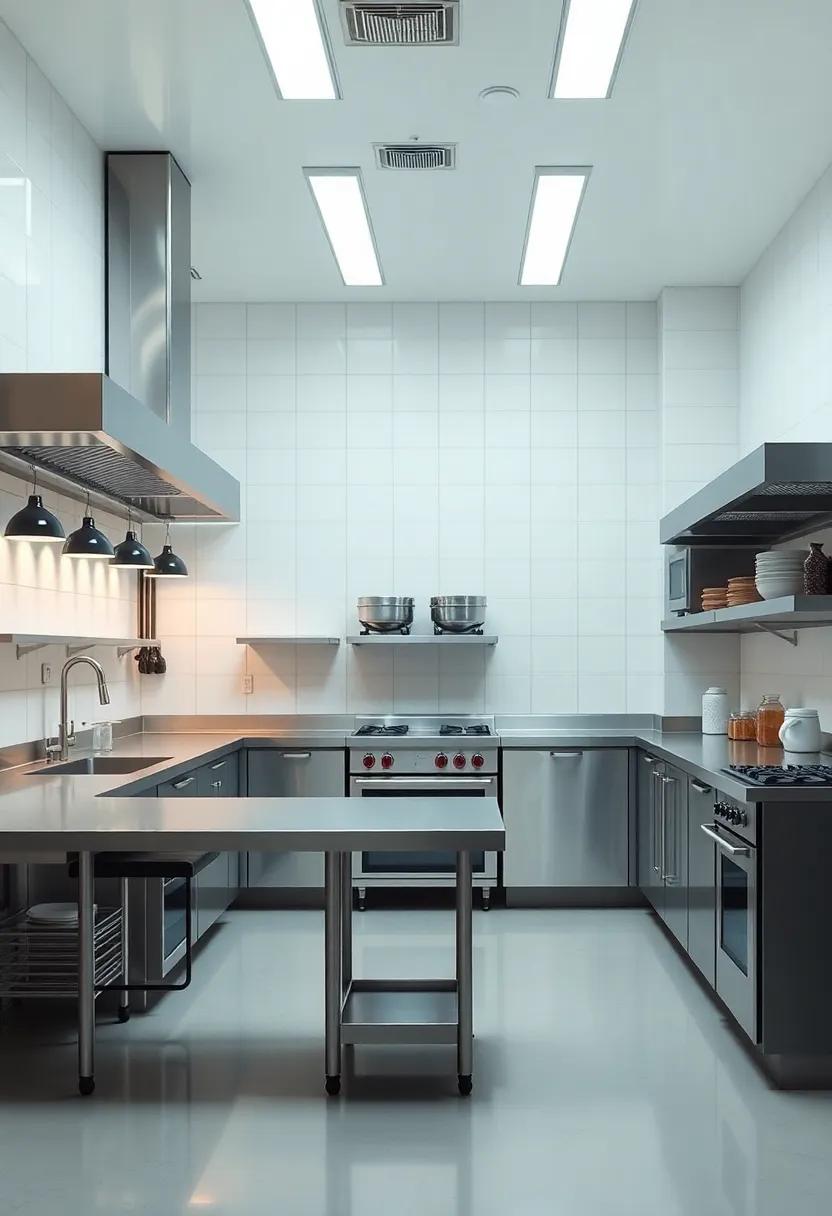
To achieve optimal efficiency and reduce fatigue in culinary spaces, the design of ergonomic workstations plays a crucial role.By prioritizing the comfort of kitchen staff, kitchens can enhance productivity while minimizing physical strain. Key elements to consider in workstation design include:
- adjustable Heights: Work surfaces that can be modified for standing or sitting positions help accommodate different body types and work preferences.
- Easy Access Layout: Organizing tools and ingredients within arm’s reach minimizes excessive stretching and bending, promoting a fluid workflow.
- Agreeable Mats: Anti-fatigue mats can provide cushioning for hard kitchen floors, reducing strain on the feet and legs during long shifts.
Implementing these ergonomic principles can substantially impact the well-being of culinary professionals. Consider utilizing a structured approach by incorporating a flexible workstation model that allows customization based on specific tasks. A comparison table showcasing standard vs. ergonomic workstation features can illustrate the benefits:
| Feature | Standard Workstation | Ergonomic Workstation |
|---|---|---|
| Height Adjustment | No | Yes |
| Tool Accessibility | Clustered | Streamlined |
| Floor Surface | Hard | Anti-fatigue |
Incorporating versatile Cooking equipment for Diverse Menu offerings
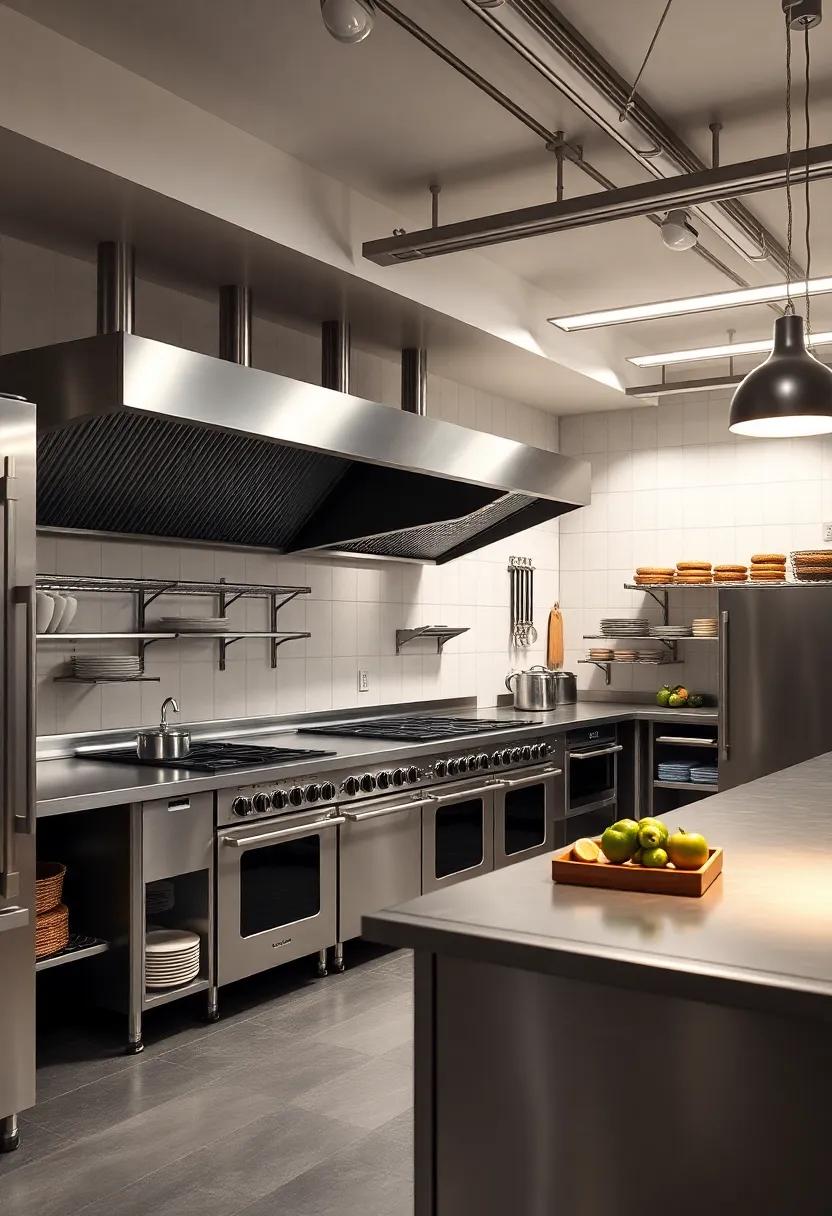
In the heart of any successful commercial kitchen lies an array of versatile cooking equipment that empowers chefs to craft a diverse menu beyond conventional offerings.By investing in multi-functional gadgets,establishments can effortlessly transition from one cuisine to another,allowing for greater innovation and efficiency. Consider adding the following essential equipment to your culinary arsenal:
- Combi Ovens: Perfect for steaming, baking, and roasting.
- Induction Cooktops: Energy-efficient and quick heating options.
- Food Processors: Tools for chopping, mixing, and blending.
- Griddles and Grill Stations: For a variety of cooking methods in one place.
With a variety of equipment at their disposal, chefs can explore a wide array of dishes and flavors. For easy reference,here’s a table showcasing the primary benefits of some key pieces of cooking equipment:
| Equipment | Key Benefit |
|---|---|
| Combi Oven | Makes it easy to steam and bake simultaneously,enhancing textures. |
| Induction Cooktop | Quick heating times reduce energy costs for high-volume cooking. |
| Food Processor | Speeds up prep time, allowing for more efficient workflow. |
| Griddle/grill | Versatile cooking surface for varied menu items like pancakes or meats. |
The Importance of Efficient Ventilation Systems in Culinary environments
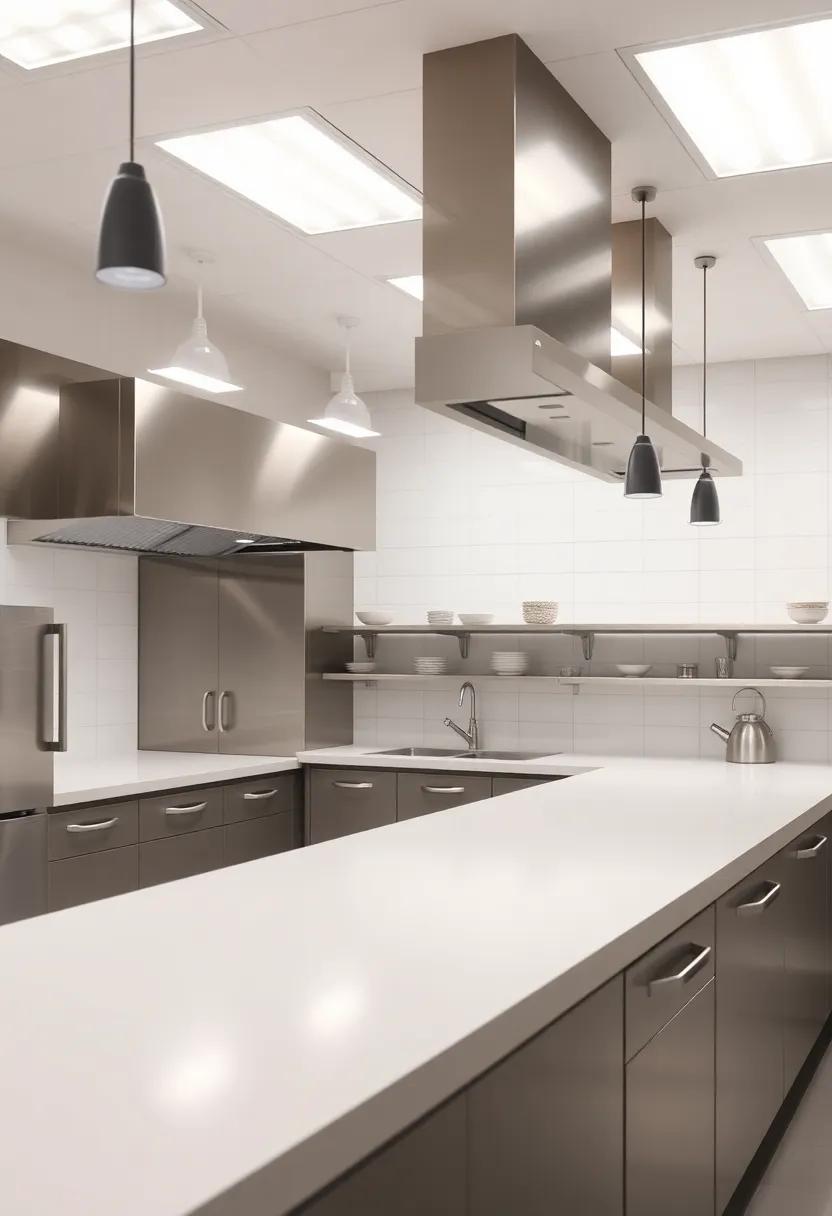
In culinary environments, the efficiency of ventilation systems plays a crucial role in ensuring optimal air quality and maintaining a comfortable working atmosphere. Proper ventilation controls smoke, heat, and humidity levels, thereby enhancing the overall kitchen experience. A well-designed system not only removes airborne contaminants but also prevents the buildup of cooking odors, making the kitchen a more pleasant space for chefs and staff. Additionally, it contributes significantly to energy efficiency, leading to reduced operational costs while sustaining a productive environment.
The integration of advanced technology in ventilation design can elevate functionality to new heights.Modern systems are equipped with smart controls that adjust airflow rates based on real-time conditions,promoting energy conservation. Furthermore, the inclusion of grease filters and UV light components protects against fire hazards and enhances food safety. Key benefits of efficient ventilation systems include:
- Improved Air Quality: Essential for health and comfort.
- Energy Efficiency: Reduces utility costs significantly.
- Increased productivity: Creating a more comfortable working environment.
Utilizing Smart Layouts for Seamless kitchen movement and Flow
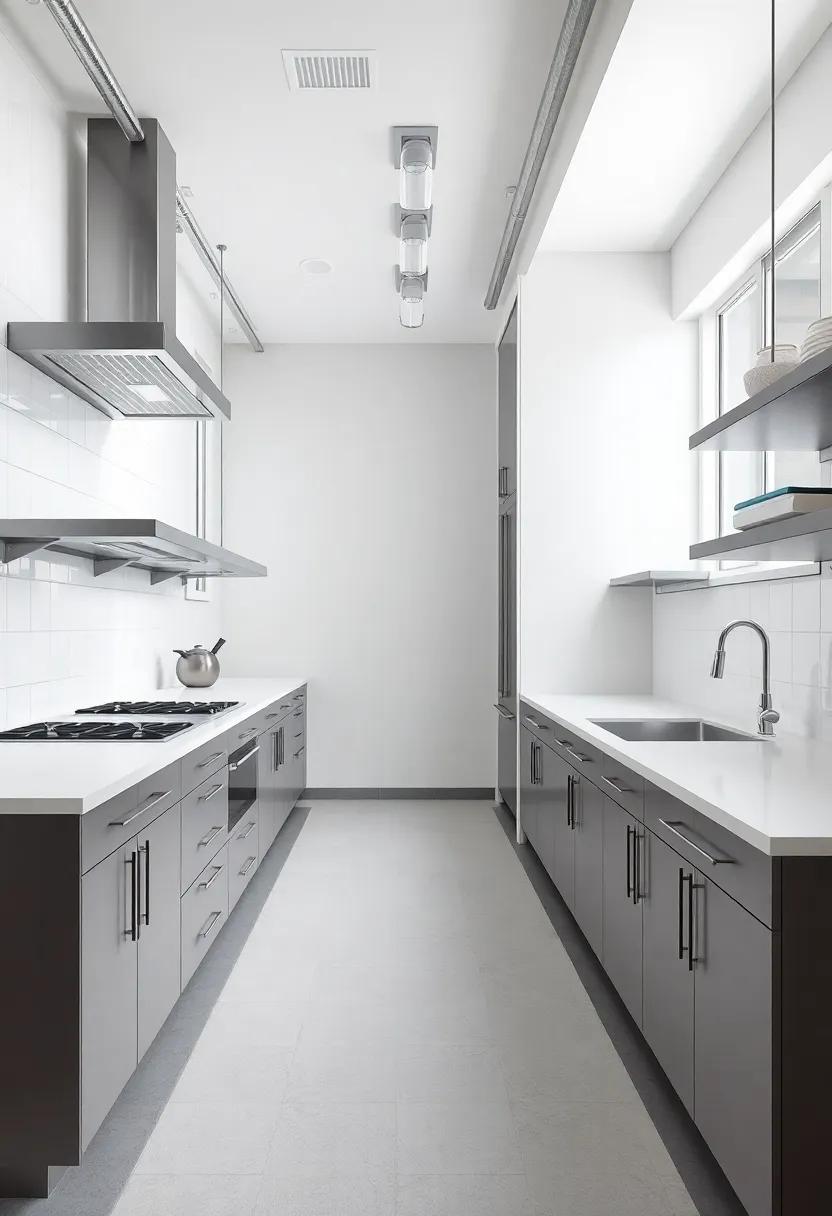
One of the key aspects of a well-designed kitchen is the emphasis on movement and flow, which can significantly enhance productivity. Smart layouts prioritize the arrangement of equipment and workstations to minimize unnecessary steps and streamline operations.As an example,positioning the prep area,cooking station,and service counter in a triangular formation can facilitate easier access to essential tools and ingredients. To further support efficiency, consider incorporating mobile kitchen islands that offer additional workspace while being easily movable to adapt to different tasks or team configurations.
Additionally,integrating specialized zones within the kitchen can contribute to an overall organized workflow.These zones should include clearly defined areas for storage,prep,cooking,and plating. The use of open shelving for frequently used items can eliminate time spent searching for ingredients or utensils, while dedicated washing stations can keep messes contained and moving efficiently. The right kitchen layout not only improves operational speed but also encourages collaboration among staff, fostering a harmonious and productive environment.
Assessing Energy Consumption in Industrial Kitchens for Cost Efficiency
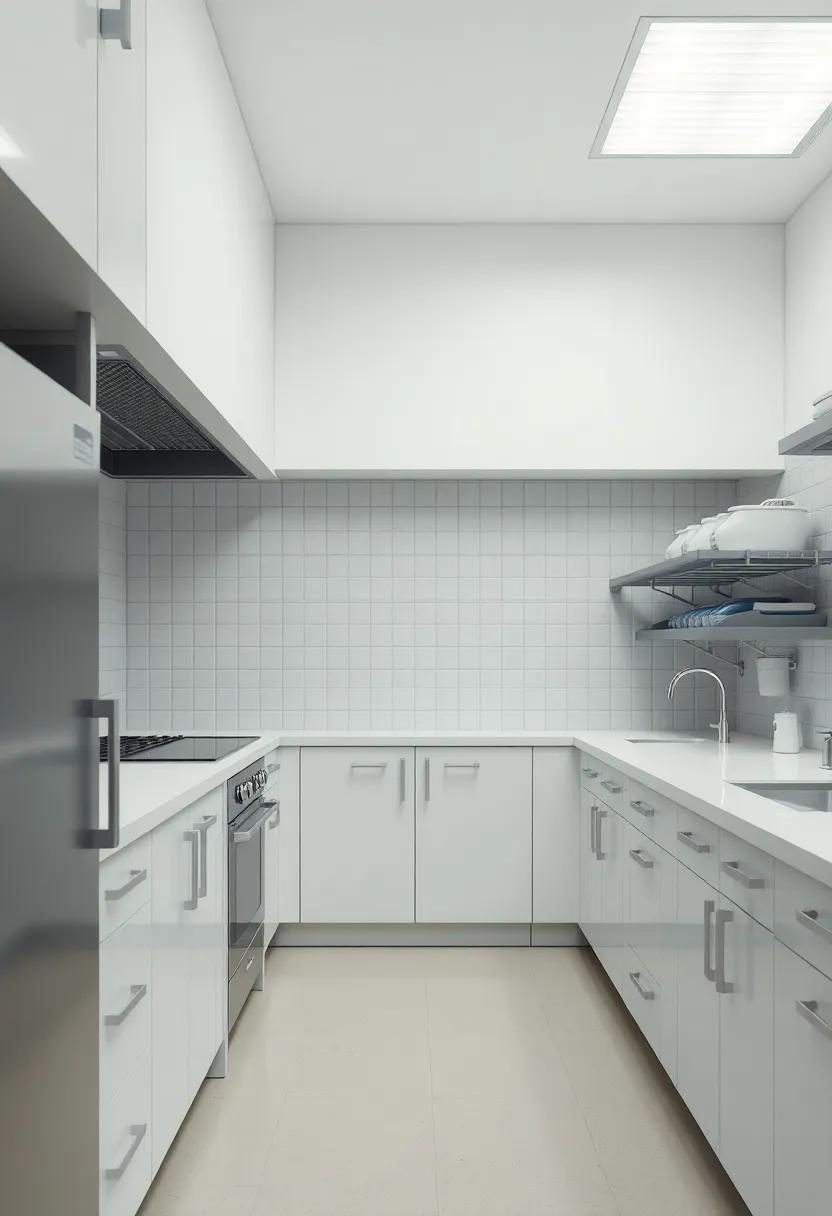
Understanding energy consumption in industrial kitchens is pivotal for organizations aiming to enhance their cost efficiency. By evaluating energy usage patterns, businesses can identify high-consumption equipment and processes that may benefit from upgrades or modifications. This assessment frequently enough includes analyzing kitchen layout, equipment type, and operational hours. Key steps in this process include:
- Conducting energy audits to pinpoint excessive usage.
- Utilizing energy-efficient appliances that comply with industry standards.
- Implementing smart technology for real-time monitoring and adjustments.
- training staff on energy-saving practices and cook management.
By refining these approaches, kitchens can enhance their operational efficacy while simultaneously reducing costs. Regularly monitoring energy consumption also allows for the creation of a strategic budget, which can include expenditures on energy-efficient upgrades. Here’s a simple table that exemplifies common equipment and their potential energy savings:
| Equipment Type | Average Energy Use (kWh/year) | Potential Savings (%) |
|---|---|---|
| Convection Oven | 5,000 | 30% |
| Dishwasher | 10,000 | 20% |
| Refrigerator | 8,000 | 25% |
Understanding Food Safety Standards in Industrial Kitchen Design
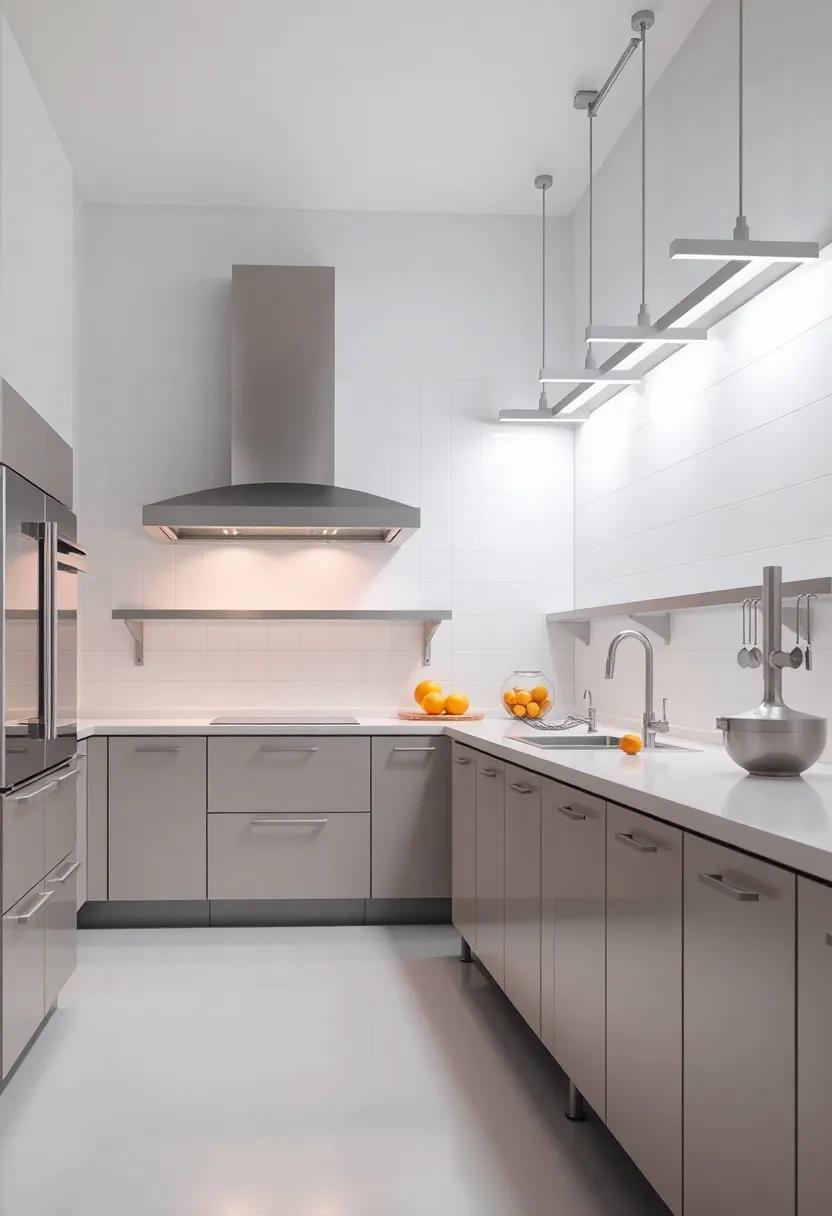
To create a safe and efficient industrial kitchen, understanding food safety standards is paramount. These guidelines not only protect consumers but also streamline operations and mitigate risks for food service providers. Key components include maintaining proper temperature control, ensuring adequate ventilation, and using sanitary equipment. Adhering to standards set by organizations like the Food and Drug Administration (FDA) and local health departments is crucial. Consider the following essential aspects:
- Hygiene Protocols: Regular training for staff on personal hygiene and food handling.
- Cross-Contamination Prevention: Designate areas and tools for raw and cooked ingredients.
- Equipment Maintenance: Regular inspections and cleaning schedules for all kitchen appliances.
Furthermore, the layout of the kitchen is vital in upholding these safety measures. A well-planned design encourages workflow efficiency while minimizing the risk of contamination. It is beneficial to incorporate elements such as:
| Design Element | Safety Benefit |
|---|---|
| separate Prep Stations | Reduces risk of cross-contamination |
| Ample Storage | Prevents overcrowding and potential hazards |
| Accessible Wash Stations | Encourages frequent hand washing |
Balancing Aesthetics and Practicality in Kitchen unit Innovation
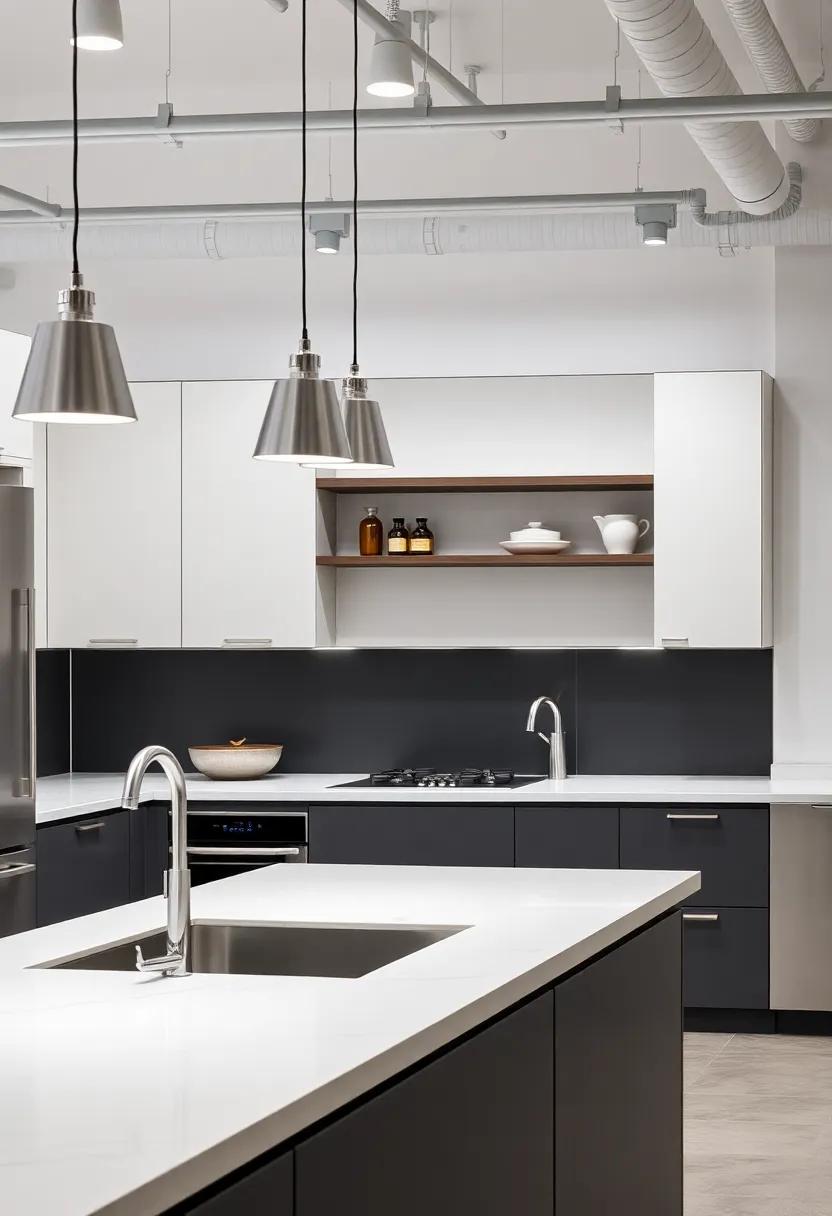
In the realm of kitchen unit innovation, the challenge lies in harmonizing *visual appeal* with *functional efficiency*. Designers and manufacturers are increasingly prioritizing innovative solutions that cater to the aesthetic desires of chefs and restaurant owners.Attention is given to materials,colors,and textures that resonate with culinary arts while ensuring they withstand the rigorous demands of daily operations.The infusion of modern technology, such as integrated smart systems and energy-efficient appliances, enables a seamless blend of design and practicality.Here are a few aspects to consider:
- Material Choices: Utilizing high-quality, durable materials that resistant to corrosion and staining.
- layout Design: Crafting spaces that promote workflow efficiency while maintaining an inviting atmosphere.
- Ergonomics: Designing units that reduce physical strain, catering to the fast-paced environment of professional kitchens.
The aesthetic component should not eclipse the unit’s ability to function effectively under pressure. Innovations like modular shelving and customizable configurations allow chefs to personalize their kitchens while optimizing storage and accessibility. A careful evaluation of innovative designs can further enhance sustainability, reducing waste and minimizing energy costs. The balance between aesthetics and practicality can be represented in the following table, illustrating key features:
| feature | Aesthetic value | Practical Benefit |
|---|---|---|
| Glass Front Cabinets | Showcases chef’s creativity | Easy access to frequently used items |
| Under-Counter Lighting | enhances ambiance | Improves visibility for precision tasks |
| Modular Stainless Steel Units | Modern aesthetic appeal | Flexible configurations for space optimization |
Enhancing team collaboration Through Well-Planned Kitchen Units
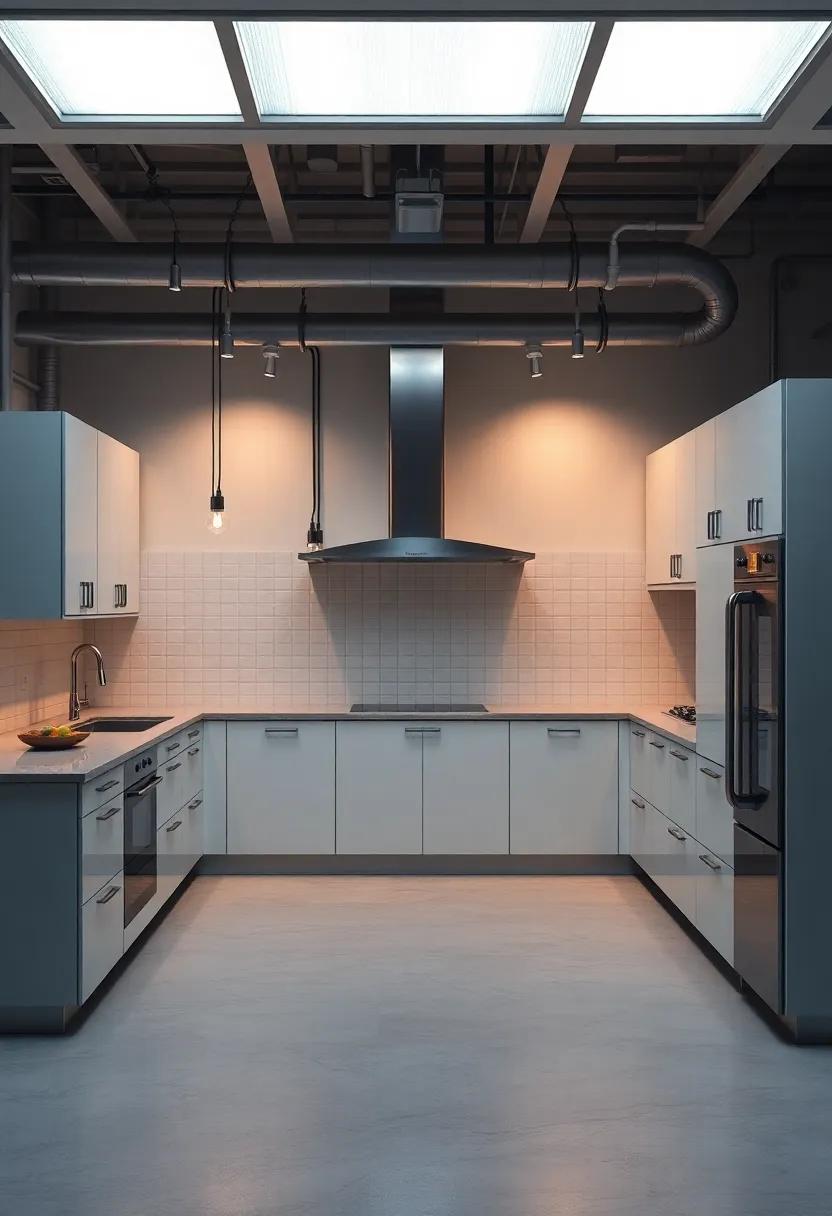
Creating an environment that fosters teamwork is essential in an industrial kitchen setting, where the rhythm of operations depends heavily on collaboration. by strategically designing kitchen units, you can optimize workflow and enhance communication among team members. Ergonomically planned spaces facilitate quick access to tools and ingredients, leading to smoother transitions between tasks. This strategic layout not only reduces the time spent looking for items but also promotes a natural flow of movement, allowing chefs to focus on cooking rather than navigating around each other.
Incorporating shared areas within the kitchen unit further encourages collaboration. Consider integrating multi-functional workstations that support various cooking techniques, allowing team members to work side by side on different components of a dish. The use of open shelving and obvious storage can also improve visibility and accessibility, ensuring everyone knows where to find essential tools and supplies. A well-planned kitchen unit can effectively be the heart of a collaborative atmosphere, transforming individual contributions into cohesive culinary masterpieces.
the Future of Industrial Kitchen Units Trends to Watch and Embrace
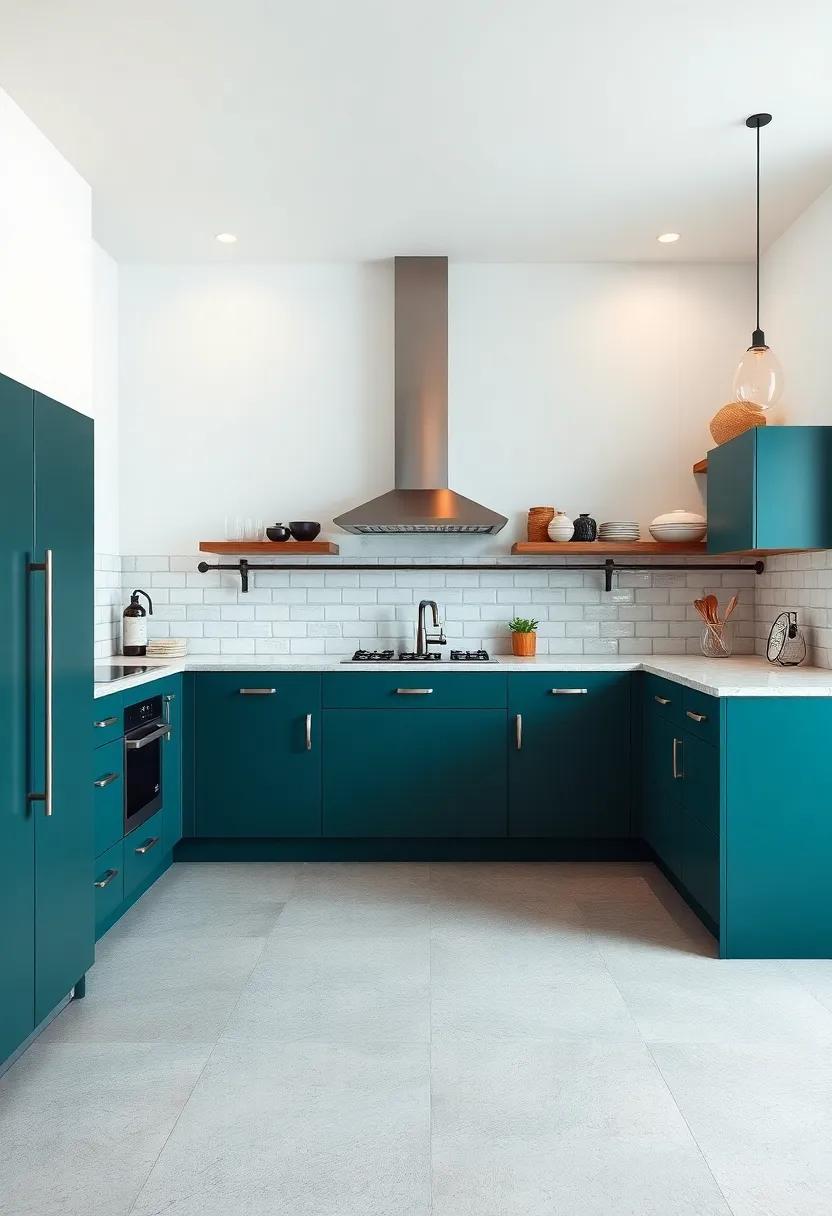
As the culinary landscape continues to evolve, so do the trends shaping industrial kitchen units. sustainability emerges as a pivotal theme, with many kitchens integrating eco-friendly materials and energy-efficient appliances. Operators are not only looking to reduce their carbon footprint but also to create inviting spaces where sustainability and functionality coexist. Innovations in smart technology are on the rise, with features like IoT connectivity enabling real-time monitoring and analytics. This allows chefs to optimize cooking processes, manage inventory efficiently, and maintain quality control like never before.
Another exciting trend gaining traction is the implementation of modular designs, providing flexibility to easily reconfigure layouts to suit various cooking processes or accommodate new equipment. This adaptability is vital as menus evolve and customer demands shift. Additionally, the concept of shared kitchen spaces is on the rise, catering to start-ups and food delivery businesses by offering a fully equipped environment without the overhead of traditional kitchen setups. Embracing these trends can not only enhance operational efficiency but also position businesses at the forefront of the culinary industry,ready to respond to the ever-changing market.
Emphasizing Hygiene Factors in Kitchen Unit Construction and Layout
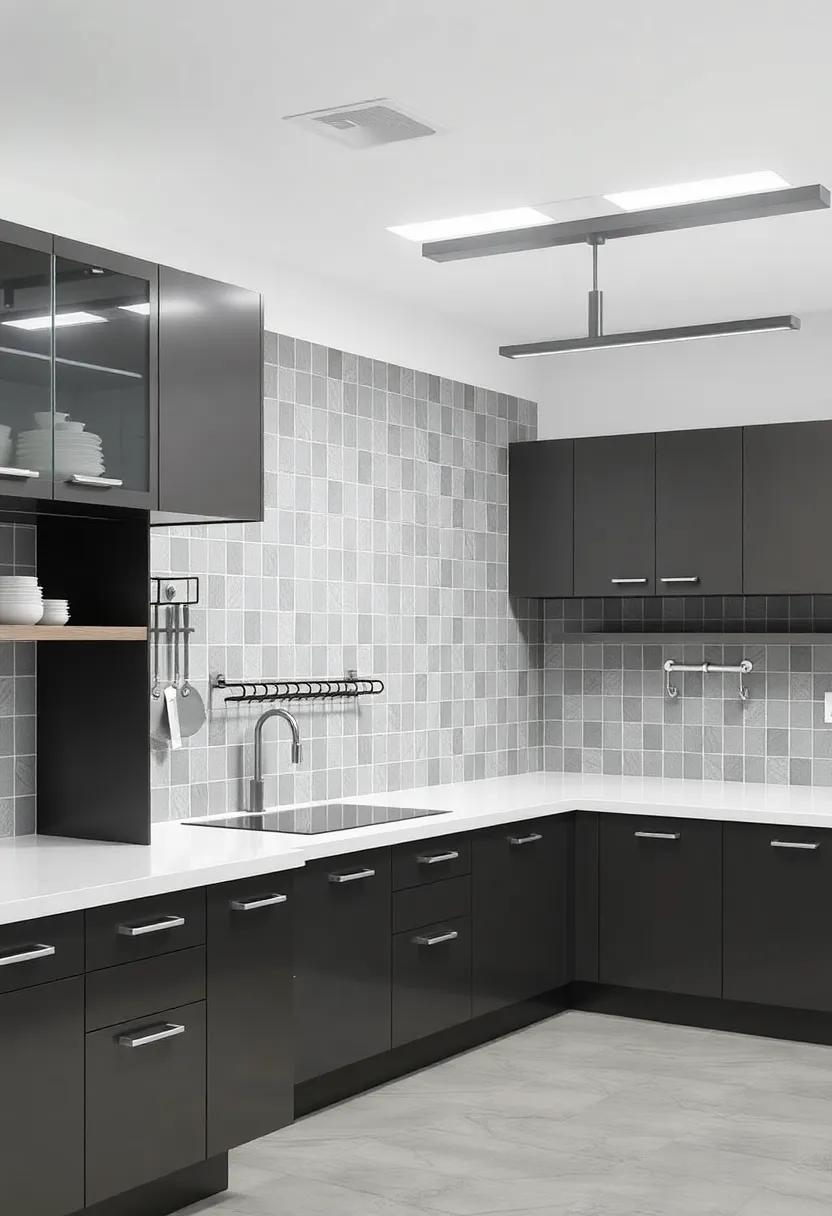
Creating an efficient industrial kitchen involves not only the selection of high-quality equipment but also a meticulous focus on hygiene factors. Proper layout and design elements can significantly contribute to maintaining cleanliness and operational efficiency. Prioritizing accessibility and flow within the workspace minimizes cross-contamination and allows chefs and staff to work seamlessly. Key considerations include:
- Space Between Units: sufficient spacing prevents overcrowding and fosters ventilation.
- Materials Selection: Choosing non-porous, easy-to-clean materials such as stainless steel.
- Smart Storage Solutions: Vertical and closed storage keeps surfaces clutter-free and enhances cleanliness.
to better visualize considerations in design, it helps to examine how specific layouts can reflect sanitation strategies. As a notable example, a U-shaped kitchen layout can offer distinct work zones while enhancing the flow of operations. Below is a simple depiction of ideal task zones and their relevant hygiene practices:
| Task Zone | Hygiene Practices |
|---|---|
| Preparation Area | use separate cutting boards for different food types to prevent cross-contamination. |
| Cooking Zone | Regular cleaning of surfaces and immediate disposal of waste. |
| Serving Station | Use touchless equipment where possible and implement strict serving policies. |
Innovative Refrigeration Solutions to Maintain Food Quality and Safety
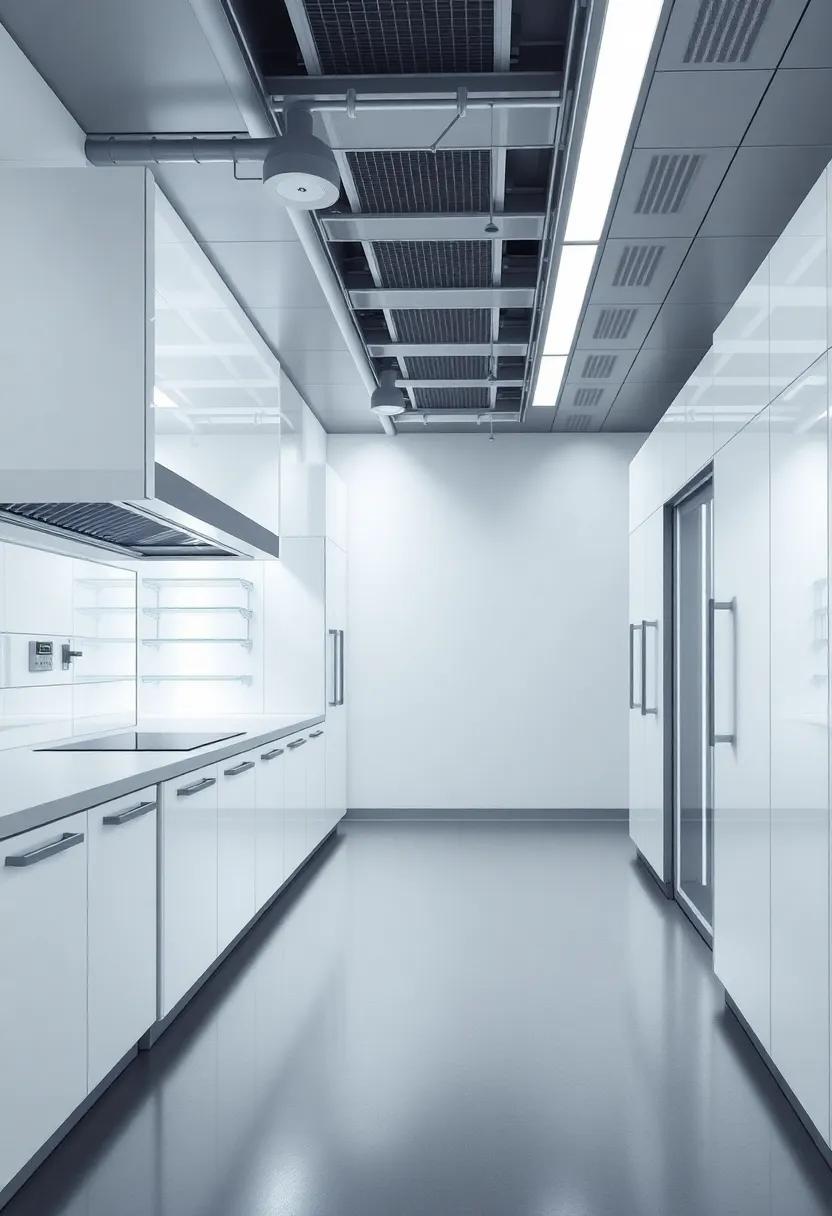
Maintaining food quality and safety in commercial kitchens requires more than traditional refrigeration methods; it demands innovation to meet evolving industry standards. New technologies in refrigeration not only optimize energy efficiency but also ensure that temperature consistency is maintained throughout storage periods. Solutions such as smart refrigeration systems utilize IoT (internet of Things) capabilities to monitor and adjust temperatures in real-time, thereby reducing the risk of food spoilage and enhancing the overall safety of food products.
Incorporating modular refrigeration units can also streamline kitchen operations, allowing for easy configuration and expansion. These units can be tailored to fit specific needs, whether it’s for delicate produce or frozen goods, ensuring that each type of food is stored under optimal conditions. Some key features to consider include:
- Multizone temperature controls
- Energy-efficient compressors
- Remote temperature monitoring
- Eco-friendly refrigerants
| Feature | Benefit |
|---|---|
| Real-time monitoring | Immediate alerts for temperature changes |
| Customizable sizes | Flexibility for various kitchen layouts |
| Low-energy consumption | Reduces operational costs |
| Durable materials | Longer lifespan and reliability |
Building for Scalability Designing kitchen Units for Growing Operations
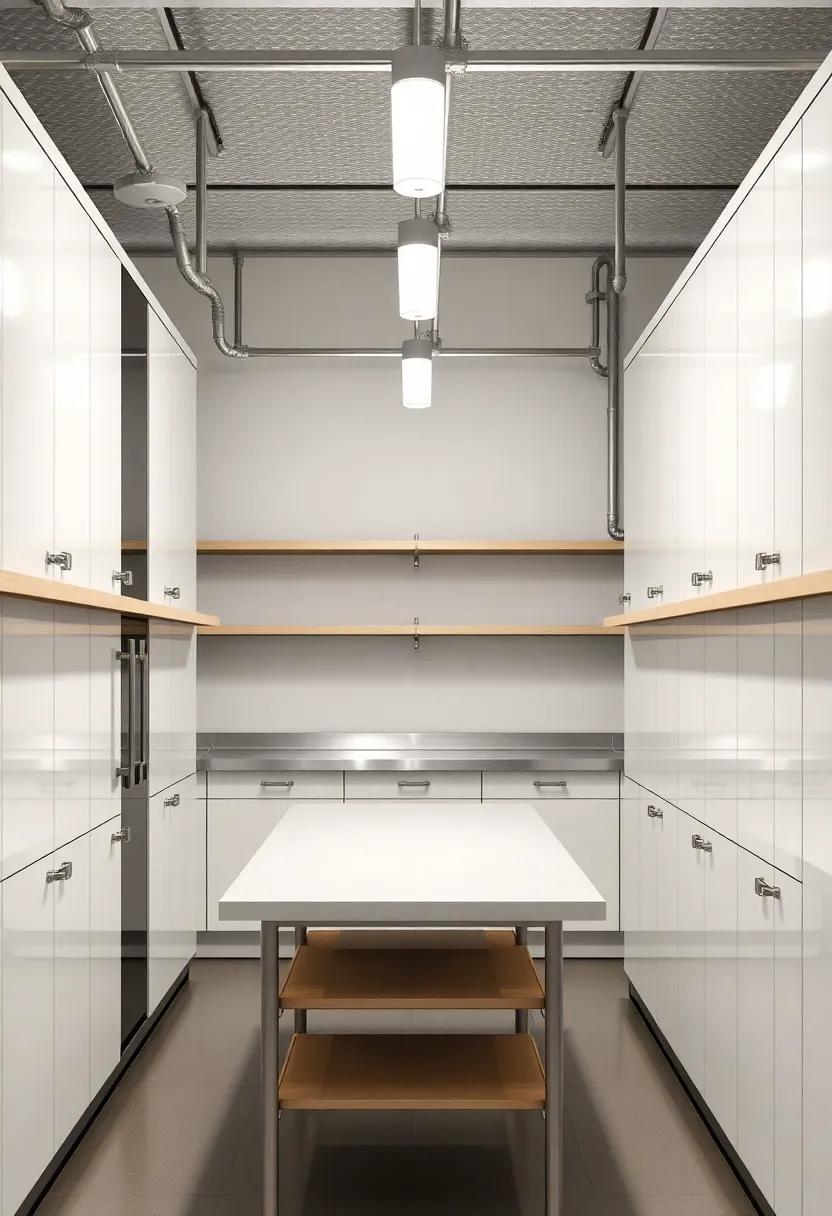
When it comes to industrial kitchen design, scalability is imperative for accommodating future growth. A well-planned kitchen layout not only enhances current workflows but also anticipates the needs of expanding operations. Start by considering modular designs that can be easily reconfigured or expanded. This includes incorporating interchangeable components, such as adjustable shelving and mobile workstations, allowing for versatile layouts that adapt to the dynamic demands of a busy kitchen environment.
Additionally, investing in high-capacity appliances and storage solutions is crucial. Combining larger equipment like double ovens and commercial refrigerators with efficient space-saving options, such as vertical storage racks, ensures that every inch of your kitchen contributes to productivity. To better illustrate the potential of a scalable kitchen design, consider the following table showcasing essential features:
| Feature | Benefits |
|---|---|
| Modular Units | Flexibility for future expansion |
| High-Capacity Appliances | improved efficiency for large-scale operations |
| Ergonomic Layouts | Enhanced workflow and reduced fatigue |
| Advanced Storage Solutions | Maximized use of space |
The Versatility of Modular Units in Adapting to Culinary Needs
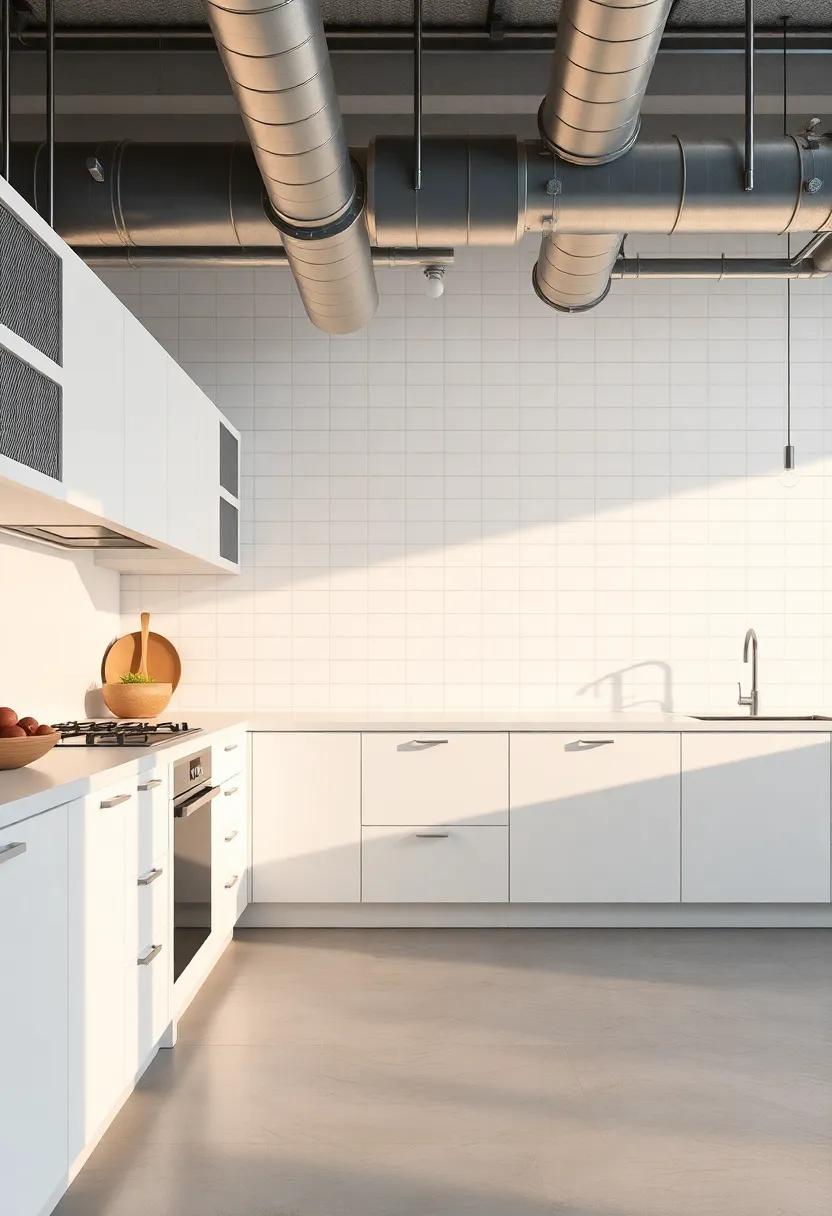
Modular units offer an exceptional degree of flexibility, making them an ideal solution for kitchens with diverse culinary needs. The ability to easily reconfigure these units allows chefs and kitchen managers to dial in their workspace to match specific menu requirements or seasonal offerings. For instance, a chef can quickly adjust the layout to accommodate a new cuisine type—be it a sushi station, a pizza oven, or a salad bar—ensuring that the kitchen remains responsive to dynamic food trends. This adaptability not only enhances the efficiency of food prep but also fosters an environment conducive to creativity and innovation.
Moreover, each component of a modular kitchen can be tailored to support various cooking methods and styles, reflecting the ethos of modern gastronomy. From customizable storage solutions that keep ingredients fresh and accessible to mobile prep stations that can be moved as needed, modular units facilitate a seamless workflow. Key features include:
- Interchangeable work surfaces for different cooking techniques.
- Expandable refrigeration units for seasonal demand.
- Multi-functional cooking equipment that serves several purposes.
To illustrate how versatile modular systems can be, consider the table below, which highlights common modular unit configurations and their benefits:
| Configuration | Benefit |
|---|---|
| Prep islands | Optimizes workflow and collaboration among kitchen staff |
| Mobile stations | Enables quick rearrangements for themed events |
| Stackable storage | Maximizes space efficiency without sacrificing accessibility |
Utilizing multi-functional Spaces for Increased Efficiency in Kitchens
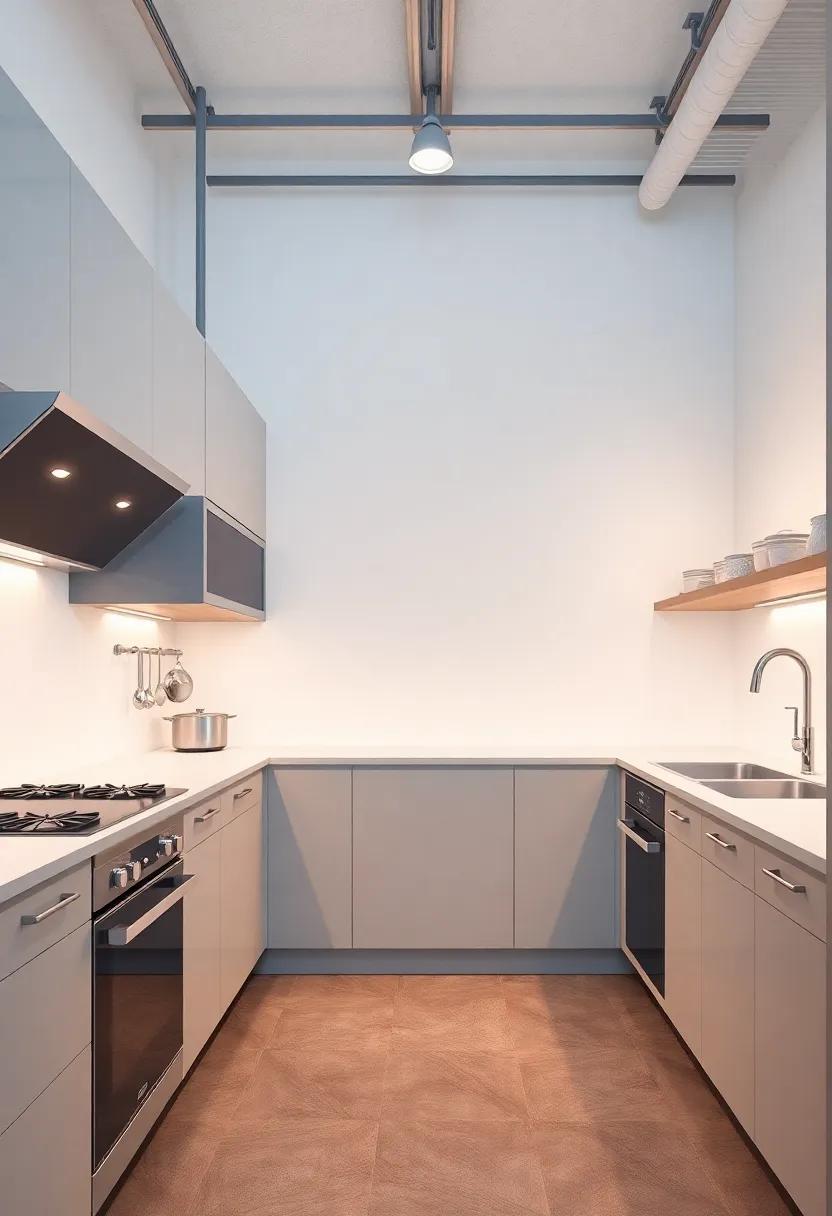
In the modern culinary environment, embracing spaces that serve multiple purposes can significantly streamline operations. Modular kitchen units allow chefs to adapt their workflow based on current needs, whether it’s food prep, cooking, or plating. As an example, consider integrating prep counters that can double as serving stations or island units with built-in storage to minimize clutter.This flexibility encourages a fluid workspace, fostering creativity while enhancing productivity.
Additionally, implementing zoned areas dedicated to specific tasks can maximize efficiency. Organizing the kitchen into distinct zones—such as prep, cooking, and cleanup—enables staff to work collaboratively without interfering with each other. Utilizing vertical storage solutions can also open up valuable floor space, allowing for a more open and accessible environment. Here’s a quick reference for effective space utilization:
| Zone | Function | Multi-functional Solutions |
|---|---|---|
| Prep Area | Food Preparation | Foldable tables, integrated sinks |
| Cooking Zone | Cooking & Baking | Stationary ovens with integrated prep counters |
| Cleanup Zone | Dishes/Equipment cleaning | Dishwashers with detachable parts for versatility |
As we bring our exploration of industrial kitchen units to a close, it becomes clear that efficiency is not just a goal but a cornerstone of culinary success. From seamless workflows to innovative design, each element plays a vital role in transforming a bustling kitchen into a harmonious environment that fosters creativity and productivity. Embracing the insights and strategies outlined in this guide can empower professionals in the food industry to optimize their spaces, ultimately enhancing the quality of service and the joy of cooking.
As you embark on your journey to elevate efficiency in your kitchen, remember that every choice—whether big or small—contributes to the larger picture of success. With the right tools and techniques at your disposal, the possibilities are boundless. Here’s to crafting kitchens that not only meet the demands of the present but also inspire the culinary innovations of the future. Happy cooking!