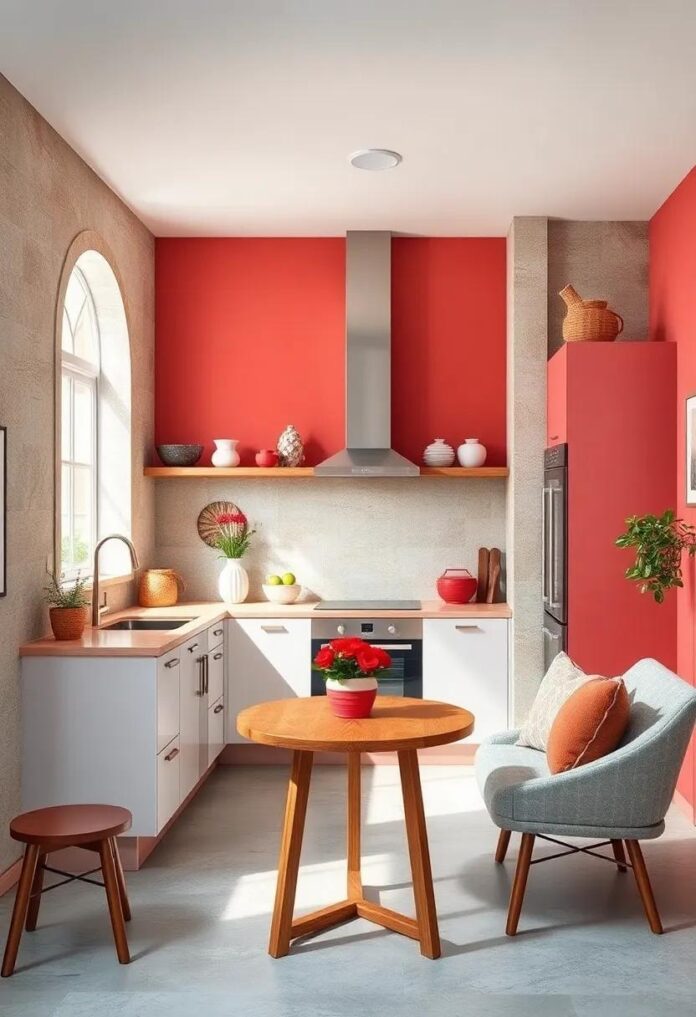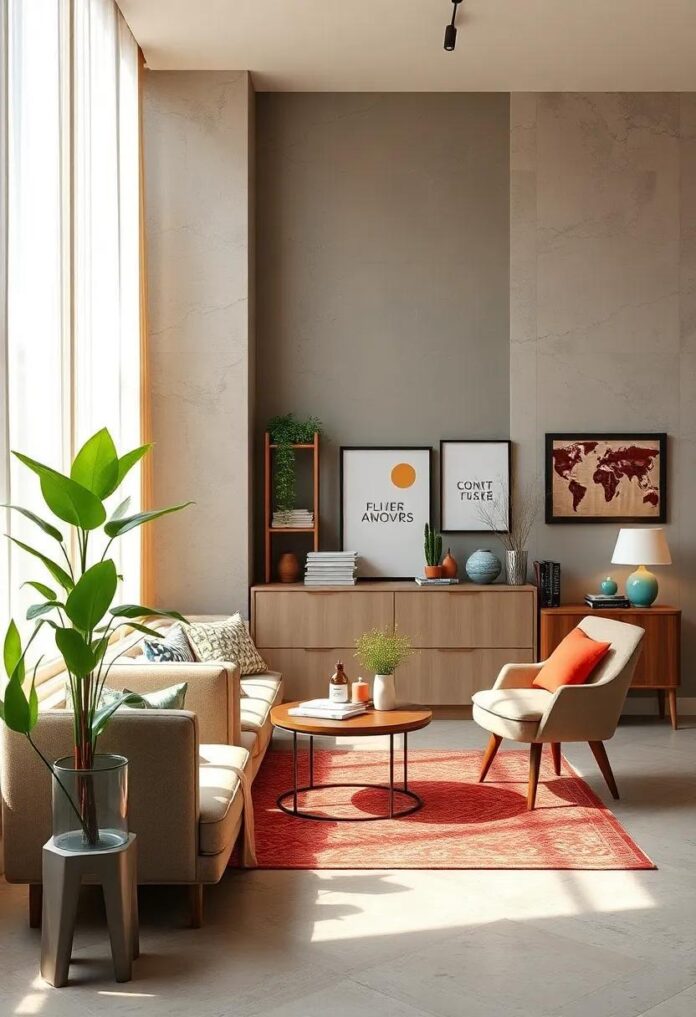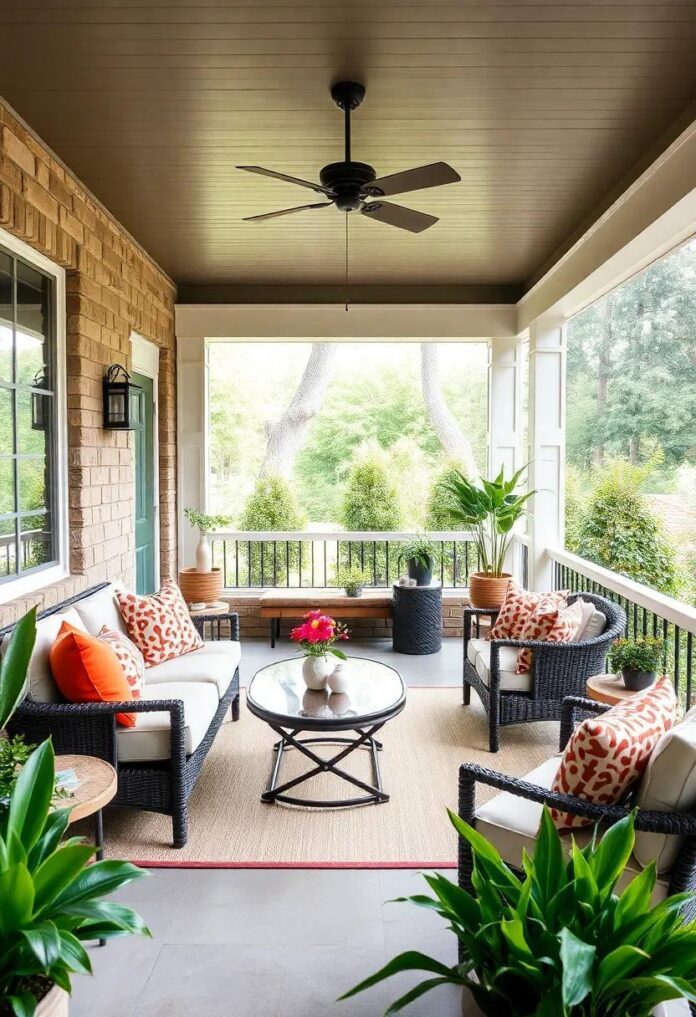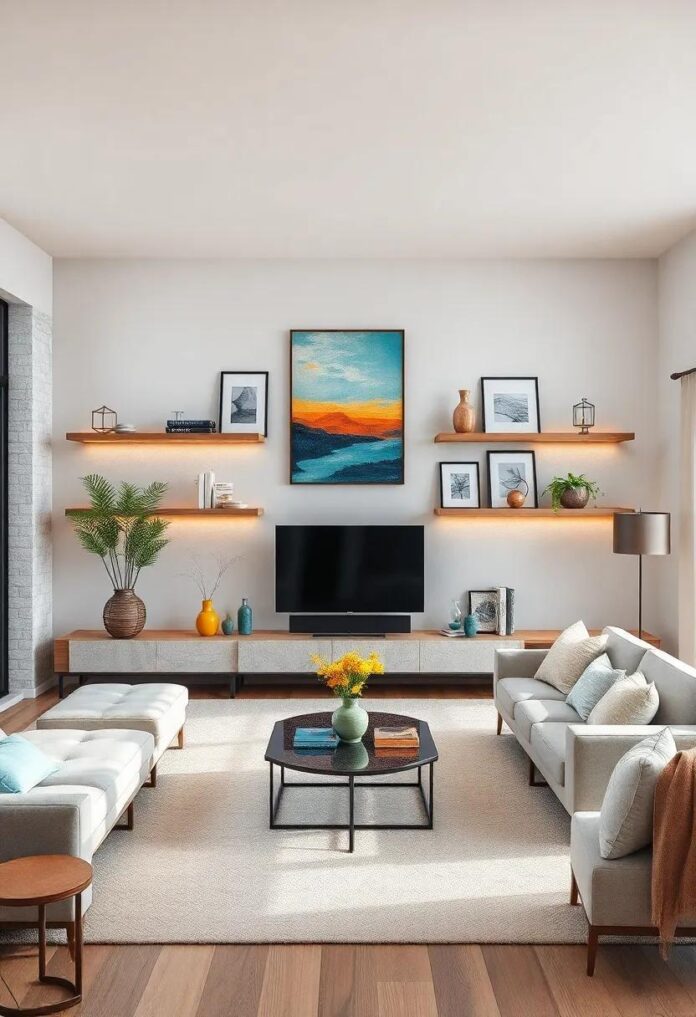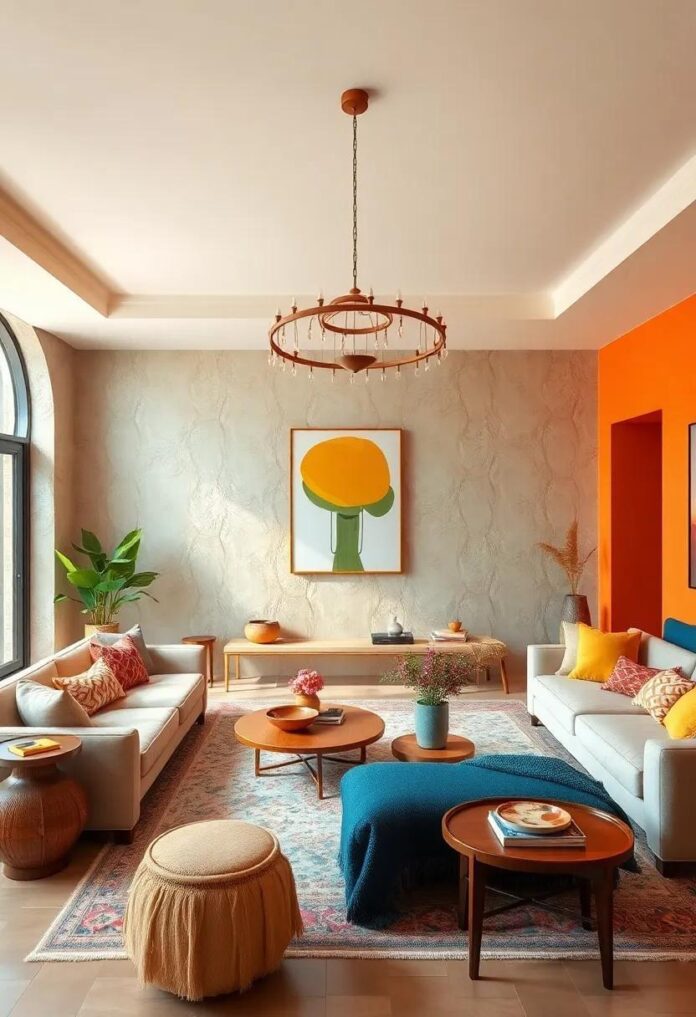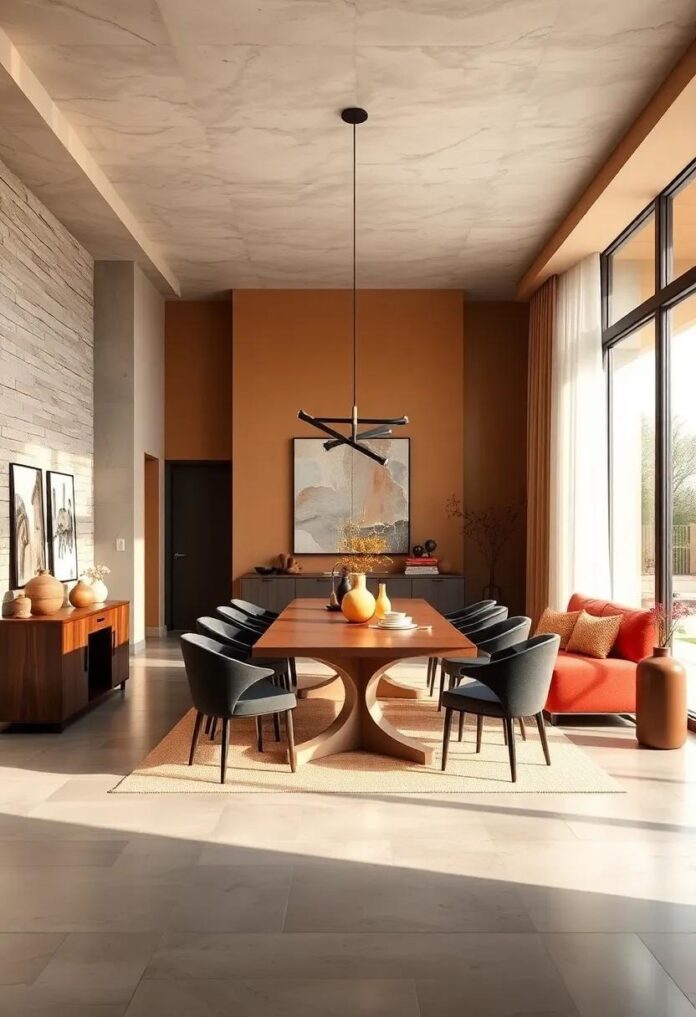

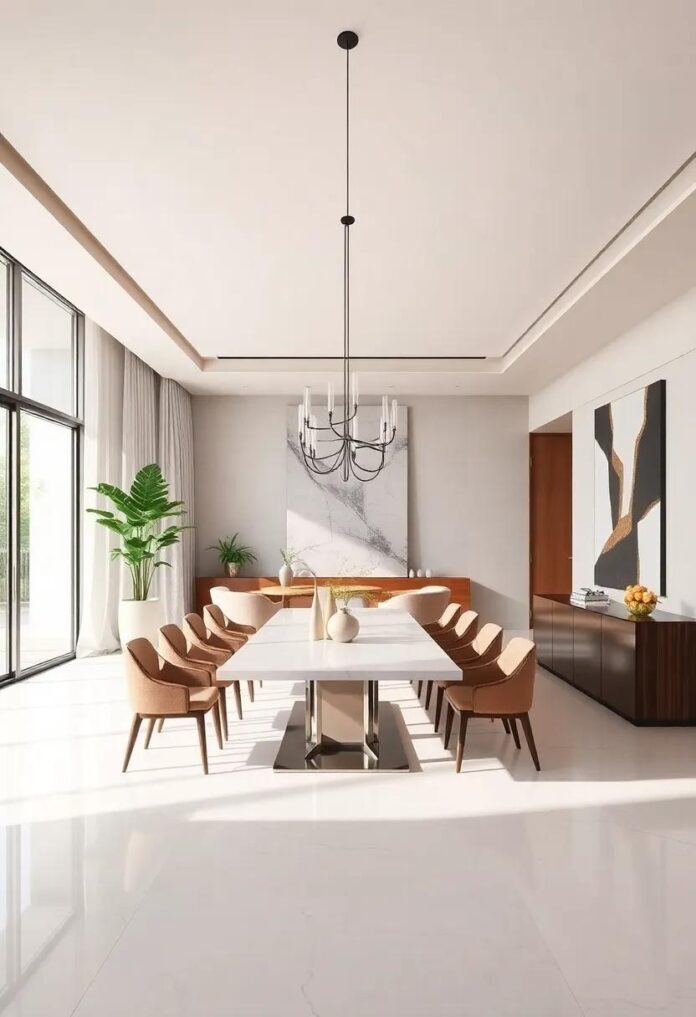
As the heart of the home, the dining room serves as a canvas for connection, creativity, and culinary delight. In the contemporary landscape of interior design, open-concept spaces have redefined the way we perceive and utilize our living areas, inviting both light and an airy sense of freedom. Within this evolving framework, luxury dining rooms emerge as a focal point where elegance meets functionality, blending seamlessly with the surrounding spaces while exuding their own unique charm. in this article,we will explore innovative design trends,timeless aesthetics,and thoughtful details that elevate these dining retreats,transforming casual mealtime into an remarkable experience. Join us as we journey through the art of crafting luxury dining rooms that not only enhance your home’s ambiance but also foster cherished moments with loved ones.
Captivating Visions of Open-Concept Luxury Dining Rooms Blending Elegance and Functionality
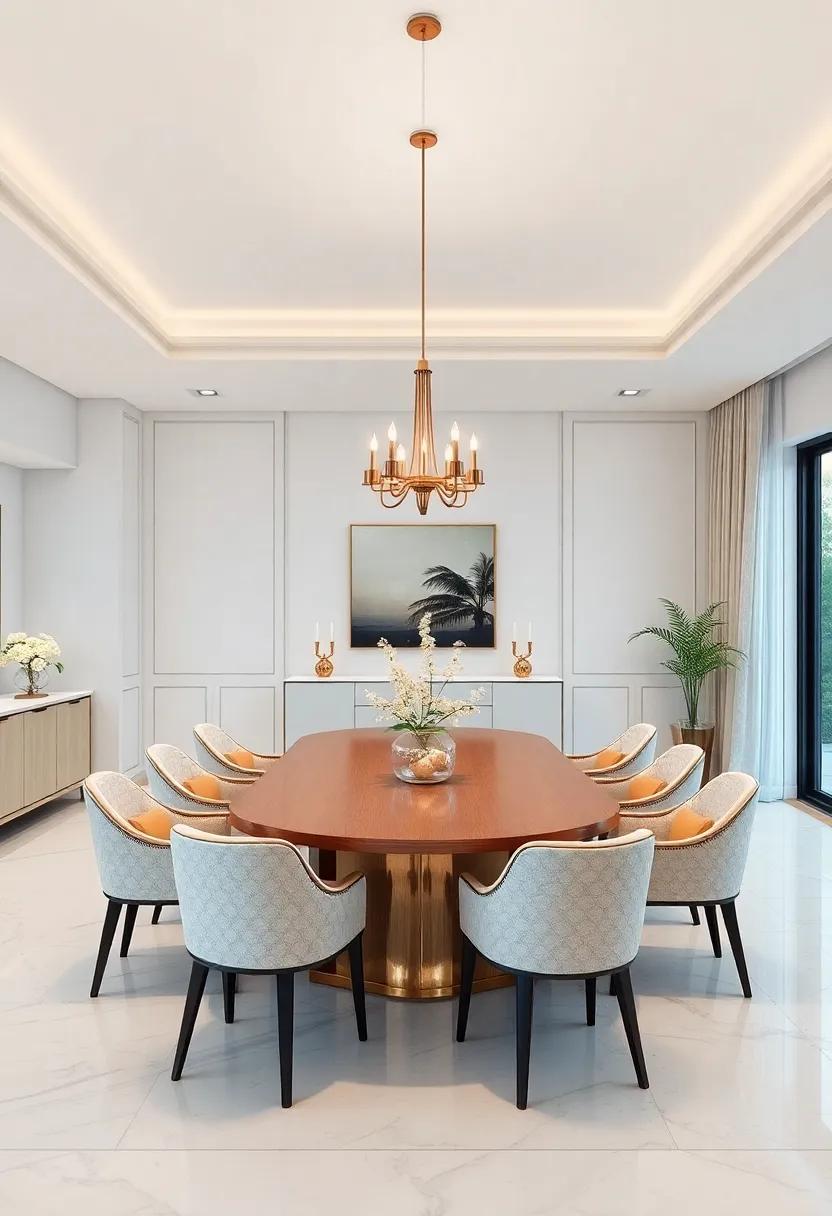
Open-concept luxury dining rooms seamlessly blend elegance with functionality, allowing families and guests to gather in an atmosphere that is both stylish and welcoming. Imagine entering a space where natural light floods through expansive windows, highlighting muted tones and textured surfaces that create a tranquil ambiance. Thoughtfully chosen furnishings, such as a stunning oversized dining table paired with designer chairs, foster connection while maintaining aesthetic allure. Accents like chic pendant lighting and curated art pieces draw the eye, ensuring every element contributes to an overall feeling of refinement.
Incorporating sophisticated design choices can further enhance the sense of luxury in these dining areas. Consider the following key features:
- Open Flow: By maintaining unobstructed sightlines, the dining room becomes part of a larger narrative within the home.
- Layered Textures: Combining materials such as polished wood, soft fabrics, and metallic finishes adds depth.
- Flexible Layouts: Modular furniture allows for customization based on the occasion, making the space adaptable for intimate dinners or larger gatherings.
| element | Impact |
|---|---|
| Lighting Design | Creates mood and highlights key features |
| Colour Palette | Sets the tone for warmth and elegance |
| Artwork | Introduces personality and conversation starters |
Inviting Ambiance: The Art of Lighting in Luxury Dining Spaces
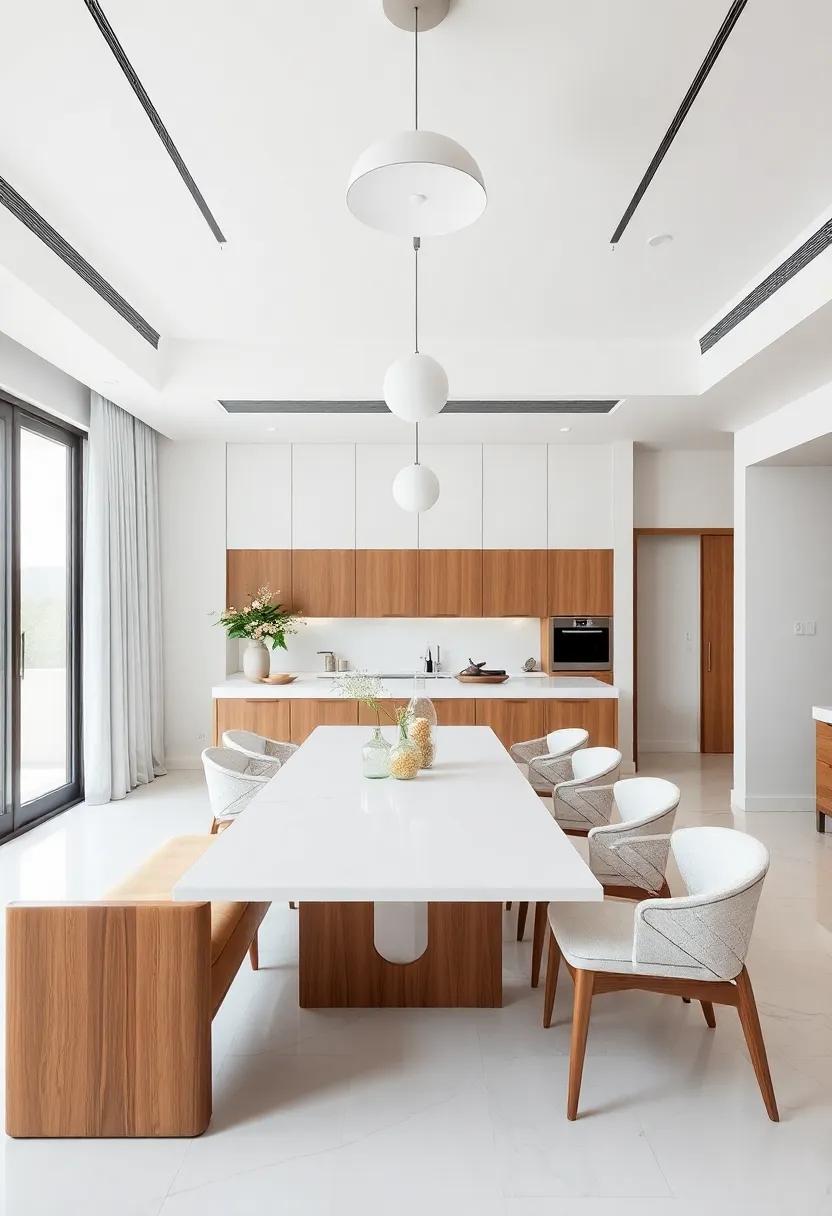
Lighting serves as the backbone of luxurious dining spaces, playing a crucial role in setting the mood and enhancing the overall sensory experience. Thoughtfully designed lighting not only illuminates the space but also complements décor elements, creating a harmonious atmosphere that invites guests to linger. Key components of effective lighting in these settings include:
- Layered Lighting: Combine ambient,task,and accent lighting to achieve depth and dimension.
- Statement fixtures: Invest in eye-catching chandeliers or pendant lights that act as art pieces themselves.
- Dimming Options: Incorporate dimmer switches to easily adjust brightness based on the time of day and mood.
The interplay of light and shadow adds a captivating charm to open-concept dining areas. Warm, soft lighting can encourage conversation, making the space feel intimate and inviting. in contrast, brighter lights may energize the atmosphere for lively gatherings. Consider these vital aspects to maximize your lighting design:
| Aspect | Effect |
|---|---|
| color Temperature | Warmer tones create relaxation; cooler tones foster alertness. |
| Height of Fixtures | Low-hanging lights promote intimacy; higher fixtures offer spaciousness. |
Timeless Materials: Choosing the Right Flooring for Open Spaces
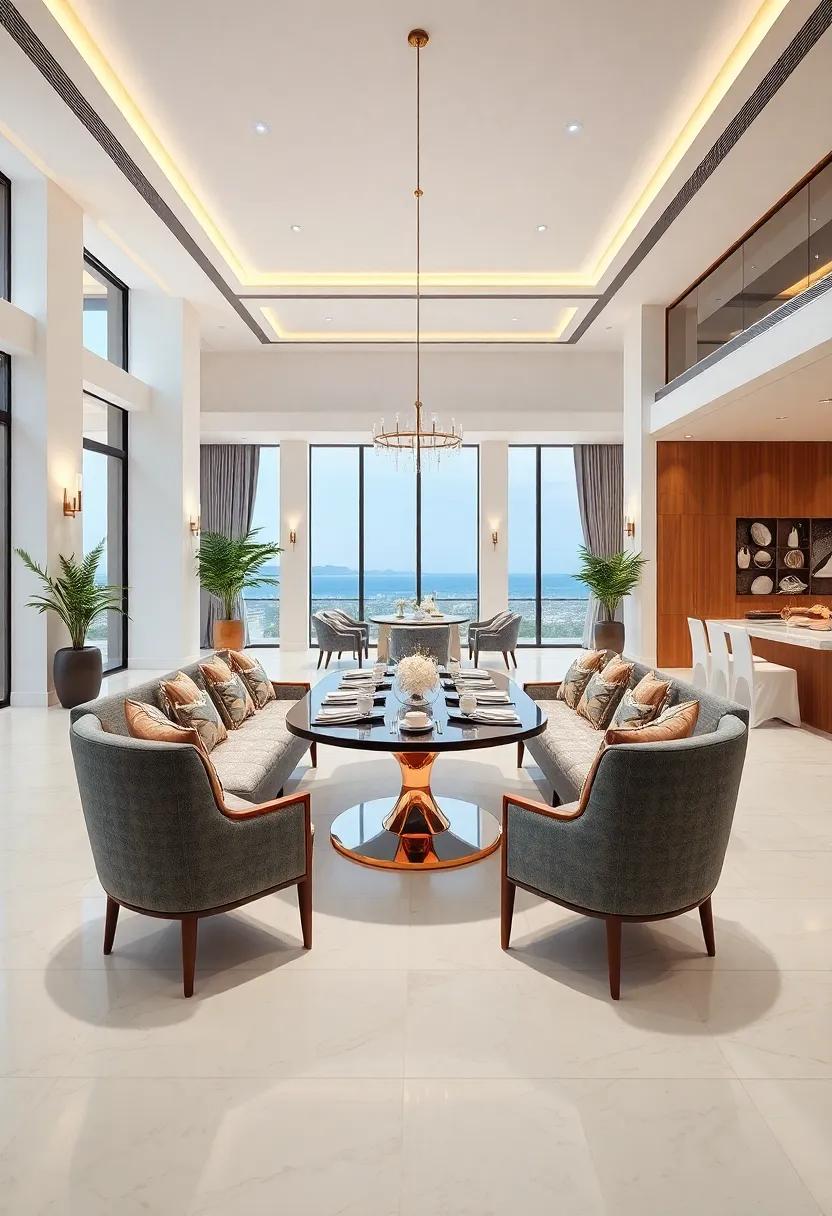
When it comes to outfitting open spaces, selecting the right flooring can transform not only the aesthetics of your luxury dining area but also its functionality. Consider natural materials that evoke a sense of timeless elegance. Hardwood offers warmth and classic appeal,making it a popular choice for dining rooms. Options such as oak, maple, or walnut come in a variety of finishes that can complement any style, from rustic to modern.Alternatively, luxury vinyl tiles mimic natural stone or wood textures at a fraction of the cost, providing durability and ease of maintenance crucial for high-traffic areas.
Another excellent choice is ceramic or porcelain tiles, known for their resistance to stains and scratches. These tiles come in a plethora of colors and patterns, allowing for unique layouts that can enhance your open-concept design. To help you visualize your options, here’s a comparison of popular flooring materials:
| Material | Durability | Maintenance | Cost |
|---|---|---|---|
| Hardwood | Moderate | Regular polishing | $$$ |
| LVT | High | Easy wipe clean | $$ |
| Ceramic Tile | Very High | Occasional sealing | $$ |
Ultimately, the right choice should harmonize with your dining room’s design while providing practical benefits. By prioritizing durability, style, and ease of upkeep, you can curate a space that is both inviting and worthy of admiration.
stylish Seating Arrangements That Encourage Conversations and Gatherings
Designing a space that not only looks luxurious but also encourages interaction and connection is essential for any modern home. Incorporating stylish seating arrangements can transform your dining area into a hub for lively conversations. Opt for a layout that fosters intimacy,such as a large,circular table paired with plush,upholstered chairs.This setup can create a welcoming atmosphere while ensuring everyone feels included. Consider adding banquette seating along one side of the table, which not only optimizes space but also enhances comfort and promotes a casual vibe, perfect for sharing stories and laughs.
Another innovative approach is to style your dining area with multi-functional seating options that work well within open-concept layouts. Introduce elements such as ottomans or poufs that can easily be moved around, allowing guests to create their own cozy corners, whether for dining or relaxed conversation. Don’t forget to accent your seating with decorative cushions that reflect your personal style, making the space more inviting. Below is a simple comparison of various seating options to help you determine what best suits your space:
| Seating Option | Pros | Cons |
|---|---|---|
| Upholstered Chairs | Pleasant, adds luxury | Can be bulky |
| Banquette Seating | Space-saving, intimate | Less flexible arrangement |
| Ottomans/Poufs | Portable, versatile | May lack back support |
Statement Furniture Pieces That Transform Dining Rooms into Art
When designing a dining area that commands attention, selecting the right furniture pieces can make all the difference. Statement dining tables act as the focal point of the space,merging function with artistry. Consider hand-crafted wooden tables featuring unique grain patterns or a glossy, modern glass top that reflects light beautifully. Chairs are equally important; opt for bold colors or sculptural designs that convey personality. Beyond the essentials, incorporate elements like:
- Elegant sideboards that offer both storage and style
- Intricate lighting fixtures that artfully illuminate the table
- Unique centerpieces that create conversation
to complement these pieces, the dining room should dance harmoniously with surrounding areas in an open-concept space. Using a cohesive color palette enhances the flow, while textures can vary to add depth.Fabrics like velvet or leather evoke sophistication and comfort. Pairing your statement furniture with thoughtfully chosen art can elevate the experience; the walls could feature:
| Art Piece | Description |
|---|---|
| Abstract Paintings | Vibrant colors that evoke emotion and stimulate conversation. |
| Framed Photography | Black and white images that add a touch of elegance. |
| Large Sculptures | Three-dimensional art providing a tactile focal point. |
Incorporating these elements will not only enhance the functionality of the dining room but also create an inviting atmosphere freckled with artistic flair.
Creative Use of Color Schemes to Elevate Open-Concept Dining Areas
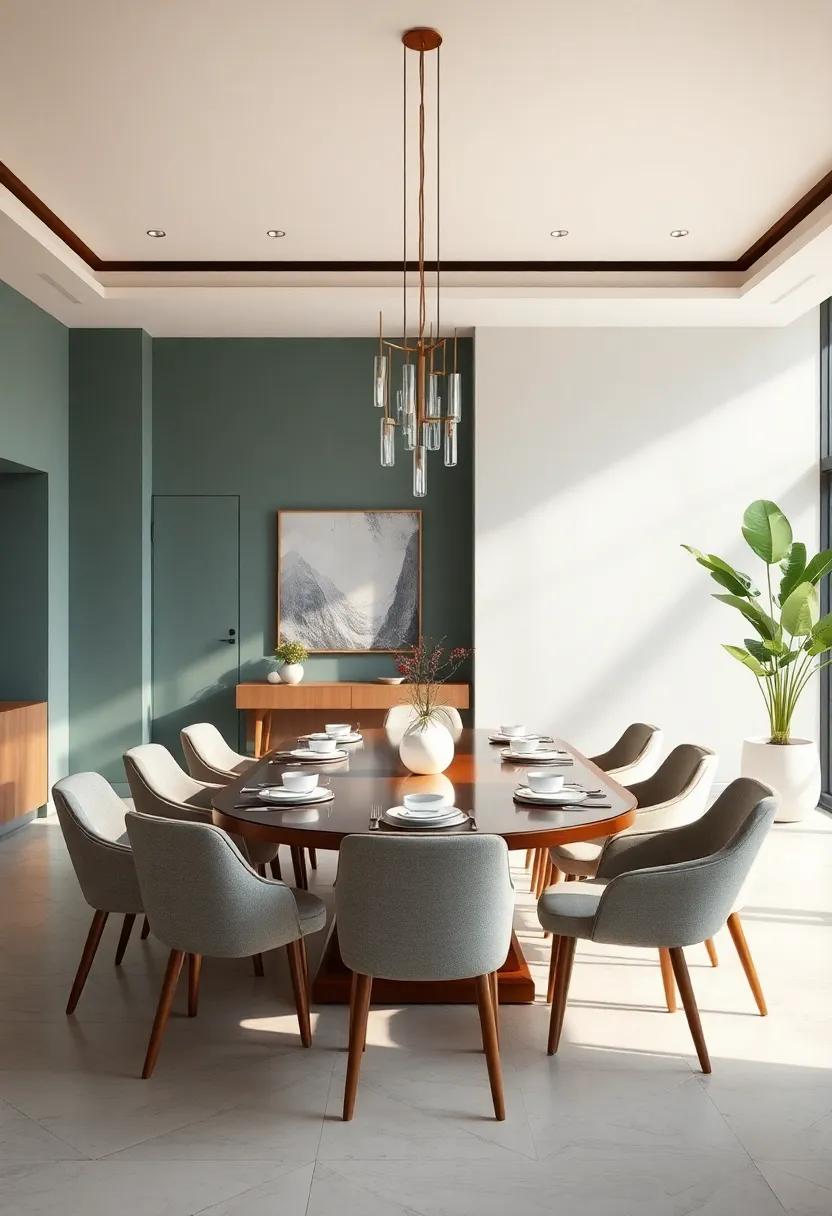
Color schemes play a pivotal role in transforming open-concept dining areas into luxurious spaces, where visual resonance can elevate the overall dining experience. By strategically selecting a cohesive palette, you can create a sense of harmony that connects the dining area to other zones in your home.Soft neutrals such as taupe and ivory offer a sophisticated backdrop, allowing bold accents—like emerald green or deep navy—to stand out as focal points. Incorporating these bolder shades through elements like artwork, table linens, or decorative tableware can make your dining space feel both inviting and chic.
To maximize the impact of your color choices, consider the relationship between the dining area and adjacent spaces, focusing on an uninterrupted flow. A transitional technique involves using a gradient of colors that defines the boundaries while maintaining visual interest. You could also opt for a two-tone effect on wall surfaces to delineate space while adding dimension. To illustrate various options, here’s a simple comparison of effective color combinations:
| Color Pair | Vibe | Best For |
|---|---|---|
| Soft Gray & Blush Pink | Elegant | Intimate Gatherings |
| Charcoal & Gold | Luxurious | Formal Occasions |
| Light Blue & White | Refreshing | Casual Dining |
| Olive Green & Cream | Warm | Cozy Family Meals |
Incorporating nature: Bringing the Outside In with Indoor Plants
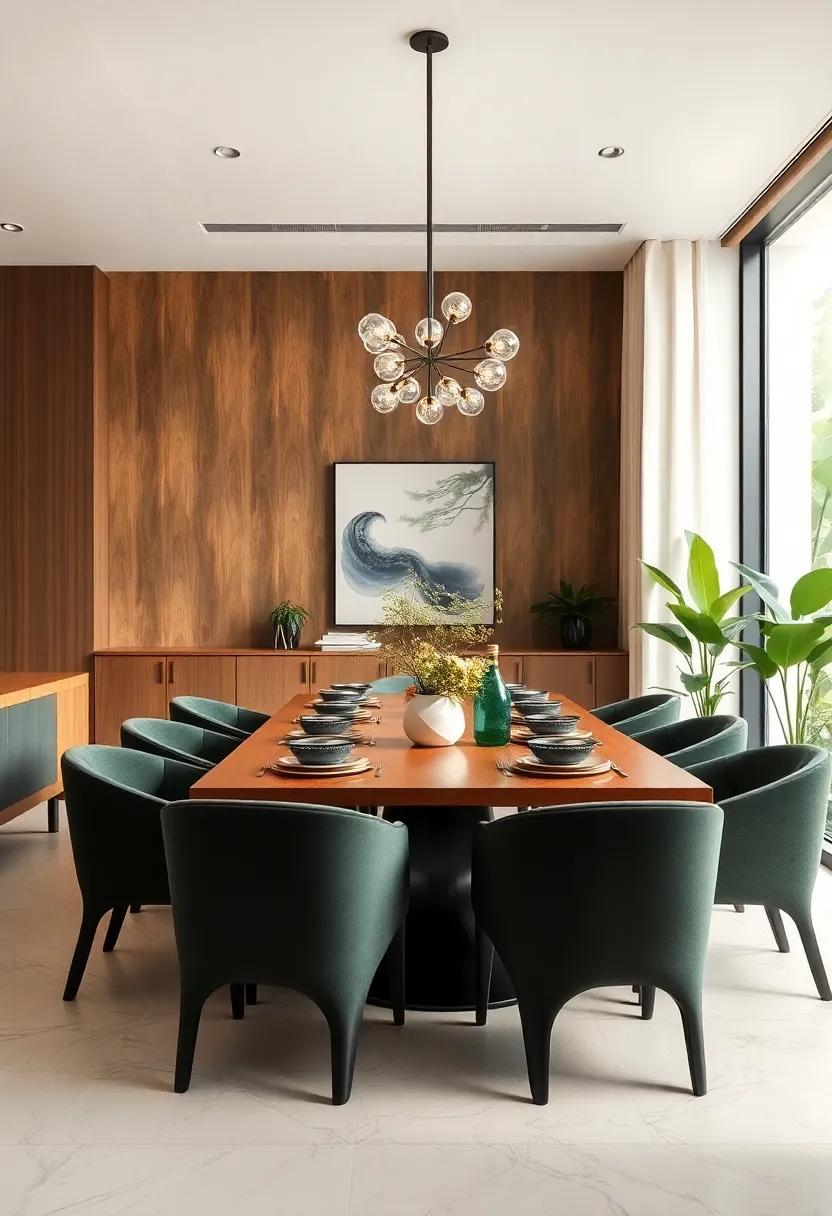
integrating indoor plants into luxury dining rooms not only enhances aesthetics but also contributes to a serene atmosphere. the presence of greenery can soften the lines of modern design, bringing warmth and life to open-concept spaces.Consider the following types of plants to elevate your dining experience:
- Fiddle Leaf Fig: A bold statement piece that adds height and texture.
- Snake Plant: Low-maintenance and striking, perfect for contemporary settings.
- Peace Lily: Elegant blooms and air-purifying qualities bring tranquility.
- Boston Fern: Lush foliage that adds a classic touch to any dining area.
When choosing the right plants, consider their placement and the overall layout of your dining space. Lush greenery can be used to define zones in an open floor plan, enhancing both visual appeal and functionality. Below is a simple guide on optimal placement:
| Plant Type | Ideal Placement | Benefits |
|---|---|---|
| Fiddle Leaf Fig | In a corner or near windows | Creates a dramatic focal point |
| Snake Plant | On dining table or sideboard | Enhances air quality |
| Peace Lily | On a shelf or in a hanging pot | Adds elegance and air purification |
| Boston Fern | On a pedestal or in a planter | Brings a classic touch and moisture |
Seamless Flow: Design Techniques for Cohesive Open-Concept Living
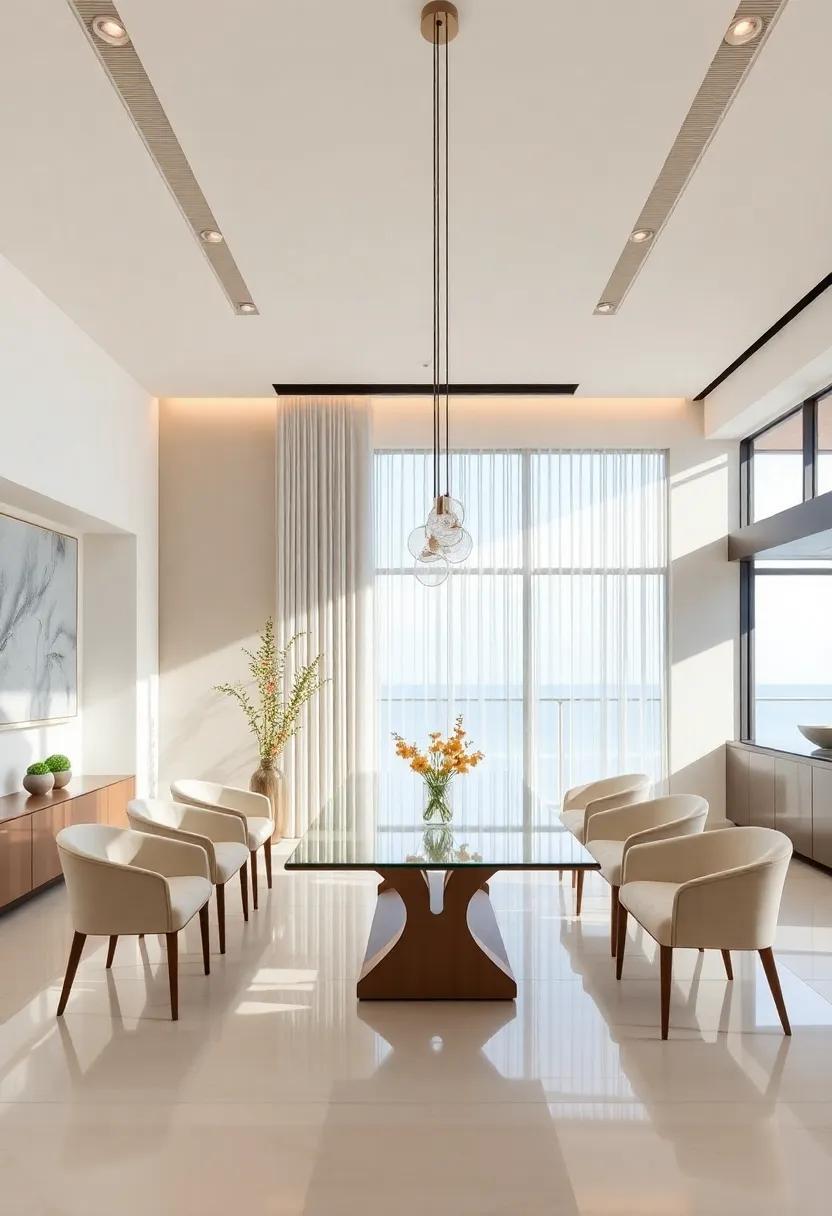
Achieving a harmonious look in open-concept living spaces calls for thoughtful design techniques that ensure a seamless transition from one area to another. focus on color schemes and materials that create a cohesive ambience. By selecting a unified palette that weaves through the dining room and adjoining living space, you establish a visual connection. Use similar textures, such as soft fabrics on dining chairs that echo the upholstery of living room couches, to enhance this blend. Consider the following elements for achieving unity:
- Color Coordination: Choose a main color that flows through all spaces.
- Consistent Flooring: Use the same or complementary flooring materials.
- Complementary Furniture Styles: Balance contemporary and traditional pieces.
- Lighting Design: Adopt a singular light fixture theme across the areas.
The arrangement of furniture also plays a crucial role in promoting flow.In open-concept designs, defining each area without obstructing movement is key. For instance, a dining table can act as a visual anchor in the dining space while providing enough space for guests to move freely without feeling isolated. Consider using furniture layouts that enhance social interactions while delineating zones, such as placing a sofa facing the dining area. Below is a simple table to illustrate various furniture arrangements suited for open-concept designs:
| Arrangement Type | Advantages | Best For |
|---|---|---|
| Linear Layout | Maximizes space; encourages flow | Small to medium areas |
| Zone Division | Creates distinct areas; adds functionality | Larger open spaces |
| Curvilinear Layout | Softens lines; encourages movement | Casual settings |
Artistic Centerpieces That Make Dining Tables the focal Point
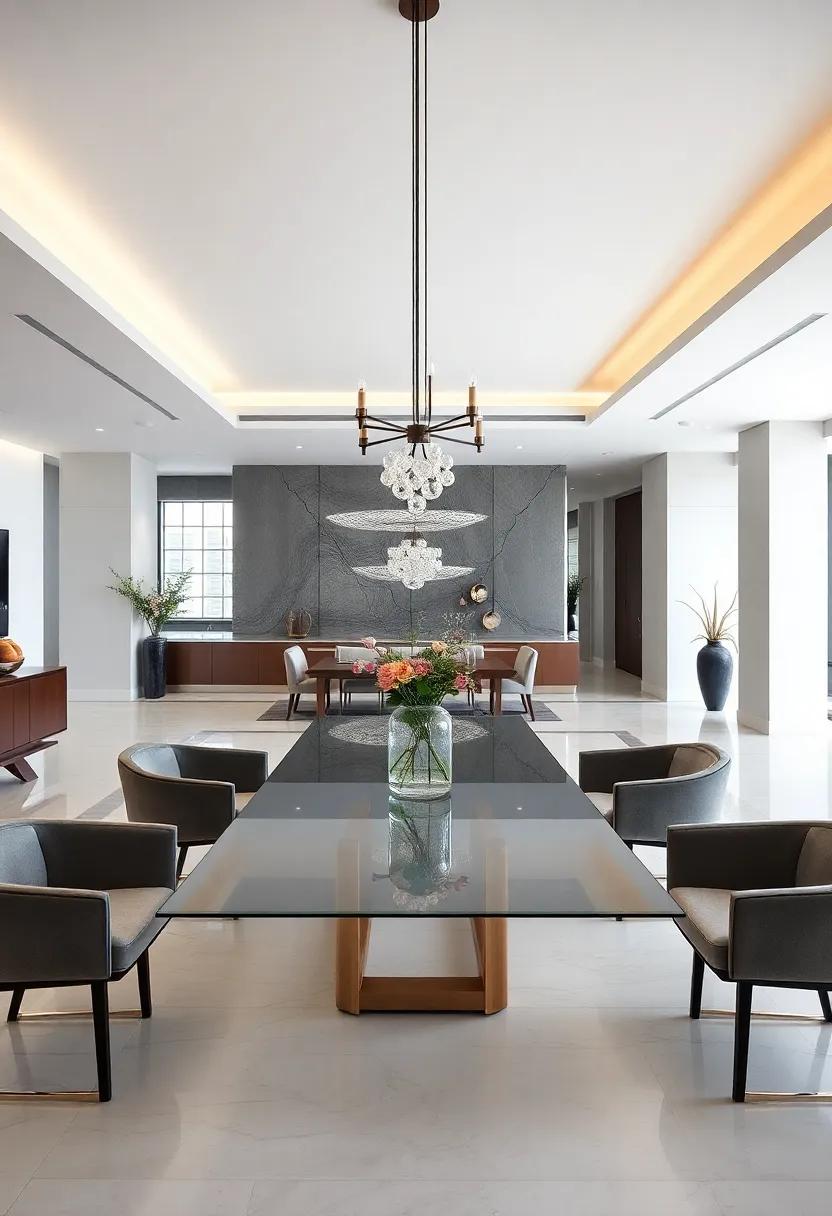
When it comes to creating a captivating dining experience, artistic centerpieces can serve as the bridge between functionality and style. These statement pieces transcend mere decoration; they become essential components of the dining room’s narrative.A thoughtfully curated centerpiece can draw the eye, inviting guests to gather and appreciate the ambiance. Consider options such as:
- Floral arrangements: Vibrant blooms that change with the seasons add a natural charm.
- Candles: Varying heights can create dynamic levels of light and warmth.
- Sculptural objects: Choose unique materials or forms to serve as conversation starters.
- Artistic bowls: Stunning pieces can hold fruit or other items, merging beauty with utility.
Centerpieces can also complement the overall design of open-concept spaces by harmonizing with the surrounding decor. Consider utilizing a distinctive color palette or texture that coordinates with adjacent areas. The integration of multifunctional pieces can further elevate your design, allowing for a seamless flow between dining and living spaces. Here’s a simple table highlighting popular materials for centerpieces:
| Material | vibe | Maintenance |
|---|---|---|
| Glass | Elegant | Easy to clean |
| Wood | Rustic | Requires occasional polishing |
| ceramic | Artistic | Durable,but can chip |
| Metal | Modern | Simple upkeep |
Ultimately,the right centerpiece can elevate the dining experience,making it memorable and visually pleasing. It captures the essence of your style while complementing the art of dining in an open-concept environment, ensuring that your table stands out as the heart of your home.
Exploring the Influence of Textiles in Luxury Dining Room decor
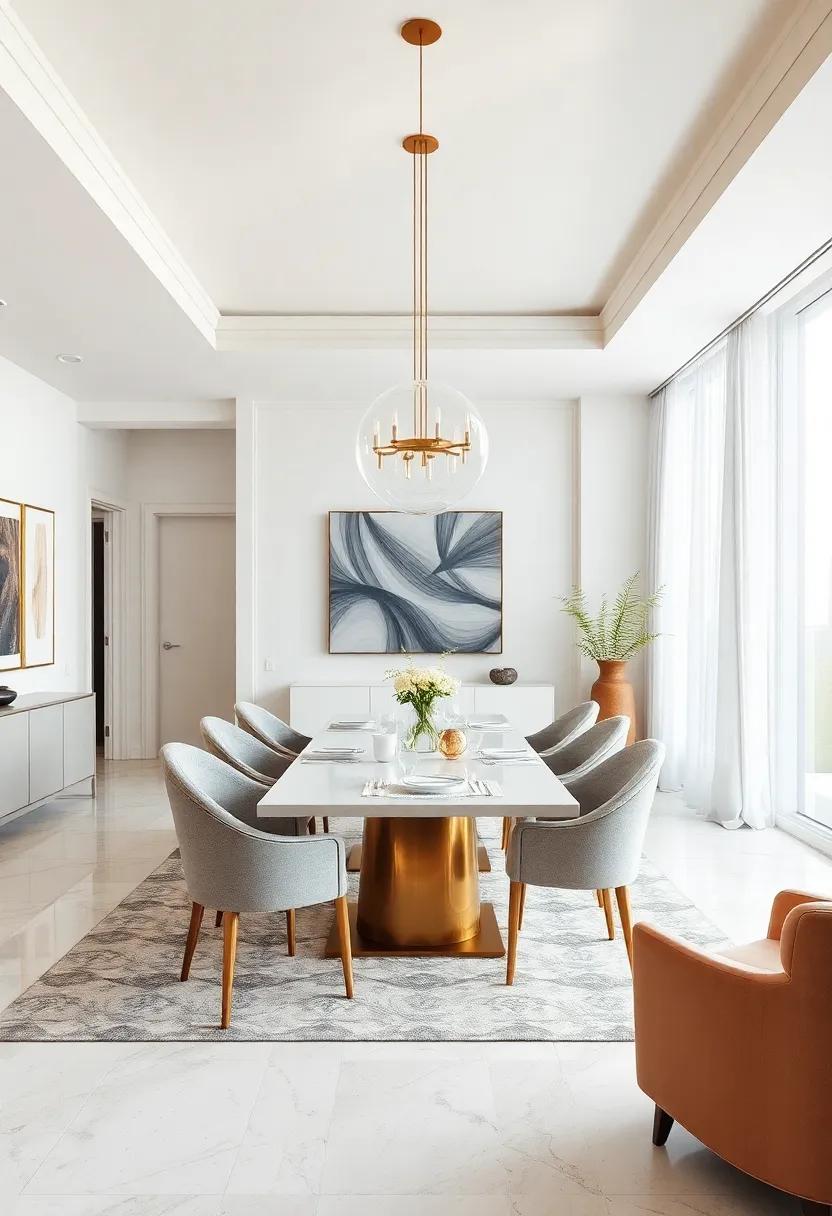
The realm of luxury dining room decor is intricately woven with the textures and hues of premium textiles. Fabrics such as silk, velvet, and linen play a pivotal role in shaping the aesthetic of the space, elevating it from mere functionality to an inviting sanctuary of sophistication.These materials not only contribute to the visual appeal but also enhance the tactile experience, inviting diners to engage more fully with their environment. The careful selection of table linens, upholstery, and even drapery can create a harmonious flow that brings together the elements of style and comfort. Consider incorporating textiles that resonate with the overall theme of your dining area, whether it be through rich patterns, muted tones, or bold statements.
Along with beautifying the space, textiles serve practical purposes that are essential in a dining setting. Consider the following attributes as you curate your luxury dining experience:
- Durability: Choose high-quality materials that withstand wear over time.
- Sound Absorption: Soft fabrics can help absorb noise,promoting a serene dining atmosphere.
- variety: Layering different textiles can add dimension and warmth to the room.
In terms of color palettes, a thoughtfully designed table setting can elevate your dining experience. Below is a simple selection of color combinations that can define the essence of your luxury dining ambiance:
| Palette | Description |
|---|---|
| ivory & Gold | A blend of elegance and glamour, perfect for formal settings. |
| Deep Blue & Silver | Evokes a calm and modern vibe, ideal for contemporary spaces. |
| Forest Green & Earth Tones | Brings a touch of nature indoors, creating a cozy atmosphere. |
Innovative Storage Solutions That Enhance Style Without Compromising Space
In a world where space is often a luxury, combining functionality with aesthetics is key to achieving a dazzling dining area. innovative storage options, like sleek sideboards and multi-functional cabinets, seamlessly blend into open-concept designs, ensuring that style is maintained while maximizing storage. Consider incorporating pieces that offer both display and concealment capabilities, such as:
- Stylish Buffets: Perfect for storing dinnerware while providing a surface for decor.
- Floating Shelves: Ideal for showcasing art and keeping table essentials within reach.
- Bench Storage: Dual-purpose seating that doubles as hidden storage for linens and extra dishware.
to further optimize your dining room’s layout, incorporate modular furniture that can adapt to your needs, creating versatile spaces that invite both intimate dinners and larger gatherings.Below is a simple overview of effective choices:
| Storage Solution | Functionality | Style Elements |
|---|---|---|
| Sideboard | Hides tableware | Elegant finishes |
| Cabinet | Multi-functional | Designer hardware |
| Bench | Storage + seating | Upholstered options |
A Splash of Glamour: Incorporating Mirrors for Depth and Light
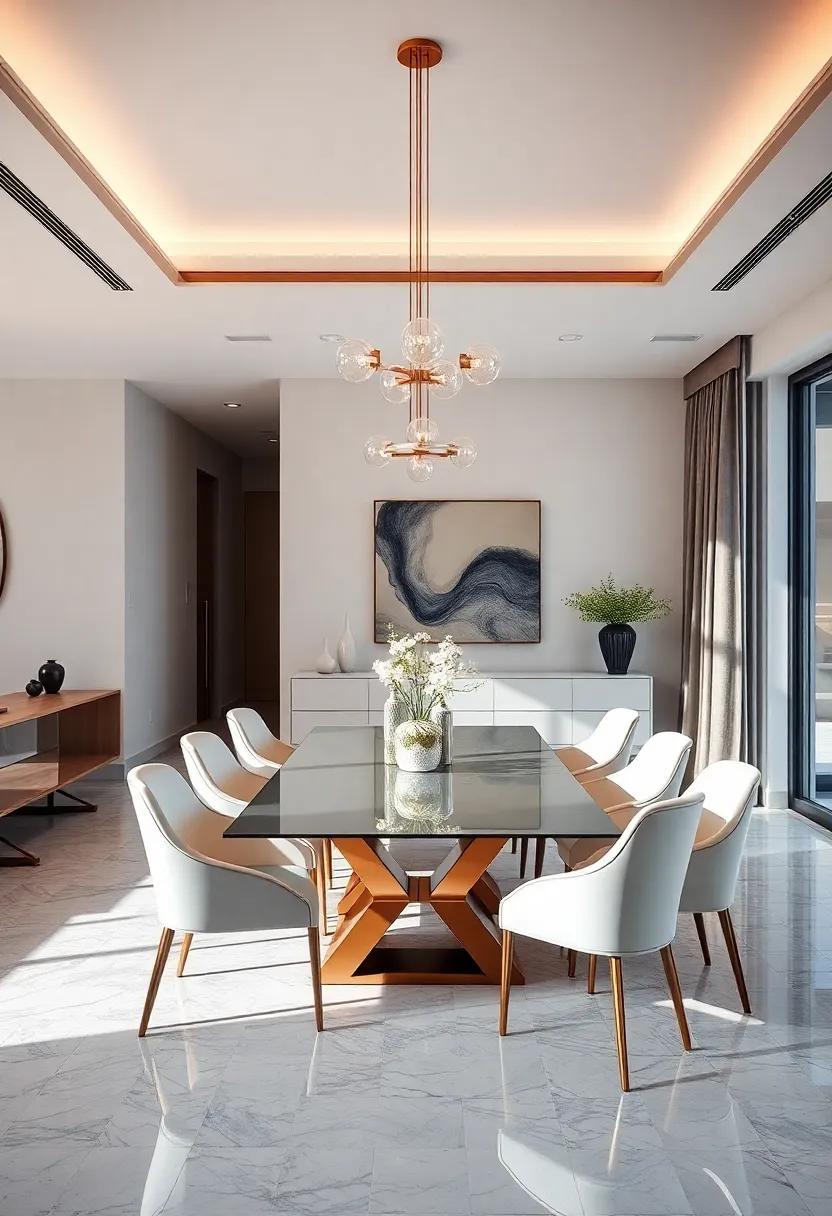
Mirrors can be transformative in any interior space, but they shine exceptionally in open-concept dining areas where depth and light are paramount. Adding tactically placed mirrors can create the illusion of a larger space while reflecting light from windows and light fixtures. Consider using mirrors that complement the style of your dining room, whether it be through sleek, modern frames or ornate, vintage designs. This element not only enhances the visual appeal but also enriches the overall experience of the dining space. Explore options such as:
- statement Wall Mirrors: An oversized mirror can act as an eye-catching focal point.
- Mirrored furniture: Incorporate pieces like a mirrored sideboard to blend luxury with functionality.
- Gallery Walls: Create a collage of various-sized mirrors for eclectic elegance.
Utilizing mirrors also allows for creative architectural details to shine. Placing mirrors opposite windows can amplify the natural light that floods into the room,creating a warm and inviting atmosphere. To elevate this effect, consider integrating mirrors with distinctive finishes or textures, such as antique gold or distressed wood. This can infuse a sense of luxury and personality into your dining room. Below is a simple comparison of mirror types that can be beneficial in selecting the right style for your space:
| Mirror Type | Style Impact | Best Placement |
|---|---|---|
| Round Mirrors | Softens angular lines | Above a sideboard or in the dining nook |
| Rectangular Mirrors | Enhances verticality | Along hallway walls or over a buffet |
| Decorative Mirrors | Adds artistic flair | As a centerpiece or statement piece |
Personal Touch: Custom Artwork and Décor in Dining Areas
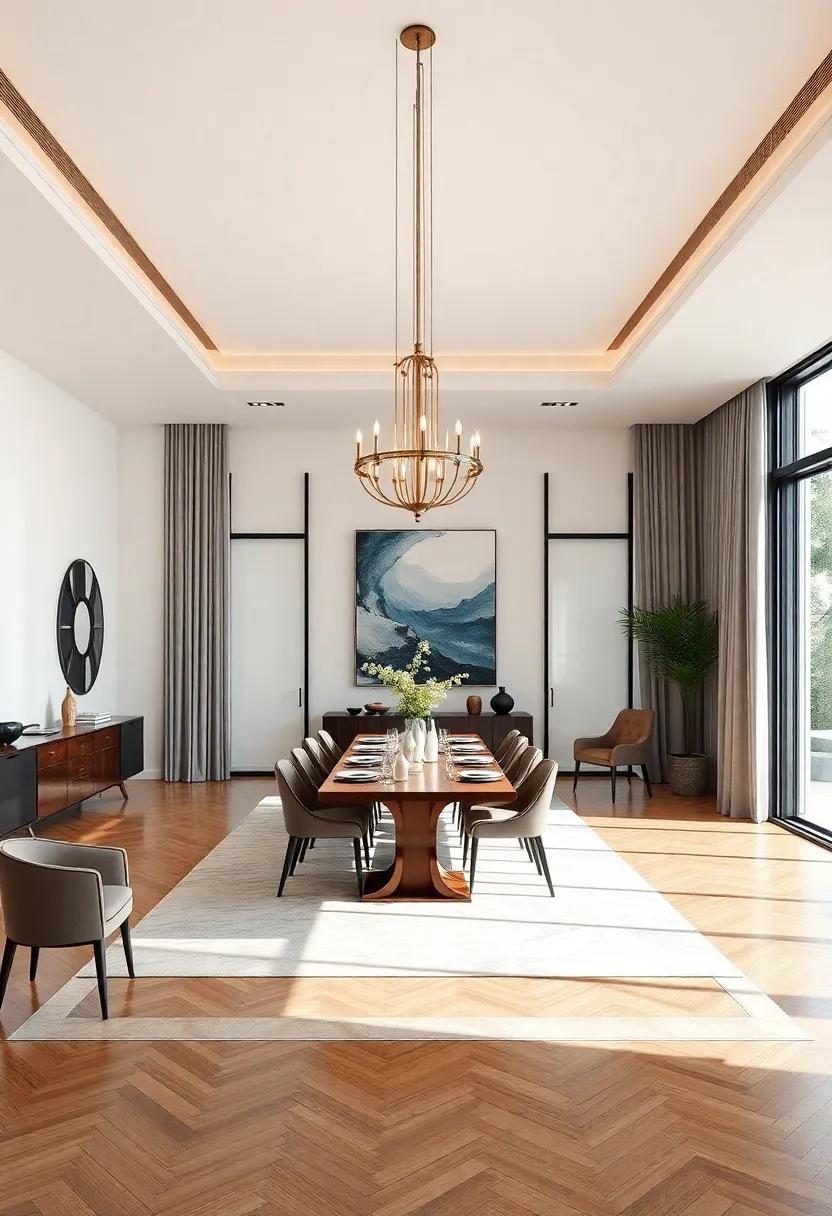
Custom artwork and décor can transform dining areas from mere functional spaces into vibrant expressions of personal style. By incorporating unique pieces that resonate with your taste and experiences, you create a more inviting atmosphere. Consider adding:
- Locally sourced artwork: Support local artists and bring character to your dining room.
- Personalized table centerpieces: opt for handmade pottery or custom floral arrangements that tell your story.
- Textured wall treatments: Think about adding a statement mural or a gallery wall featuring family photos.
Moreover,integrating bespoke elements into your dining space can foster meaningful conversation among guests. A carefully curated ambiance can be achieved through well-considered décor, which may include:
- Artisan-crafted furniture: Pieces that reflect your heritage or passions can enhance the dining experience.
- Statement lighting: Unique chandeliers or pendant lights can serve as functional art pieces.
- Customized placemats and tableware: These small details can elevate meal presentations and make dining memorable.
Functional Elegance: Designing Multi-Use Spaces in Open Layouts
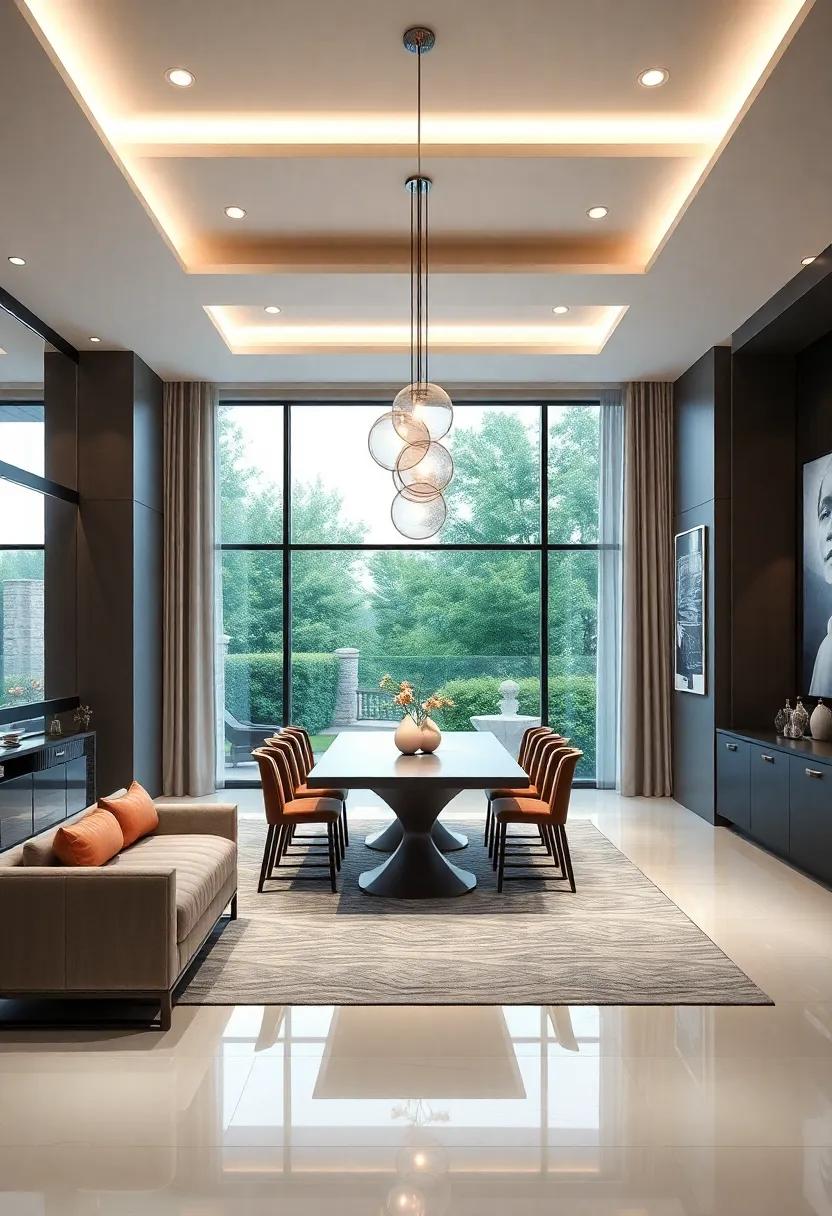
In the realm of open layouts, the charm of multi-use spaces emerges as a hallmark of modern design. A thoughtfully designed area can seamlessly transition from a vibrant dining destination to a cozy gathering spot, ensuring functionality exemplifies aesthetic appeal. Achieving this balance involves selecting versatile furniture pieces that cater to both comfort and style. Consider options such as:
- Extendable dining tables that adapt to accommodate guests, providing versatility without sacrificing elegance.
- Stylish room dividers that artfully define zones while enhancing the overall decor.
- Multifunctional seating, like ottomans or benches, that doubles as storage and additional seating when entertaining.
Integrating elements that speak to both comfort and luxury allows for a sophisticated atmosphere that invites connection. Textiles and color schemes play a vital role in enhancing the warmth and cohesiveness of the space. Use a palette that reflects personal style while maintaining a sense of unity throughout the open-concept design. Here’s a simple overview of how different design elements contribute to the overall feel of the space:
| Element | Effect |
|---|---|
| Lighting | Creates ambiance and highlights key areas. |
| Color Scheme | Integrates spaces and influences mood. |
| Furniture Arrangement | maximizes flow and encourages interaction. |
Captivating views: Maximizing Natural Light in Your Dining Room
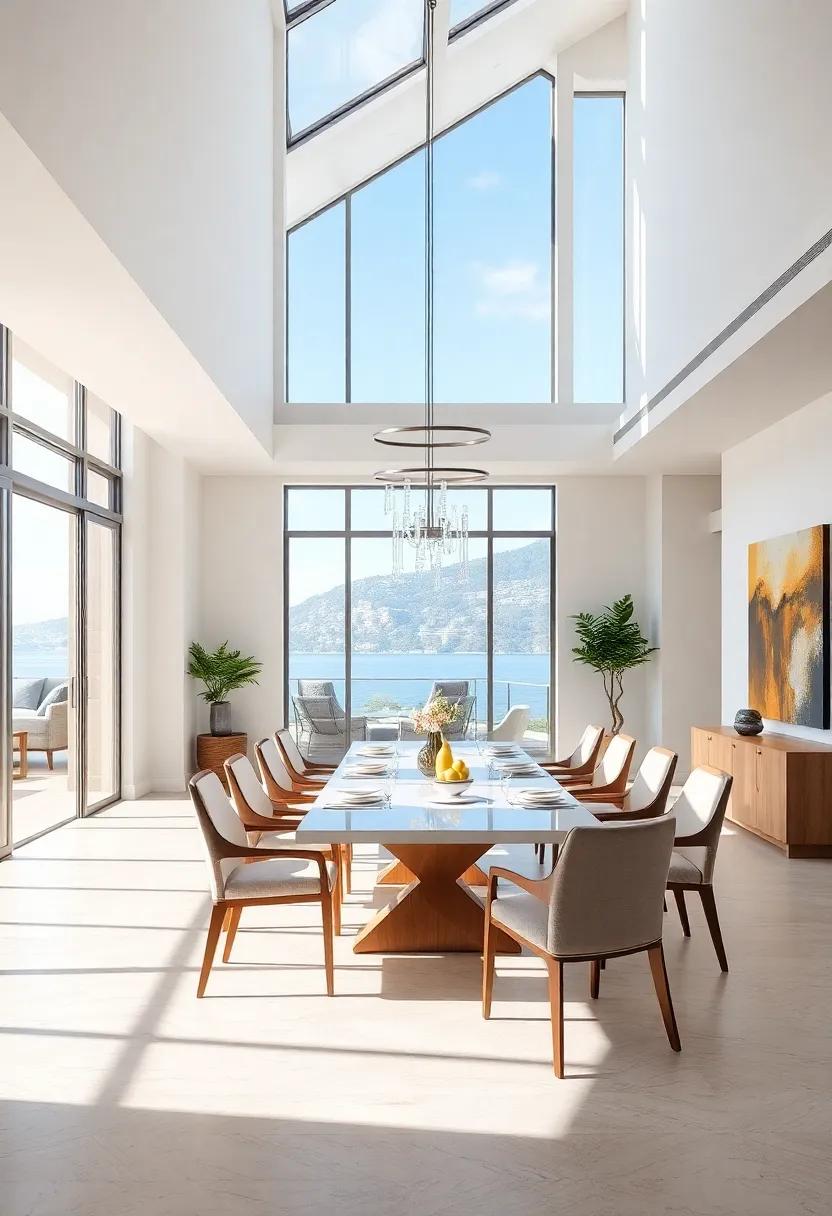
To truly enjoy the luxury of an open-concept dining area,maximizing natural light is essential. Start by considering the orientation of your space; large windows that face southeast will capture the morning light, while those facing southwest will bask in the golden glow of late afternoon. Opt for sheer window treatments that allow sunlight to filter through, creating a warm ambiance while maintaining privacy. Additionally, incorporating mirrors can definitely help reflect light, giving the illusion of a brighter and more spacious environment. Strategically placing mirrors across from windows can enhance the effect, doubling the impact of the natural light.
Another key element in utilizing natural light is the choice of colors and materials within your dining room. Light-colored walls can brighten up the space, making it feel airy and inviting. Pair these with natural wood or stone finishes for your dining table and chairs to bring a touch of elegance while reinforcing a connection to nature.Consider adding greenery with indoor plants to add life and a splash of color, benefiting not only the aesthetic but also contributing to a healthier indoor environment. To complement these ideas, here are a few ideas for materials that enhance light and space:
| Material | Benefit |
|---|---|
| Glass | Reflects light and creates an open feel. |
| Mirrored Surfaces | Enhances brightness and depth. |
| Pale Wood | Brings warmth without absorbing light. |
| Natural Stone | Adds texture and complements natural light. |
Balancing Style and Comfort in Open-Concept dining Experiences
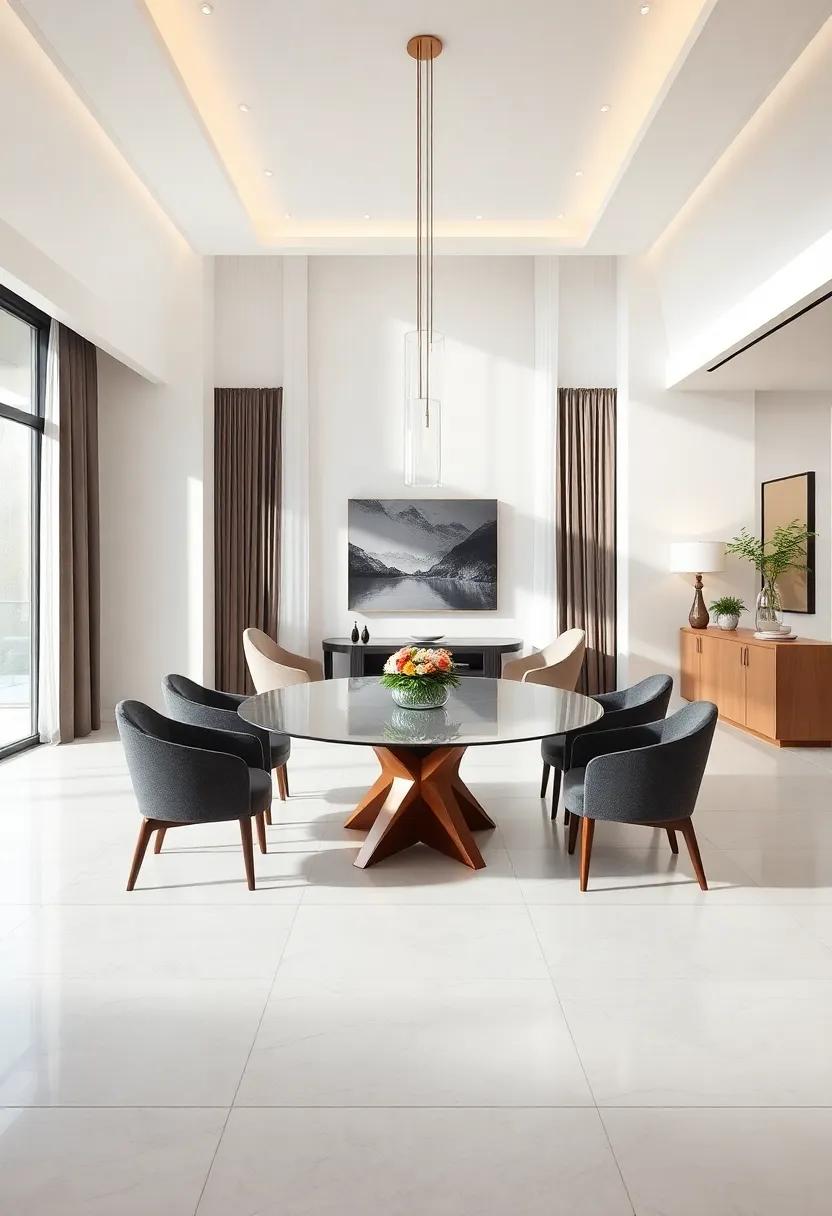
In open-concept dining experiences, achieving a harmonious blend of style and comfort is essential for creating an inviting atmosphere. The design should not only reflect personal aesthetic preferences but also accommodate the practicalities of everyday life.Consider incorporating elements such as:
- Textured fabrics: Opt for upholstery that feels good to the touch, like velvet or soft cotton blends, which can add warmth and livability.
- Layered Lighting: Utilize a combination of pendant lights, sconces, and ambient lighting to enhance the mood without sacrificing functionality.
- Flexible Seating: Choose a mix of dining chairs, banquettes, and benches that can cater to both formal and casual dining experiences.
To further refine the balance between comfort and style, consider how color palettes and materials interact within the open space. Create a cohesive flow throughout the area by selecting a consistent color scheme that complements your furniture and decor. When evaluating table options, the height and material should support the overall design while ensuring practicality. here’s a simple comparison of three popular dining table styles:
| Table Style | Material | Comfort Level |
|---|---|---|
| Round | Wood | High |
| Rectangular | Glass | Medium |
| Extendable | Marble | High |
Layered Aesthetics: Mixing Modern with Classic Design Elements
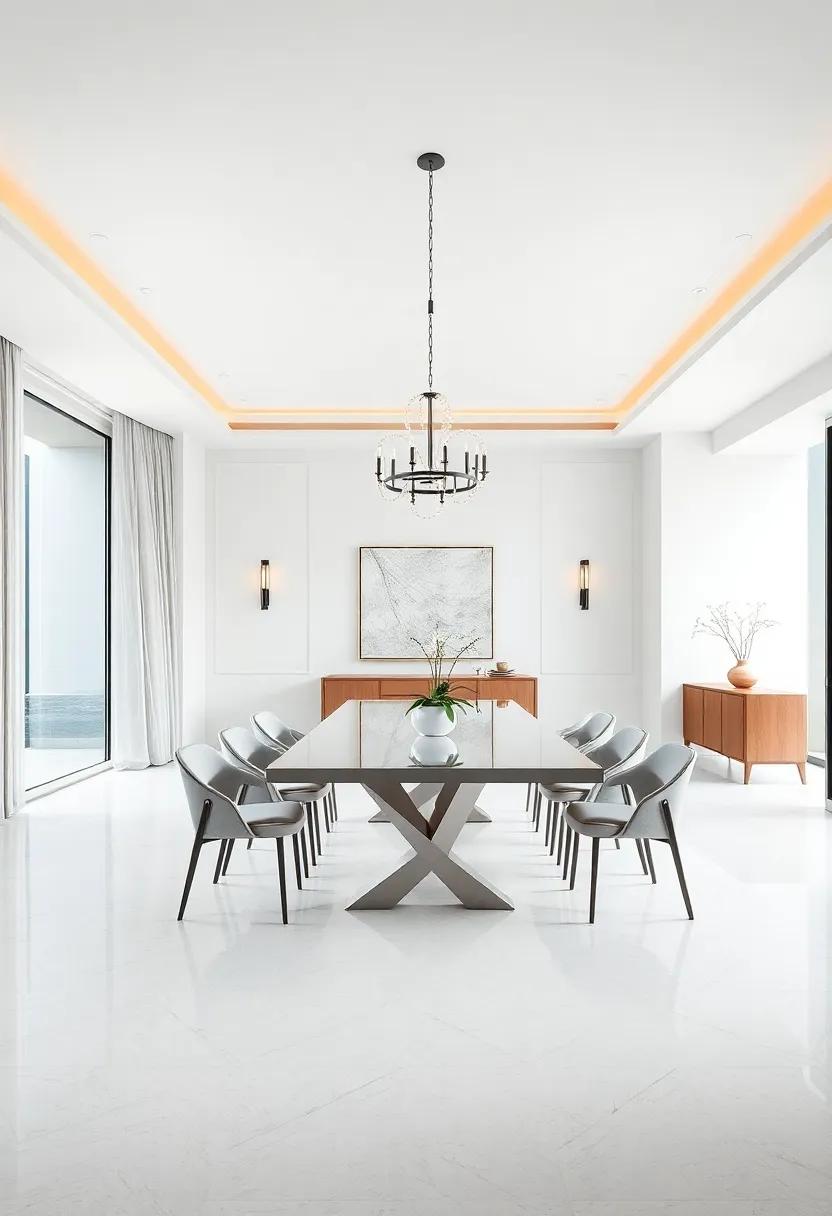
Combining modern and classic design elements results in a visually stunning and timeless approach that can transform any open-concept dining area. By incorporating elegant details such as ornate moldings and rich wood textures, you can create a striking contrast against sleek, contemporary furnishings. As a notable example, a modern glass dining table can beautifully coexist with upholstered chairs featuring vintage patterns, while an antique chandelier provides a focal point overhead, enhancing the overall atmosphere of the space. Other ways to achieve this layered aesthetic include:
- Utilizing a palette that juxtaposes muted tones with bold accents
- Incorporating metallic finishes alongside reclaimed wooden pieces
- Adding artwork that merges contemporary styles with classical themes
To further accentuate this blend, consider arranging your furniture thoughtfully to maintain the open feel of the space while establishing distinct zones for dining and relaxation. A well-placed area rug can definitely help define the dining area, drawing attention to both classic and modern elements. Below is an example of how various pieces can harmonize within a luxurious dining design:
| Design Element | Style | Impact |
|---|---|---|
| Wooden Dining Table | Classic | Warmth and Texture |
| Glass Centerpiece | Modern | Lightness and Elegance |
| Vintage Chairs | Classic | Character and Comfort |
| Contemporary wall art | Modern | Visual Interest |
Unique Bar Carts as statement Pieces in Dining Room Decor
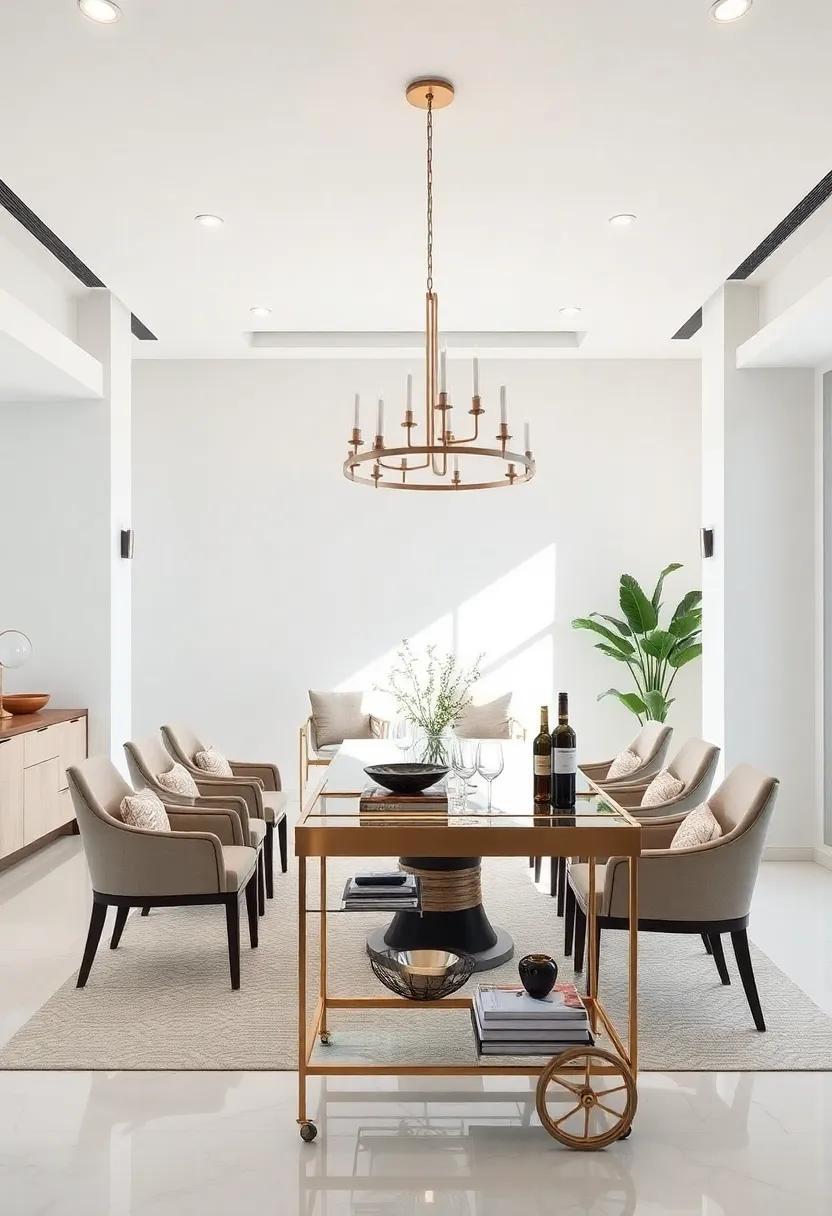
A bar cart can be more than just a functional piece; it serves as an elegant focal point in your dining room, blending style and sophistication. These unique carts come in various designs,from sleek modern aesthetics to vintage-inspired beauties,allowing for a variety of combinations with your dining room decor. Here are some elements that make bar carts stand out:
- Materials: Whether crafted from wood, metal, or glass, the choice of materials can dramatically influence the overall ambiance.
- Color Palette: Bold colors or subtle tones can be chosen to either contrast or complement existing decor, making them a flexible design choice.
- Decorative Elements: Style them with artful glassware, fresh flowers, or vintage whiskey bottles to enhance their visual appeal and functionality.
When strategically placed, bar carts can break up the visual space in an open-concept dining area, adding dimension and character. Consider incorporating unique lighting options or decorative backdrops to elevate the statement further. Here’s a quick comparison of different types of bar carts:
| Bar Cart Type | Best For | Unique Feature |
|---|---|---|
| Modern Acrylic | Contemporary Spaces | Transparency to create an airy feel |
| Vintage Trolley | Eclectic Decor | Character with rustic finishes |
| industrial Metal | Loft-Style Homes | Robust and sturdy design |
| Wooden Rustic | Cozy Settings | Warmth and charm from natural materials |
Curating an Inviting Dining Atmosphere Through Strategic Layouts
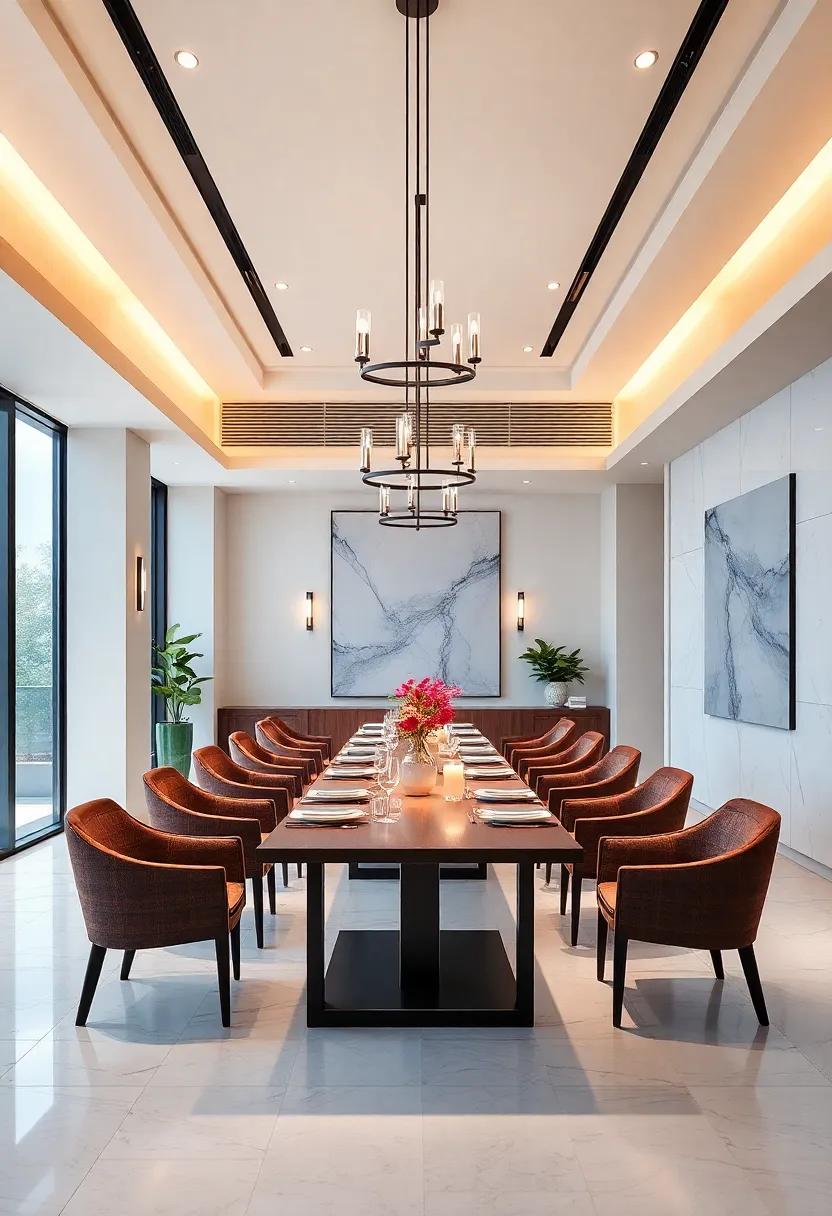
Creating a warm and welcoming dining experience begins with a thoughtful arrangement that promotes interaction and flow. Consider establishing distinct zones within your open-concept space to subtly delineate the dining area from other parts of the room. A strategic layout might involve positioning the dining table near large windows to take advantage of natural light, while carefully selecting furniture that complements both the dining area and adjacent living spaces. Use rugs to anchor the table, bringing texture and warmth, while also encouraging guests to gather comfortably around the meal.
Additionally, the use of focal points can significantly enhance the dining ambiance.Incorporate a statement light fixture such as a chandelier or a cluster of pendant lights above the table, drawing the eye and creating an intimate atmosphere. To further enrich the experience,consider adding elements such as:
- Artwork or wall decor that resonates with the overall theme of your home
- Layered lighting with ambient,task,and accent options for flexibility
- Natural elements,such as potted plants or floral arrangements,to bring life to the space
| Element | Purpose |
|---|---|
| Rug | Defines the dining area |
| Light Fixture | Creates a focal point and sets the mood |
| Plants | Adds a touch of nature and freshness |
Enhancing the Experience with Smart technology in Dining Spaces
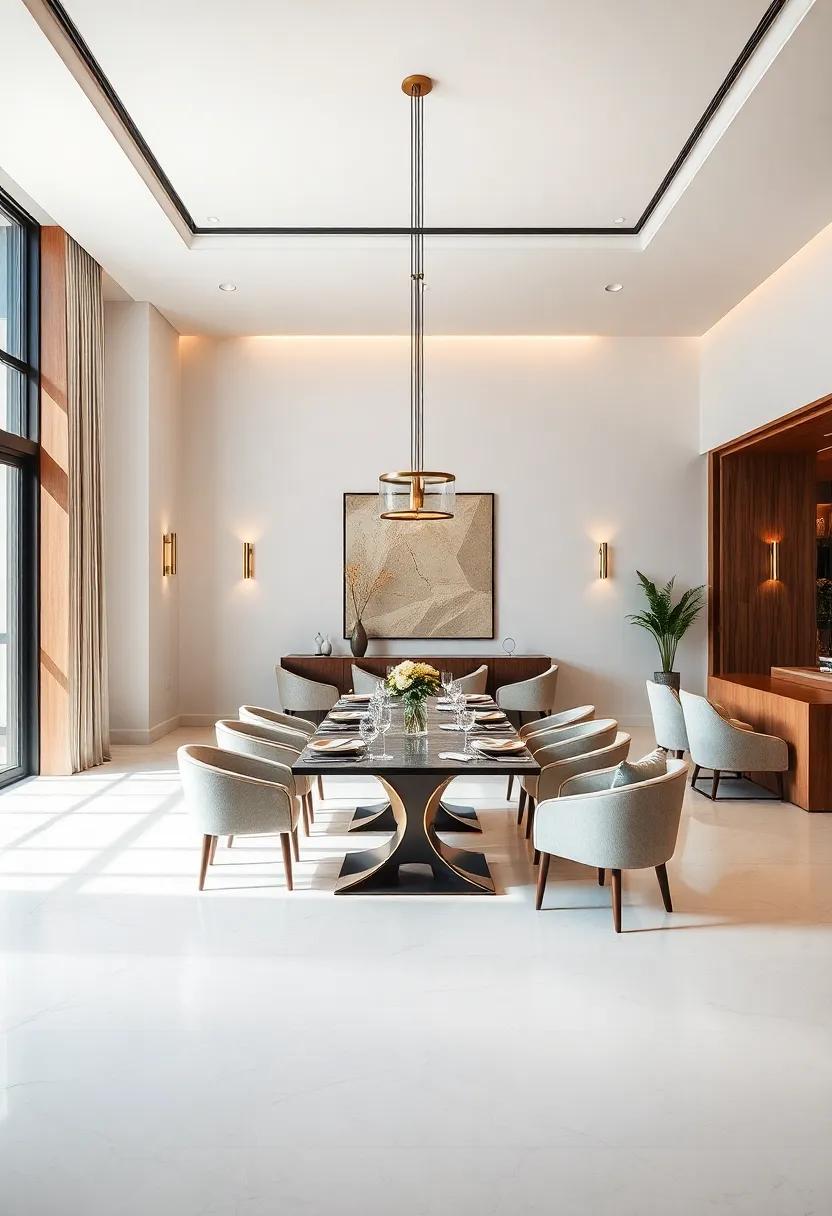
Incorporating smart technology into dining areas not only enhances convenience but also transforms the overall dining experience. imagine hosting a dinner party where the ambiance is controlled by a simple voice command or the tap of a finger. Smart lighting systems can highlight your elegant table setting,while automatic window treatments adjust the natural light to create the perfect atmosphere. With integrated sound systems, you can play your favorite playlists or ambient sounds that elevate the mood, making every meal feel special and thoughtfully curated.
Along with visual and auditory enhancements, smart kitchen appliances are revolutionizing meal preparations. From refrigerators that help you keep track of ingredients to ovens that can be preheated remotely, technology streamlines cooking processes. Homeowners can also embrace smart tables equipped with built-in touchscreens that display menus, suggest wine pairings, or even allow for interactive dining experiences, such as virtual cooking classes. These innovations not only add a touch of luxury but also foster a sense of connectivity and engagement among guests, turning every dining occasion into a memorable event.
gourmet Inspirations: Designing a Space for Culinary Adventures
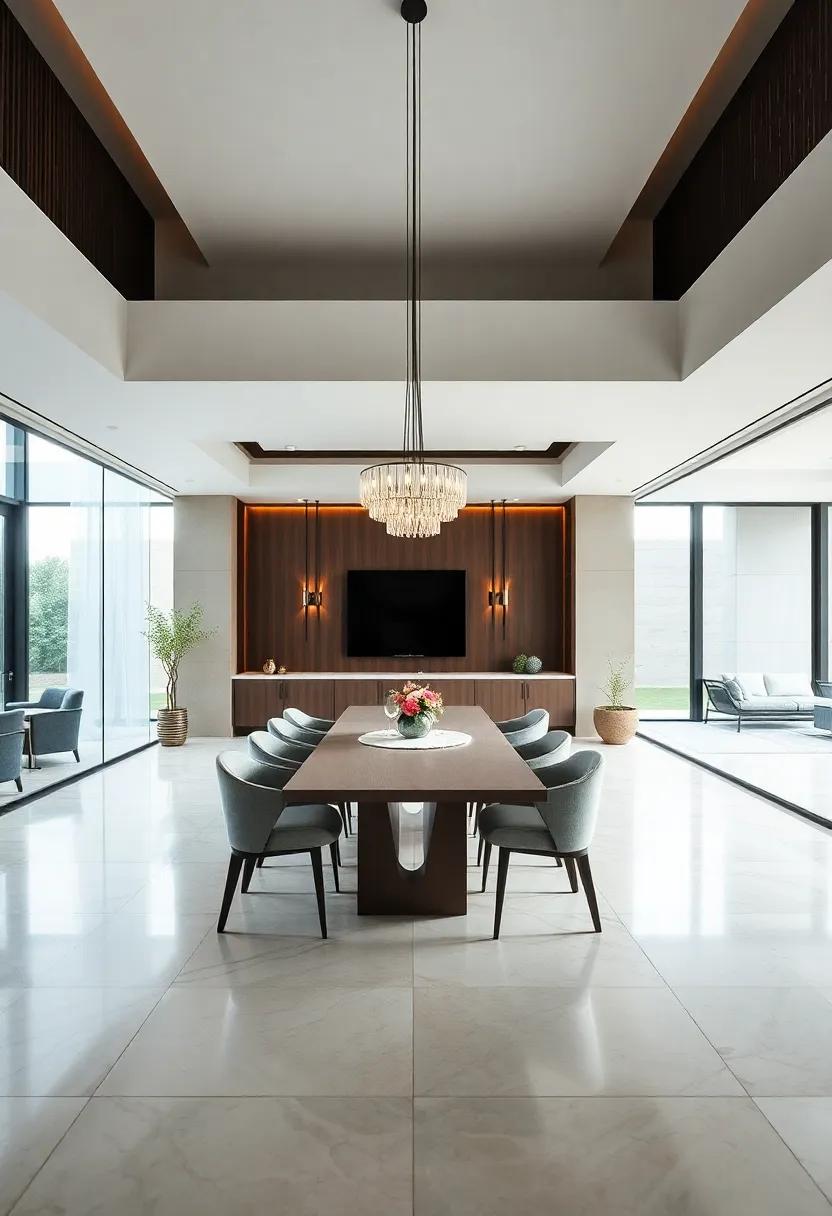
Creating a luxurious dining environment within an open-concept layout invites unforgettable culinary experiences into daily life. The key to achieving this harmonious blend lies in thoughtful design elements that stimulate the senses and elevate the overall atmosphere. Consider incorporating an elegant color palette that complements both the dining space and the adjoining kitchen, allowing for fluid transitions.Accessories such as statement lighting fixtures and chic artwork can serve as focal points, enhancing the gourmet vibe while maintaining an inviting ambiance.
Additionally, the arrangement of furniture plays a crucial role in fostering an inspiring environment. Utilize a mix of textures and materials to create depth and interest. For instance, a blend of wooden elements with sleek metallic accents can embody modern sophistication. Thoughtful placement of functional accessories, like stylish serving ware and curated cookbooks on display, can also encourage creativity in the kitchen.Implementing an effective layout will not only enhance practicality but also inspire spontaneous culinary adventures.
As we conclude our exploration of luxury dining rooms within the inviting embrace of open-concept spaces, it becomes clear that the essence of dining transcends mere functionality; it is indeed an experience woven from the threads of design, ambiance, and personal expression. By thoughtfully integrating exquisite materials,sophisticated furnishings,and curated decor,homeowners can transform their dining areas into serene retreats that invite both intimacy and celebration.
In an age where versatility reigns,the open-concept layout offers unprecedented opportunities for creativity—marrying the elegance of luxury with the warmth of everyday living. Whether you envision lavish gatherings or quiet family dinners, the spirit of elevated dining can infuse your home with a sense of harmony and style.
As you embark on your journey to design the perfect dining space, let your imagination lead the way. After all, in crafting a environment where meals are savored and memories are made, you are not just elevating your home; you are enriching your life. So, gather inspiration, embrace the possibilities, and toast to the beauty of dining in graceful surroundings. Cheers to your next culinary adventure!