
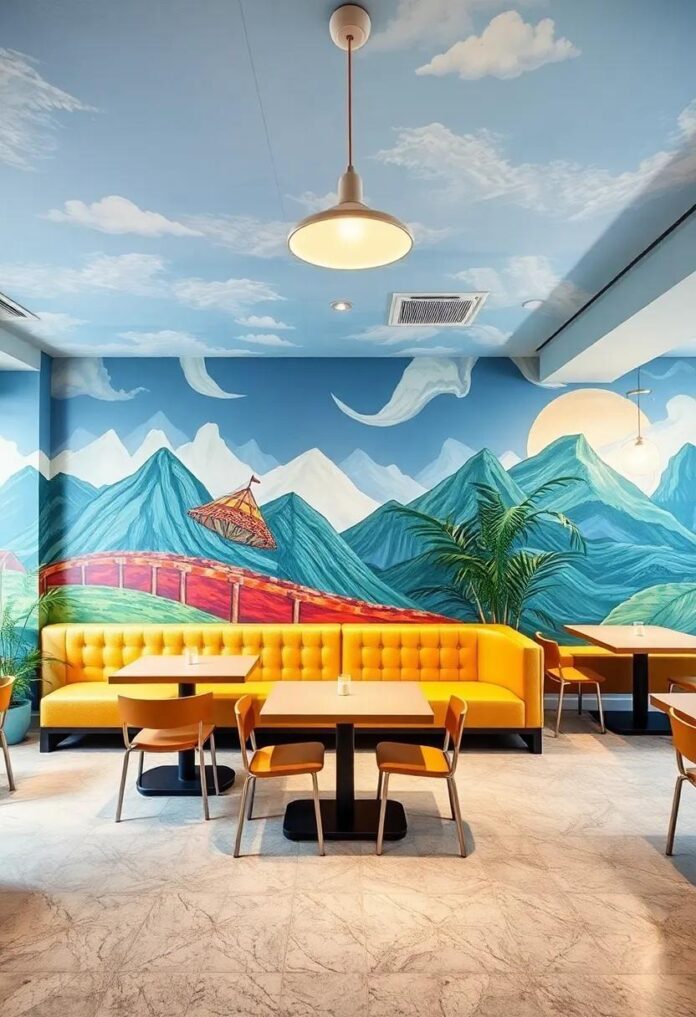
In the heart of every cherished dining experience lies an often-overlooked element: the ambiance. As diners gather to share meals and create memories, the visual landscape that surrounds them plays a pivotal role in setting the mood.enter murals and large-scale artwork—dynamic forms of expression that have the extraordinary ability to transform ordinary dining spaces into vibrant, immersive environments. from cheerful cafés to upscale restaurants, these artistic interventions infuse life, personality, and a sense of place into the dining experience. In this article, we will explore how murals and large-scale art not only enhance the aesthetic appeal of restaurants but also influence customer perceptions, boost engagement, and create a lasting emotional connection to the spaces we inhabit. Join us as we delve into the world of culinary artistry, where every brushstroke tells a story and each wall becomes a canvas for creativity.
Transforming Atmospheres: The emotional power of Mural Art in Dining Spaces
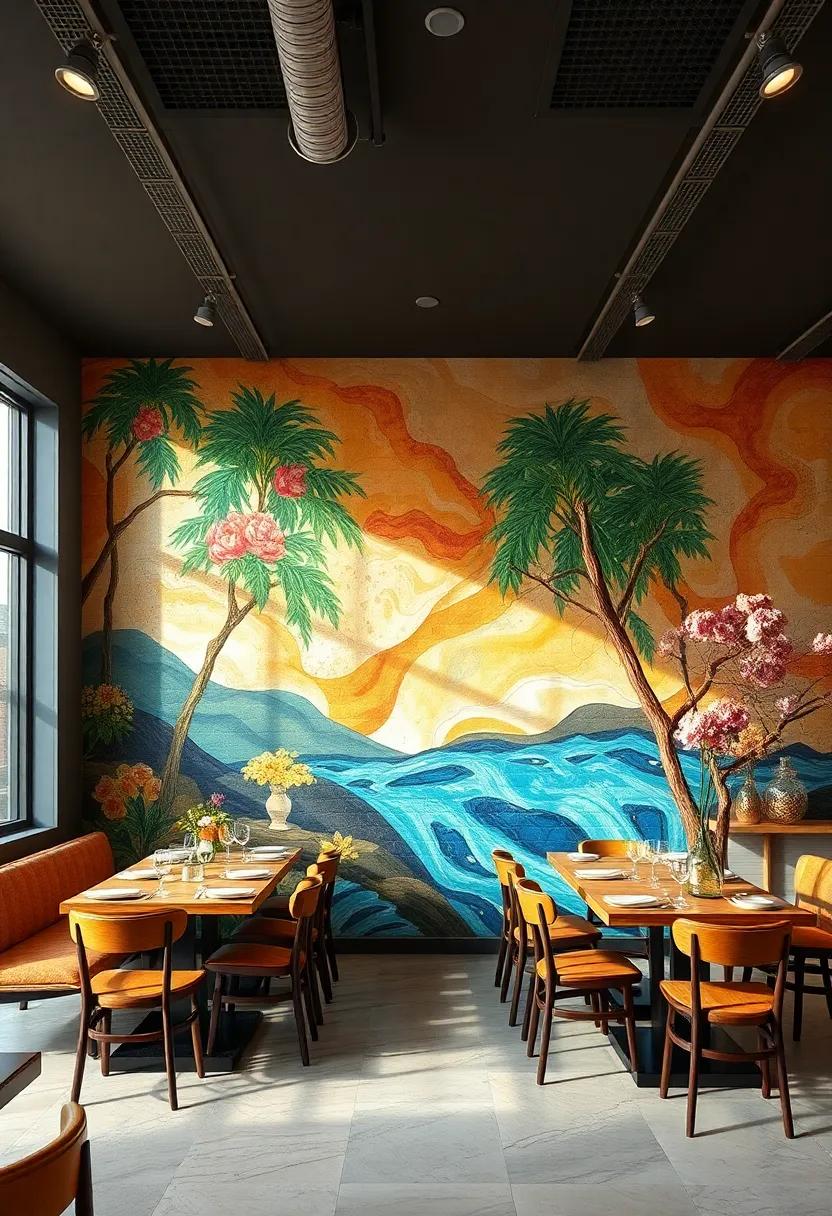
The integration of mural art in dining spaces plays a pivotal role in shaping emotional experiences. When patrons step into a venue adorned with large-scale murals, they are immediately enveloped in a narrative that transcends mere decor. these artistic vistas can evoke a spectrum of feelings, from nostalgia and inspiration to joy and relaxation. For example, vibrant colors can stimulate appetite, while tranquil scenes can create a serene atmosphere, making the dining experience not just about the food, but also about the ambiance.Art does not merely decorate walls; it transforms the very air we breathe within these spaces.
Furthermore, murals foster a sense of community and connection among diners. By incorporating local themes or cultural motifs, restaurants can reflect their identity, showcasing the uniqueness of their locale and inviting patrons to share in the story. This not only enhances patron engagement but also encourages social interaction, as diners feel inspired to discuss the artwork surrounding them. Highlights of the emotional power of murals in dining settings include:
- Enhanced Ambiance: Transforms the dining experience.
- Emotional Connection: Evokes feelings and memories.
- Cultural Reflection: Showcases local stories and themes.
- Social Engagement: Encourages conversation and community.
The Synergy of Color: How Murals Influence Mood and Appetite
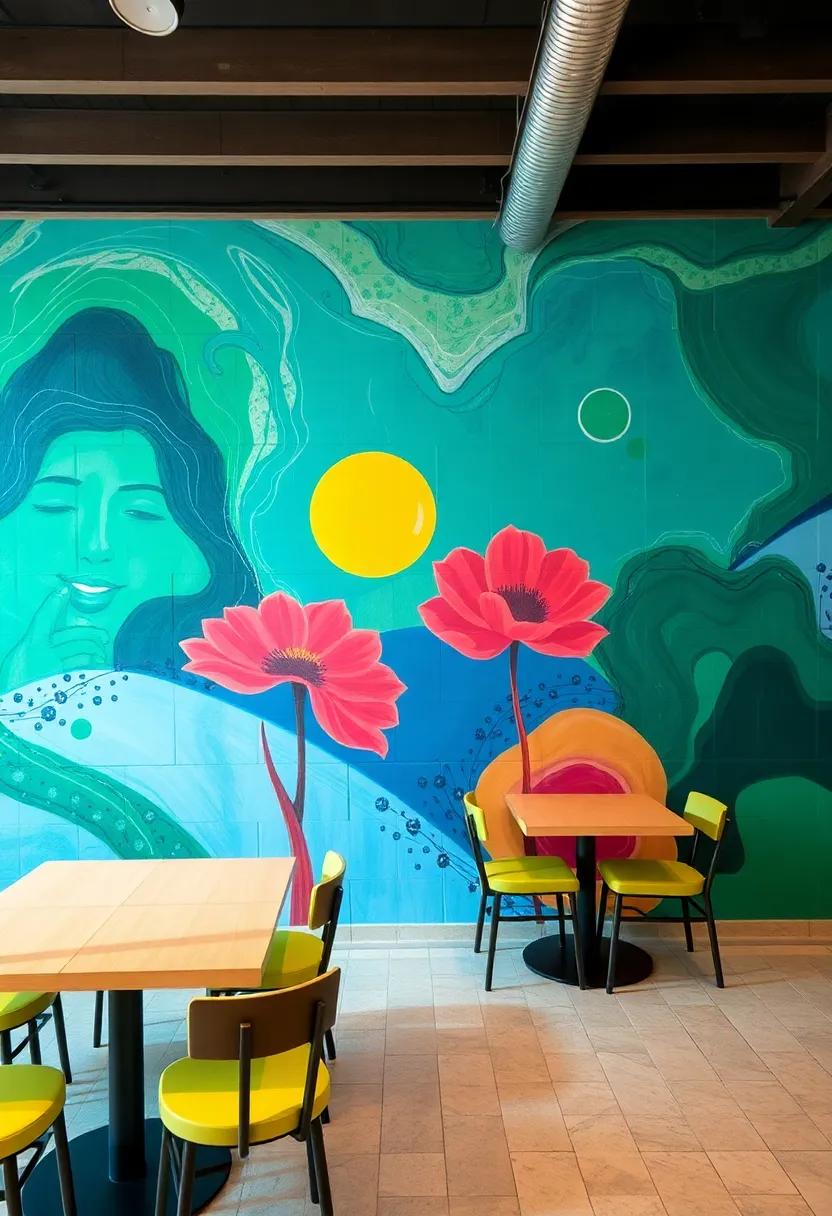
Colors have the extraordinary power to evoke emotions and influence our perceptions, especially in environments where we gather to eat and socialize.When strategically applied in the form of murals, vibrant hues and patterns can foster a sense of warmth, encourage relaxation, or even stimulate conversation. As an example, warm colors like reds and oranges may ignite feelings of excitement and inclusivity, prompting diners to enjoy their meals while fostering connection. Conversely,cool colors such as blues and greens can create a serene atmosphere,encouraging patrons to unwind and savor their dining experience at a leisurely pace.
Moreover, the artwork can heighten appetites and enhance the overall dining experience. Consider incorporating murals that celebrate local cuisine or abstract designs reflecting the essence of the dishes served. This not only elevates ambiance but also stimulates curiosity and engagement. As a notable example, an interactive mural showcasing colorful fruits and vegetables can remind diners of freshness, thereby enhancing their recognition of the menu. Additionally, when combined with ambient lighting, the artwork’s color palette can dynamically change the atmosphere, ensuring each dining experience feels unique and memorable. here are some potential effects of color in murals:
- Red: Increases energy and appetite stimulation.
- Yellow: Evokes happiness and warmth, encouraging social interactions.
- Blue: conveys tranquility, often associated with lower appetite levels.
- Green: Represents freshness and health,aligning with organic dining trends.
Cultural Narratives: Using Large-Scale Art to Tell Stories in Dining Venues
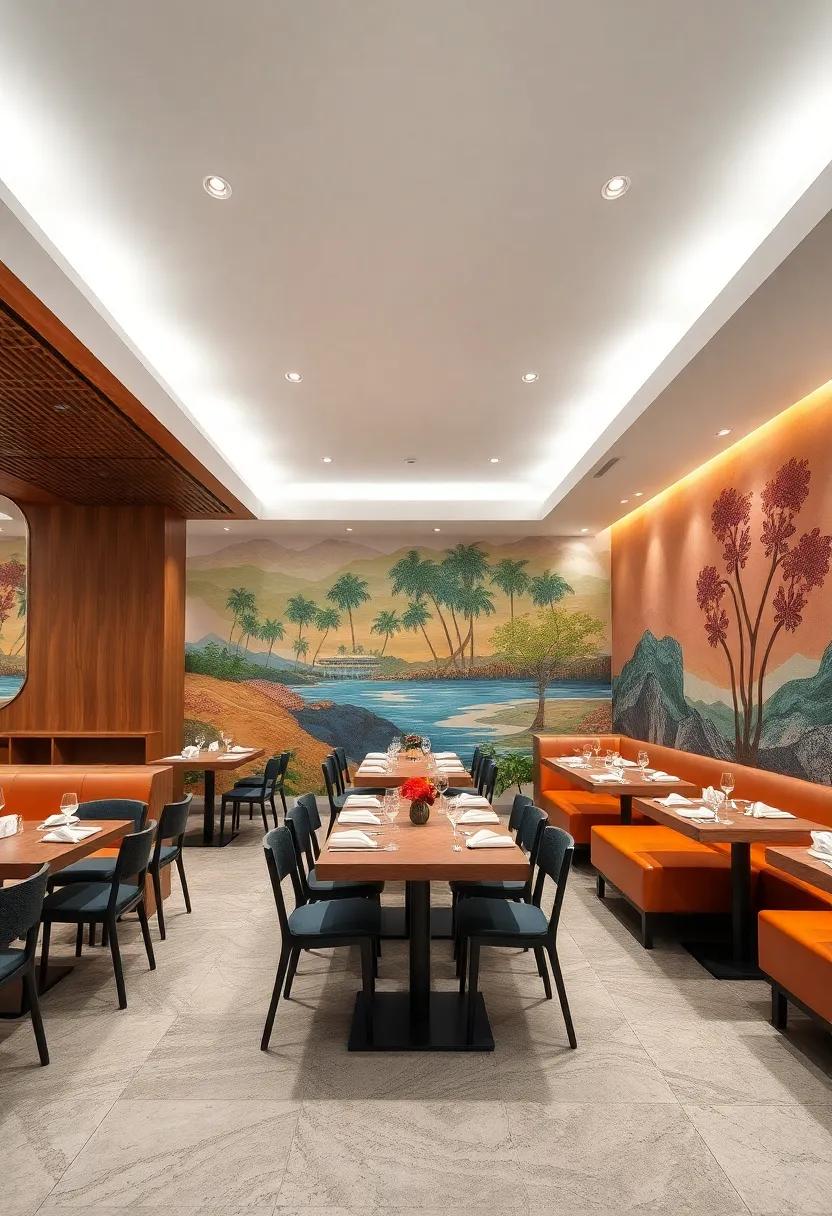
Large-scale art in dining venues serves as a vibrant canvas that encapsulates cultural stories, transforming the way guests perceive and interact with their surroundings. These expansive murals often depict local history, folklore, and the identities of the communities they inhabit, allowing patrons to feel a connection to the space that transcends mere dining.By integrating elements such as color, texture, and symbolic motifs, artists can convey profound narratives that stimulate conversation and engagement. This visual storytelling not only enriches the dining experience but also fosters a sense of pride among locals, inviting them to share their culture with newcomers.
Through the lens of artistic expression, dining establishments can also create immersive environments that reflect diversity and inclusion. Such as, a restaurant might showcase a mural that celebrates the cultural tapestry of its neighborhood, featuring characters and stories from various heritages. This not only enhances the interior aesthetic but also encourages community participation and cultural exchange. In this way, large-scale art becomes a dynamic tool for storytelling during shared meals, making each visit a unique journey that resonates with the tastes and traditions of the community.
Creating Focal Points: The Role of Murals in Guiding Dining Experience
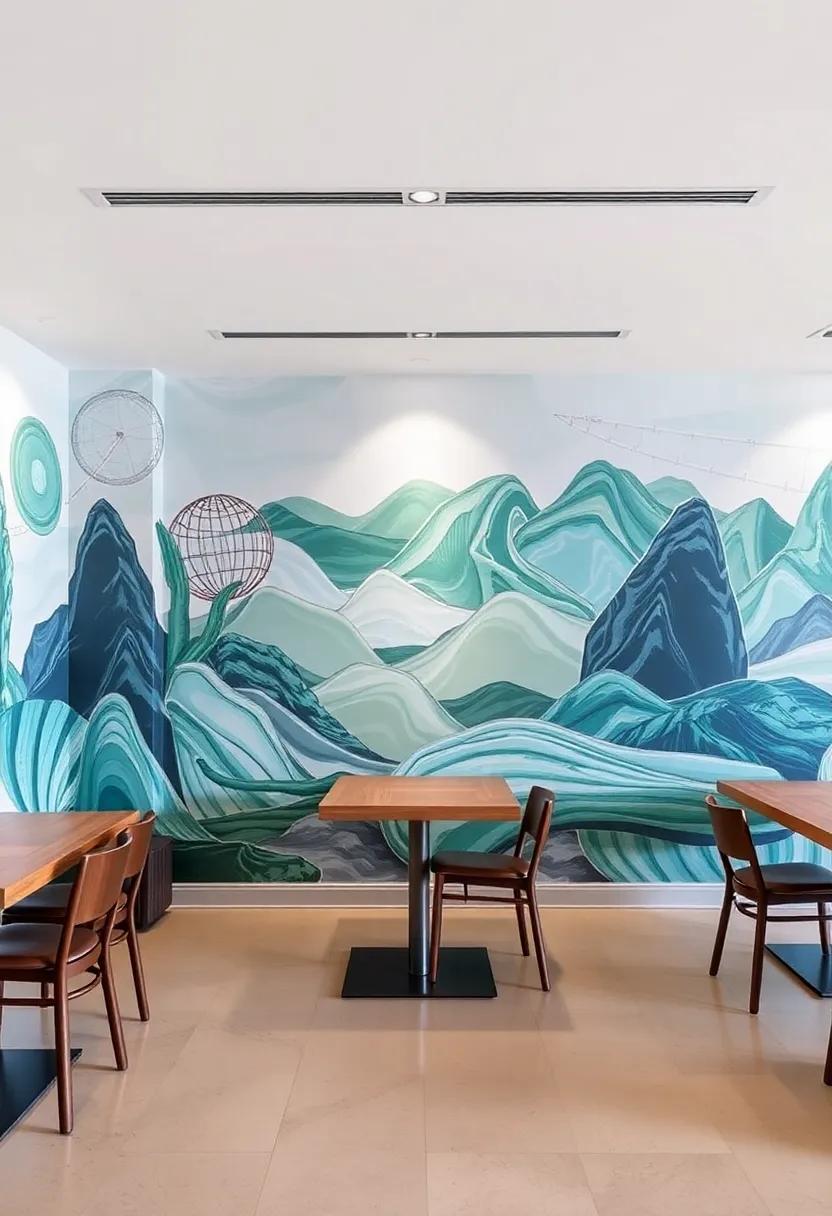
Murals serve as powerful visual anchors within dining spaces, influencing both the atmosphere and the patrons’ experience. By integrating striking large-scale art,restaurants can cultivate a sense of identity and narrative that resonates with their brand. The placement of these murals often directs the flow of energy, guiding guests from the entrance to their tables. additionally, they serve as conversation starters, encouraging customers to engage with each other and their surroundings, which enhances the overall dining experience. The right mural can embody themes like community, culture, and creativity, seamlessly weaving them into the fabric of the dining environment.
Moreover, murals can effectively delineate different areas within an open dining space, creating cozy nooks or vibrant communal tables. This strategic use of art not only helps define personal space but also invites exploration and curiosity among diners. Here are some ways murals can enhance the dining experience:
- visual Guidance: Direct patrons towards special areas, such as a bar or dessert station.
- Theme Reinforcement: Aligning mural imagery with restaurant cuisine or culture.
- Seasonal Adaptation: Updating murals to reflect seasonal menus or local events.
Blending Nature and Art: Integrating Natural Elements in Large-Scale Murals
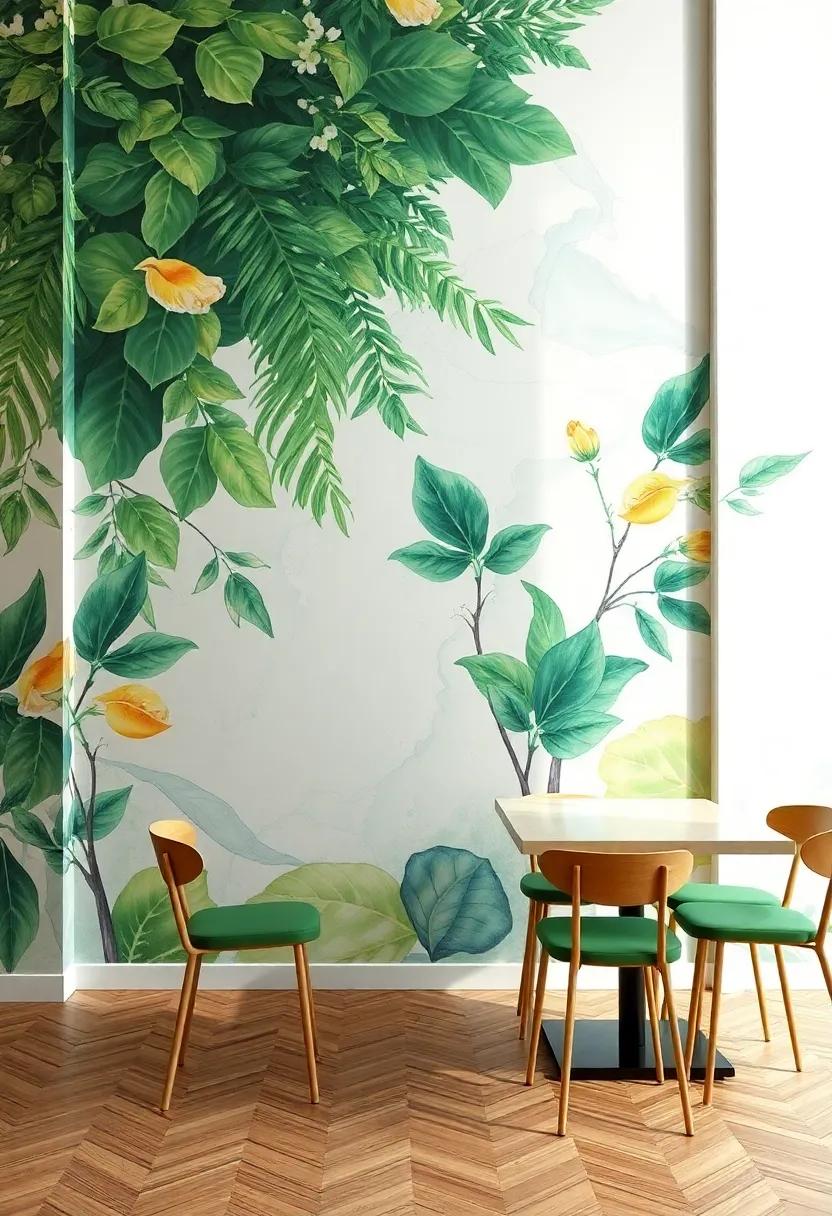
Incorporating natural elements into large-scale murals offers a harmonious way to elevate the ambiance of dining spaces. By seamlessly blending organic motifs with artistic expression, these murals can evoke a sense of tranquility and connection to the outdoors. Options for integrating nature include:
- Botanical Designs: Lush foliage, flowers, and trees can transport diners to serene gardens.
- Landscape Scenes: Expansive vistas that capture local or exotic environments can inspire a sense of adventure.
- Textural Variations: Using materials like wood or metal can add depth and tactile interest to the artwork.
Furthermore, utilizing color palettes drawn from nature can create a cohesive aesthetic that enhances the overall dining experience. Soft greens, earthy browns, and vibrant floral hues not only beautify the environment but can also influence mood and appetite. Consider this simple table showcasing the effects of different mural themes on dining atmosphere:
| Mural Theme | Effect on Mood | Example Color Palette |
|---|---|---|
| botanical | Calming and Inviting | Soft Greens, Warm Yellows |
| Abstract nature | Energetic and Creative | Bold Blues, Vivid Pinks |
| landscape | Expansive and Reflective | Earthy Browns, Light Blues |
The Art of Space: How Murals Alter Perception in Dining Environments
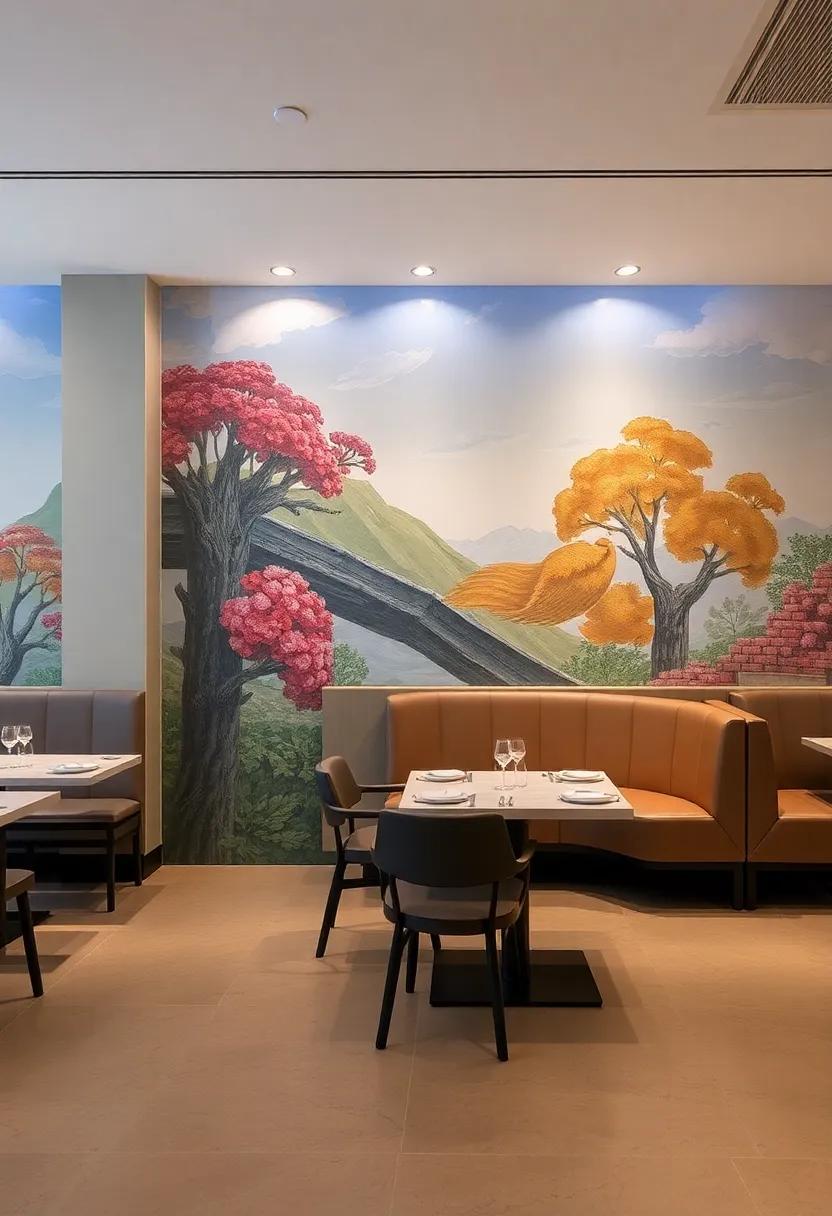
The imperceptible dance between colors and shapes has a profound impact on the way we experience our meals. Murals and large-scale art installations inject life into dining spaces, creating an ambiance that not only pleases the eye but also engages the senses. When a diner walks into an eatery adorned with vibrant art, they are welcomed into a narrative that transcends the mundane. The presence of these visual stories can alter perceptions of space, making the area feel more expansive or intimate depending on the artwork’s design. as an example, a mural depicting a serene landscape may evoke a sense of tranquility, encouraging diners to linger over their meals and enhance their overall experience.
Moreover, murals serve as a powerful conversation starter and can enhance the social dynamics within the dining environment. Patrons are drawn to art, often sparking discussions and creating shared experiences. This interconnectedness not only uplifts the atmosphere but also fosters a sense of community among diners. Some key aspects of how art transforms the dining experience include:
- Enhanced Mood: Colors and themes can uplift spirits or create calm.
- Space Illusion: Art can manipulate perceptions, making tight spaces feel larger.
- Cultural Context: Murals can reflect local culture, enriching the dining experience.
- Identity Creation: Unique artwork can establish a restaurant’s brand identity.
Enhancing Ambiance: The Subtle Effect of Art on Dining Atmosphere
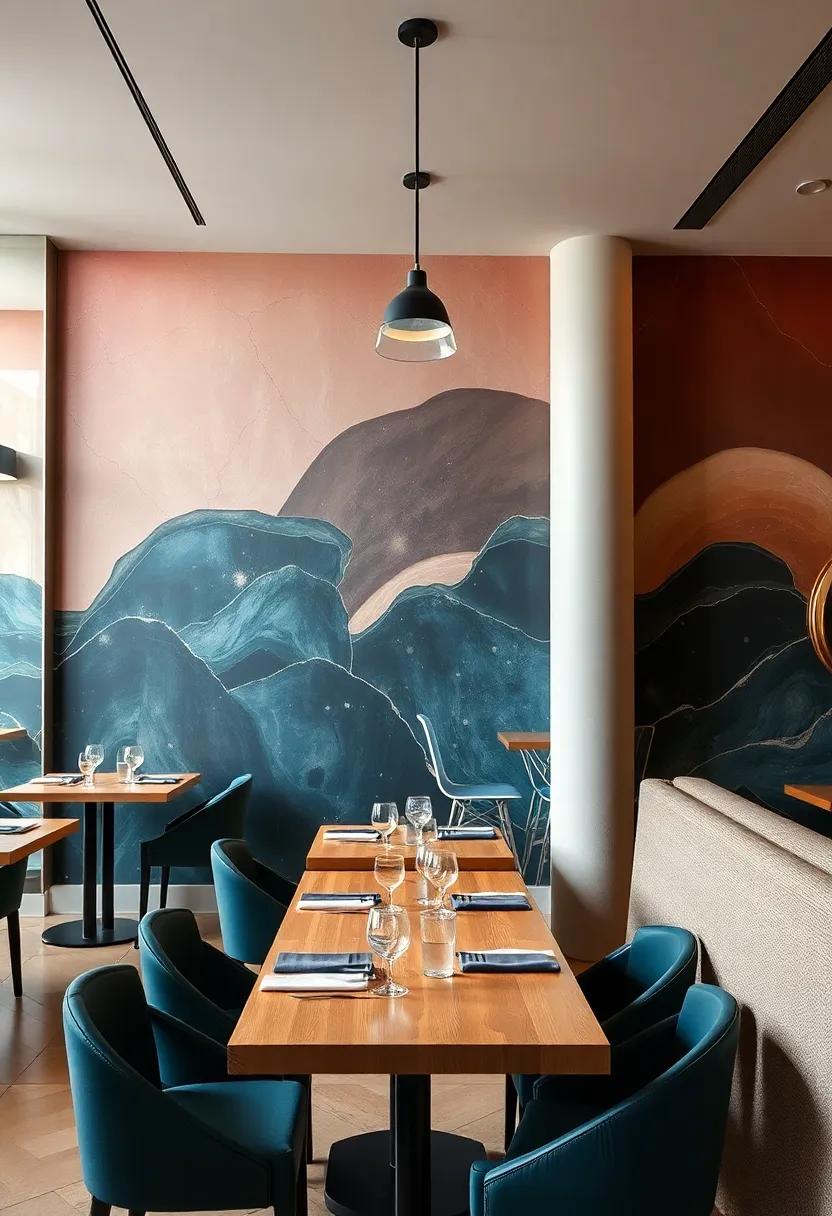
Art possesses an incredible ability to transform the dining experience by resonating with the senses and influencing the emotional tone of a space. When showcased effectively, murals and large-scale pieces can capture the essence of the cuisine served, creating a cohesive narrative that draws diners in. Consider the following aspects of how art enhances the dining atmosphere:
- Color Palette: Vibrant colors stimulate appetite and engage diners, making the meal more enjoyable.
- Texture and Depth: Large-scale art adds visual intrigue,encouraging conversation and interaction among guests.
- Cultural Resonance: Murals can reflect local heritage or culinary traditions, grounding the dining experience in its locale.
furthermore, the placement and style of artwork can greatly influence patrons’ perceptions and behavior. As a notable example, communal seating areas adorned with abstract murals can foster a lively atmosphere, promoting social interaction. In contrast,intimate dining spaces might benefit from subdued pieces that instill a sense of calm. Utilizing these principles can heighten a restaurant’s identity and enhance the overall dining experience:
| Artwork Type | Ideal Atmosphere | Potential Impact |
|---|---|---|
| Murals | Lively, casual | Encourages conversation |
| canvas prints | Elegant, Formal | Creates sophistication |
| Interactive Installations | Engaging, Fun | Invites participation |
Visual Storytelling: Murals as a Canvas for Culinary Heritage
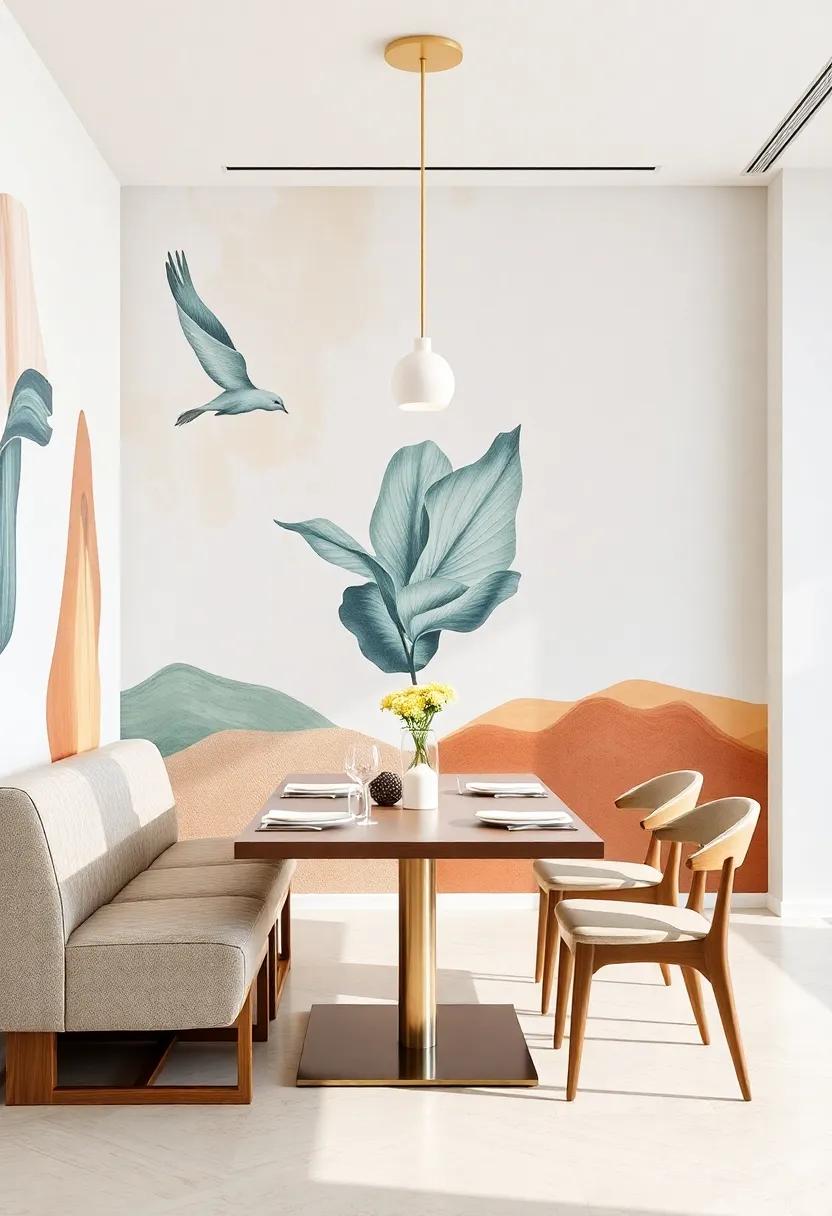
Murals serve as a vibrant gateway to culinary traditions, encapsulating the essence of a culture’s gastronomic heritage.Through bold colors and intricate designs, these large-scale artworks narrate stories of local ingredients, age-old recipes, and the communities that cherish them. Chefs and restaurant owners are increasingly recognizing the potential of these murals to transform dining spaces into immersive experiences. By integrating visuals that reflect the flavors and history of their cuisine, establishments can foster a deeper connection with diners, allowing them to savor not just the meal but the story behind it.
Each mural not only decorates a wall but also acts as a conversation starter, inviting patrons to explore the narratives woven into the art. This dialog can be further enhanced through the thoughtful integration of imagery representing local markets, traditional cooking methods, or even the farmers who grow the essential ingredients. Restaurants that embrace this artistic approach can effectively highlight their community ties. Consider the following elements that make murals impactful in culinary settings:
- Visual Complexity: Layered images that invite closer examination.
- Cultural Symbols: Icons that resonate with the local heritage.
- seasonal Themes: Adaptations that reflect ingredients and celebrations throughout the year.
Artistic Themes: Choosing the Right Style for Your dining Space
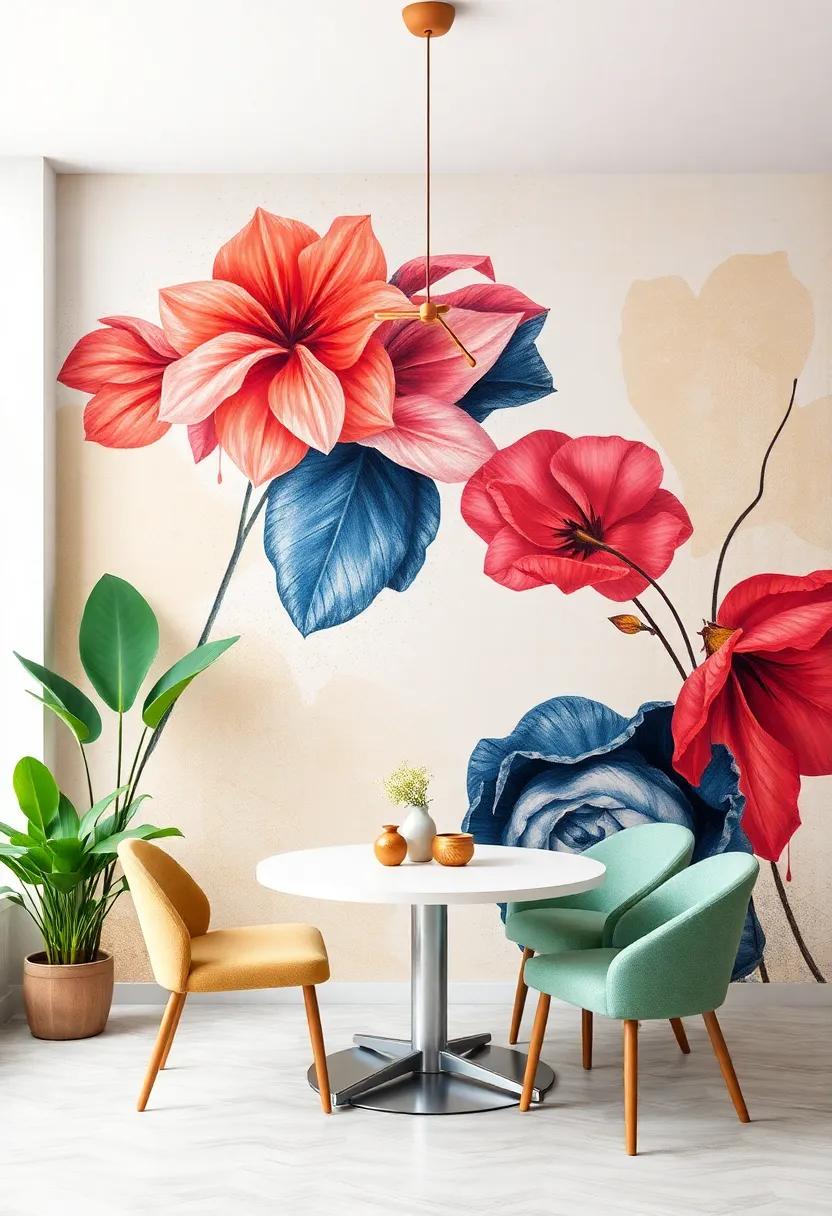
When transforming your dining space, selecting the right artistic style is fundamental to creating an atmosphere that resonates with your personal taste and complements your interior design. Consider these popular themes that bring life and character to the room:
- Nature-Inspired: Murals depicting serene landscapes or vibrant botanical scenes can evoke a sense of calm and connection to the outdoors.
- Abstract Expressionism: Bold colors and dynamic shapes encourage conversation and can invigorate the dining experience.
- Cultural Narratives: Art that reflects specific cultural stories or motifs can add depth and intrigue to your dining area, connecting meals to cherished traditions.
Moreover, it’s essential to consider the scale and placement of your chosen art. Large-scale pieces serve as focal points and should be positioned strategically to enhance the overall design. Here’s a swift guide to help you decide:
| Art Style | Ideal Size | Best Placement |
|---|---|---|
| Nature Murals | Floor to Ceiling | On a feature wall |
| Abstract Pieces | Large Panels | Above the dining table |
| Cultural Artworks | Medium to Large | Gallery wall |
From Blank Walls to Bold Statements: The Transformative Power of Murals
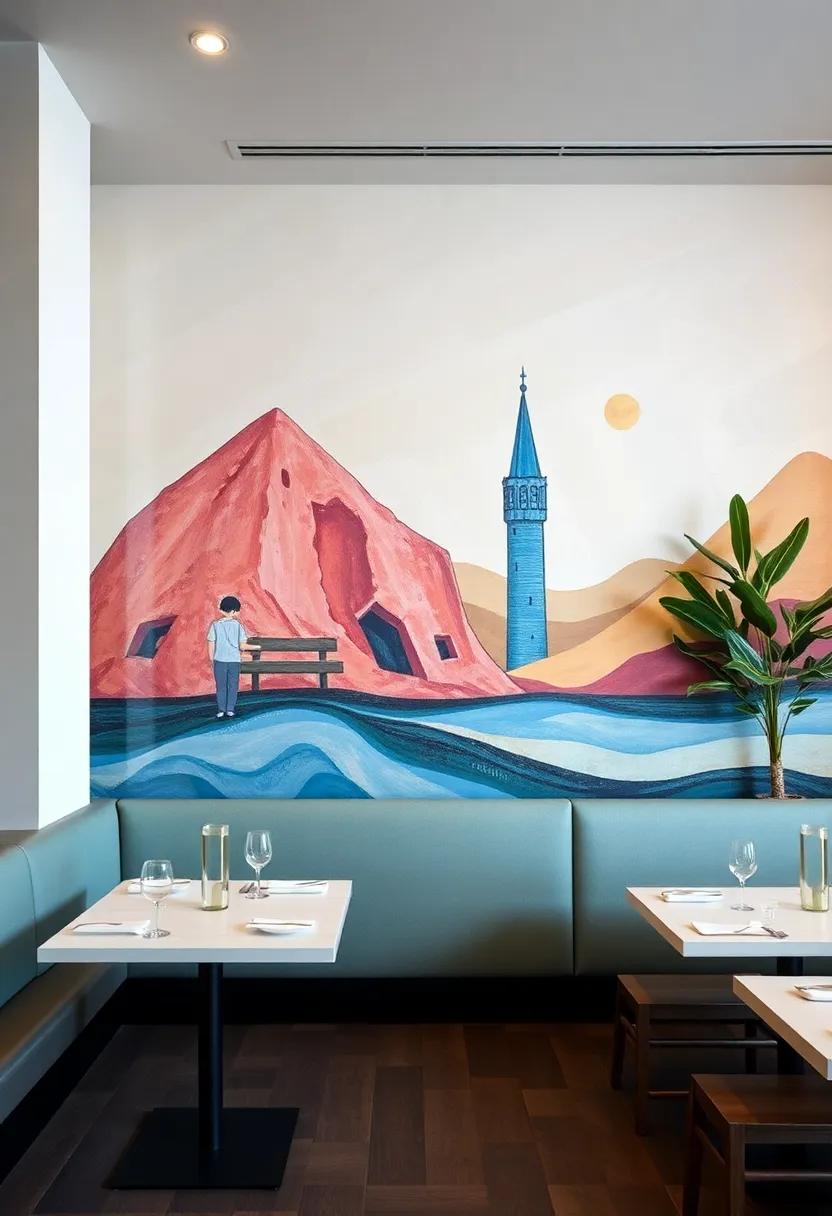
Imagine stepping into a dining space where the walls are not just covered in paint but are alive with stories and emotions. Murals have the unique ability to transform an ordinary area into a captivating environment. By incorporating large-scale art, restaurant owners can create an atmosphere that goes beyond aesthetics—encouraging conversations, setting the mood, and enhancing the overall dining experience. the vibrant colors and striking designs can evoke feelings of joy, nostalgia, or even adventure, making each meal an unforgettable journey.
When contemplating the impact of murals on dining spaces, consider the multifaceted advantages they offer:
- Uniqueness: Custom murals can reflect the identity of the establishment, creating a memorable brand image.
- Engagement: Large-scale artwork serves as a focal point, inviting guests to interact and share their experiences.
- Atmosphere: The right mural can enhance the ambiance, from cozy and intimate to lively and vibrant.
| Aspect | Impact |
|---|---|
| Visual Appeal | Attracts customers and enhances first impressions. |
| Cultural Reflection | Shows community pride and engages with local artists. |
| Emotional Connection | Encourages nostalgia or inspiration, fostering memorable dining experiences. |
Seasonal Inspirations: Adapting Mural Art to Reflect changing Tastes
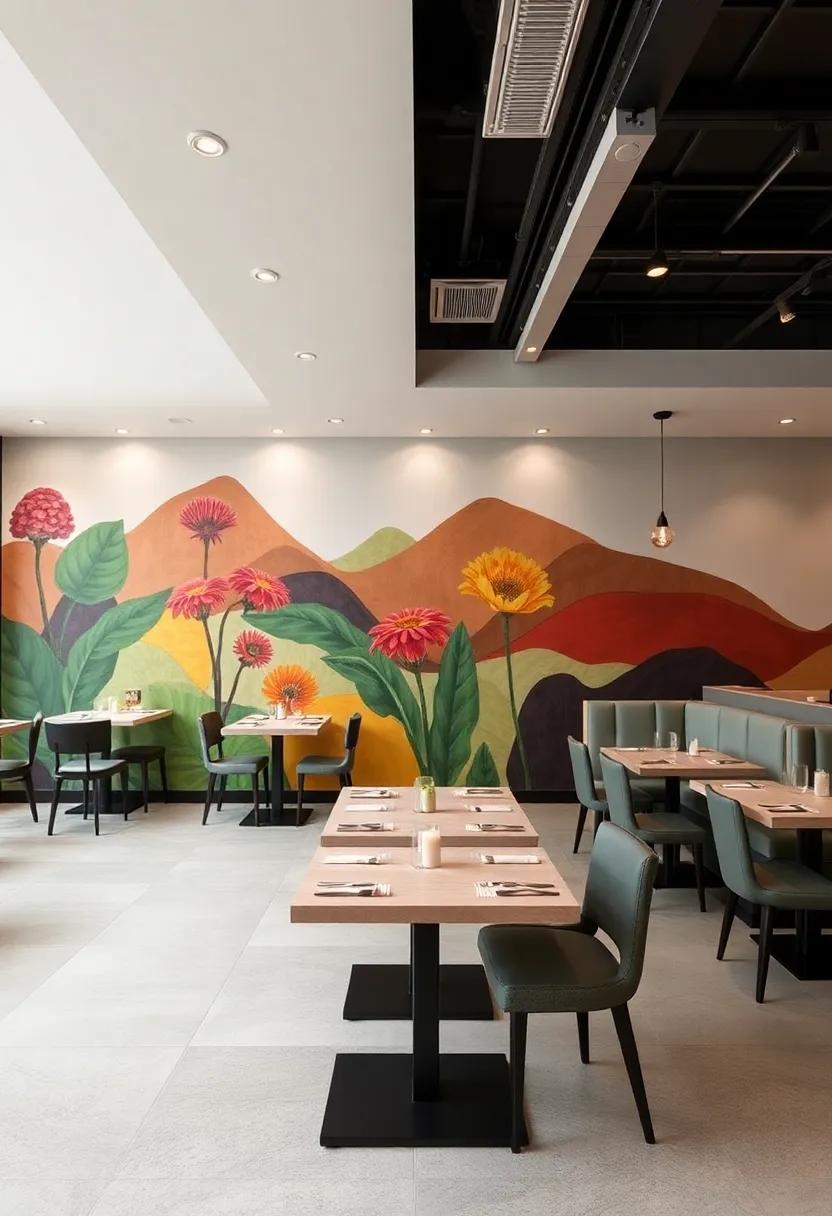
Murals are a dynamic expression of artistry that seamlessly adapts to reflect the evolving tastes of each season. Just as nature transforms with the changing weather, so too can the ambiance of a dining space be invigorated through the selection of seasonal themes. Consider the following elements to inspire your mural designs during the year:
- Spring: Bright florals and lush greenery evoke renewal and freshness, encouraging a light and cheerful dining atmosphere.
- Summer: Coastal hues and vibrant beach scenes can create a sense of vacation, making every meal feel like a getaway.
- Autumn: Warm tones and harvest themes can infuse a cozy, inviting feel perfect for gatherings around the table.
- Winter: Snowy landscapes and festive imagery can create a warm haven, ideal for enjoying hot meals and family stories.
Incorporating these seasonal inspirations into mural art not only enhances the aesthetic appeal of dining spaces but also plays a crucial role in reinforcing the overall dining experience. By engaging the senses with seasonal elements, diners are often more inclined to embrace the ambiance and, consequently, the culinary offerings. Here’s a simple breakdown of how murals can encapsulate seasonal shifts:
| Season | Inspiration | Art Style |
|---|---|---|
| Spring | Blooming flowers | Watercolor techniques |
| Summer | Sea and sun | Bold, graphic designs |
| Autumn | Harvest and leaves | Earthy palettes |
| Winter | Snowflakes and trees | Soft textures |
Art for All: Making Large-Scale Murals Accessible and Inclusive
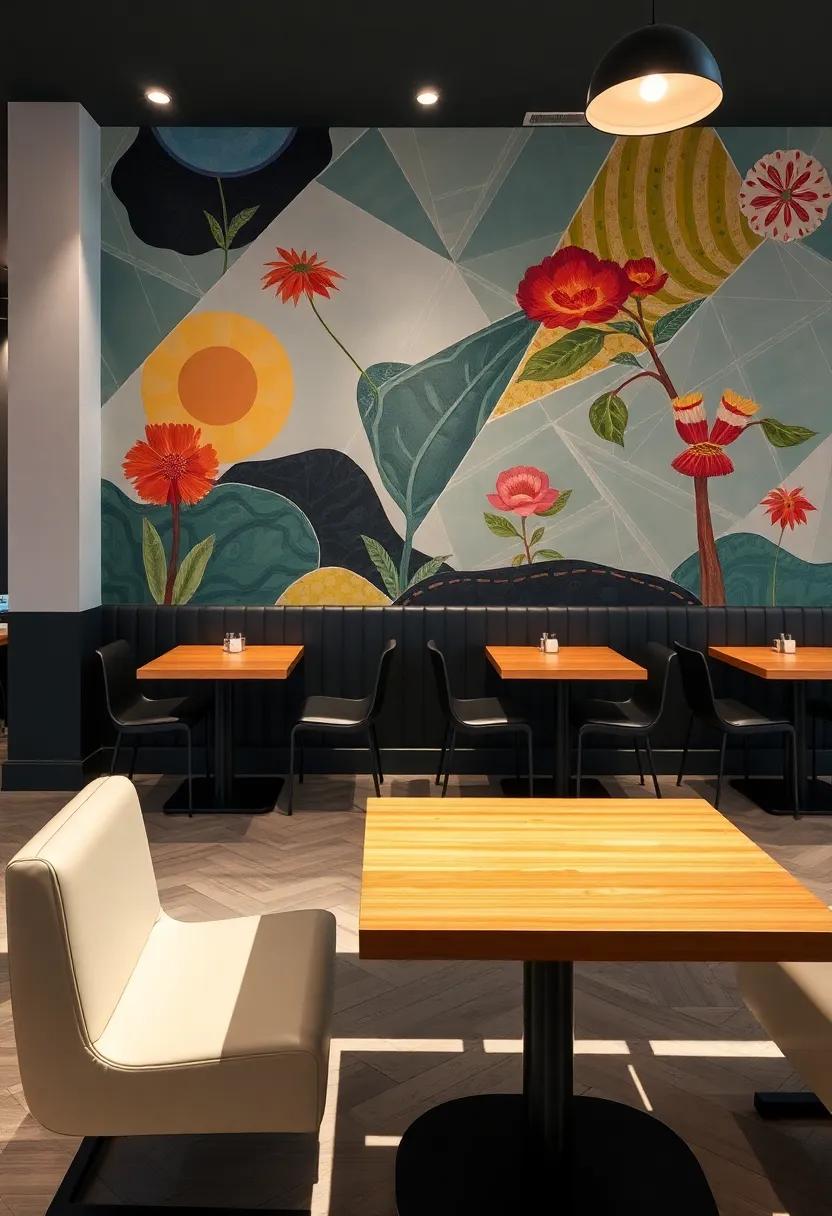
Large-scale murals have the power to transform any dining space, creating an inviting atmosphere that resonates with diverse audiences. by incorporating vibrant and meaningful imagery, these artworks can serve as a canvas for storytelling, inviting diners to immerse themselves in a shared cultural experience. Whether it’s a mural that reflects the local community’s heritage or one that celebrates global themes of unity and diversity, art can bridge gaps and promote inclusivity. Some of the ways murals enhance accessibility and inclusiveness include:
- Incorporation of Local Artists: Elevating voices from within the community.
- Interactive Elements: Encouraging diner engagement through participatory projects.
- Diverse Themes and Perspectives: Representing different cultures to appeal to a broad audience.
Moreover, the placement and scale of murals can significantly impact the dining experience. Thoughtful positioning in high-traffic areas allows for a constant flow of engagement, while large formats ensure visibility from afar, inviting curiosity and interest. When artists collaborate with restaurateurs to design these larger-than-life pieces, they create spaces that resonate, reflect, and rejuvenate. Consider the following attributes that make murals exceptional:
| Attribute | Impact on Dining space |
|---|---|
| Color Palette | Enhances mood and ambiance |
| Cultural Relevance | fosters community connection |
| Size and Scale | Creates a focal point for conversation |
The Investment in Art: Evaluating the Long-term Benefits of Murals
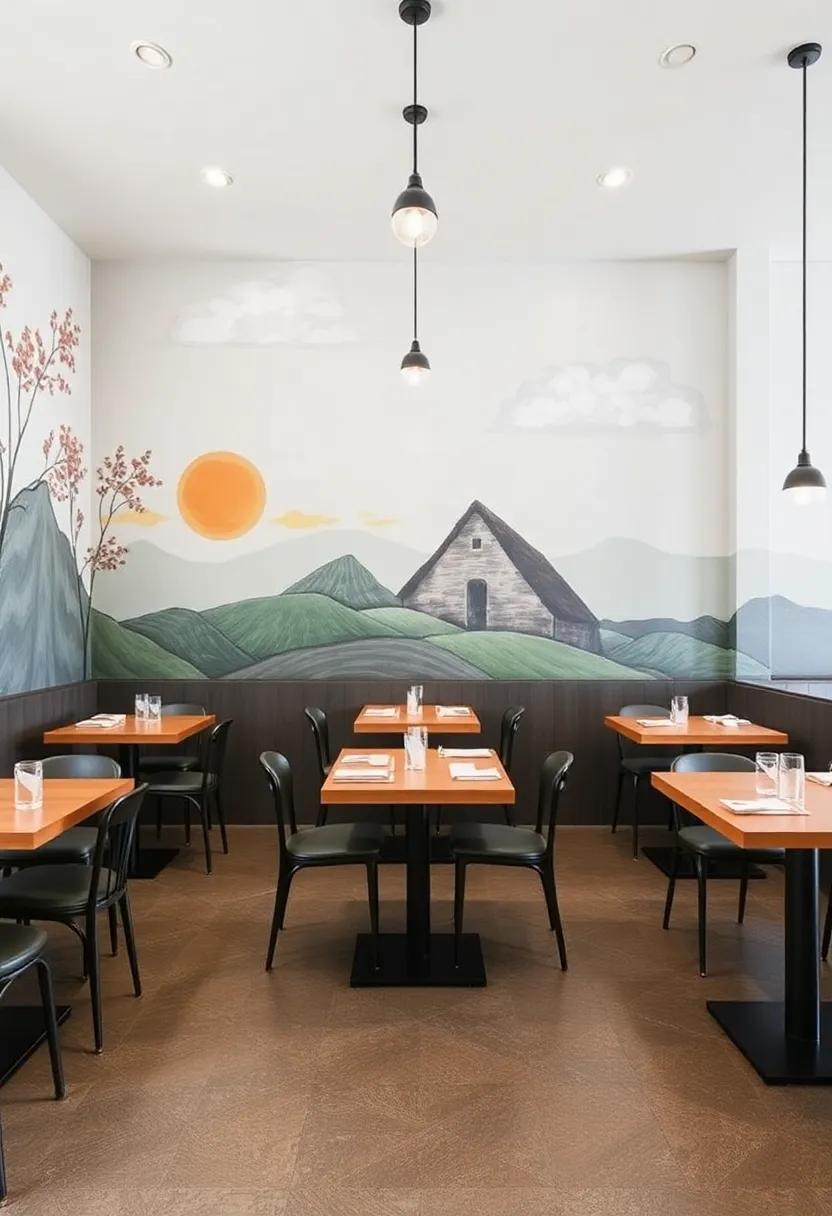
Investing in murals and large-scale art not only beautifies dining spaces but also serves as a powerful tool for enhancing customer experience and retention. Murals create an engaging atmosphere that can transform the mundane into the extraordinary, leading to increased dwell time and repeat visits. By incorporating vibrant artwork, establishments can thus enhance their brand identity, allowing patrons to connect emotionally with the space. The visual storytelling that murals offer can captivate guests, resulting in a memorable dining experience that encourages social sharing and positive reviews.
Furthermore, the long-term benefits of such artistic investments extend beyond immediate aesthetic appeal. Consider the following advantages:
- Increased Foot Traffic: Eye-catching murals can attract passersby, making the venue a destination.
- brand Loyalty: Unique art fosters a distinctive brand image, appealing to target demographics.
- Social Media Exposure: Stunning visuals inspire customers to share their experience online, enhancing organic reach.
- Cultural Engagement: By collaborating with local artists, businesses can strengthen community ties, appealing to local patrons.
In the long run, the integration of mural art in dining spaces serves not merely as decoration but as a strategic investment that fosters a robust, memorable, and engaging environment—one that patrons are likely to return to and recommend.
Community Engagement: Involving Local Artists in Restaurant Decor
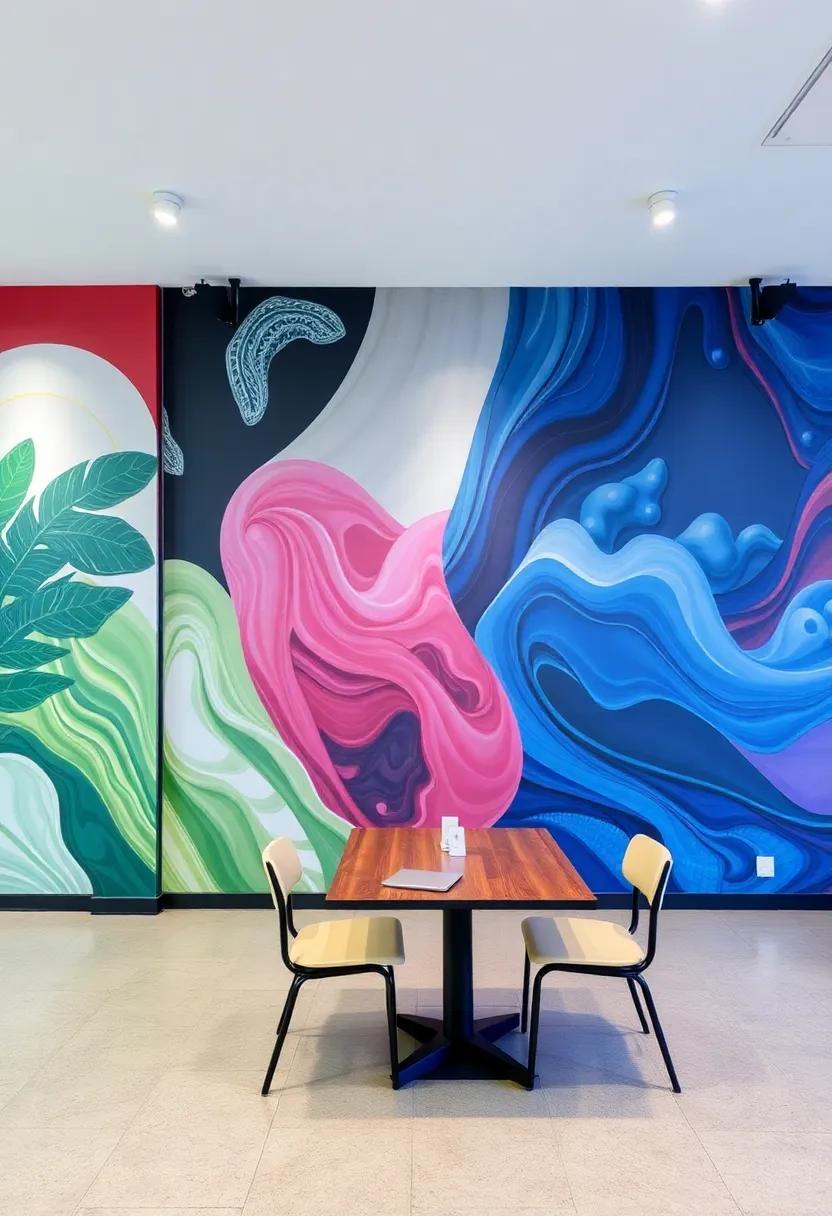
Bringing local artists into the fold not only enhances the aesthetic appeal of restaurant spaces but also fosters a sense of community ownership. By collaborating with nearby creatives, restaurants can incorporate unique, authentic designs that reflect the essence of the area. This partnership creates an engaging atmosphere that resonates with patrons while providing artists with a platform to showcase their talents. Benefits of this collaboration include:
- Unique Artistic Vision: Each artist brings their own style and perspective, ensuring that every piece is one-of-a-kind.
- Cultural Reflection: Artworks can highlight local history, traditions, and narratives that connect diners to their surroundings.
- Community Support: Committing to local artists ensures the economic benefits circulate within the community.
Furthermore, engaging local talent in restaurant decor can spark a vibrant dialogue between art and food, elevating the overall dining experience.Diners are often drawn to spaces that tell a story through their decor, and murals can serve as focal points that inspire conversation. By organizing community art showcases or live mural painting events, restaurants can actively involve patrons in the artistic process, enhancing participation and giving diners a sense of belonging. Consider the following organizational ideas for maximizing artist engagement:
| Event Type | Description |
|---|---|
| Live Art Demonstrations | Allow artists to create pieces in real-time, thrilling diners and building excitement. |
| Monthly Features | Highlight a different artist each month, giving each a chance to express their vision. |
| Art Exhibits | Host rotating exhibits where diners can mingle and appreciate artwork while they dine. |
interactive Art: Engaging Dining Guests Through Participatory Murals
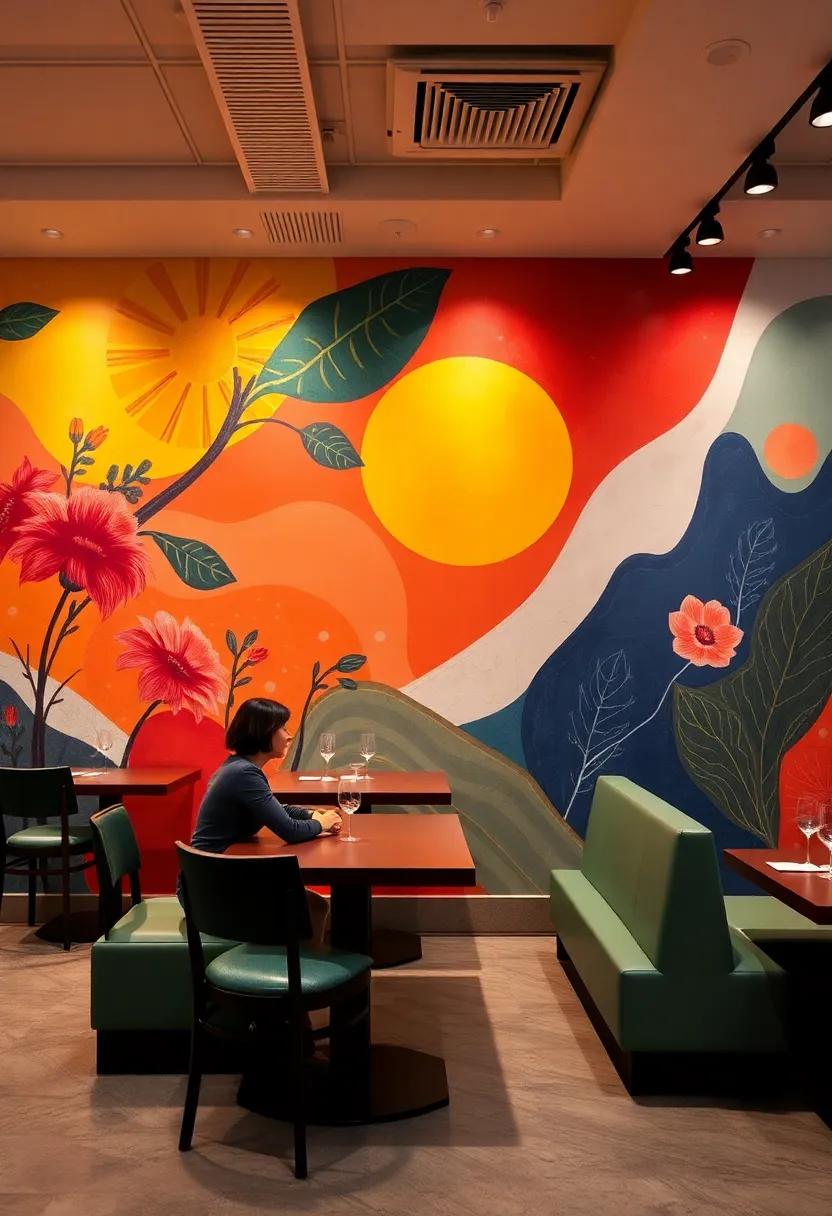
In an age where experience trumps mere sustenance, interactive art offers dining establishments a tantalizing opportunity to elevate their ambiance and engage their guests. Picture a vibrant mural that comes alive with the participation of diners, transforming walls not just into a backdrop but into a canvas of shared experience. these participatory murals invite guests to contribute their artistic flair—whether through brushstrokes or by drawing quirky doodles—infusing the space with their personalities. This dynamic interaction fosters a sense of community and investment in the dining experience,leading to conversations that flow as freely as the wine.
Not only do these innovative murals enhance the aesthetic appeal, but they also serve as a catalyst for social connectivity. Guests frequently enough find themselves inspired to connect with others as they engage with the artwork, sparking creativity and shared storytelling.Successful implementations of interactive art in dining spaces can be highlighted through a few key strategies:
- Rotating Themes: Regularly update mural themes to keep the experience fresh.
- Collaborative Events: host painting nights where customers can join in the creation.
- Digital Integration: Incorporate QR codes linking to a digital gallery showcasing guest contributions.
The Balance of Art and Function: Designing Practical Dining Spaces
Creating a dining space that embodies both aesthetic appeal and practicality requires a delicate equilibrium. Large-scale murals can serve as striking focal points, drawing guests into an experience that transcends mere dining. With the right design, these artworks not only enhance the visual narrative of the room but also contribute to a welcoming atmosphere. Consider the following key elements when curating a mural for a dining area:
- Color palette: Choose colors that harmonize with the overall theme to foster a cohesive ambiance.
- Subject Matter: Opt for imagery that resonates with your audience or reflects the culinary style you offer.
- Scale and Placement: Ensure the mural’s size complements the space without overwhelming it.
The functional aspect of dining spaces should not be overlooked. Furniture arrangements and spatial design must accommodate smooth flow and usability. Integrating murals with practical seating can enhance the dining experience; diners may feel more relaxed and inspired in an environment that appeals to multiple senses. To maintain the equilibrium between art and function, consider these features:
| Feature | Description |
|---|---|
| Seating Arrangements | Flexible layouts allow for both intimate gatherings and larger groups. |
| Lighting | Use ambient lighting to highlight murals while ensuring adequate illumination for dining. |
| Accessibility | Design pathways that facilitate movement without detracting from artistic elements. |
The Legacy of Art: Lasting Impressions Through Mural Installations
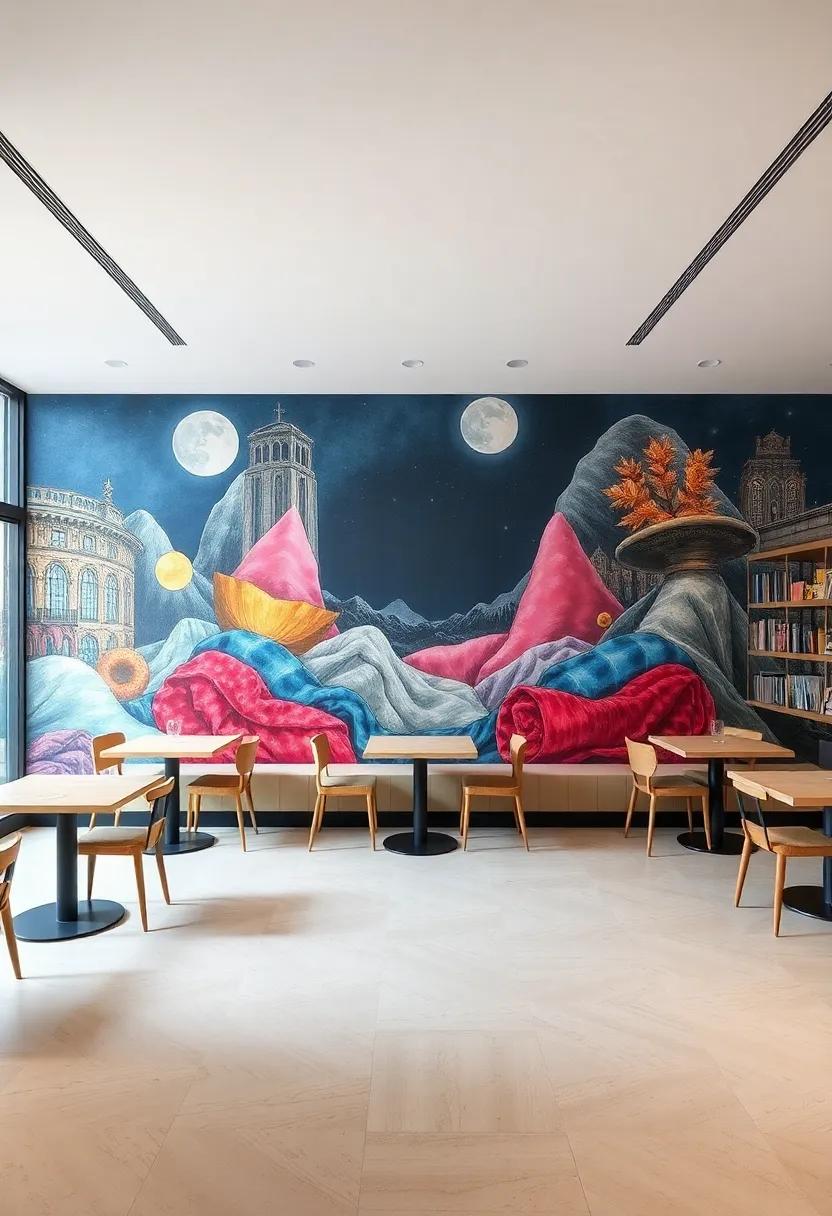
Murals and large-scale art installations serve as powerful contributors to the emotional and aesthetic landscape of dining spaces. These artworks not only embellish walls but also evoke lasting impressions that resonate with patrons long after their meal is finished. By seamlessly blending color,culture,and creativity,murals transform ordinary dining areas into immersive experiences that engage guests on multiple levels. Whether depicting local history, flora and fauna, or abstract concepts, the narratives embedded in these art forms can spark conversation and deepen the connection between diners and their surroundings.
Moreover, the impact of murals extends beyond mere decoration; they can significantly influence the atmosphere and ambiance of a space. Consider these aspects that contribute to their transformative power:
- Storytelling: Each mural tells a unique story, inviting guests to explore the meaning behind the art.
- Community Engagement: Local artists can bring cultural relevance and community pride to the dining experience.
- Visual Impact: Large-scale art captivates attention, making spaces more memorable and inviting.
- Emotional Connection: Lovely imagery can evoke feelings of happiness, calm, or nostalgia.
| Element | Impact |
|---|---|
| Color | Affects mood and appetite |
| Theme | Creates a cohesive brand identity |
| Scale | Enhances perceived space and volume |
Shaping Identity: How Art Defines Brand Personality in Restaurants
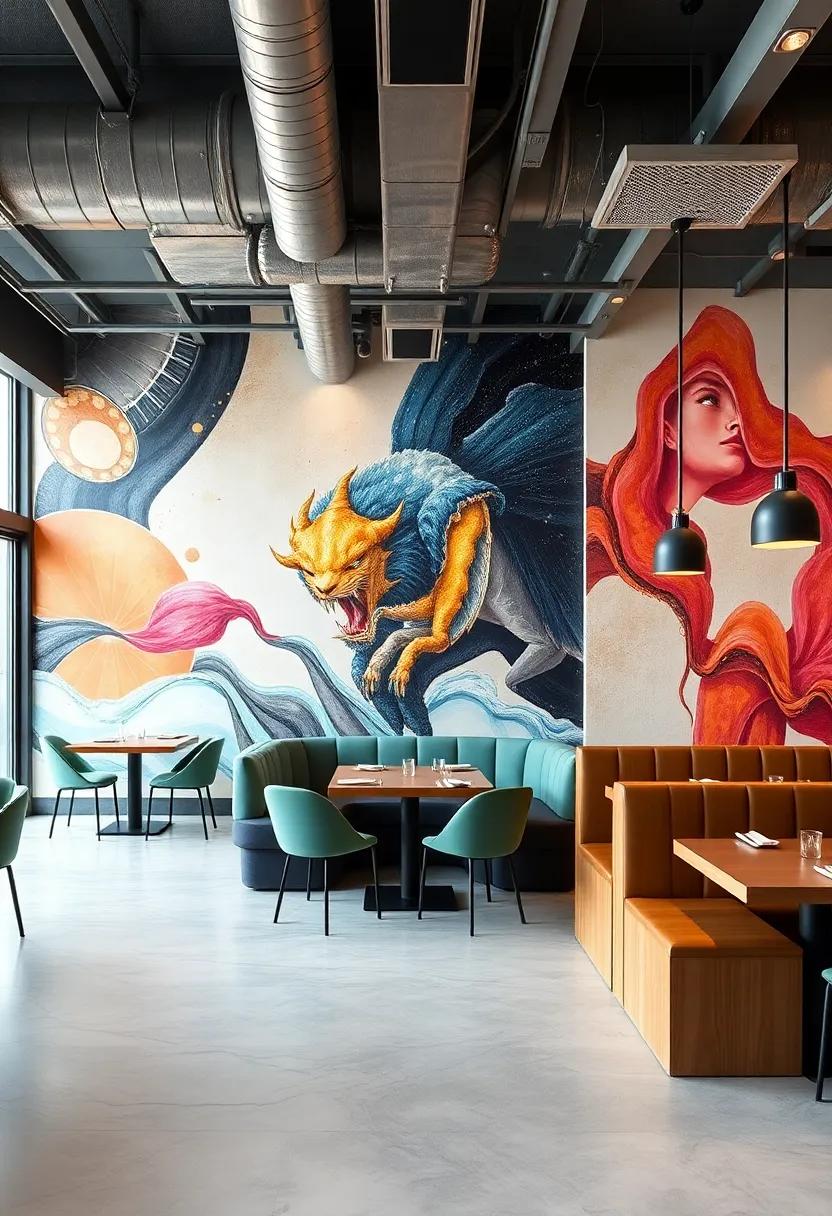
In the world of dining, the visual narrative presented through art plays a crucial role in establishing a restaurant’s unique identity.Murals and large-scale artworks serve not only to beautify the space but to tell a story that resonates with the brand’s ethos. Patrons frequently enough connect with the atmosphere created by these artistic expressions, finding themselves immersed in a cohesive experience that goes beyond the menu. The choice of colors,styles,and themes can subconsciously influence their feelings and perceptions,making art a powerful tool for personalization. For example, a modern bistro might utilize bold, abstract pieces to convey innovation, while a rustic eatery may opt for local landscapes or vintage motifs that reflect tradition and warmth.
furthermore,these artistic elements help to establish community ties and foster a unique ambiance. Diners are not just patrons; they become a part of a narrative that supports local artists and promotes cultural appreciation. Consider the following ways art influences customer experience in dining establishments:
- Enhances Mood: Creative designs can uplift spirits, encouraging longer visits.
- Encourages sharing: Visually striking art becomes a point of conversation and social media sharing.
- Reflects Brand Values: Art can illustrate a restaurant’s commitment to sustainability, local culture, and creativity.
To illustrate this impact, consider a comparison of two dining spaces, one focusing on art and ambiance, while the other maintains a more minimalist aesthetic:
| restaurant A (Art-Focused) | Restaurant B (Minimalist) |
|---|---|
| Vibrant murals depicting local culture | Neutral colors and simple decorations |
| Frequent art exhibitions featuring local artists | No art showcases or community engagement |
| Dynamic atmosphere encouraging exploration | Calm vibe, but less interaction |
Merging Culinary and Visual Arts: A Comprehensive Dining Experience
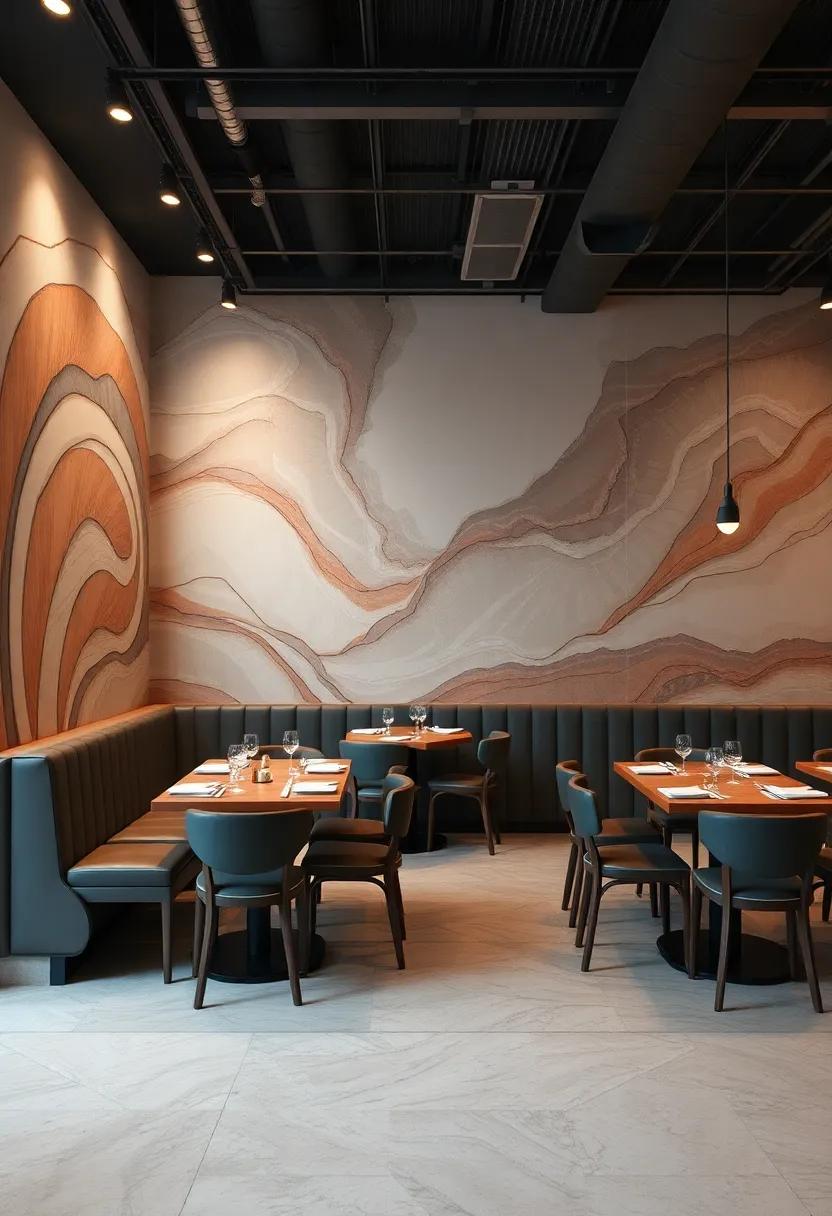
In the realm of dining, the aesthetic experience is just as importent as the meal itself. By integrating murals and large-scale art into dining spaces, restaurants can create immersive environments that tantalize the senses. imagine entering an eatery where the walls vibrate with colorful explosions of hues and patterns, connecting diners to the artistry of the plates they’re about to savor. This fusion allows guests to appreciate the visual representation of a chef’s creativity while they enjoy the culinary delights. Spaces adorned with local murals not only celebrate community culture, but they also spark conversations and inspire connections among patrons, making the dining experience a memorable one.
Transformative art installations can also provide a multi-sensory journey for diners. Consider the following benefits that large-scale artwork can bring to a dining establishment:
- Enhances Atmosphere: Art can set the tone, creating intimacy or vibrancy as needed.
- Encourages Exploration: Diners are likely to explore different seating areas; each adorned with unique artistic interpretations.
- Stimulates Engagement: Eye-catching visuals promote interaction, drawing diners into a shared experience.
Creating distinct zones with different art styles can diversify the atmosphere even further.Here’s a simple layout for how art can be categorized:
| Art Style | zone | Effect |
|---|---|---|
| Abstract Murals | Main Dining Area | Invigorates Conversation |
| Local Scene photography | Private Dining Rooms | Creates Intimacy |
| Interactive Installations | Entryway | Captures Attention |
Developing a Cohesive Theme: Aligning Murals with Restaurant Identity
In the realm of dining, the atmosphere plays a crucial role in shaping a guest’s experience. Large-scale murals, when thoughtfully integrated into a restaurant’s identity, can create a visually stunning backdrop that serves not only as decoration but as a storytelling medium. Each brushstroke and color choice should reflect the essence of the cuisine, the target audience, and the overall mission of the establishment. For instance, a farm-to-table restaurant might reflect its ethos through earthy tones and agricultural motifs, creating a cozy and natural setting that enhances the dining experience. Similarly, a contemporary sushi bar could feature dynamic, fluid designs that echo the delicate artistry involved in sushi readiness, appealing to diners’ senses before they even taste the food.
To successfully align murals with a restaurant’s identity, collaboration between the designer and the restaurant owner is vital. This partnership can lead to the creation of a purposeful visual narrative that resonates with patrons. Consider the following key points for achieving this synergy:
- Brand Core Values: Infuse the mural with symbols or colors that capture the restaurant’s mission.
- Target Demographic: Understand who your diners are and what styles appeal to them.
- Cultural Elements: Include elements that speak to the heritage of the cuisine.
- interactive features: Consider murals that invite interaction, prompting guests to engage with the art.
When executed thoughtfully,murals can transform dining spaces into immersive experiences. A well-designed mural transcends mere aesthetics, becoming a vital element of a restaurant’s appeal and reinforcing its identity.
As we draw the curtain on our exploration of how murals and large-scale art can transform dining spaces, it becomes clear that these vibrant expressions do more than just decorate—they narrate, inspire, and elevate the experience of shared moments around the table. From intimate cafés to bustling fine dining establishments, the bold strokes of a mural can set the tone, inviting patrons to linger a little longer, engage in deeper conversations, and savor not just their meals but the ambiance they inhabit.
As designers, restaurateurs, and art enthusiasts continue to push the boundaries of creative expression within dining environments, the potential for art to alter our perceptions and enhance our enjoyment comes into sharper focus. It’s an invitation to reimagine how we perceive the spaces we dine in—challenging us to see not just a venue for sustenance, but a canvas for storytelling, emotion, and community.
In this ever-evolving landscape, let us remember that every meal is an opportunity for connection, and every wall is a chance for creativity. As we look to the future,may we celebrate the harmonies between food,art,and the spaces that cradle them,fostering experiences that linger well beyond the last bite. So, the next time you step into a dining space adorned with imaginative art, take a moment to appreciate the change unfolding around you—it’s more than just dining: it’s an experience waiting to be savored.