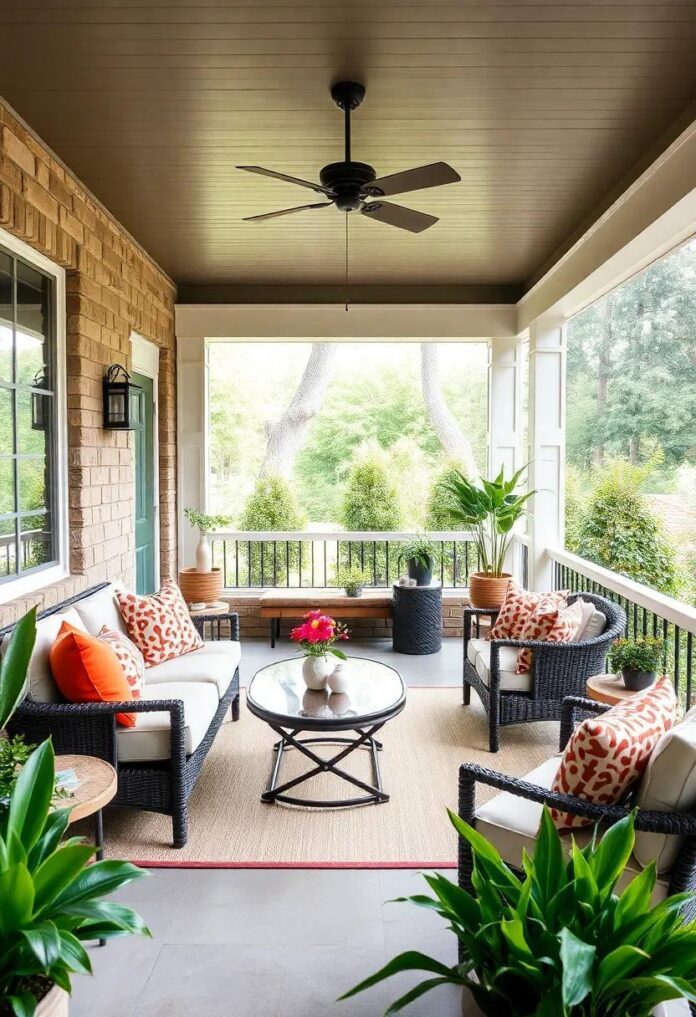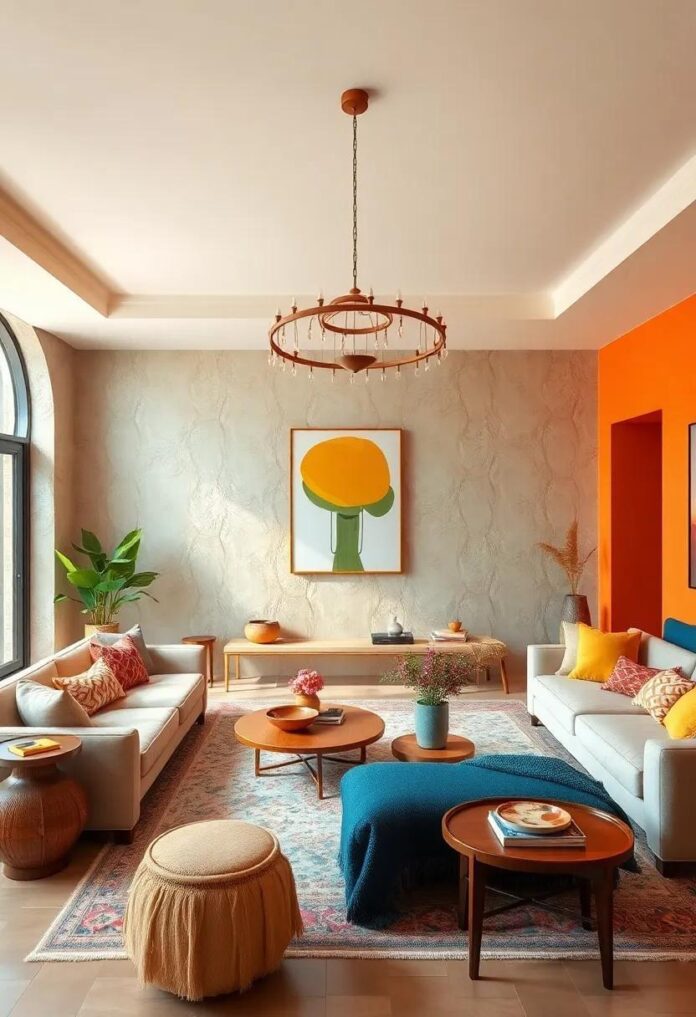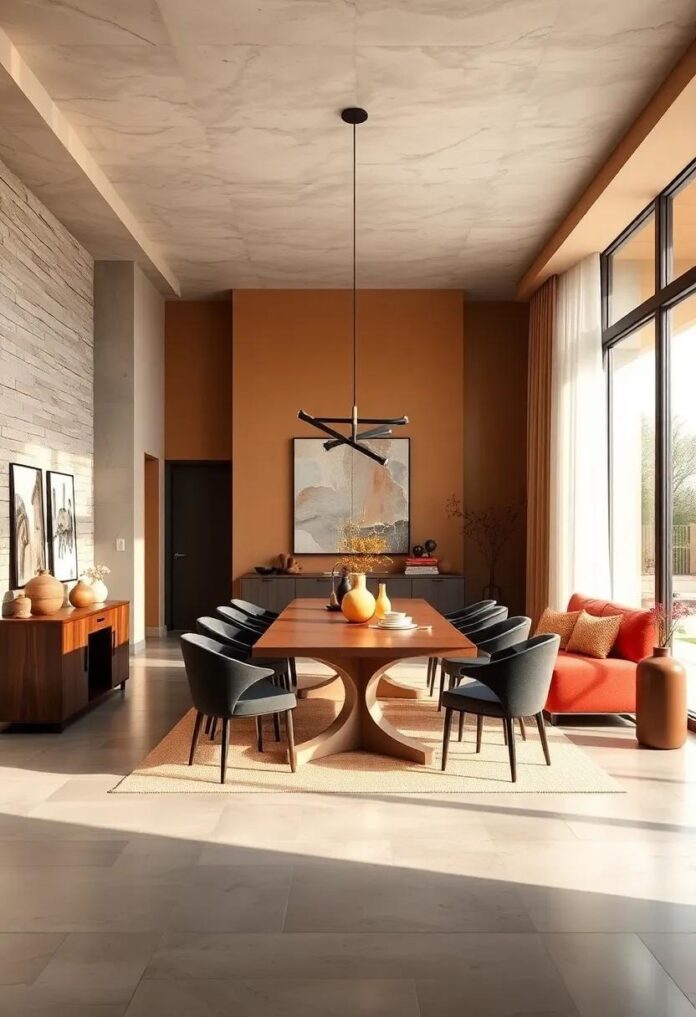

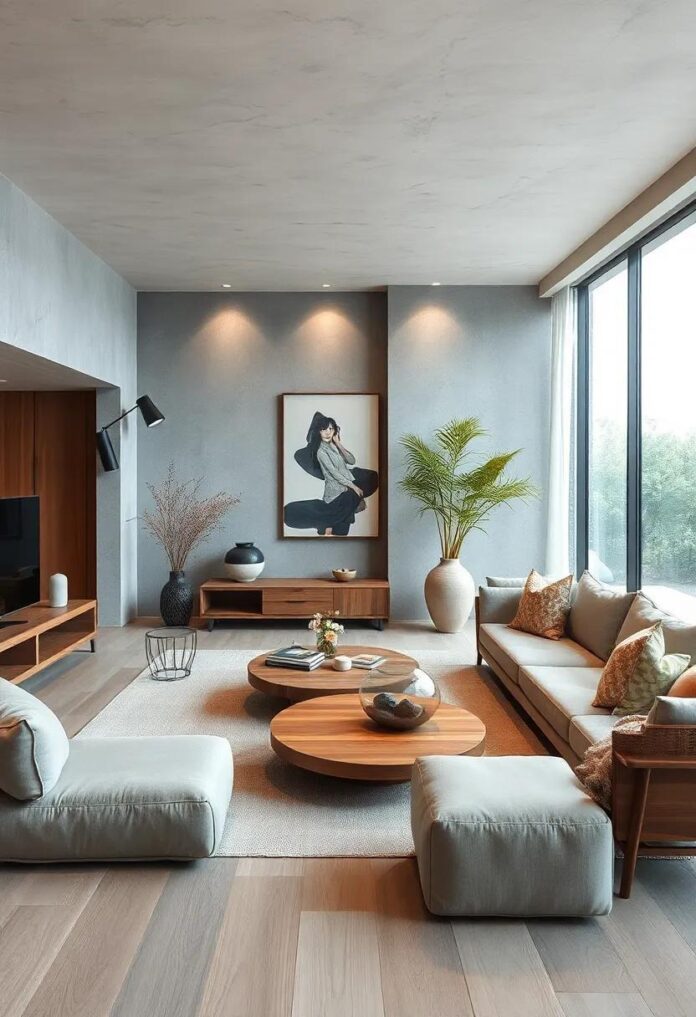
In a world that often feels chaotic and overstimulating, the serene beauty of Japanese design offers a tranquil refuge. Drawing inspiration from nature, Japanese aesthetics celebrate simplicity, craftsmanship, and the calming textures found in natural materials. If you’re looking to create a living room that resonates with peace and elegance, you’ve come to the right place! In this listicle, we present 29 unique ways to incorporate authentic Japanese natural materials into your space. From bamboo accents to tatami mats, each item on our list invites you to explore the harmonious blend of form and function that characterizes Japanese interiors. Expect to discover thoughtful design choices that enhance not just the visual appeal of your living room but also its ambiance, fostering a soothing habitat that reflects nature’s essence. Let’s embark on this journey to transform your living space into an oasis of tranquility and understated beauty.
Embrace bamboo accents to create a serene and natural ambiance in your living room
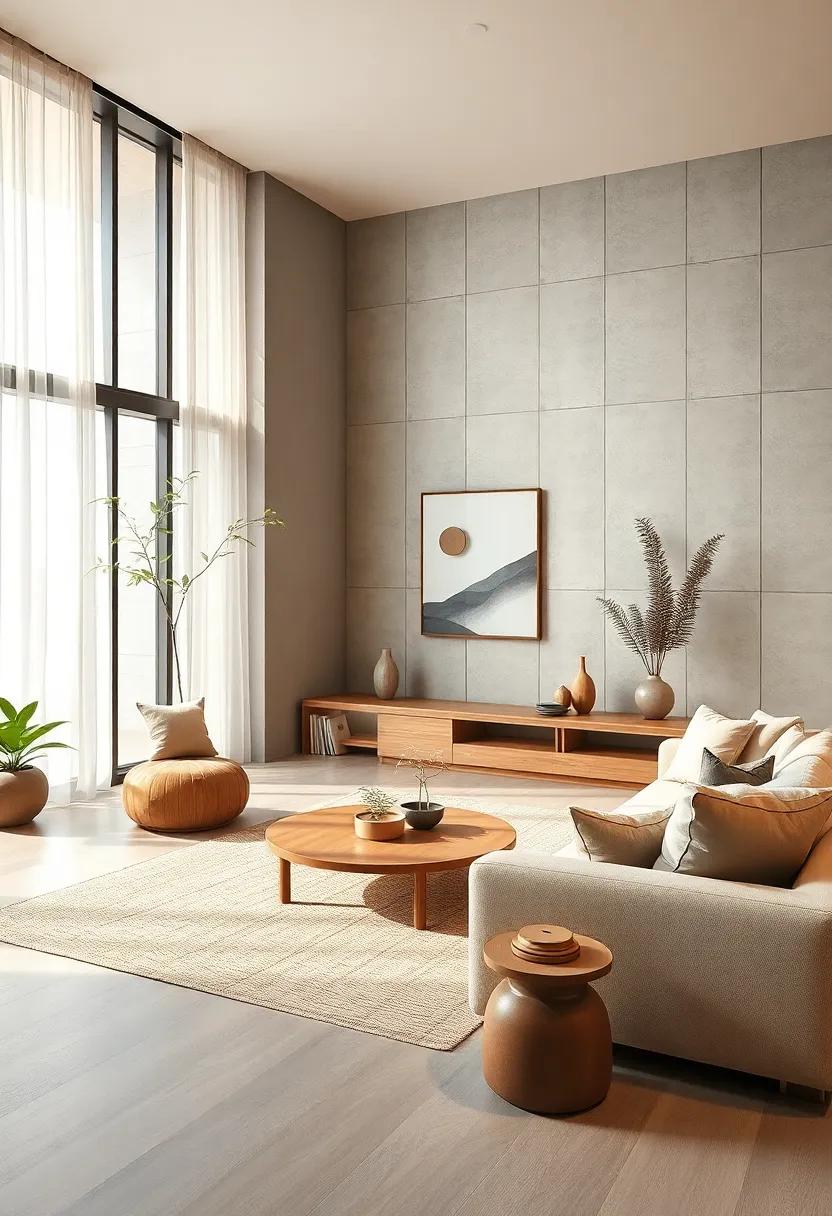
Incorporating bamboo into your living room design can dramatically enhance the tranquility of your space, fostering a connection to nature. Start with bamboo furniture pieces such as coffee tables, side tables, or chairs. Their sleek design and organic look can serve as focal points, complementing other natural materials in the room. Add bamboo shelves for books or decorative items, which provide both practicality and style while maintaining a light and airy feel. For a bit of flair, consider bamboo light fixtures—pendant lamps or floor lamps—with soft, warm lighting that evokes a calm atmosphere.
To complete the ambiance,accessorize with bamboo woven textiles,like cushions or throws,which introduce texture without overwhelming the aesthetic. Consider using bamboo planters for small indoor plants, creating a verdant touch that breathes life into the room. if you’re looking for a more subtle approach, choose bamboo wall art or prints that celebrate nature, further tying your living space to the serene beauty of the outdoors. These simple yet impactful additions can turn your living room into a tranquil retreat, where every element works harmoniously to invite peace and relaxation.
Incorporate tatami mats for an authentic touch underfoot, offering comfort and style
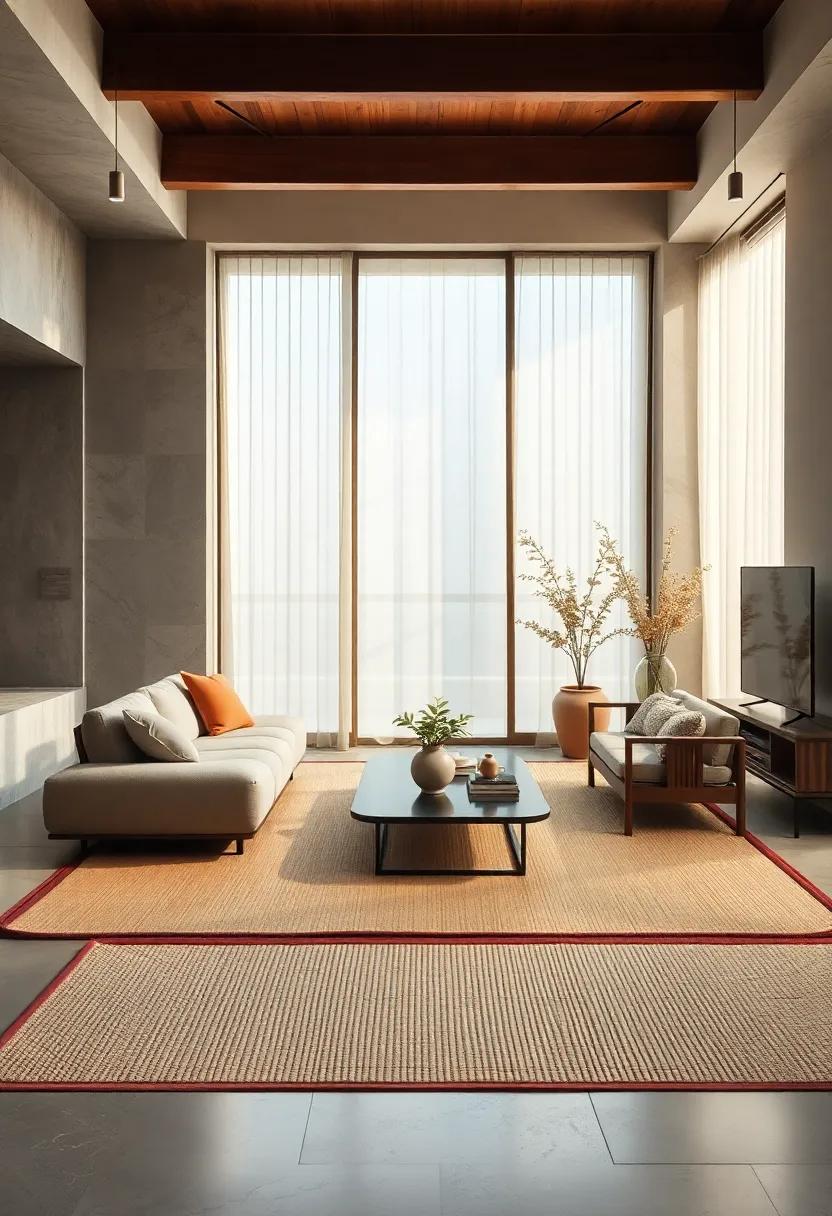
Experience the harmonious blend of comfort and aesthetics by introducing tatami mats into your living space.These conventional Japanese floor coverings, made from rice straw and woven rush grass, not only provide a soft yet sturdy underfoot experience but also enhance the authentic ambiance of your room. The natural materials used in tatami mats contribute to a healthier living environment by regulating humidity and purifying the air. Their earthy tones and unique texture can serve as a stunning backdrop for your furniture, effortlessly tying together modern and traditional design elements.
When choosing tatami mats, consider incorporating different styles and layouts to create visual interest. You can:
- Layer with throw rugs for added texture and warmth.
- Create defined areas within your living room—such as a reading nook or a meditation space.
- Opt for custom sizes that suit your specific layout and preferences, allowing for seamless integration into your existing décor.
Explore a variety of colors and patterns to complement your overall design scheme. mixing in tatami mats invites a sense of tranquility and connection to nature, fostering a warm and inviting atmosphere in your living room.
Use shoji screens as room dividers to bring in light while maintaining a sense of tranquility
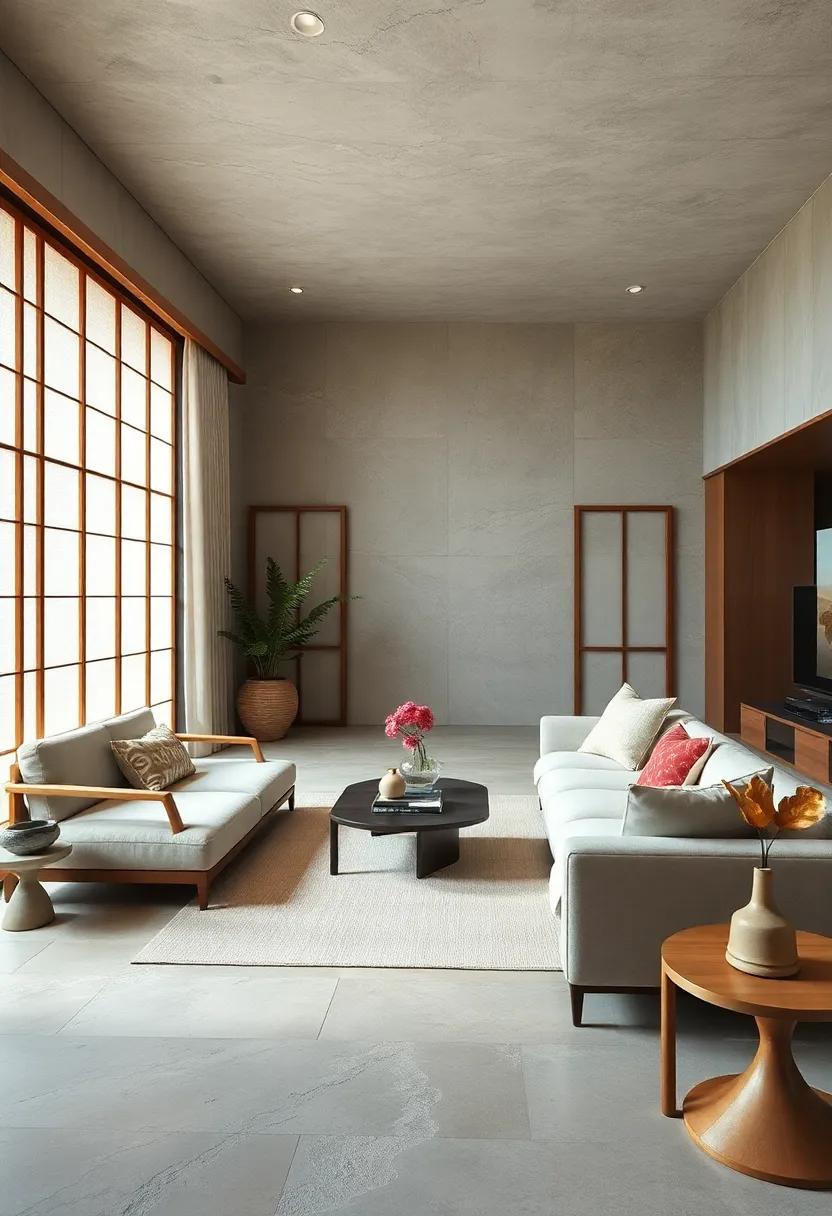
Incorporating shoji screens into your living space not only elevates the aesthetic but also enhances the flow of natural light. These traditional sliding panels, crafted from wood and translucent rice paper, create a beautiful interplay of light and shadow, instilling a sense of calm and serenity. By strategically placing shoji screens, you can designate areas within your living room, allowing for privacy without completely obstructing the light. This versatility enables you to curate different zones for relaxation,reading,or socializing,all while maintaining an airy atmosphere.
Additionally, the delicate design of shoji screens complements other natural materials typically found in Japanese decor. Their minimalist appearance harmonizes with wooden furniture, stone elements, and earthy textiles. To maximize their effect, consider pairing the screens with plants or simple pottery, creating a balanced and serene environment. Whether you choose full-length panels or smaller divider screens, their presence can transform your living room into a tranquil retreat, effortlessly bridging the gap between indoors and the peaceful outdoors.
Choose handcrafted wooden furniture, especially from sustainable sources, to enhance rustic charm
Handcrafted wooden furniture embodies the heart of rustic charm, making it a perfect choice for your living room. When selecting pieces,look for artisan craftsmanship that showcases the natural beauty of the wood. Each item tells a story, with unique grains and hues that industrial furniture simply can’t replicate. Opt for items with minimalist design to highlight their authentic character—think low-profile coffee tables,sturdy bookshelves,or elegant side tables made from reclaimed wood. These elements not only add warmth but also create a comforting ambiance that invites relaxation.
Moreover, prioritizing sustainably sourced timber ensures that your interior design aligns with eco-friendly values. When shopping, consider pieces made from responsibly harvested woods, such as bamboo, maple, or walnut. Incorporating these elements might include:
- Custom-made couches that use reclaimed wood frames
- Handturned wooden stools for a rustic touch
- Live-edge dining tables that showcase natural contours
- Stylish bookshelves that incorporate a mix of wood and metal
The beauty of such furniture is enhanced by its organic finish, often featuring natural oils or wax instead of chemical stains, allowing the wood to breathe. Pair these handcrafted pieces with natural fabrics, such as cotton or linen cushions, to create a harmonious and inviting space that celebrates the essence of nature.
Add a futon couch that blends traditional design with modern comfort for versatile seating
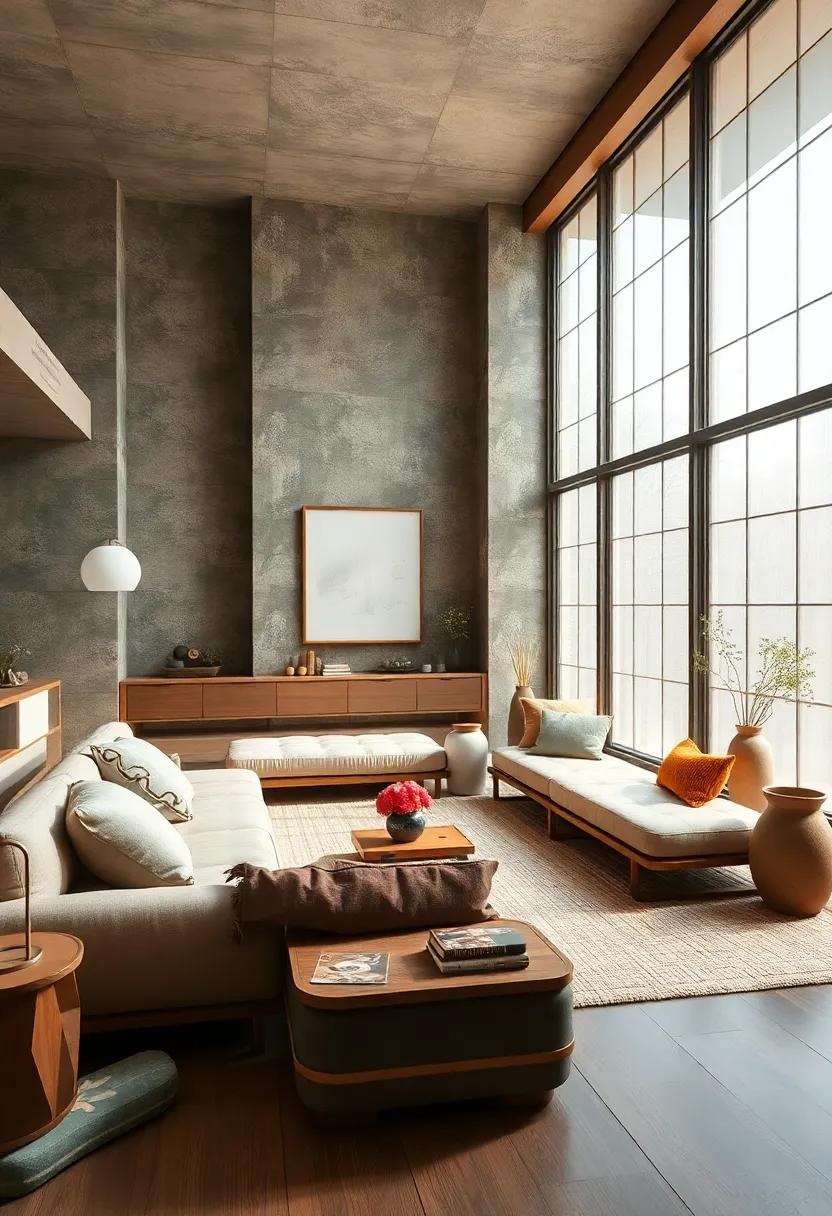
Furnishing your living room with a futon couch is a fantastic way to achieve the perfect balance between traditional aesthetic and modern practicality. Futon couches, rooted in Japanese culture, are designed with simplicity and functionality in mind. They offer a clean and minimalist look that complements natural materials, making them a perfect match for a space infused with Japanese influences. The versatility of these sofas allows them to serve as a stylish centerpiece by day and a agreeable sleeping option by night, seamlessly transitioning between functions.
when selecting a futon couch, consider options with natural fabrics such as cotton or linen, which not only enhance comfort but also contribute to a sustainable lifestyle. Adding cushions in earthy tones or traditional patterns can further enrich the couch’s appeal, giving it a unique, personalized touch. To elevate the design,combine the futon with natural wood elements; a simple wooden coffee table or side table can create a harmonious space. with the right layering of textures and materials, your futon couch will be a beautiful reflection of both tradition and modernity in your living room.
Integrate stone elements, like river rocks, into decor for a grounding, earthy feel
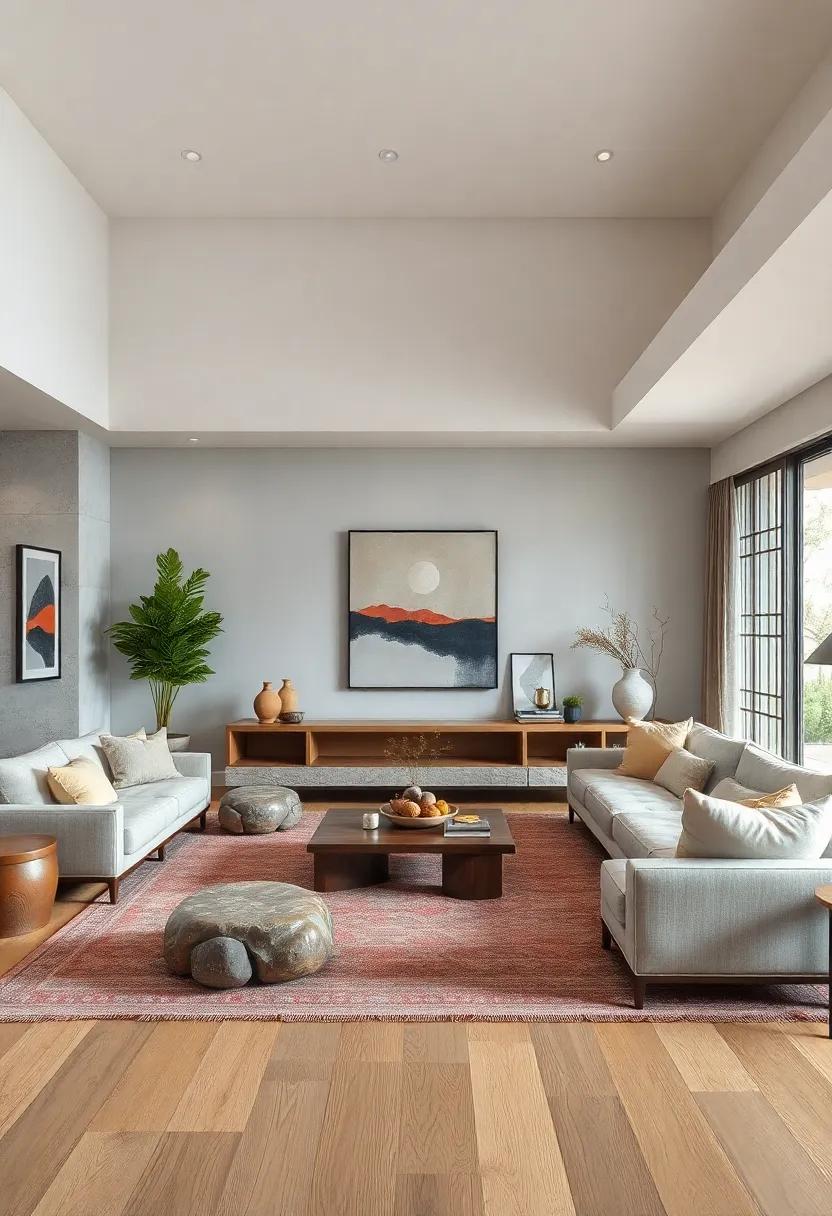
Incorporating natural stone elements into your living room decor creates a connection to the tranquil beauty of nature, instilling a sense of harmony and peace. River rocks, with their smooth textures and varied colors, can be used as statement pieces or subtle accents. Consider creating a beautiful centerpiece with large river rocks arranged in a shallow wooden bowl, or place a collection of smaller stones in glass vases for a minimalist display that adds depth to your interior design.
For a more immersive experience,you can incorporate stone elements in various forms:
- Stone tabletops: Use a coffee table with a natural stone surface to anchor the room.
- Decorative gravel: Fill a decorative tray or terrarium with polished river pebbles.
- Stone sculptures: Invest in small sculptures or art pieces made from local stones as conversation starters.
- Textured wall accents: Create an accent wall using stacked stones or a rock veneer for added interest.
Use natural fibers such as jute or sisal for rugs that add texture and warmth to the space
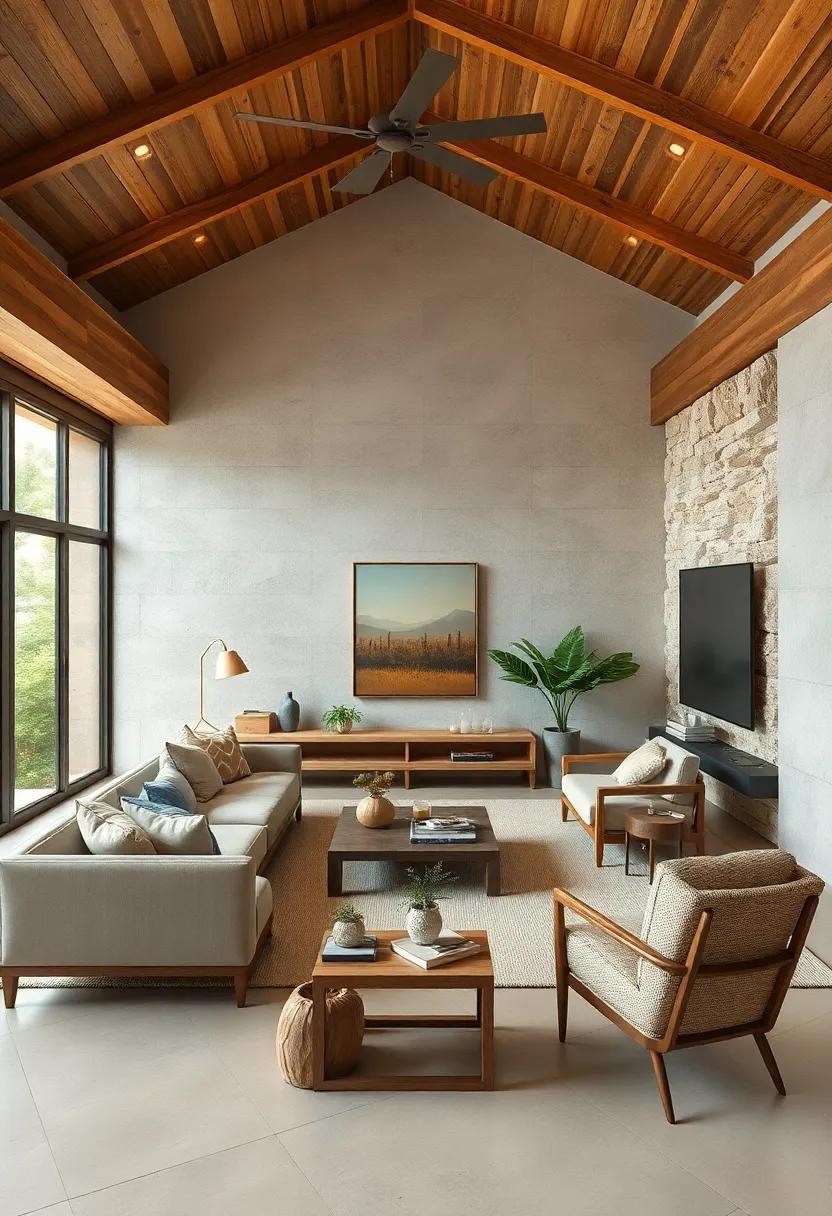
Incorporating rugs made from natural fibers like jute and sisal can dramatically enhance the ambiance of your living room. These materials bring an unmatched texture and warmth, creating a serene environment that resonates with the simplicity of Japanese aesthetics. Jute offers a coarse yet soft surface underfoot, perfect for grounding your decor while adding an organic touch. On the other hand, sisal, with its durability and subtle sheen, adds depth and a hint of sophistication, making it ideal for high-traffic areas. layering both jute and sisal rugs can create a visually appealing contrast that evokes a sense of calmness and comfort.
When selecting rugs, consider the following benefits that these natural fibers bring:
- Eco-Friendly: Sourced from renewable resources, both jute and sisal are biodegradable and low-impact choices.
- Versatile Design: Available in various weaves, colors, and patterns to complement any decor style.
- Natural Insulation: Help to regulate temperature and sound, making your living room cozier and quieter.
Consider pairing your natural fiber rugs with furniture made from wood or bamboo to create a harmonious and cohesive look. A simple arrangement can transform your living space into a tranquil retreat, perfectly blending utility with nature’s beauty.
Decorate with bonsai trees, symbolizing nature’s beauty in miniature form
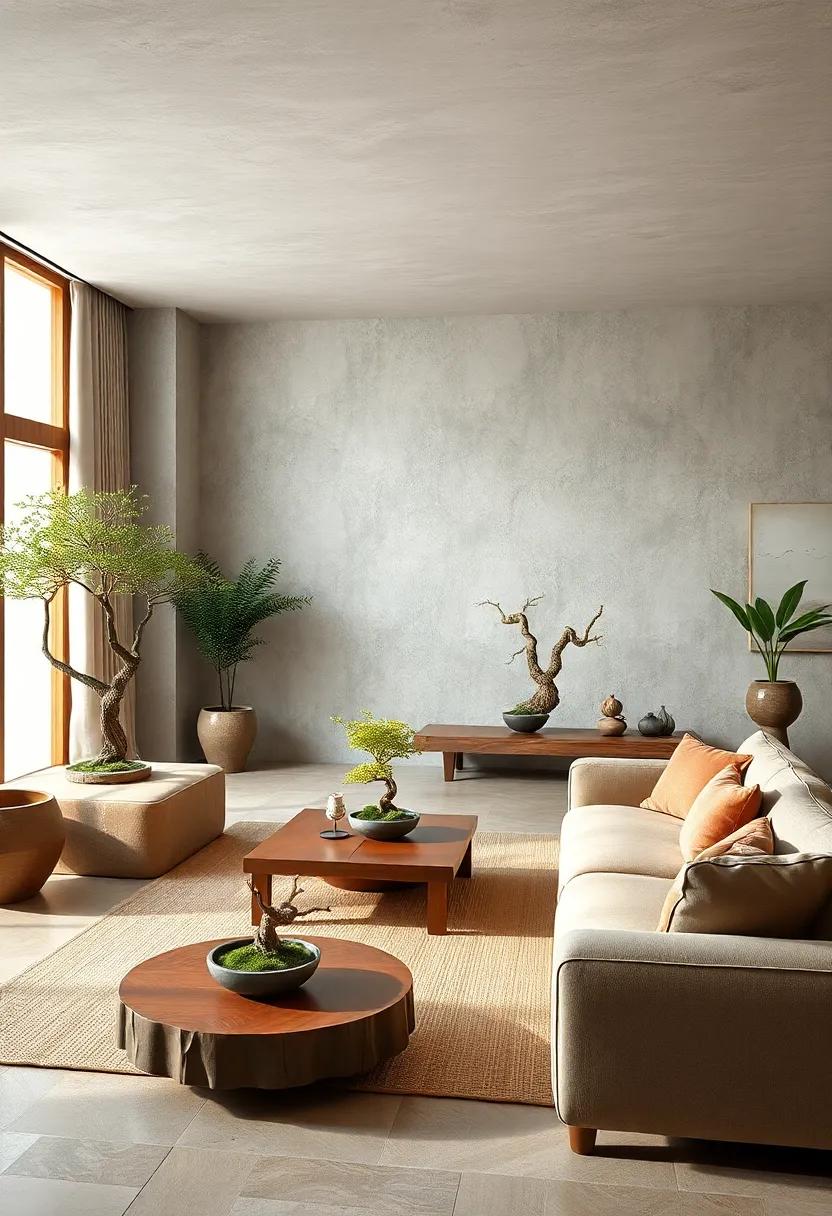
Incorporating bonsai trees into your living room decor is a delightful way to bring a touch of nature instantly indoors. These miniature masterpieces not only thrive as artful statements but also evoke tranquility and mindfulness. When selecting bonsai, consider species that resonate with you; their unique shapes and sizes can enhance various design styles. Ficus, Juniper, and Chinese Elm are popular choices that offer resilience and beauty, making them perfect companions for your serene space.
To create a harmonious display, pair your bonsai with natural materials that complement their beauty. You might consider:
- Stylish planters – Choose materials like clay or ceramic that showcase the bonsai without overpowering it.
- Rock arrangements – Introducing stones or pebbles can mimic natural environments and create an engaging landscape.
- Wooden stands – Elevate your bonsai with a handcrafted stand made from reclaimed wood, blending rustic charm with nature’s elegance.
| Bonsai Tree Type | Light Preferences | watering Needs |
|---|---|---|
| Ficus | Luminous, indirect light | Moderate, allow topsoil to dry |
| Juniper | Full sunlight | Keep soil moist, especially in summer |
| Chinese Elm | Indirect bright light | Regularly, do not let it dry out |
Whether situated on a coffee table, nestled on a window sill, or accompanying bookshelves, bonsai trees act as grounding elements in your living environment.Their presence subtly influences the atmosphere, inviting peaceful moments of reflection amidst daily routines.With the right care and attention, these living artworks will not only thrive but also enhance your living space with their organic allure.
Choose earth-toned color palettes inspired by Japanese landscapes to create a calming environment
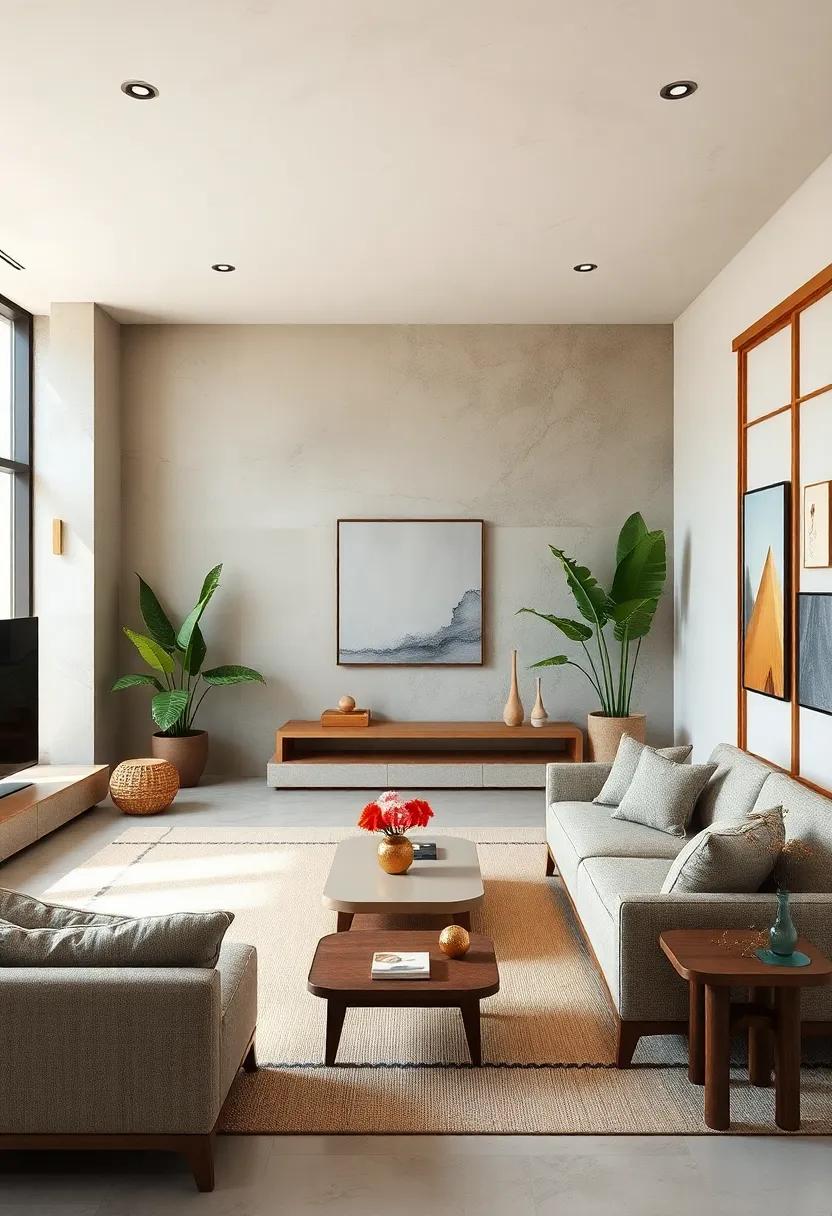
Transform your living space into a serene refuge by embracing earth-toned color palettes reminiscent of Japan’s breathtaking landscapes. The rich hues of natural elements can evoke feelings of peace and tranquility, allowing you to unwind after a long day. Some exemplary color combinations to consider include:
- Rustic Clay and Sage Green - Channel the warmth of Japanese earthenware with soft terracotta tones paired with gentle greens that reflect lush forests.
- Muted Sand and Deep ocean Blue – Inspired by the coastal beauty of the Japanese shoreline, these colors create a calm atmosphere that grounds your space.
- Soft Ochre and charcoal Gray – Emulating the aesthetics of aged wooden structures and stone, this pairing adds depth while maintaining a soothing vibe.
- Warm Chestnut and Cream – Reflecting the beauty of autumn foliage, these shades bring a cozy warmth ideal for creating inviting spaces.
As you select these colors, remember to balance them with natural materials to enhance authenticity. Incorporating elements like bamboo accents, stone textures, and wood finishes can harmoniously tie together your palette while drawing inspiration from Japan’s stunning landscapes. Using a combination of shades and textures will help cultivate a sanctuary that not only feels inviting but also reflects the beauty of nature.A possible selection of complementary materials could include:
| Material | Color Pairing |
|---|---|
| bamboo | Rustic Clay & Sage Green |
| River Stones | Muted Sand & Deep Ocean Blue |
| Reclaimed Wood | Soft Ochre & Charcoal Gray |
| Woven Textiles | Warm Chestnut & Cream |
Hang up calligraphy art pieces that celebrate Japanese culture and artistry
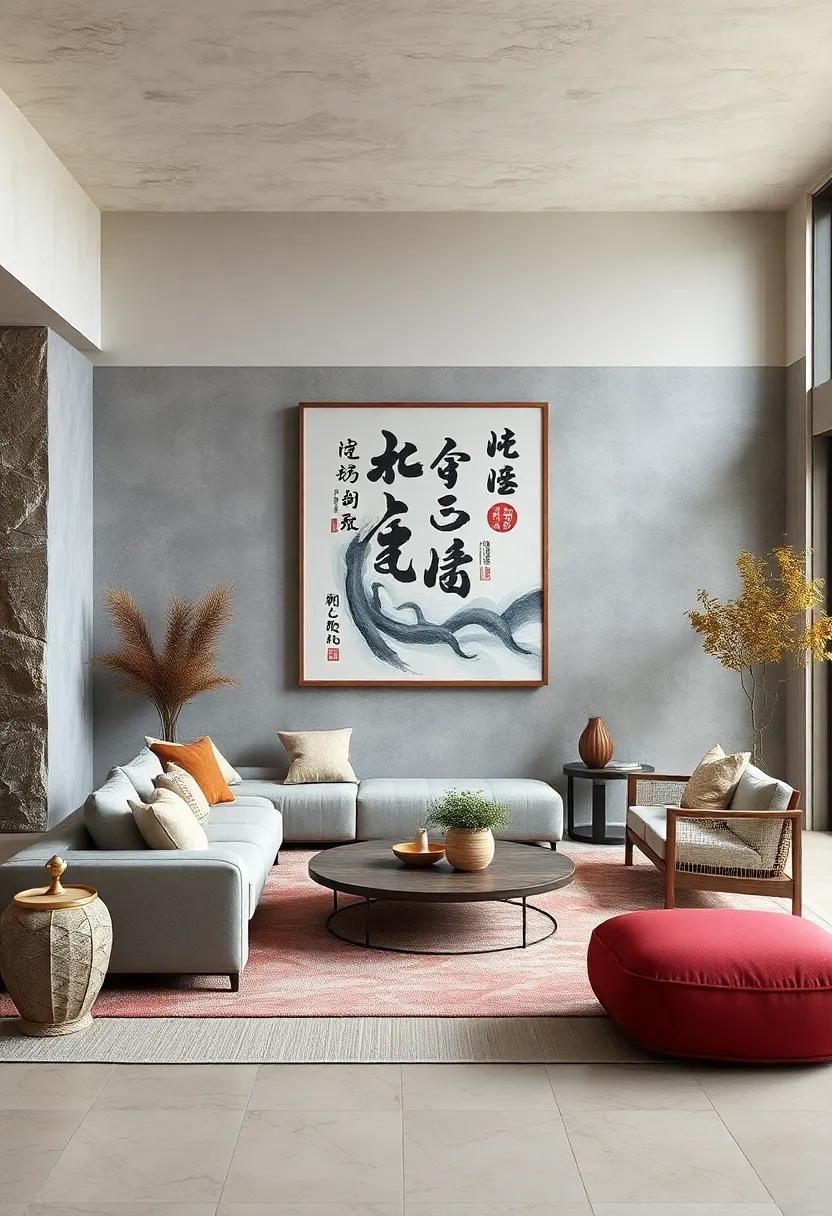
To infuse your living room with authentic Japanese aesthetics, consider adorning your walls with calligraphy art pieces that encapsulate the grace and depth of Japanese culture. These pieces often feature traditional kanji characters that convey profound meanings, offering a glimpse into the wisdom of Japanese ideology.Look for works that are created by artisans using traditional tools, such as brushes and ink, to truly capture the spirit of this ancient art form. Incorporating elements like a hanging scroll (kakejiku) can create a stunning focal point, seamlessly blending history with modern decor.
Explore the intricate styles of shodō, the art of Japanese calligraphy, where each stroke of the brush not only communicates words but also expresses the artist’s emotions.Opt for artworks that celebrate themes such as nature, tranquility, or Zen, reflecting the harmony of the Japanese aesthetic. Whether it’s a simple word representing peace (heiwa) or a more complex phrase evoking personal growth, these pieces will infuse your environment with a serene essence. To further enhance their impact, consider pairing these artworks with natural wood frames or even showcasing them on a tatami mat for an authentic display.
Incorporate tatami-inspired cushions to provide comfortable seating while staying true to tradition
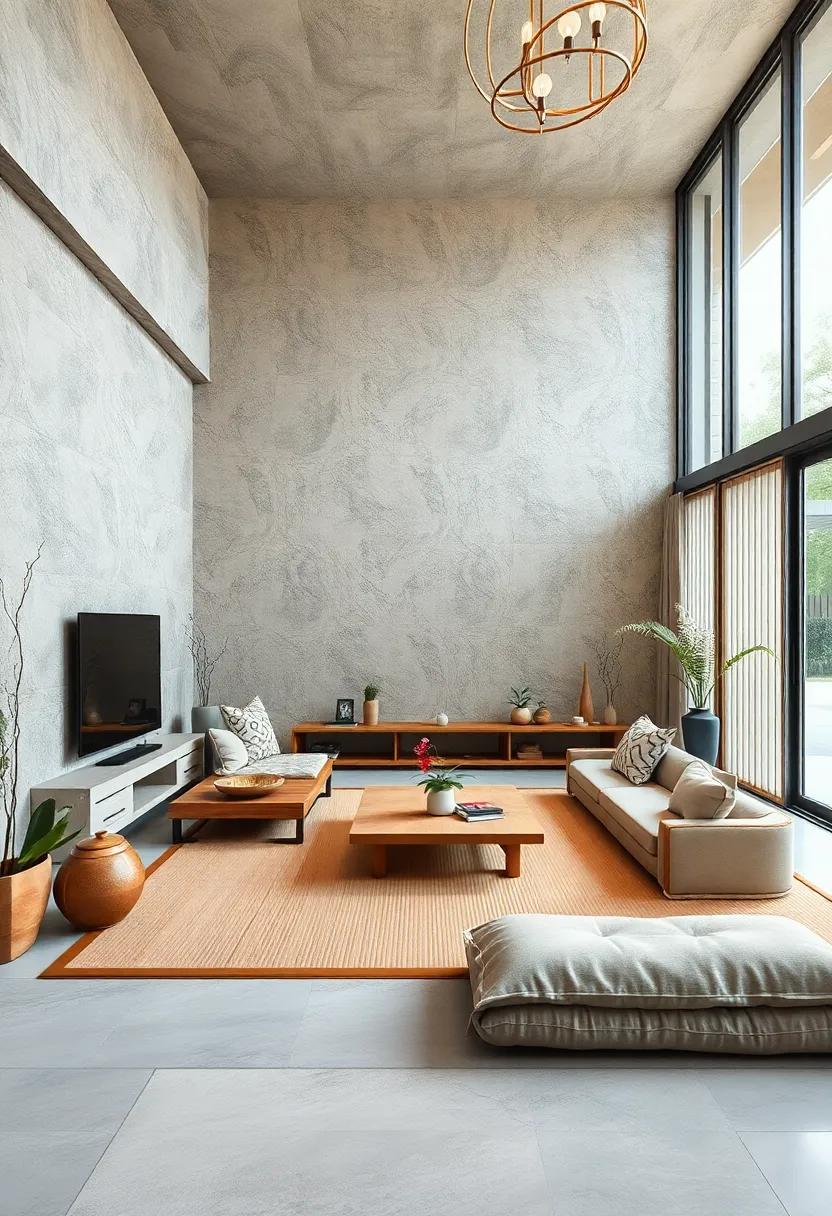
Transforming your living room into a serene Japanese-inspired space can be as easy as incorporating tatami-inspired cushions. These soft yet structured cushions echo the traditional tatami mat aesthetic, offering a natural, cozy feel that promotes relaxation. Their distinctive design not only serves as a practical element for guests but enhances the visual appeal of your space with subtle textures and earthy colors. Alongside your furniture, these cushions can be arranged in various ways, allowing for flexible seating configurations that encourage conversation and intimacy.
To truly capture the essence of this traditional seating, consider using cushions made from natural materials like cotton, hemp, or silk. Opt for colors that mimic the outdoor scenery of Japan, such as muted greens, soft browns, and warm beiges. Additionally, you might want to mix and match sizes and shapes to create a dynamic and inviting atmosphere. Below is a simple guide to help you choose the right materials and styles for your cushions:
| Material | Benefits | Style Suggestions |
|---|---|---|
| Cotton | Soft, breathable, and easy to clean | Neutral tones with traditional prints |
| Hemp | Durable and eco-friendly | Textured weaves with natural hues |
| Silk | Luxurious feel with a shiny finish | Elegant patterns in deep colors |
Use ceramic vases in muted colors for a functional yet aesthetic display of flowers or branches
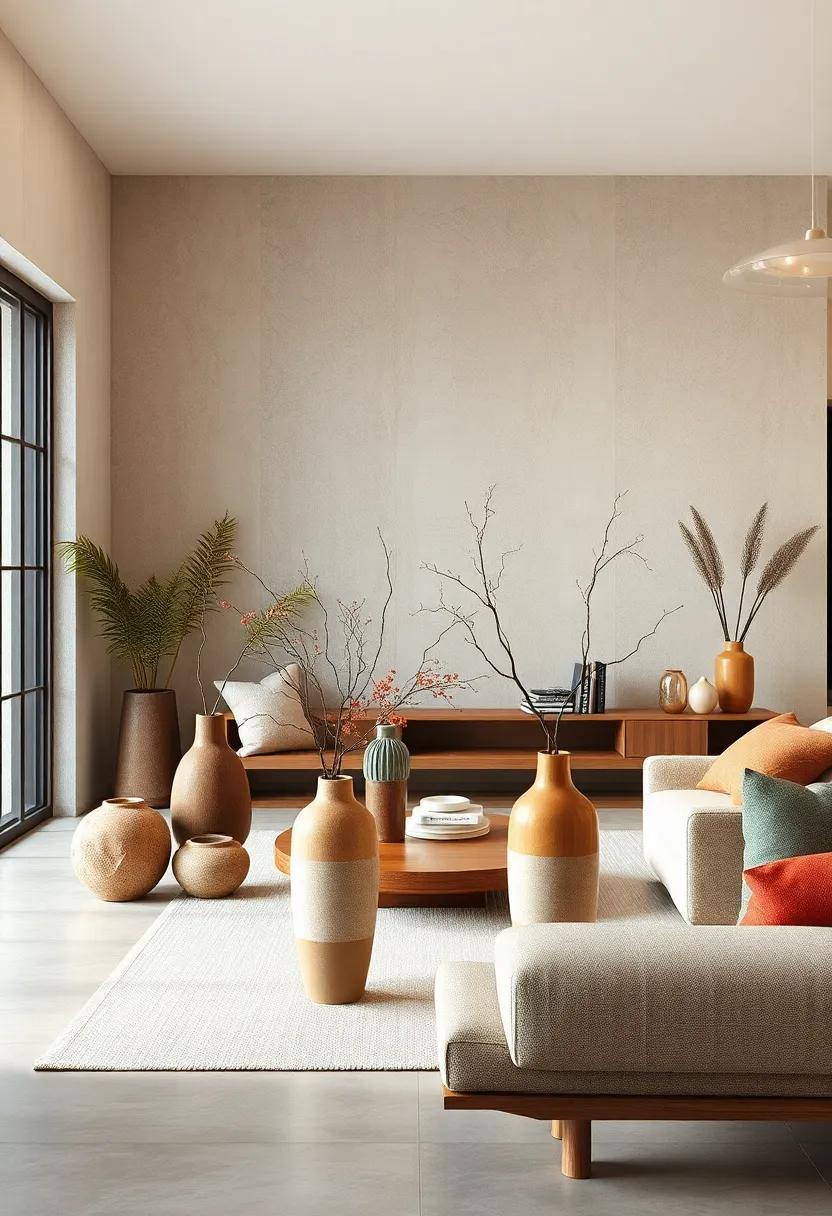
Incorporating ceramic vases into your living room decor can achieve a stunning balance between functionality and aesthetics.Opt for vases in muted colors, such as soft greys, gentle blues, or earthy greens, which allow the natural beauty of flowers or branches to shine. these subtle tones create a calming atmosphere, making your space feel welcoming and grounded. Arrange the vases in clusters on a side table or a mantelpiece, selecting varying heights and shapes to introduce visual interest without overwhelming the senses.
When filling these vases, consider using natural elements that resonate with the tranquil vibe you want to create. Sturdy branches, dried flowers, or even elegant grasses can be artfully arranged for a minimalist yet impactful display.Additionally, you can organise your vases according to their size and color textures to evoke a sense of harmony. Remember,the key is to celebrate simplicity,allowing nature to play a leading role in your living room:
| Vase Color | Ideal Fillings | Recommended Placement |
|---|---|---|
| Soft Gray | Dried Lavender | Coffee Table |
| Earthy Green | Curly Willow Branches | Corner Shelf |
| Warm Beige | Feather Reed Grass | Window Sill |
Introduce a low coffee table made from reclaimed wood for a rustic yet elegant centerpiece
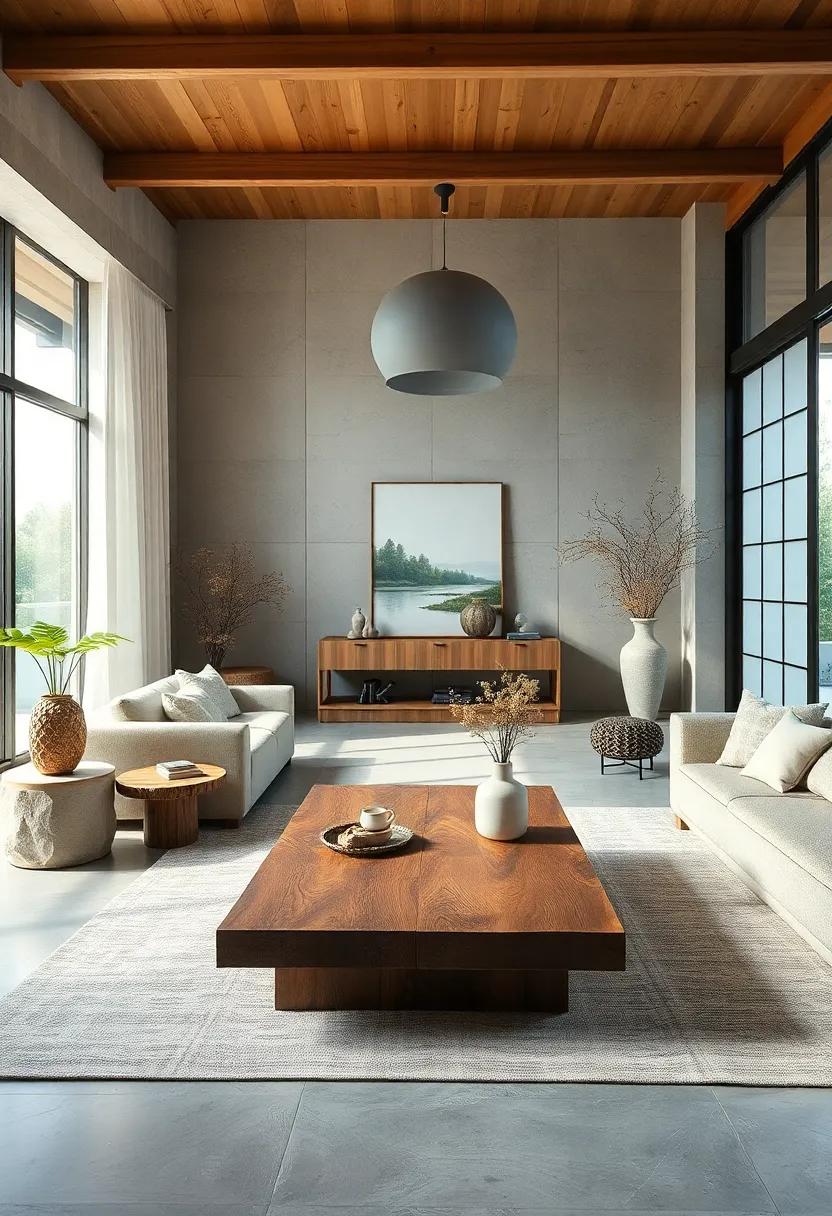
A low coffee table crafted from reclaimed wood serves as a stunning focal point in any living space, capturing the essence of rustic charm while maintaining an air of elegance.The unique textures and colors found in reclaimed wood tell a story of their own, bringing character and warmth to your living room. Imagine a centerpiece that not only grounds your space but also sparks conversations.Whether adorned with a simple vase of seasonal flowers or a carefully curated selection of art books,this piece of furniture enhances the overall aesthetic with its organic appeal. Coupling function with form, the table invites guests to gather around and enjoy both the rustic design and the intimate atmosphere it creates.
incorporate this low coffee table into your decor by considering the following elements that complement its natural beauty:
- Soft Textiles: Layering with cozy throws or textured cushions invites comfort.
- Natural Accents: Use botanical elements like potted plants or driftwood to enhance the organic theme.
- Earthy Hues: Choose a color palette featuring browns, greens, and grays to harmonize with the wood’s tones.
It can also double as a functional display for artisanal ceramics or handcrafted items that reflect Japanese craftsmanship, fostering a fusion of cultures in your living room. The coffee table becomes not just a piece of furniture, but a canvas that reflects the spirit of authenticity and sustainability, making it a quintessential component of a naturally inspired living space.
Utilize natural lighting by strategically placing mirrors to reflect outdoor views and brighten the room
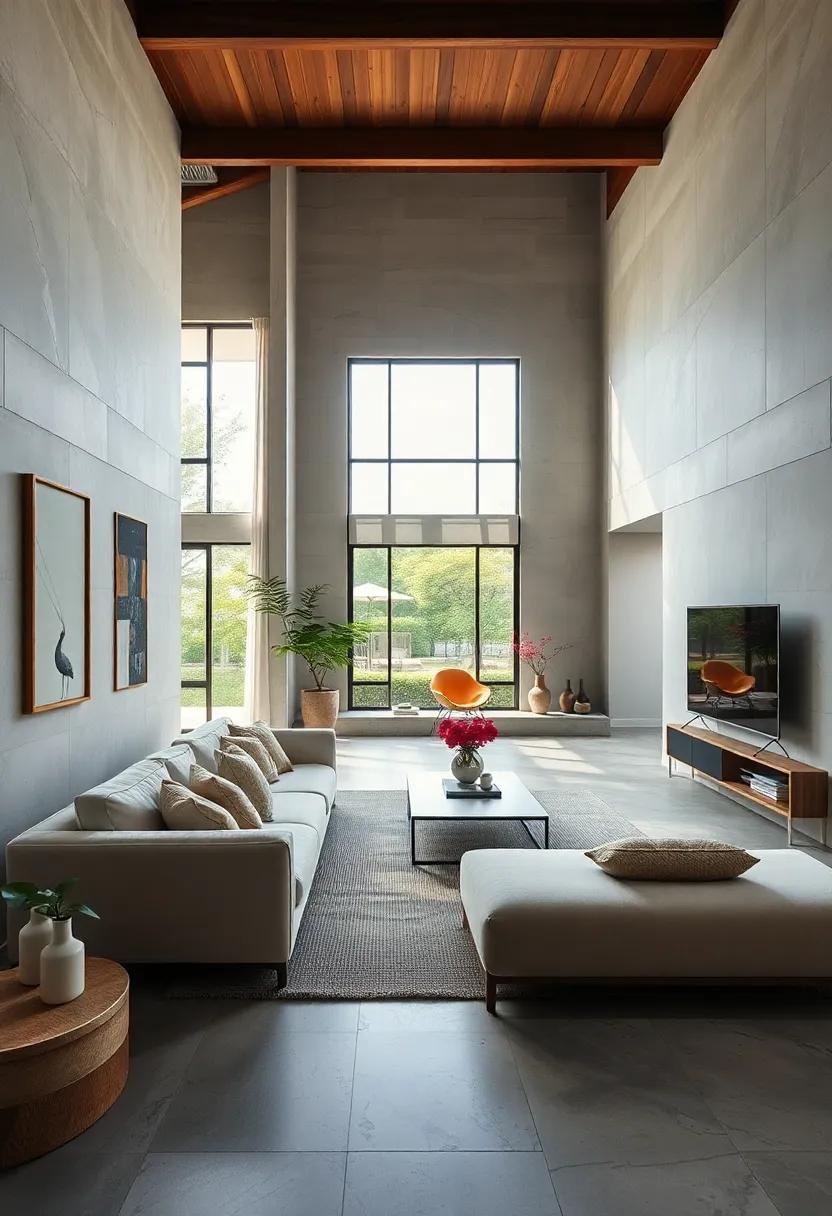
Maximizing natural light in your living room not only enhances its ambiance but also creates a serene connection to the outdoors, a principle deeply valued in Japanese design. To achieve this harmony, consider positioning mirrors to reflect scenic views beyond your windows. Strategically placing a large mirror opposite a window can double the light entering the space while also capturing the beauty of your garden or nearby trees. The reflection acts as a calming focal point, bringing nature’s essence into your living room without the need for extensive renovations.
Additionally,smaller mirrors can be utilized in clusters around your living room to bounce light around and create a more spacious atmosphere. Arranging them on shelves or leaning them against walls can create layers of depth and texture reminiscent of traditional Japanese aesthetics. When choosing mirrors, opt for designs with natural wood frames that tie back to authentic materials, further enhancing the organic feel of your living space. Experimenting with mirror placement can ignite creativity while transforming your area into a tranquil retreat inspired by the beauty of the natural world.
Implement hanging planters with trailing plants for a lively, organic touch
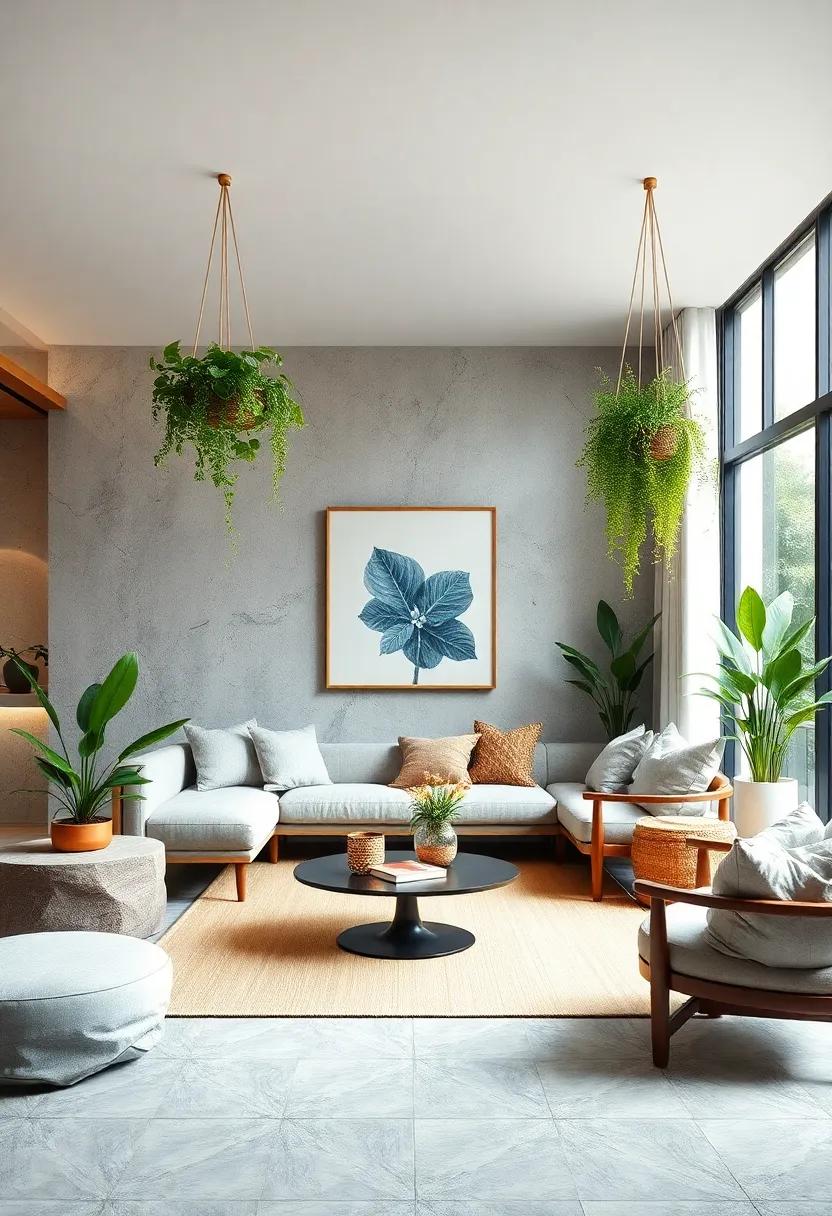
| Plant Type | Light Needs | Watering Frequency |
|---|---|---|
| String of Hearts | Bright, indirect light | every 2 weeks |
| Pothos | Low to bright, indirect light | Weekly |
| English Ivy | Moderate light | Every week |
Transform your living room into a serene oasis by suspending an array of hanging planters filled with lush, trailing plants.Opt for materials such as rattan or bamboo for the planters that resonate with traditional japanese craftsmanship. These organic touches seamlessly integrate into your decor while bringing a sense of tranquility and energetic growth into your space. Selecting plants with delicate tendrils, like String of Hearts or Pothos, can create captivating visual layers, allowing the greenery to gracefully cascade downwards.
In addition to the aesthetic appeal, these hanging arrangements can purify the air, creating a healthier home environment.Consider grouping planters at varying heights to foster depth and movement in your living room. You might also create a focal point by hanging a larger planter with a particularly striking plant like English Ivy that draws the eye. Embracing the beauty of trailing plants will not only enhance your living room’s vibrancy but also foster a deeper connection with nature,making every moment spent at home feel calm and rejuvenating.
Choose linen or cotton curtains in natural hues to soften windows and enhance light flow
installing linen or cotton curtains in your living room can create a serene ambiance that complements the aesthetics of Japanese design. Opting for natural hues, such as soft beiges, gentle greens, or muted grays, allows you to create a seamless connection between your indoor and outdoor spaces.These colors echo the simplicity and elegance of nature, letting the light filter through and dance off your walls. The lightweight fabric not only enhances the flow of light but also provides a soft texture that creates warmth and comfort in the room.
Consider the versatility of these materials when selecting your window treatments. they can be easily combined with other natural elements like wooden blinds or bamboo accents for a layered look. Additionally, a well-placed shear can filter sunlight beautifully, accentuating the natural colors of your living room. Here’s a quick reference table to help you decide:
| Material | Benefits | Best Colors |
|---|---|---|
| Linen | Durable, breathable, and naturally elegant | Soft whites, earthy beiges, light taupes |
| Cotton | Easy to maintain, versatile, and rich in texture | Gentle greens, muted blues, soft grays |
Use paper lanterns to impart soft, diffused light that complements the serene atmosphere
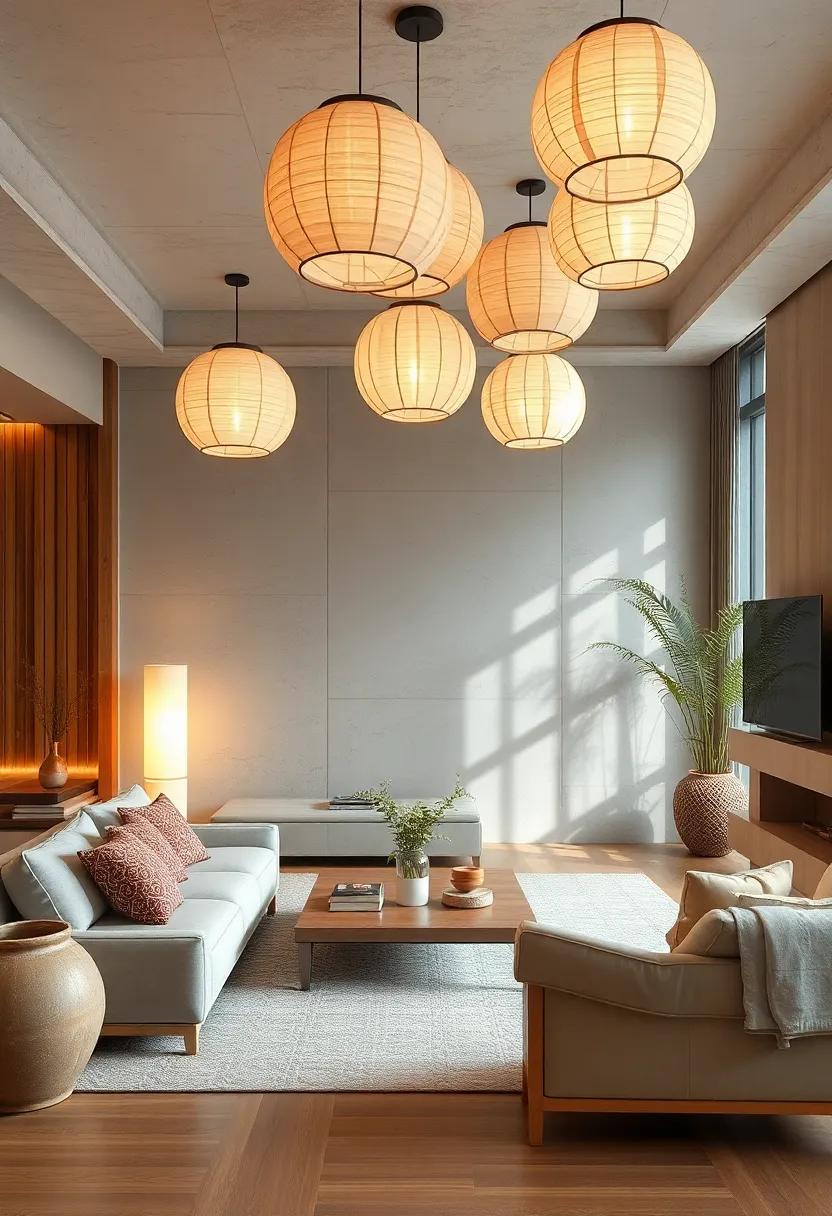
One of the simplest yet most effective ways to create a peaceful ambiance in your living room is by incorporating paper lanterns. These delicate fixtures, often adorned with traditional Japanese patterns, gently diffuse light, reducing harsh contrasts and casting a warm, inviting glow throughout the space. Hang them in clusters at varying heights to establish an enchanting focal point. Their soft illumination not only enhances the serene atmosphere but also allows the intricate details of the lanterns themselves to shine, making them as much a part of the decor as functional lighting.
To further enhance their presence, consider pairing the paper lanterns with other organic materials. A mix of bamboo or wooden accents can provide a beautiful contrast against the soft curves of the lanterns. Creating a small display on a low table featuring stones, moss, or dried flowers can harmonize with the theme and allow the lanterns to cast gentle shadows that dance across your decor. This thoughtful approach to lighting transforms your living room, immersing it in a tranquil atmosphere reminiscent of a peaceful japanese garden.
Feature a low-profile shelving unit made from natural wood to display books and decorative items
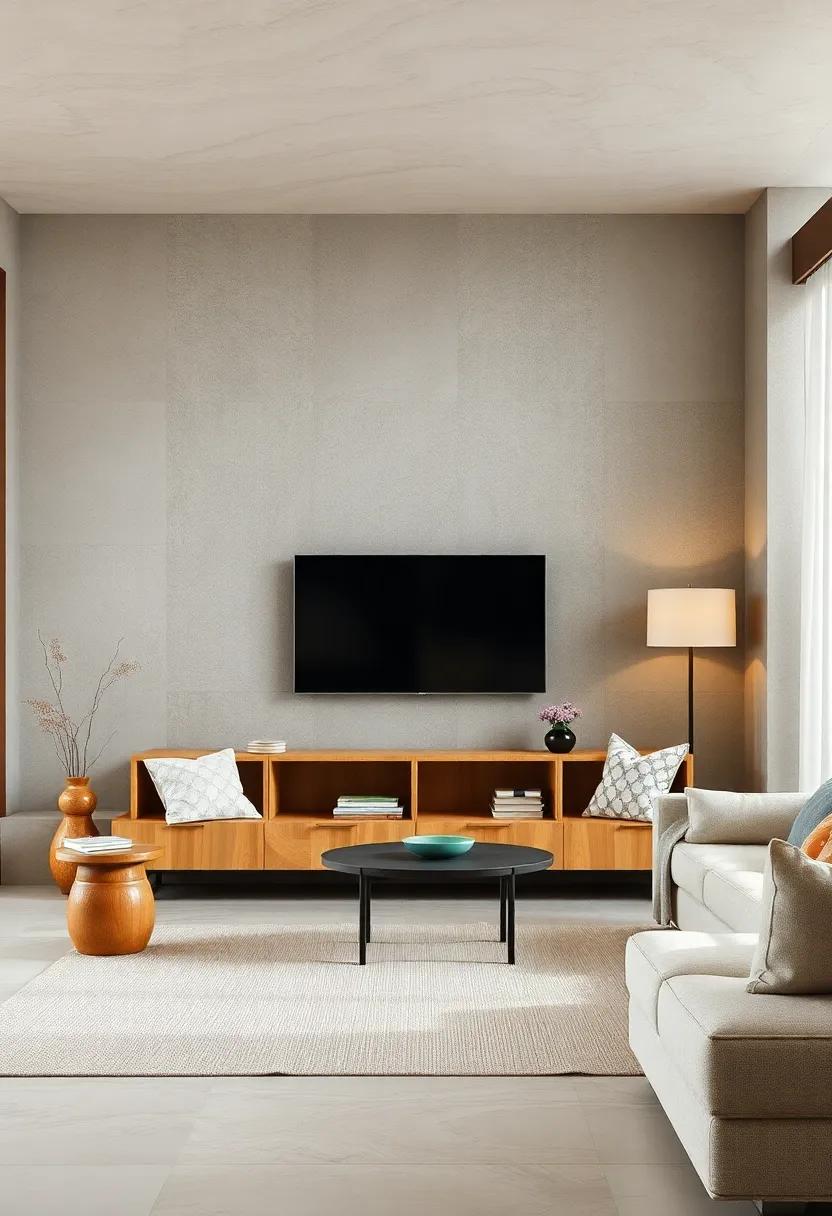
Incorporating a low-profile shelving unit crafted from natural wood can seamlessly blend functionality with aesthetics in your living room. This understated piece not only serves as a sturdy platform for your beloved books but also provides an ideal space to showcase decorative items that reflect your personality and style. The rich textures and warm tones of natural wood evoke a serene ambiance,grounding your space and bringing a touch of the outdoors inside. Choose a design that emphasizes Clean lines and simplicity, which aligns perfectly with Japanese minimalist philosophy.
To enhance your natural wood shelving unit’s visual appeal, consider arranging your books and decorative items in an intentional manner. Here are some ideas to elevate your display:
- Layering: Stack books both horizontally and vertically to create depth.
- Natural Elements: Include small potted plants or succulents to bring life to the arrangement.
- Artistic Touches: Mix in unique decorative pieces such as ceramic vases or hand-painted figurines that tell a story.
- Lighting: Place a soft, compact lamp on the shelf to highlight your collection during the evening hours.
Incorporate an indoor water feature, like a small fountain, to bring the sounds of nature into your home
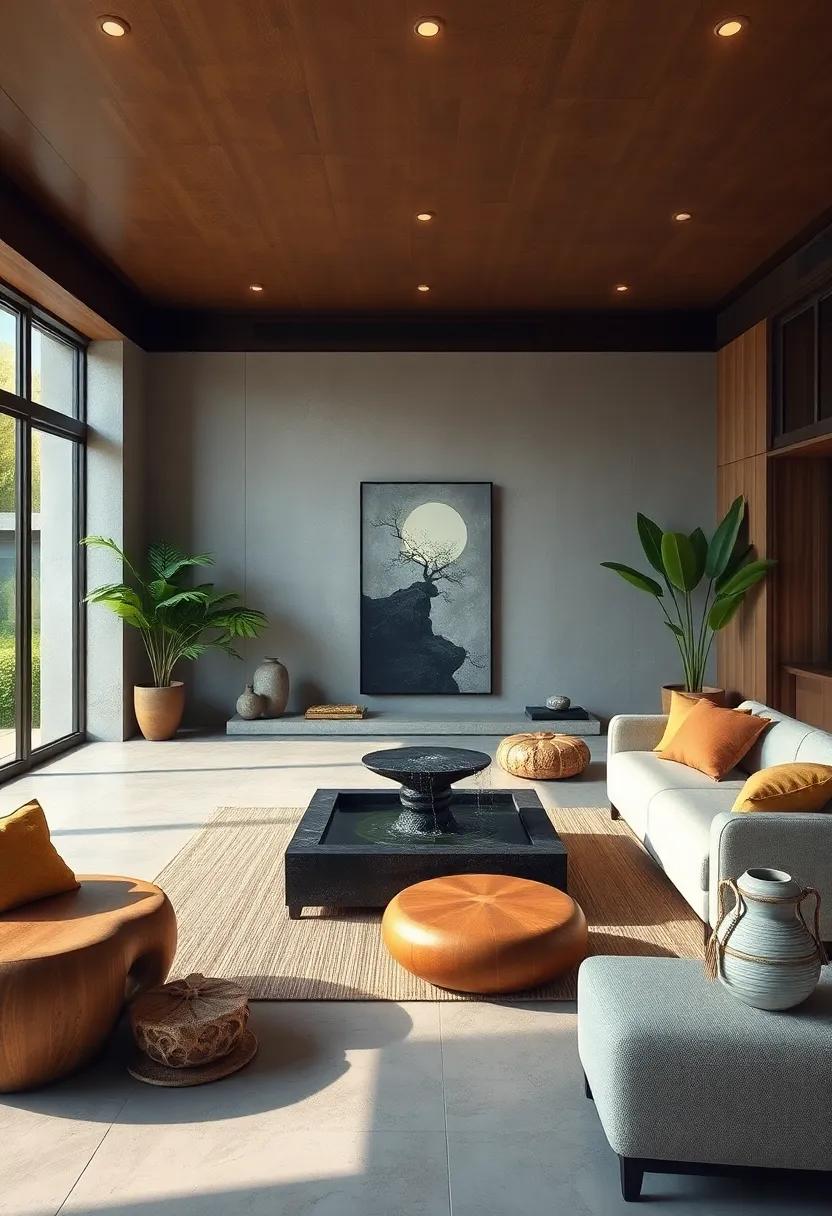
To seamlessly integrate the soothing essence of nature into your living space, consider adding a tranquil water feature, such as a small fountain. The gentle sound of flowing water has a calming effect, creating a serene atmosphere reminiscent of Japanese gardens. This addition not only enhances acoustics but also serves as an eye-catching focal point that draws the attention of your guests. For a true traditional touch, seek designs made from natural materials like stone, bamboo, or ceramic. These elements resonate with a rustic elegance that complements wood or tatami mat flooring.
When selecting your indoor fountain, keep in mind the surrounding decor to maintain harmony. You can pair the feature with lush indoor plants, such as ferns or bonsai, which thrive in the humidity that a water feature provides. Consider the following tips for placement and enhancement:
- Position near seating: A fountain near seating areas encourages relaxation and contemplation.
- Lighting: Soft lighting around the fountain can create a magical ambiance during evening hours.
- Sound effects: Adjust the water flow to achieve the desired sound, whether gentle dripping or more pronounced babbling.
Select natural stone wall art or panels to evoke feelings of strength and stability
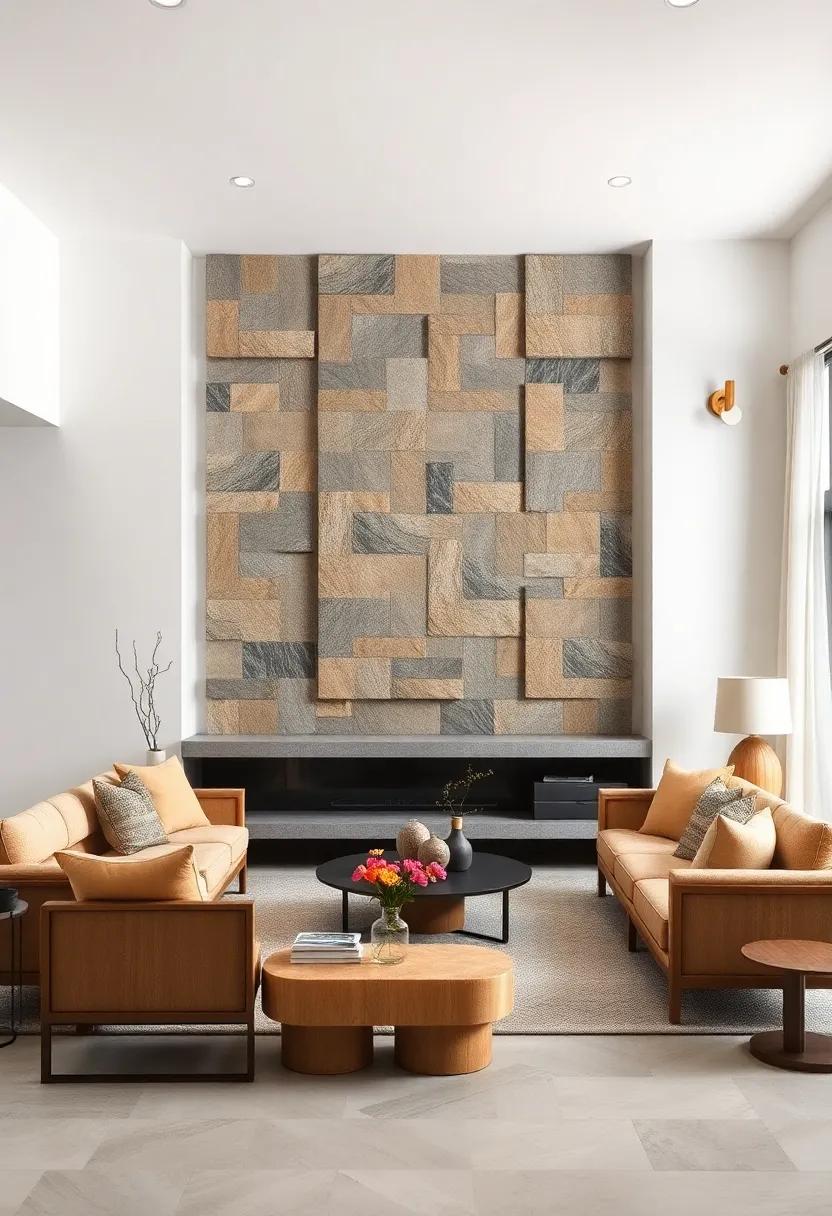
Incorporating natural stone wall art or panels into your living room can create a mesmerizing focal point that embodies the essence of strength and stability. Consider slate, with its rich textures and deep colors, lending an earthy nuance to your space. Its rough, rugged appeal not only offers durability but also reflects the timeless beauty of nature. Additionally, granite wall panels could enhance the sophisticated aura of your living room, boasting a polished finish that resonates with a sense of refined elegance. You can also explore marble art pieces, which exude luxury while providing a serene ambiance, making them ideal for a calming living room atmosphere.
To further enhance your design vision, think about incorporating mosaics made from various stones, which can give your wall an artisanal feel and tell a unique story through color and pattern. You may prefer river stone arrangements that add a naturalistic touch, uniting the elements of earth and water in your décor. For those opting for a minimalist approach, a single large-format stone panel can serve as a majestic backdrop, imparting a sense of solidity. Whichever stone type you choose, these installations will not only capture attention but also create a grounding atmosphere that invites relaxation and mindfulness.
Add a touch of warmth with soft wool or cashmere blankets draped over chairs or the sofa
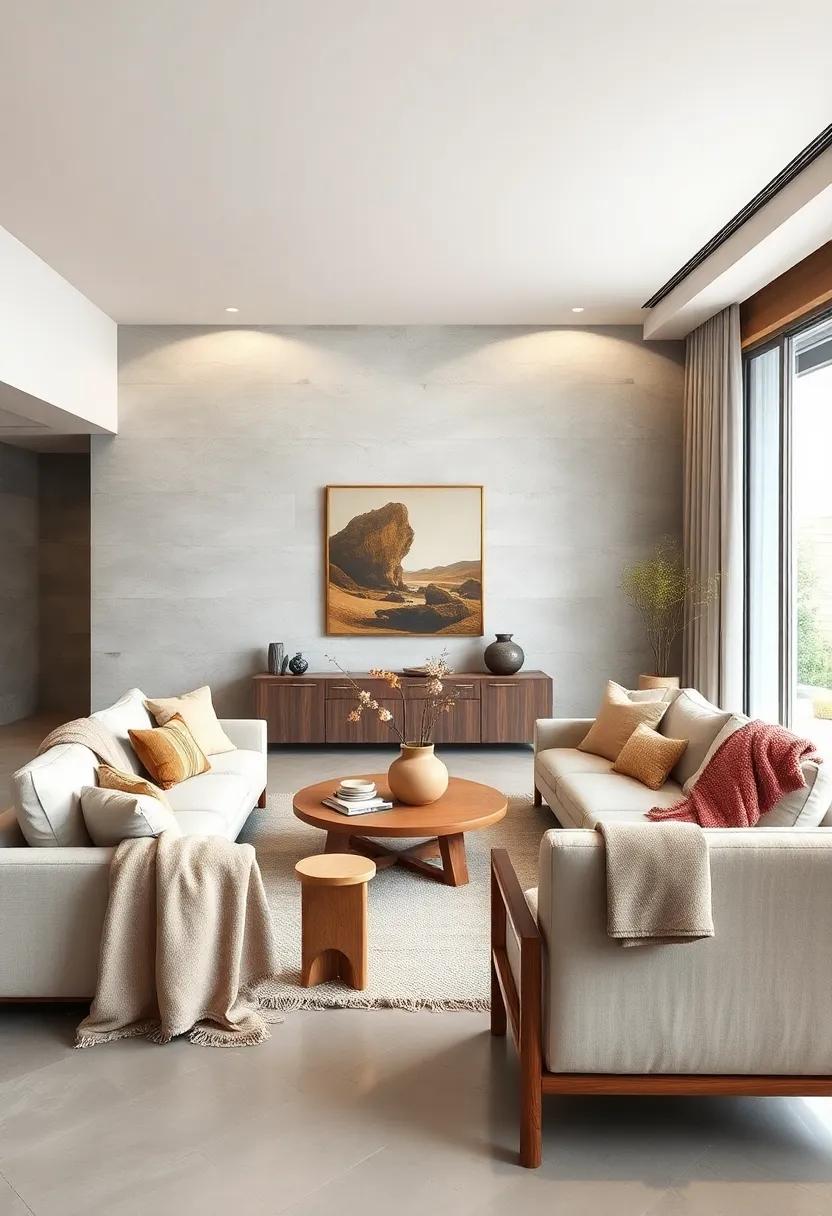
Incorporating soft wool or cashmere blankets into your living space not only enhances the visual appeal but also invites a cozy atmosphere that resonates with the Japanese thankfulness for comfort and simplicity. Drape these luxurious textiles over chairs or your sofa to create layers of texture. The gentle folds and cascading drapes of these materials can soften the sharp lines of furniture, introducing a sense of balance. Pair warm neutrals like cream, beige, or light gray blankets with darker wood tones to create a harmonious color palette that mirrors the tranquility of a Zen garden.
Consider mixing and matching different fabrics and patterns to add depth without overwhelming the senses. Solid colors can serve as grounding elements, while subtle patterns—like delicate stripes or minimalist checks—can inject a touch of visual interest. For a thoughtful arrangement, you could choose to create a small display on your sofa with a couple of carefully folded blankets alongside a curated selection of decorative cushions. This not only promotes comfort but also showcases a careful attention to detail, a hallmark of Japanese design.
The key is to choose materials that breathe with you throughout the seasons, ensuring that every drape feels intentional and inviting.
Utilize natural finishes on paint and stains that reflect the beauty of wood and earth tones
Incorporating natural finishes can seamlessly merge your living room with a serene, earthy aesthetic reminiscent of traditional Japanese design. Choose eco-friendly paints and stains that hug the organic hues found in nature. These subtle tones not only enhance the beauty of wood but also create a calming atmosphere that invites tranquility into your space. Consider selecting finishes that mimic the softness of oak, the rich earthiness of walnut, or the warmth of cedar, allowing the natural grain of your furniture to shine through while enhancing the overall harmony of your living room.
When selecting paint and stain options, focus on shades that embody the essence of earth tones—think muted greens, warm browns, and soft grays. This can be effectively achieved through techniques such as wash finishes and matte glazes, which not only protect your surfaces but also maintain the natural appearance of the wood. Pairing these with woven textiles or ceramics can elevate your space, creating a cohesive look that celebrates the beauty of the natural world. Here’s a quick reference guide of ideal finishes:
| finish Type | Effect |
| Matte stain | Soft, subdued look |
| Natural Oil | Enhances grain and depth |
| Water-Based Paint | eco-friendly, low odor |
| Wax Finish | Soft sheen, easy maintenance |
create a quaint reading nook with a window seat surrounded by houseplants for a peaceful retreat
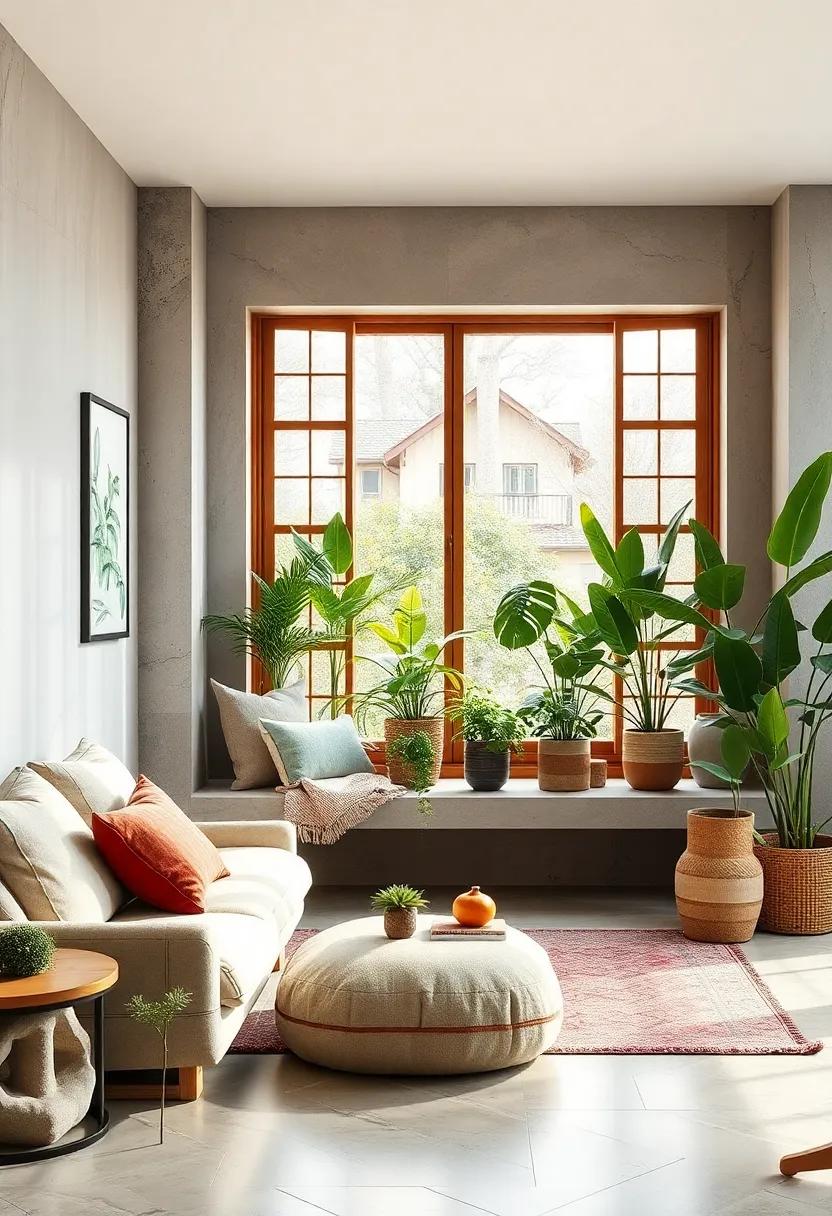
Transform a corner of your living room into a serene escape by incorporating a window seat, enveloped by an array of houseplants that enhance tranquility and bring life to your space. To create this nook, start with a comfortable cushion crafted from natural fibers like cotton or linen, ensuring a cozy place to lounge with your favorite book. Position the seat beneath a window to harness natural light—ideal for both reading and nurturing your inner peace. Consider framing the window with elegant bamboo blinds that gently filter sunlight, embracing a soft, warm glow that complements the greenery surrounding your seat.
The choice of houseplants also plays a crucial role in establishing a calming retreat. Incorporate small potted ferns, snake plants, and peace lilies for their air-purifying properties, which contribute to a refreshing atmosphere. Arrange them on shelves or hang them in macramé plant hangers to create a lush vertical garden effect. To further enhance the ambiance, add a stone or wooden side table, where you can place a steaming cup of tea or a thoughtful journal. With only a few carefully chosen elements, your reading nook can evolve into a blissful sanctuary—inviting you to escape the hustle and bustle of daily life with just a turn of a page.
Incorporate a zaisu (Japanese floor chair) for an authentic seating experience while enjoying tea or relaxation
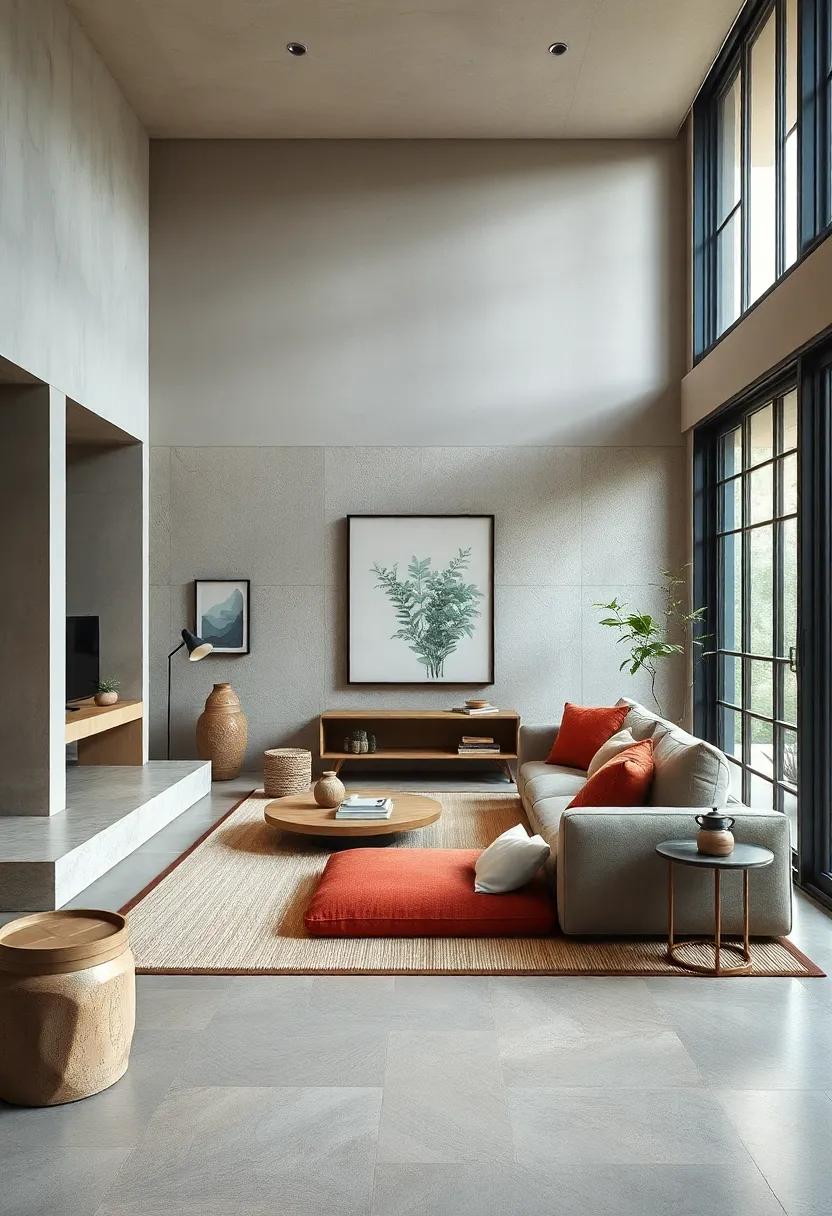
Transform your living space into a serene retreat by embracing the unique comfort of a zaisu,the traditional Japanese floor chair. These low-profile chairs are designed to seamlessly complement any tea ceremony or moment of relaxation, providing a cozy seating option that invites you to unwind. With their elegant designs often featuring natural materials like wood and fabric, zaisu are not only functional but also add an aesthetic appeal that enriches your living room atmosphere. The absence of legs encourages a connection with the floor, allowing your space to embrace a minimalist and grounded vibe.
To fully appreciate the zaisu, consider incorporating it into various sections of your living room. Here are some ideas:
- Near a Low Table: Position your zaisu around a traditional chabudai (low table) to create an authentic tea-drinking experience.
- In a Reading Nook: Pair it with a small bookshelf and some plush cushions for an inviting place to delve into literature.
- As Part of a Zen Corner: Use the zaisu alongside indoor plants and decorative stones to cultivate a space that encourages meditation and mindfulness.
When selecting a zaisu, pay attention to the materials and designs, which can enhance the warm, natural feel of your space. Here is a helpful comparison table for material choices:
| Material | Comfort Level | durability |
|---|---|---|
| Wood (e.g., Tatami, Bamboo) | High | Moderate |
| Fabric (e.g., Cotton, Linen) | Medium | Low |
| Rattan | High | High |
in essence, the zaisu not only represents a practical solution for floor seating but also connects you to the traditions of Japanese culture, enriching your living space in both style and comfort.
Display handwoven baskets to organize items while adding an artisanal flair
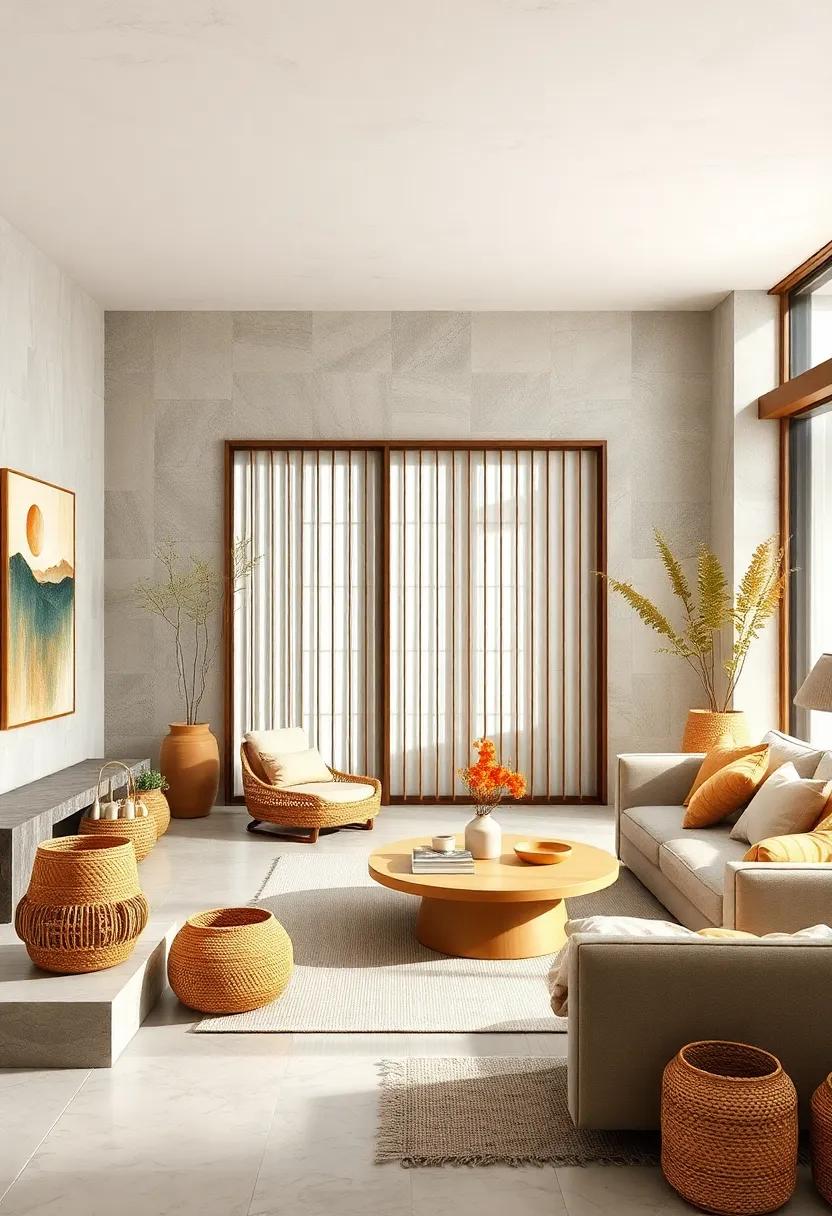
Bring a touch of handcrafted beauty into your living space by incorporating handwoven baskets. These artisanal pieces not only serve a functional purpose but also act as striking decor elements.Strategically placing baskets around your living room can create an inviting atmosphere while ensuring everything has its place. use them to organize items such as:
- Magazines and books: Neatly stow away reading materials, easily accessible yet out of sight.
- Throws and blankets: Keep cozy throws organized in a stylish manner,perfect for chilly evenings.
- Remote controls: Eliminate clutter by storing remotes in a designated basket.
- Indoor plants: elevate your greenery by placing pot plants directly into decorative baskets.
To showcase these unique pieces, try creating a designated nook or shelf that highlights their craftsmanship. A visually appealing arrangement can further enhance their charm, allowing you to mix different sizes and textures for added depth.Consider arranging your baskets based on their color palette and material contrasts to create a cohesive yet dynamic look. Here’s a simple layout idea to inspire your basket arrangement:
| Basket Size | Suggested Use | Placement Idea |
|---|---|---|
| Large | Blanket Storage | Next to the sofa |
| Medium | Book Organizer | Adjacent to a chair |
| Small | Remote and Accessory Holder | Coffee table centerpiece |
Use traditional kintsugi pottery to embrace the beauty of imperfection in your decor
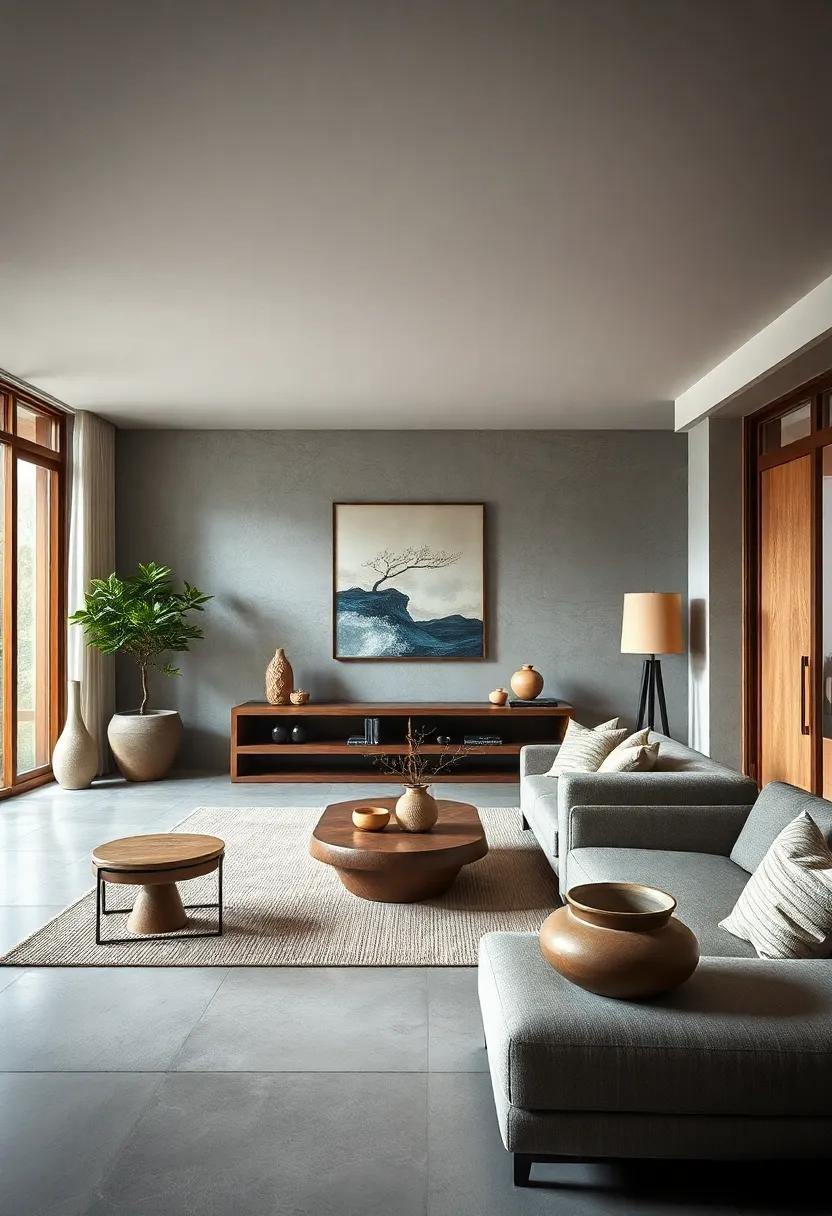
Incorporating traditional kintsugi pottery into your living room decor is a beautiful way to celebrate the art of imperfection. This Japanese technique involves repairing broken pottery with lacquer dusted or mixed with powdered gold, silver, or platinum, effectively transforming flaws into stunning focal points. By displaying these unique pieces, you invite not only a rich piece of history into your home but also a philosophy that embraces life’s imperfections, making every chipped edge and crack a reminder of resilience and beauty. Consider using kintsugi pieces as centerpieces on your coffee table or as accents on floating shelves to spark conversation and intrigue.
Moreover, the warm, earthy tones and brilliant metallic accents of kintsugi pottery can harmonize beautifully with other natural materials prevalent in Japanese design. To enhance the aesthetic appeal and emotional significance in your space, try pairing kintsugi pottery with:
- Woven textiles like tatami mats or organic cotton cushions
- Wood accents such as bamboo furniture or reclaimed wood shelves
- Natural elements including stone planters or bonsai trees
By integrating these elements, you cultivate a serene environment that reflects a mindful approach to decor, echoing Japan’s deep respect for nature and the art of living.Each kintsugi piece becomes not just an object,but a narrative of life,adding depth and culture to your living room.
Introduce an accent wall with natural textures, such as reclaimed wood or fabric panels
An accent wall can serve as a stunning focal point in any living room, especially when enriched with the warmth of natural textures. Consider using reclaimed wood—imagine the rich patina and unique knots that tell a story of the past. This option not only brings an earthy elegance to your space but also promotes sustainability. Pair planks of varying widths for added visual interest or opt for a herringbone pattern to give a contemporary twist. Alternatively, fabric panels can introduce a touch of softness; choose textiles like Japanese tatami mats or linen dyed with natural pigments, which can evoke a traditional aesthetic while adding comfort.
To maximize the impact of your accent wall, think about the interplay of colors and textures. Rich browns and deep greens can transport you to a tranquil forest, while lighter tones can open up a space, reflecting natural light beautifully. Consider combining both wood and fabric elements; for instance, a reclaimed wood backdrop with soft, plush fabric up top can create a visual balance. Additionally, incorporating hanging plants or wall-mounted art crafted from natural materials can enhance the organic feel of your living room even further.
Style your coffee table with seasonal displays of natural elements like pinecones, stones, or leaves
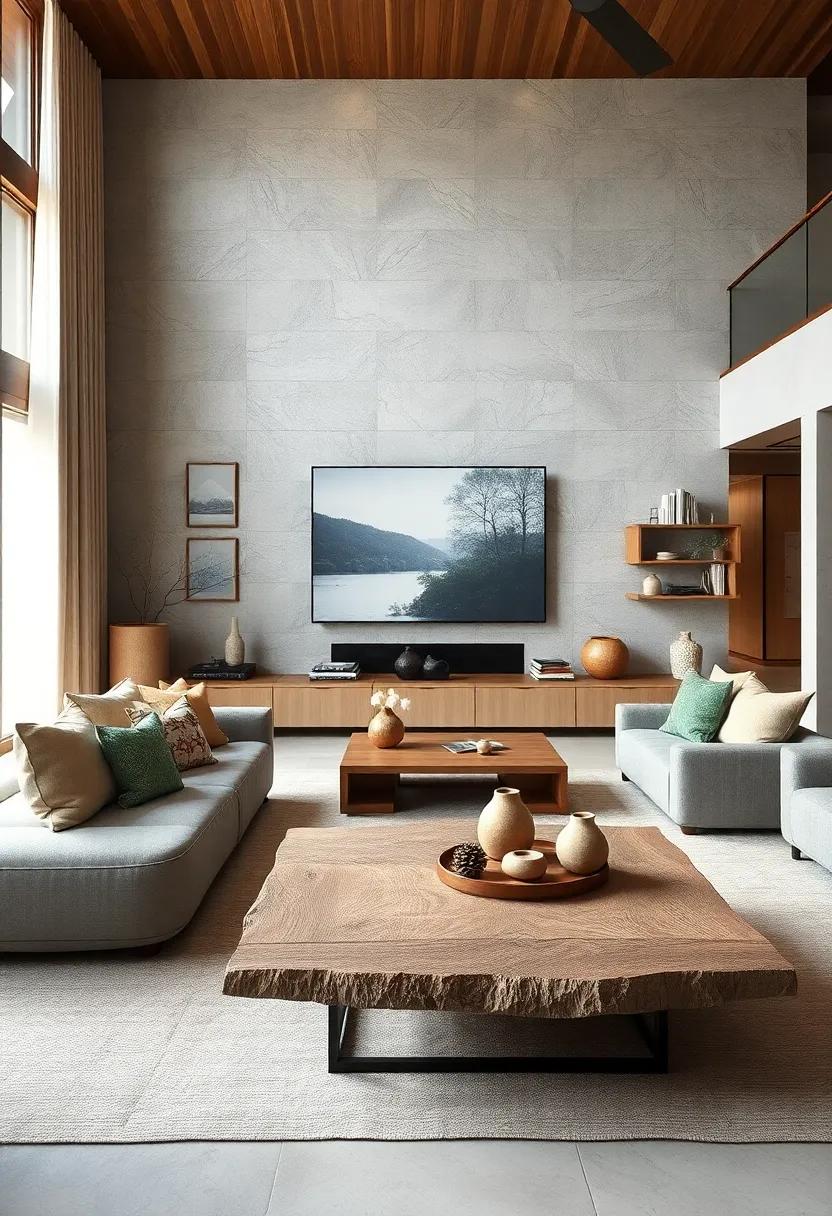
transform your coffee table into a stunning centerpiece with seasonal displays that capture the essence of nature. Incorporate elements like pinecones, smooth river stones, and vivid autumn leaves to create an inviting atmosphere that changes with the seasons. For a winter display, gather a variety of pinecones and cluster them in a rustic wooden bowl, adding in a few sprigs of evergreen to evoke a cozy, cabin feel. In spring, consider a glass terrarium filled with polished stones and fresh moss, embodying the renewal of life as nature awakens. You can also intertwine dried leaves or wildflowers into your decor, layering textures and colors for visual interest.
During the summer months, fill a shallow tray with shells and starfish alongside a few vibrant green leaves to evoke a beachy vibe. Adding small wooden sculptures or handmade pottery can enrich the natural aesthetic while serving as conversation starters. In the fall, collect colorful leaves and arrange them around a candle or mini lantern to create a warm ambiance. When styling your coffee table in this way, always remember to keep your displays balanced; use varying heights and natural textures to create a harmonious composition that highlights the beauty of these organic materials.
Create an indoor zen garden with sand, carefully placed stones, and miniature plants for a meditative space
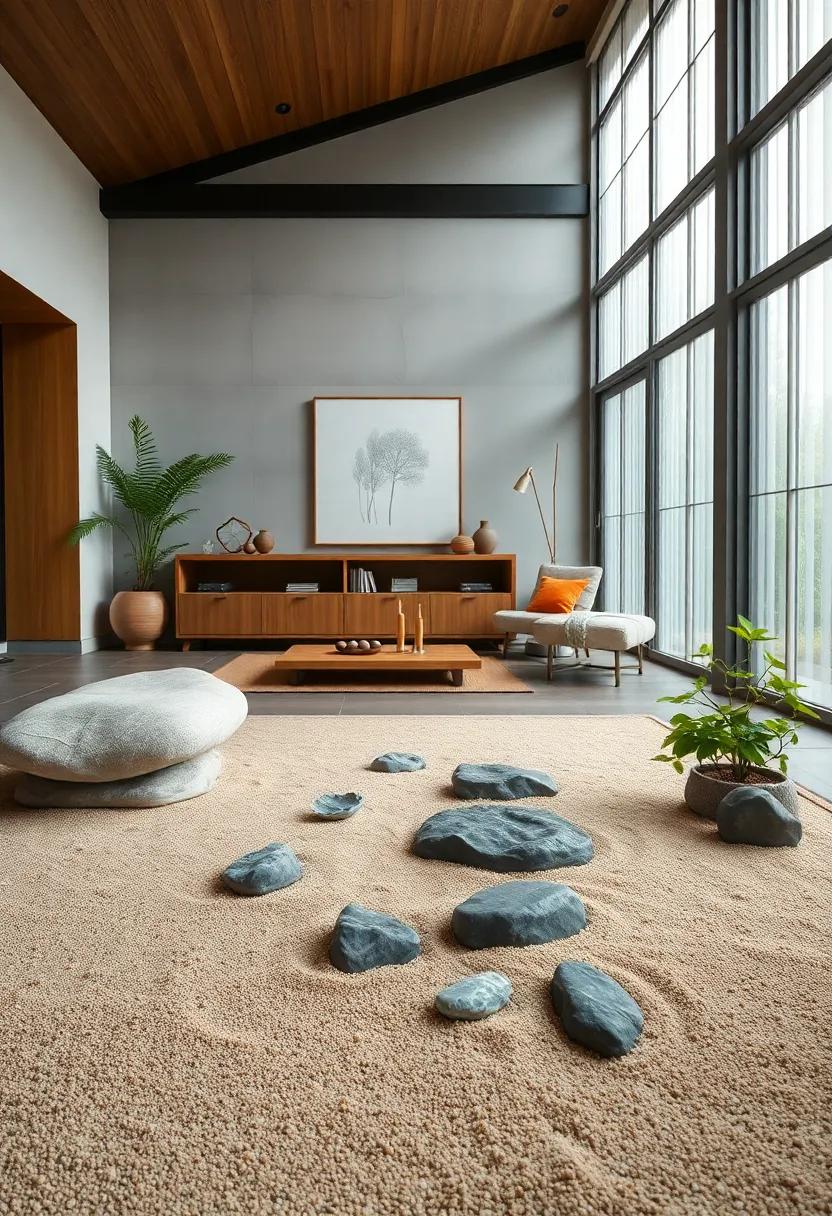
Transform a corner of your living room into a serene oasis by creating an indoor zen garden. Start with a shallow wooden tray or a flat stone base to hold your materials, which will act as the canvas for your tranquility. Layer it with fine, white sand to evoke the essence of a traditional Japanese garden. Use a small rake or your fingers to create beautiful patterns,representing ripples in water or windswept earth.This meticulous practice can serve as a meditation exercise that calms the mind while enhancing mindfulness.
Next, accessorize your garden with carefully selected stones and miniature plants.Incorporate smooth pebbles of various sizes to symbolize mountains or islands, each positioned to create a sense of balance. Add a few small succulents or air plants to introduce life and greenery, breaking the monochrome of sand and stones. Consider including decorative elements like a tiny bamboo fountain or a miniature bridge to deepen the aesthetic. This arrangement not only beautifies your space but also invites peaceful observations and moments of reflection throughout your day.
Key Takeaways
As we wrap up our journey through these 29 inspiring ways to infuse your living room with authentic Japanese natural materials, we hope you feel empowered to create a space that reflects the serene beauty and tranquility found in traditional Japanese design. From the warm embrace of wood to the delicate touch of textiles, each element offers a unique chance to blend nature and craftsmanship, inviting harmony into your home.
Remember, embracing these natural materials is not just about aesthetics; it’s about cultivating an atmosphere where mindfulness and connection flourish. Whether you opt for a minimalist approach or a more eclectic fusion, let your creativity guide you as you transform your living space into a sanctuary of peace and comfort.
So, gather your materials, take your time, and let the timeless essence of Japanese design inspire you. Your living room is more than just a room — it’s a canvas for your creativity, a reflection of your values, and a haven for relaxation. here’s to beautiful spaces that breathe life and nature into our everyday moments!