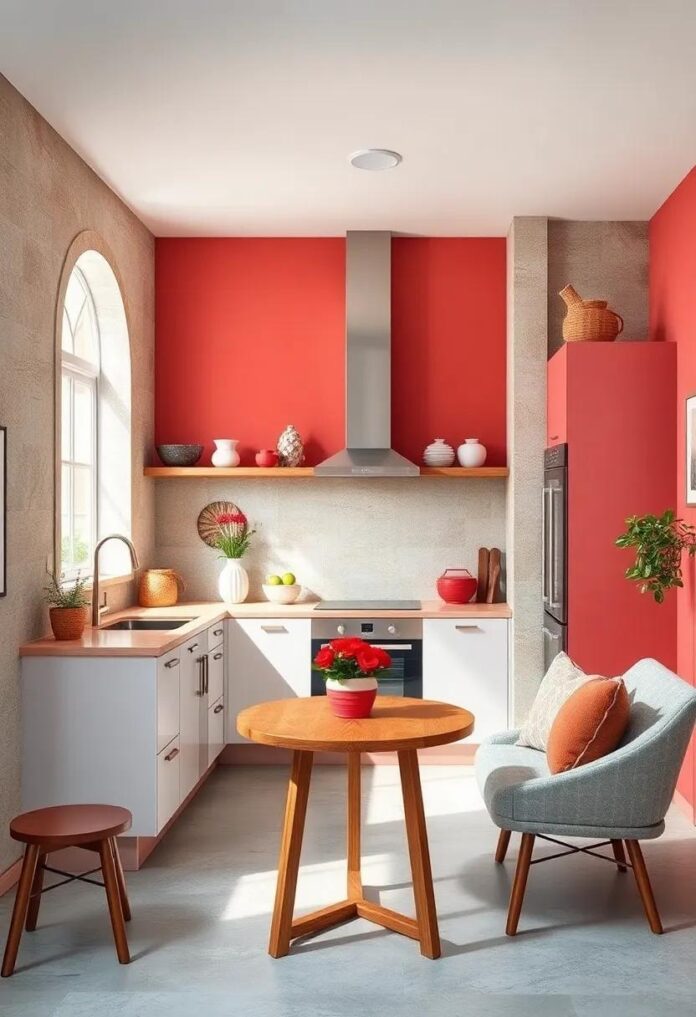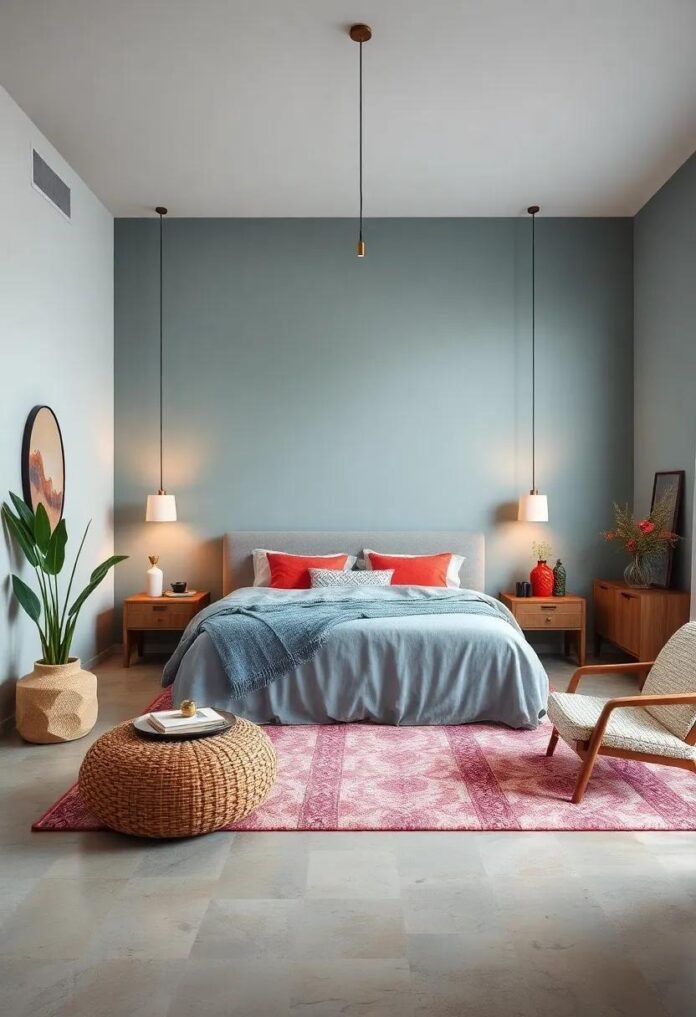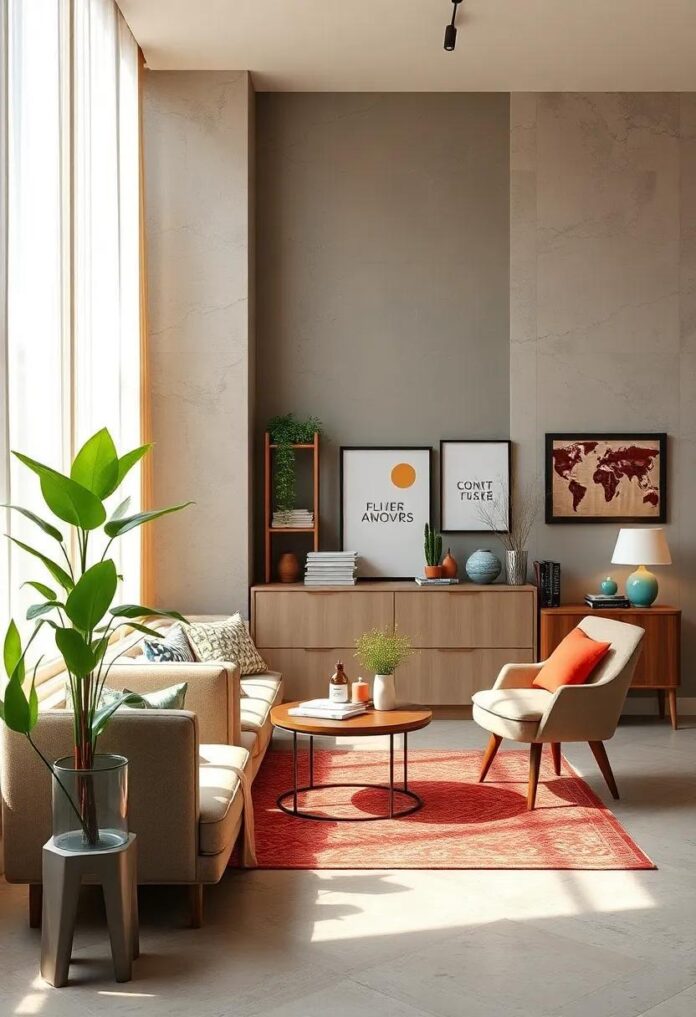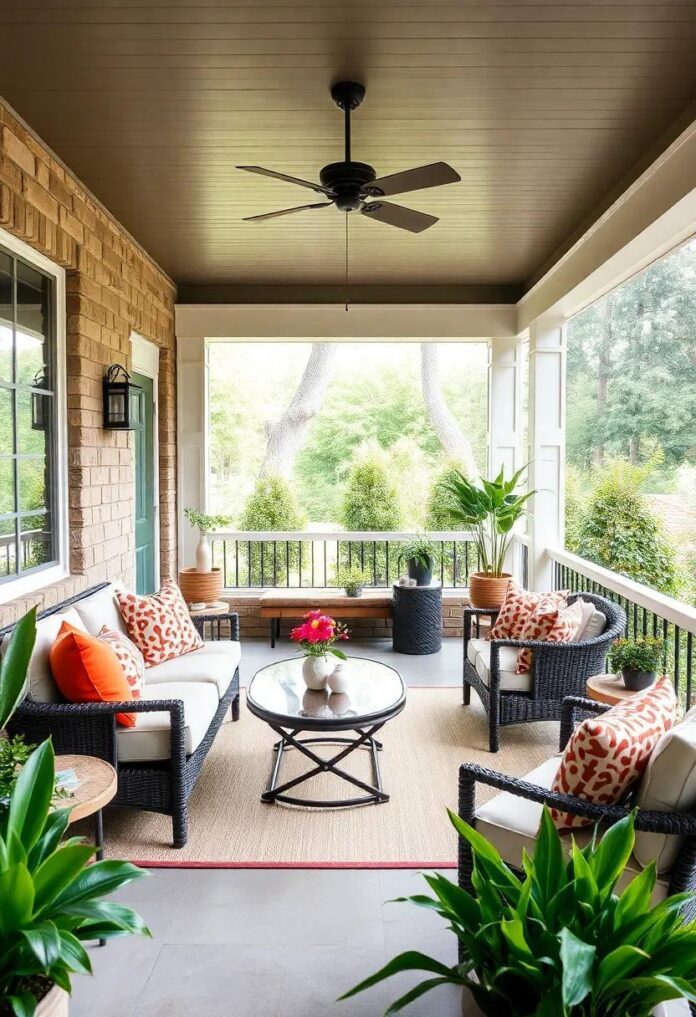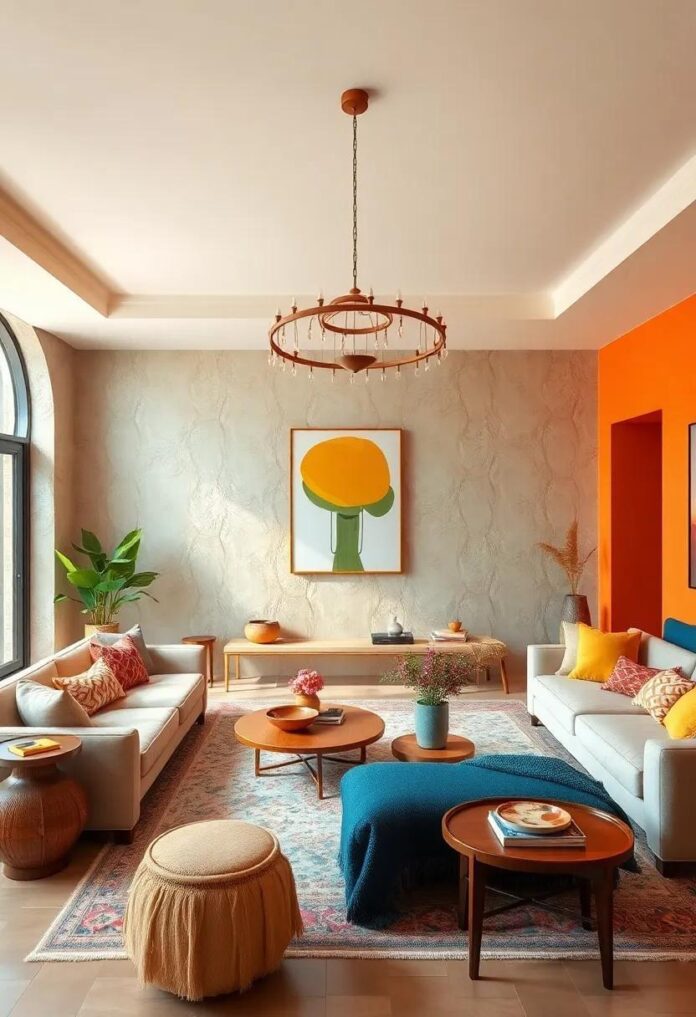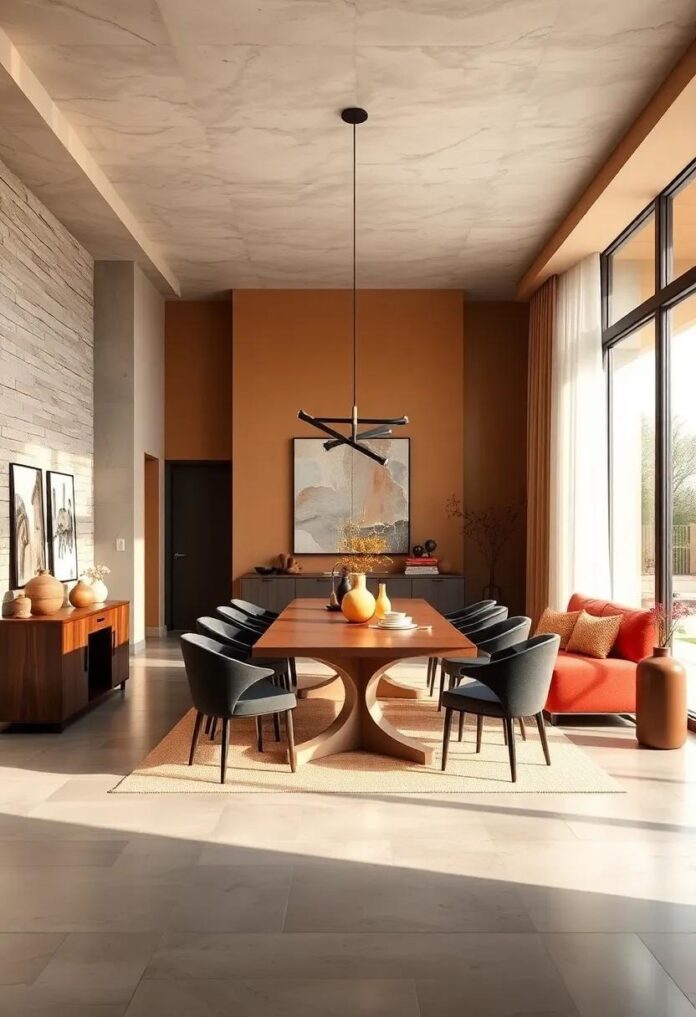

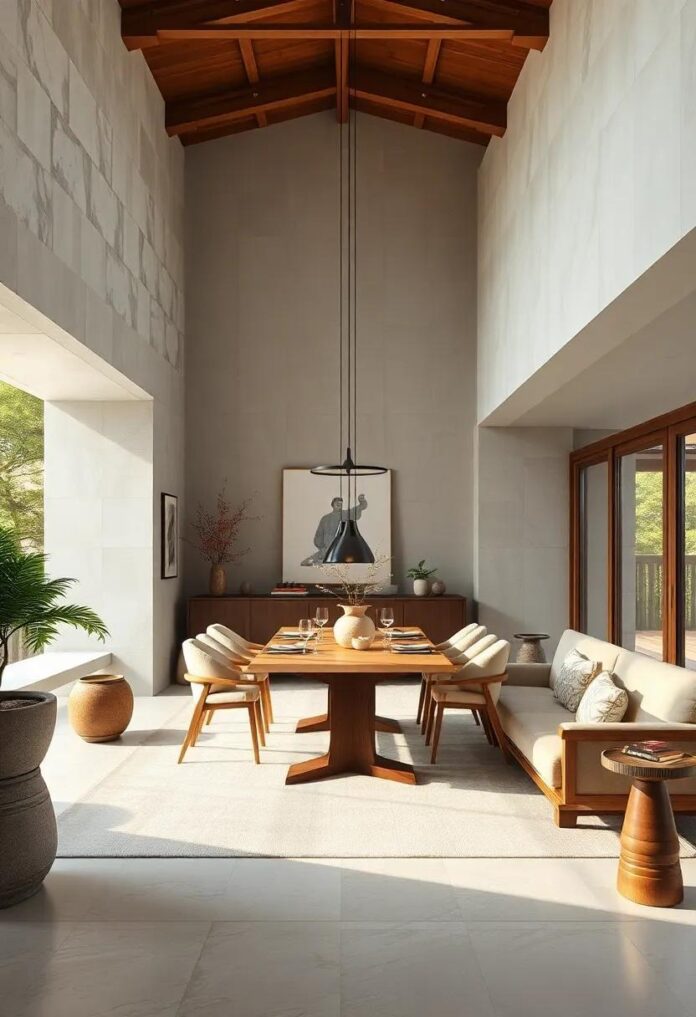
In our fast-paced world, the quest for serenity and mindfulness ofen leads us to seek solace in the spaces we inhabit.The dining room, a central hub for connection and nourishment, can be transformed into a tranquil haven with the right design approach. In this listicle, we invite you to explore 29 carefully curated Japanese Zen-inspired dining room designs that embrace simplicity, natural elements, and a sense of calm. Each design highlights key features such as minimalism, organic materials, and thoughtful spatial arrangements, offering not onyl aesthetic inspiration but also practical insights for fostering mindful living. Whether your looking to refresh your current space or take a deep dive into the principles of zen,these designs will guide you toward creating a dining environment that nourishes both body and soul. Prepare to be inspired and find your perfect balance!
Embrace Minimalism: Explore a dining room defined by sleek furniture and open spaces, where less truly is more, allowing your mind to breathe and relax
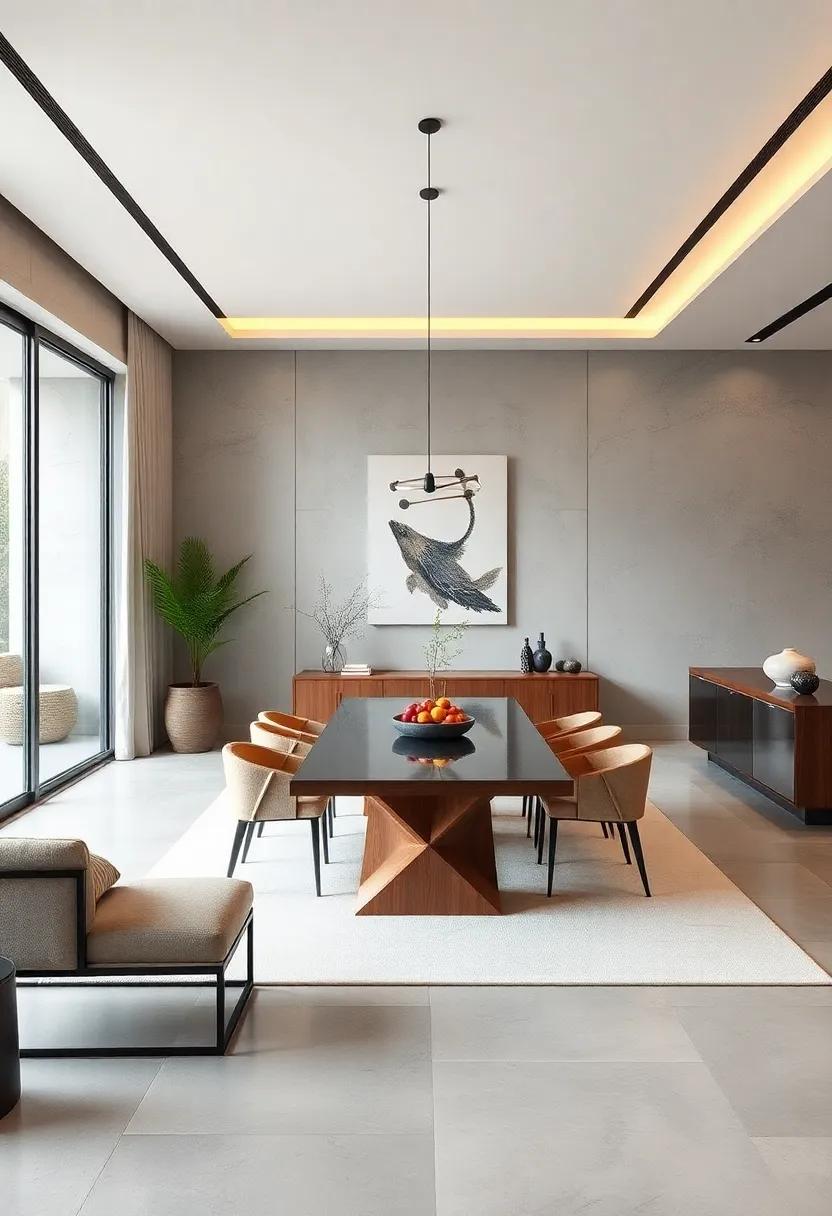
In a dining room where simplicity reigns, every piece of furniture serves a purpose, and every element contributes to a serene atmosphere. Imagine low-profile dining tables crafted from natural wood, elegantly paired with minimalist seating that invites casual conversations without the clutter of excess.Use soft, muted color palettes that evoke the tranquil feel of a Japanese garden, emphasized by natural textiles and organic materials.Such choices not only enhance the aesthetic but also encourage relaxation, leading to a mindful dining experience that prioritizes connection and presence over distraction.
Open spaces become canvases for tranquility, allowing for seamless movement and flow. Consider the placement of a few well-chosen accessories that evoke harmony, like ceramic tableware or a single, thoughtfully arranged floral centerpiece, keeping patterns and colors understated yet visually impactful.The absence of visual noise promotes clarity and peace of mind, letting your dining area breathe. With an emphasis on quality over quantity, this design philosophy celebrates the idea that true beauty lies in the subtle interplay between space and simplicity.
Natural Materials: Discover the beauty of wood and stone elements that create a harmonious balance with nature, inviting serenity into your dining experience
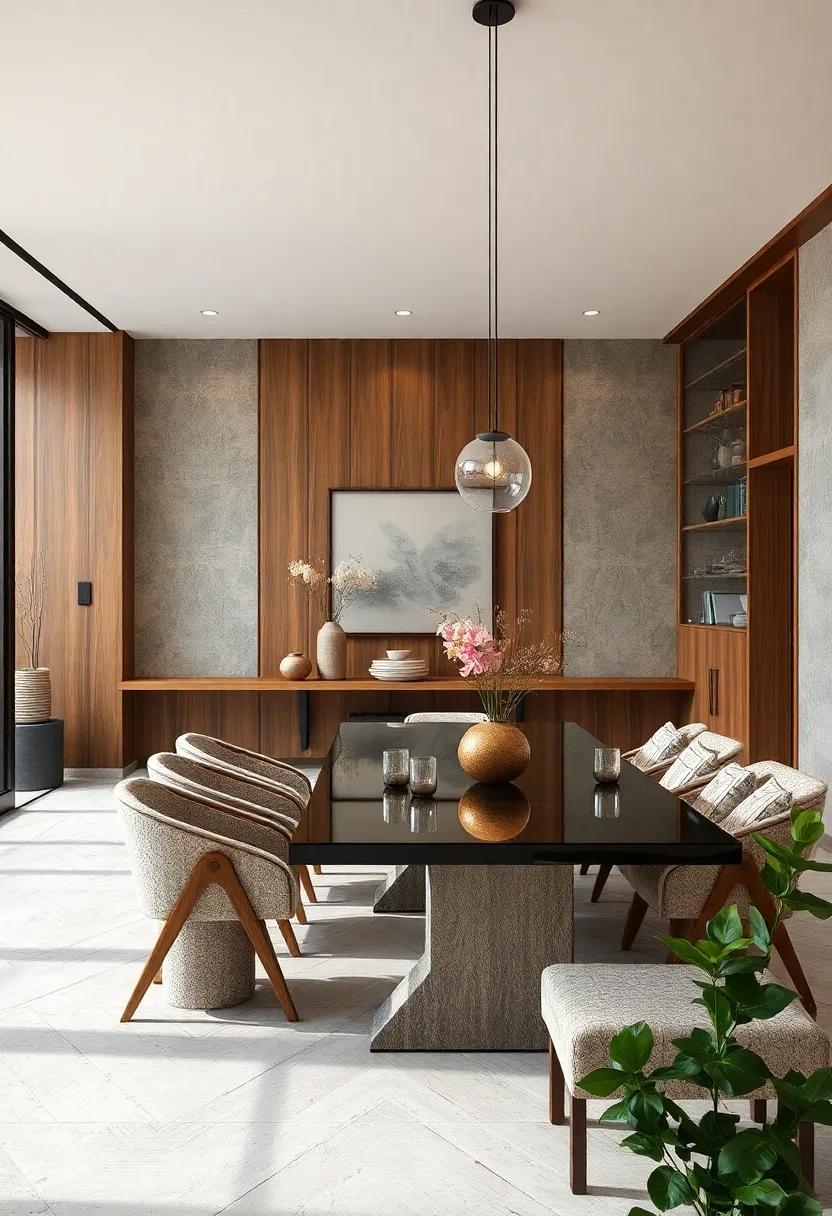
The use of natural materials like wood and stone in dining rooms echoes the tranquil aesthetics of conventional Japanese design. rich, warm wood tones can create a sense of grounding and calm, inviting a sense of serenity into the space. Opting for a live-edge dining table made from reclaimed wood can add unique character and a story to your dining area,making every meal a memorable experience. Pairing this with smooth stone elements, such as a granite centre table or slate flooring, provides a stunning contrast that highlights the natural beauty of each material while fostering an organic flow within the room.
Incorporating these tactile elements not only enhances the visual appeal but also promotes mindfulness during meals. Consider adding small decorative features like a bamboo vase or handmade ceramic dishes, which subtly connect the dining experience to nature.Lighting plays a crucial role as well; using lanterns or fixtures made from woven wood can cast warm shadows that shift with the time of day, mimicking the gentle transition of nature outside. This harmonious fusion of wood and stone envelops the dining area in tranquility,inviting guests to slow down and engage in reflective eating practices.
Tatami Mats: Experience traditional Japanese tatami flooring, which adds warmth and texture while encouraging a cozy, grounded dining atmosphere
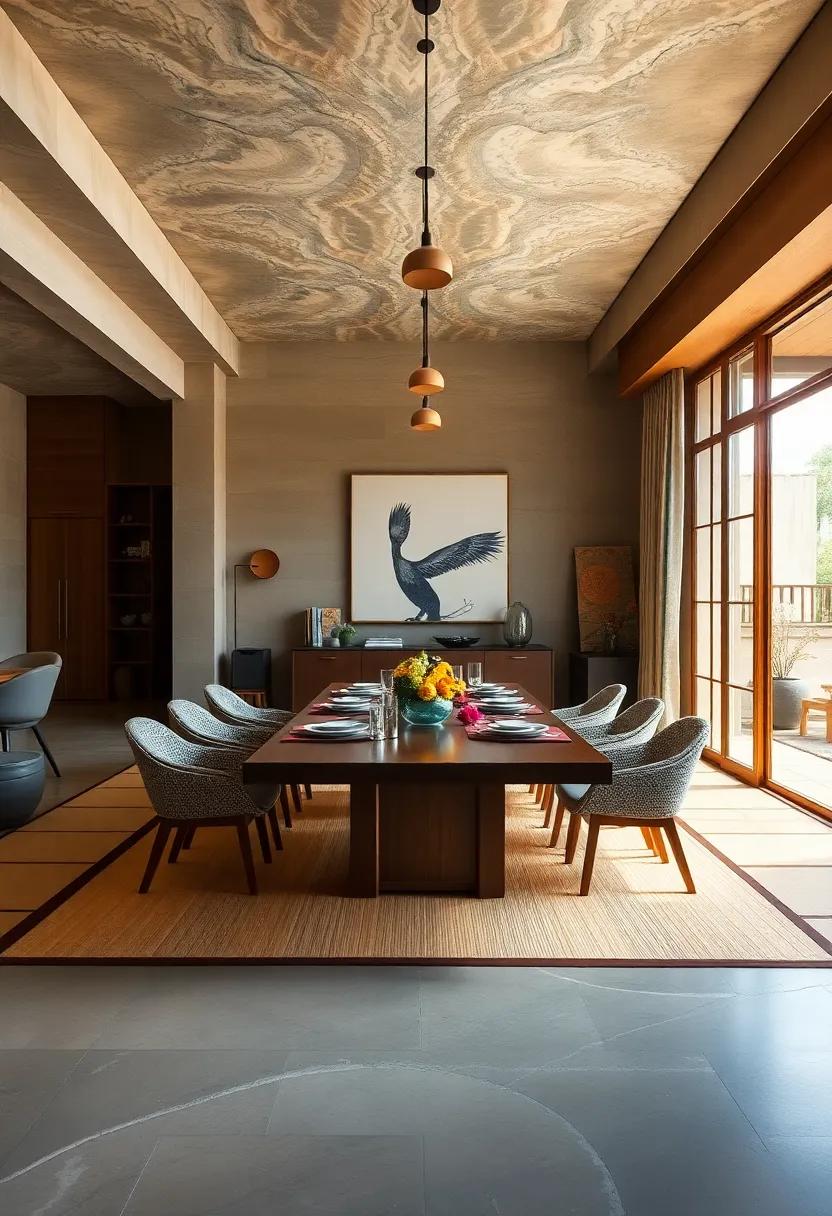
Incorporating traditional Japanese tatami mats into your dining room design instantly elevates the space, ensuring a warm and inviting atmosphere. These natural straw flooring options not only provide a unique texture but also help to promote mindfulness during meals. The subtle yet distinct aroma of tatami can enhance your dining experience, creating a serene backdrop that encourages conversation and connection. Imagine gathering around a low, wooden dining table, surrounded by the gentle cushioning of matting beneath you, fostering a sense of unity and tranquility.
To fully embrace the aesthetic of tatami flooring,consider the following elements that complement its natural beauty:
- Low Seating: Opt for low tables paired with cushions or floor pillows,allowing diners to sit comfortably at a height that harmonizes with the tatami.
- Natural Lighting: Maximize daylight through large windows or sliding doors, which softens the area and highlights the earthy tones of the tatami.
- Minimalist Décor: Keep the furnishings simple and uncluttered to maintain an open and peaceful ambiance, emphasizing the elegance of the mats.
- Indoor Plants: Bring in greenery to enhance the connection to nature, as plants can add life and color, complementing the subtle hues of your tatami.
this combination creates a cozy dining environment that encourages mindful living, where each meal feels like a meditative experience.
Soft Lighting: Incorporate gentle, diffused lighting that soothes the senses and sets a tranquil mood for mindful gatherings
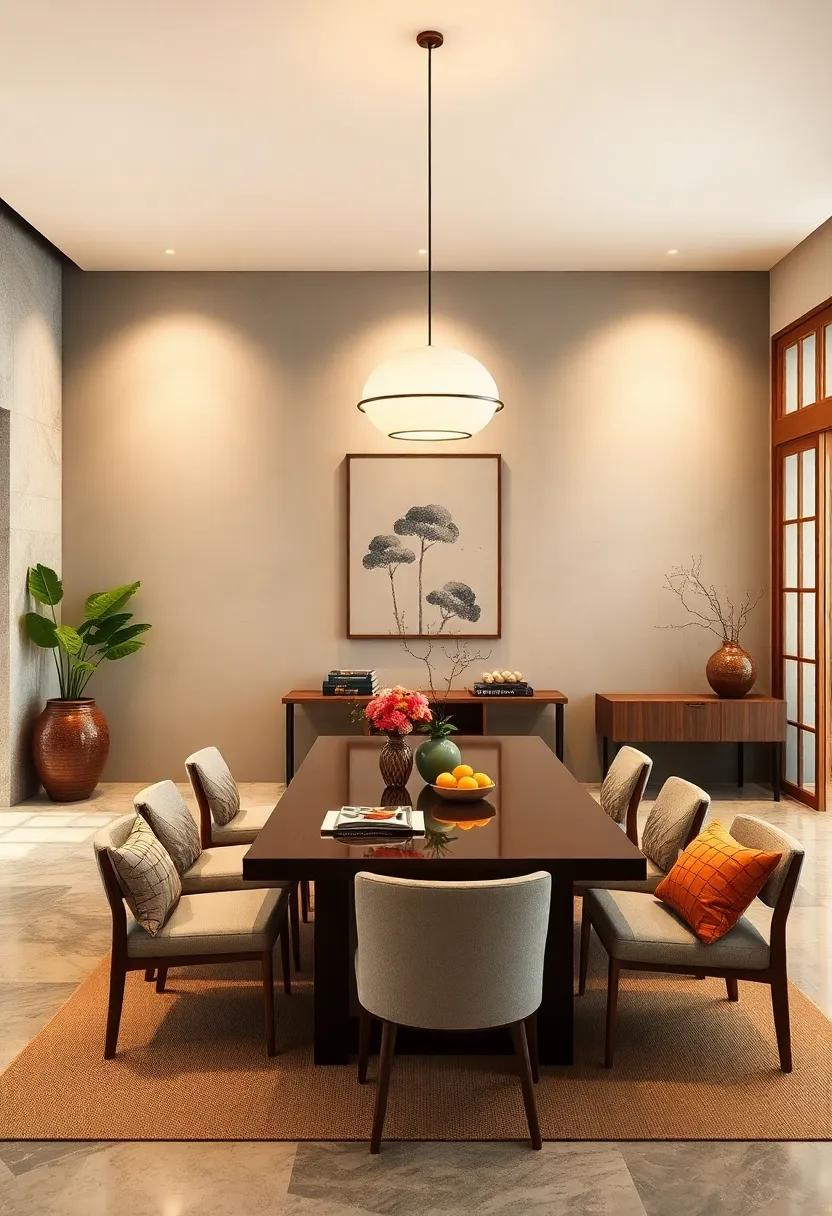
Creating a serene atmosphere in your dining room is essential for fostering mindfulness and connection. Soft lighting plays a crucial role in achieving this tranquil environment.Consider using elements such as:
- Paper Lanterns: Traditional Japanese lanterns filter light beautifully, creating a warm and inviting glow.
- Dimmer switches: Adjustable lighting allows you to customize brightness according to the time of day or mood.
- LED Candles: These offer a flickering light reminiscent of real candles without the worry of wax or flames.
- Natural Light: Maximize daylight with sheer curtains that diffuse sun rays,providing a calming backdrop.
In addition, the placement of light fixtures can enhance your dining experience. illuminate focal points like the dining table with a soft, suspended fixture, while wall sconces can provide ambient light without overpowering the space. Incorporate a mix of the following to elevate your dining area:
| Lighting Type | effect |
|---|---|
| Downlights | Create a cozy atmosphere by directing light downward |
| Floor Lamps | Add height and elegance while providing soft illumination |
| String Lights | add a whimsical touch that fosters a relaxed vibe |
Zen Gardens: Integrate a small indoor Zen garden as a centerpiece to inspire calm and reflection while enjoying your meals
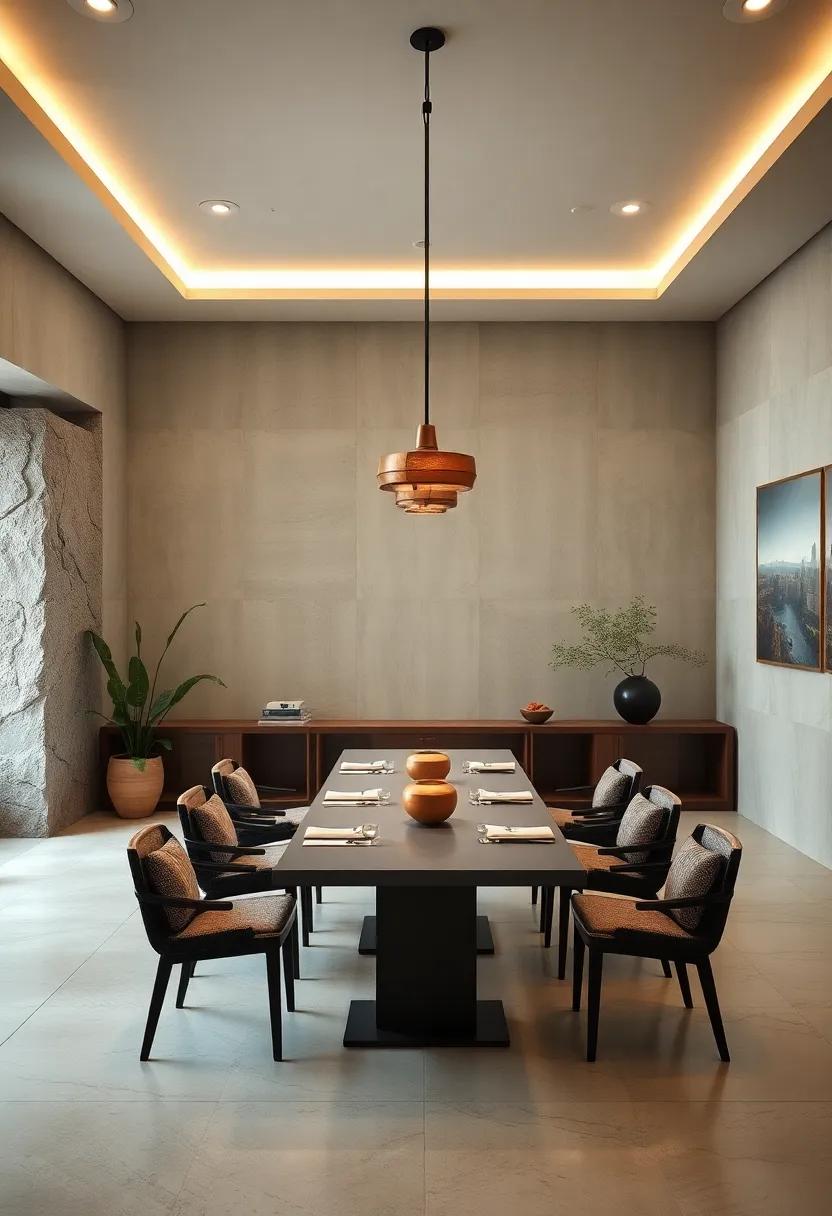
A small indoor Zen garden serves as a perfect centerpiece that invites tranquility into your dining space. By integrating natural elements like sand, stones, and miniature plants, you can create a serene atmosphere that encourages mindfulness and reflection. Consider using a shallow wooden tray to hold the sandy landscape, allowing for a tactile and visual experience every time you sit down for a meal. The act of raking the sand into calming patterns can become a meditative ritual, promoting relaxation before and after dining.
To enhance the connection between your Zen garden and your dining experience, think about positioning it in a way that captures natural light.This can amplify the reflections and shadows cast by the stones and plants,enhancing the sensory aspect of your meals. Incorporate additional elements like a small water feature or a candle holder to further enrich the peaceful essence. the gentle sounds of trickling water or the soft glow of candlelight creates an ambiance that soothes the mind and nurtures meaningful conversations around the table.
Neutral Color Palette: Use soothing earth tones, soft whites, and muted greens to create a serene backdrop that promotes peace and mindfulness
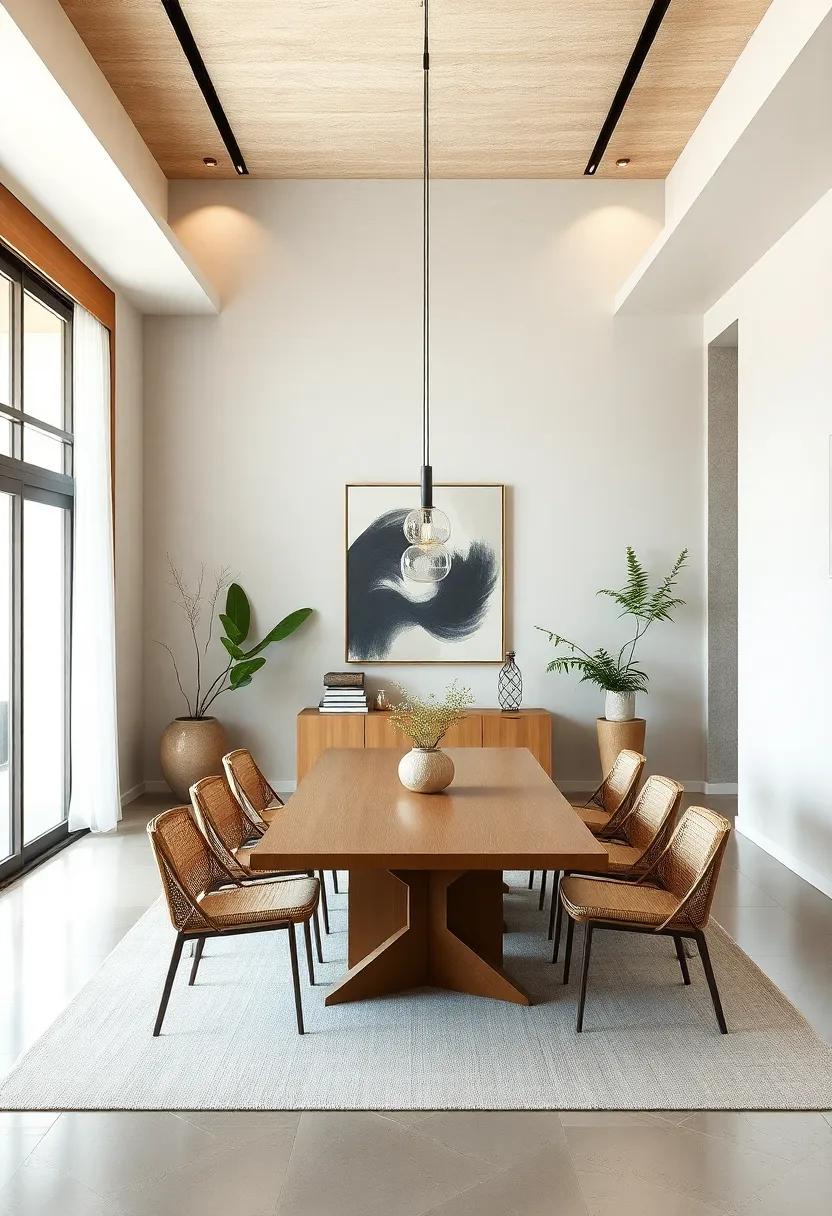
A neutral color palette invites a sense of tranquility into the dining room, providing the perfect canvas for mindful living.earthy tones such as warm beiges and soft browns evoke a connection to nature, grounding the space with a cozy ambiance. Pairing these with muted greens adds a refreshingly organic touch, reminiscent of lush landscapes and serene gardens.Soft whites can serve as a shining counterbalance, enhancing light and creating an open feel that encourages relaxation. When combined thoughtfully, these hues promote a peaceful atmosphere that inspires mindfulness during meals.
To fully embrace this serene aesthetic, consider incorporating materials and textures that complement the neutral palette. Elements such as natural wood, stone, and linen not only enhance the visual appeal but also deepen the connection to the earth. Whether you choose simple tableware in undisturbed shades or organic embellishments like bamboo centerpieces, each detail can contribute to a cohesive, harmonious environment. For maximum effect,arrange your decor in layers,allowing for a dynamic yet calming arrangement that encourages mindfulness and appreciation of the present moment.
Low dining Tables: Consider a low table setup that encourages casual dining and fosters a sense of intimacy among family and friends
Embracing a low dining table setup not only shifts the focus to a more relaxed dining experience but also enhances the intimacy shared among guests. By choosing a table that sits close to the ground, you invite a sense of calm and togetherness, reminiscent of traditional Japanese tea ceremonies. Consider incorporating elements such as tatami mats or floor cushions to further enhance comfort, ensuring that every meal becomes a cozy gathering. These design choices encourage conversation and connection, perfect for family dinners or pleasant get-togethers.
To create a harmonious atmosphere, think about the materials and colors used in your low dining table setup. Opt for natural finishes like light woods or bamboo, which echo the serene simplicity of Zen aesthetics. Complement the design with a carefully selected centerpiece,such as a stone bowl of fresh fruit or a simple arrangement of seasonal flowers. Together, these elements can transform your dining area into a tranquil escape, where nourishment is not just of the body, but also of the spirit.
Shoji Screens: Utilize traditional shoji screens to beautifully partition your space while allowing natural light to filter through, enhancing the tranquil vibe
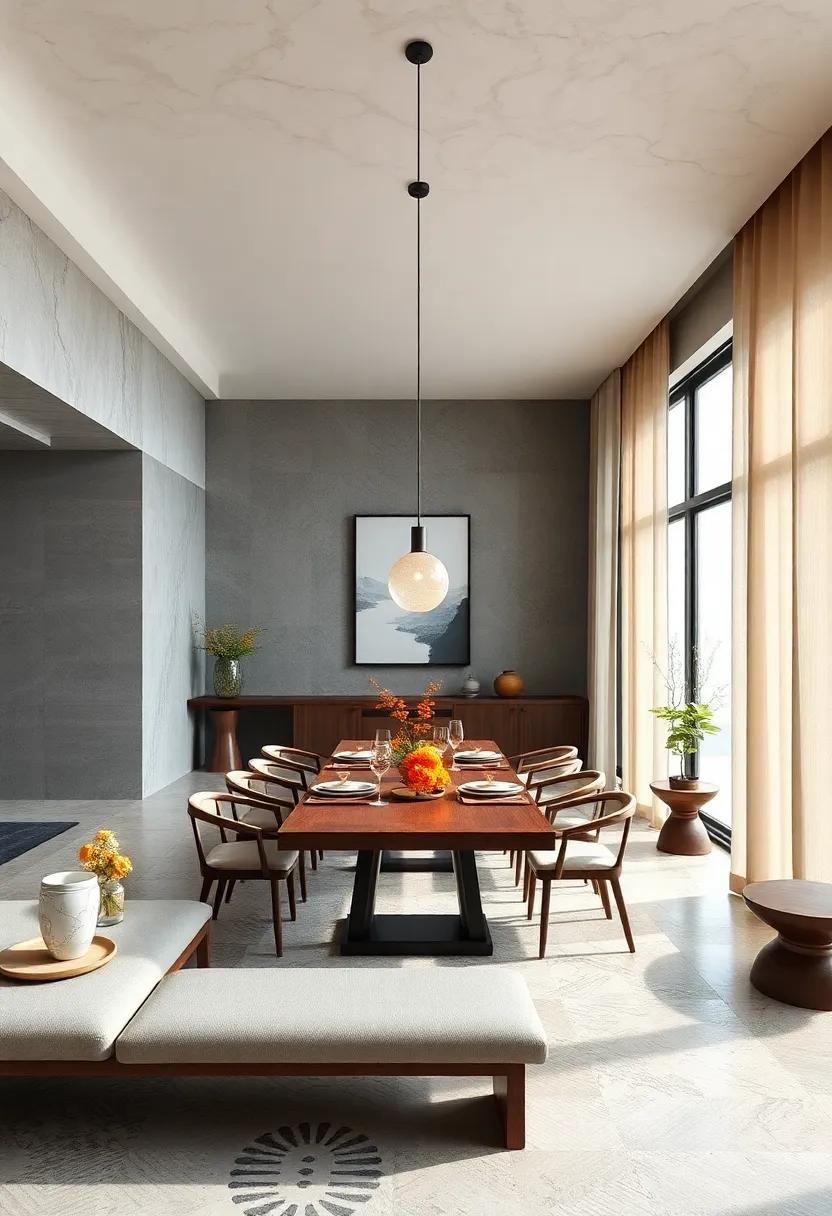
If you’re seeking a harmonious balance between privacy and openness in your dining space, shoji screens are a stunning solution. Crafted from lightweight wood and translucent paper, these traditional Japanese partitions serve as elegant barriers that define areas without completely enclosing them.The unique design allows soft, diffused light to permeate, creating an ethereal ambiance that enhances the serenity of your dining experience. Whether you opt for a classic sliding door design or a fixed partition, the incorporation of shoji screens can transform your dining area into a tranquil haven that encourages mindfulness.
To maximize the benefits of shoji screens in your dining room,consider the following tips for effective integration:
- Layered Textures: Pair shoji screens with natural materials,such as bamboo or wood,to enhance the organic feel of your space.
- Functional aesthetics: Use screens to divide dining spaces from kitchen areas or lounge zones while keeping sight lines open.
- Artistic touch: Select shoji screens with intricate patterns or motifs to add a unique artistic element to your decor.
- Seasonal Adaptation: Consider changing the paper or even folding screens to match seasonal themes, bringing freshness to your dining experience.
Nature-Inspired Decor: Bring the outside in with potted plants or floral arrangements that not only beautify the room but also improve air quality and tranquility
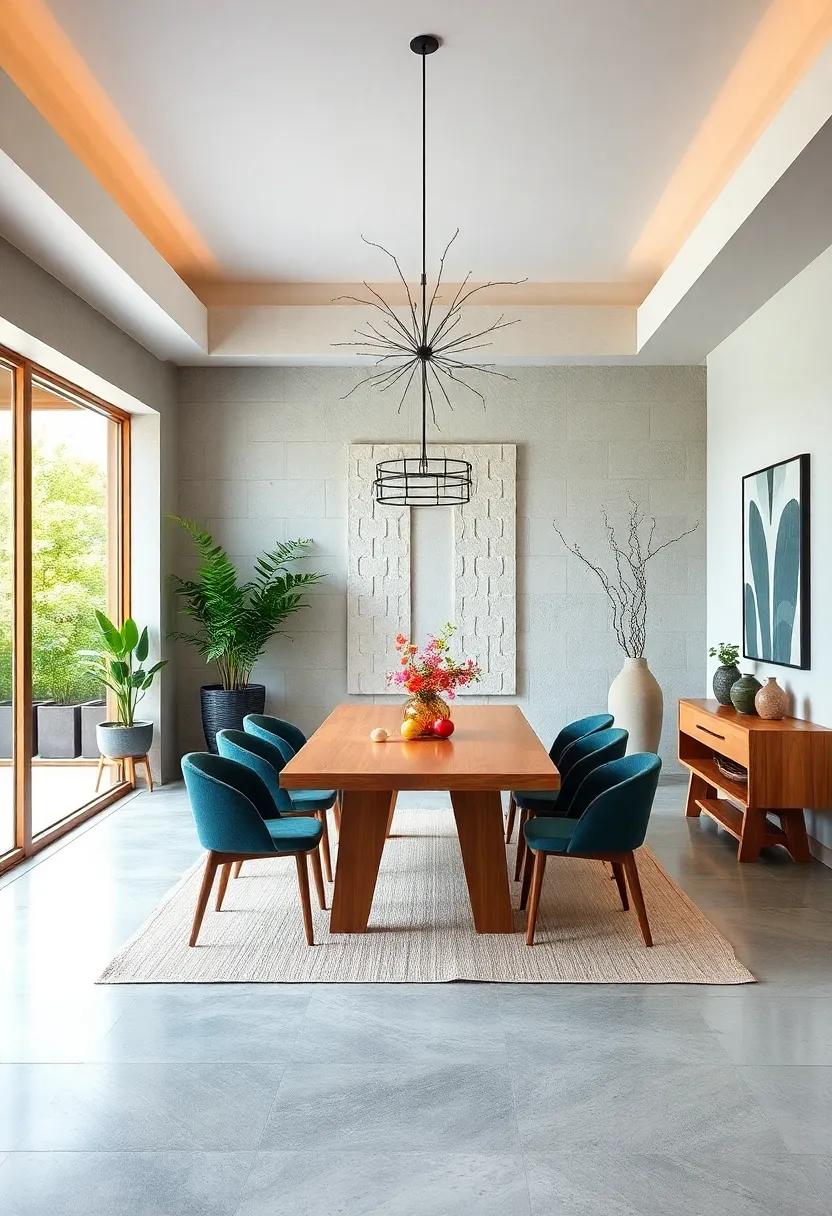
Embracing elements of nature in your dining space creates a tranquil atmosphere that fosters mindfulness and relaxation. Consider incorporating potted plants like bonsais or snake plants, which effortlessly enhance aesthetic appeal while actively purifying the air. Floral arrangements featuring seasonal blooms can add vibrancy and freshness, creating a serene focal point for the room. Choose pots made of natural materials such as ceramic or terracotta to maintain a harmonious connection with the outdoors. Remember, the placement of these green elements matters; a single statement plant can create a zen vibe, while a cluster of smaller pots can fill a corner with life and energy.
To further enhance the calming effects, think about the colors and varieties of your greenery. Soft greens, muted whites, and pastel flowers can evoke serenity, whereas deep hues and textured leaves provide a grounding effect. Pairing these plants with natural lighting, such as large windows or strategically placed mirrors, can amplify the sense of openness and tranquility.For those who want to add structure, a simple tabletop herb garden can offer both visual and practical benefits, bringing delightful scents and flavors to your dining experience.
Water Features: Incorporate a small indoor fountain or aquarium that gently hums with the calming sound of water, promoting relaxation during meals
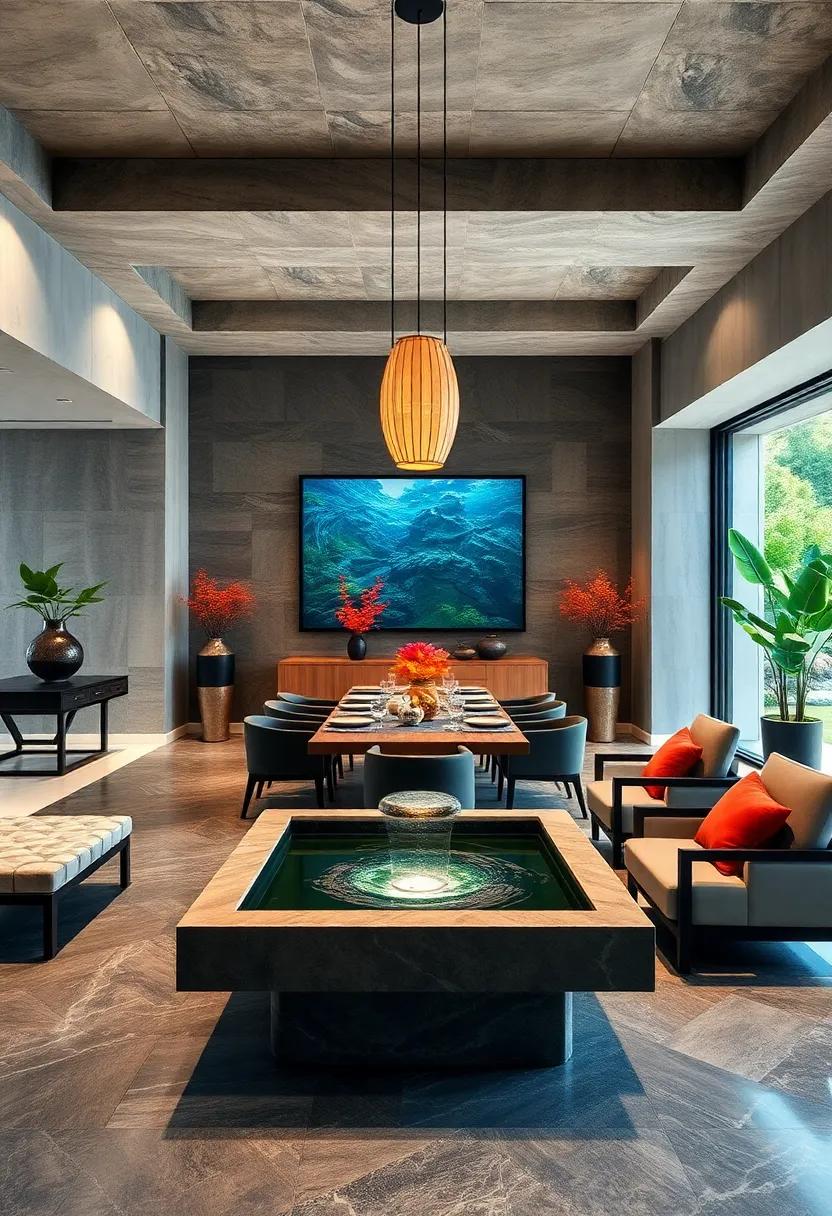
integrating a water feature into your dining space not only enhances the aesthetic appeal but also fosters a serene atmosphere conducive to mindfulness. Consider the enchanting presence of a small indoor fountain or an elegant aquarium, both of which can serve as focal points in your dining room. The soft, trickling sound of water flowing or the gentle bubbling from an aquarium can create a soothing auditory backdrop, allowing you and your guests to fully immerse in the dining experience. Choose natural materials, such as stone or bamboo for the fountain, to maintain the organic essence of Zen design.
Here are some benefits of incorporating a water feature:
- Stress Relief: The sound of water can substantially reduce stress levels, promoting relaxation during meals.
- Aesthetic Enhancement: A well-placed fountain or aquarium adds visual interest and complements the Zen-inspired decor.
- Improved Air Quality: Water features can help humidify the air, fostering a more cozy dining environment.
- Connection with nature: Brings a bit of the outdoor tranquility inside, aligning with the principles of Zen living.
Simple Table Settings: Opt for uncomplicated tableware to maintain a clutter-free aesthetic, allowing each meal to become a moment of mindfulness
The essence of a serene dining experience lies in the simplicity of your table settings. To embody a zen-inspired atmosphere, consider using minimalistic plate designs, such as plain white ceramic or slightly textured stoneware that complements the natural beauty of the meal. Opt for unembellished cutlery and translucent glassware allowing the food to take center stage. Incorporating a few elements of nature, such as small stones, seashells, or simple wood accents, can enhance the untouched feel, inviting a sense of calm and focus with each meal.
When arranging your dining table,embrace the idea of “less is more.” Use neutral cloths or placemats to unify the aesthetic and create a gentle backdrop. Consider a centerpiece that consists of a small, carefully arranged succulent or zen garden, representing tranquility and growth without overwhelming the senses. To ensure your table remains a peaceful retreat,maintain a consistent color palette that echoes earth tones and subtle hues. This thoughtful approach transforms each dining experience into a cherished moment of mindfulness, allowing diners to fully appreciate the food and the ambiance.
artful Simplicity: Hang minimalistic artwork or calligraphy that echoes Zen philosophy, inspiring reflection and appreciation for the moment
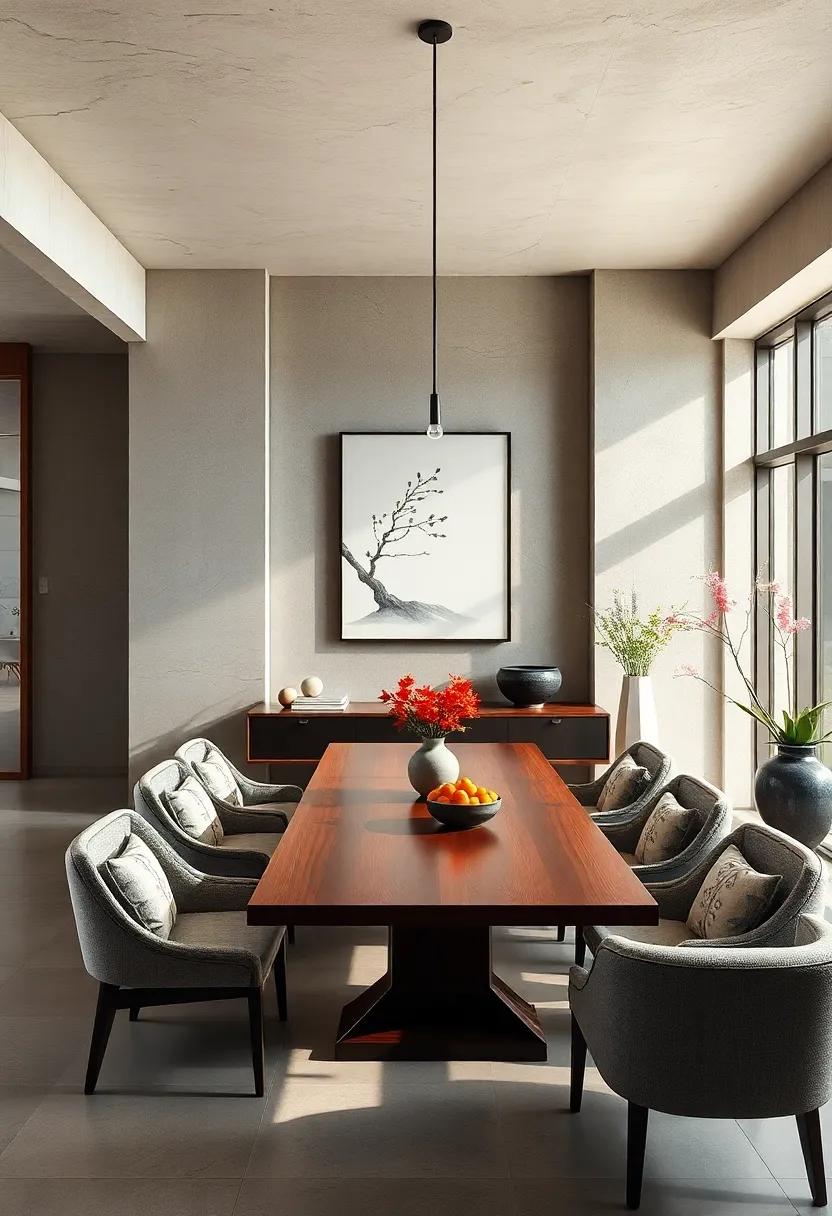
Incorporating minimalistic artwork or calligraphy in your dining room can create an atmosphere of calm, drawing upon the essence of Zen philosophy. Consider choosing pieces that feature simple, elegant lines or soft, monochromatic palettes that invite the viewer to pause and reflect.Ideas for artwork include:
- Traditional Japanese ink wash paintings: These evoke nature with subtle shades and fluid forms, bringing peace into your dining experience.
- Inspirational quotes in Kanji: Beautifully rendered calligraphy can serve as a gentle reminder to appreciate each bite and moment shared.
- Abstract line art: Minimalistic designs can create a striking focal point without overwhelming the senses.
Contentment can often be found in simplicity, making your selections purposeful and curated.When designing your display, consider the principles of balance and proportion. A thoughtful arrangement not only elevates the visual experience but encourages mindfulness. Here’s a quick guide to effective wall art placement:
| Art Type | Placement Tips |
|---|---|
| Framed Calligraphy | Center above the dining table for impact |
| Ink Wash paintings | Group in odd numbers to create harmony |
| Line Art | Mix with plants for a balanced aesthetic |
Cushioned Seating: Add cushions on the floor or low benches for comfort that encourages mindfulness during dining experiences while maintaining a Japanese aesthetic
Incorporating cushions into your dining space not only enhances comfort but also creates an inviting, mindful atmosphere that complements Japanese aesthetics. By opting for low benches or a floor dining arrangement,you can cultivate a setting that encourages relaxation and thoughtful engagement with your meals. Natural materials are key; consider cushions made of organic cotton or linen in muted, earthy tones that blend seamlessly with your surroundings. A few simple, low-profile benches can be beautifully adorned with these cushions, inviting guests to savor both their food and the moment.
Additionally, the strategic placement of cushions can influence your dining experience profoundly. Choose cushions of various sizes to create a dynamic seating area while maintaining a cohesive look. A mix of shapes and textures, such as round or square cushions, can add visual interest without overwhelming the senses.To elevate the aesthetic, consider incorporating Japanese design elements like tatami mats or decorative trays that complement the cushion seating.This thoughtful arrangement fosters an environment that encourages mindfulness, making every meal a serene experience.
Sliding Doors: Integrate sliding doors that invite fluidity between spaces and create an effortless transition between your indoor dining area and the natural outdoors
Incorporating sliding doors into your dining space not only adds an aesthetic charm but also emphasizes the beauty of seamless transitions. These versatile structures can be crafted from natural materials like wood or bamboo, mirroring the very essence of Japanese design. their ability to completely open up can transform an ordinary meal into an experience that feels connected to nature. Imagine enjoying a meal while the gentle breeze drifts through, enveloping you in tranquility as you overlook a tranquil garden or serene water feature.
To enhance this connection between indoor and outdoor spaces, consider the following elements when selecting your sliding doors:
- Framing: Slim, unobtrusive frames to maximize visibility.
- Glass Types: Use tempered or frosted glass for safety and privacy while still enjoying the views.
- color Palette: Natural wood finishes that harmonize with your dining room’s decor and outdoor surroundings.
- functionality: smooth sliding mechanisms that allow for effortless transition between spaces.
| Material | Benefits |
|---|---|
| Wood | Natural warmth, durability, aesthetic appeal. |
| Bamboo | Eco-friendly, lightweight, strong. |
| Aluminum | Slim frames, modern look, rust-resistant. |
Incense and Aromatherapy: Experiment with subtle scents wafting through the air, enhancing relaxation and reflection throughout meals with calming aromas
Imagine subtly fragrant plumes curling through the air, enveloping your dining experience in tranquility.Incorporate various incense sticks or essential oil diffusers that resonate with the calming essence of nature, transforming an ordinary meal into a serene ritual. When selecting fragrances, consider scents renowned for their relaxing properties, such as lavender, sandalwood, and frankincense. These aromas can create a peaceful environment, allowing diners to immerse themselves in the flavors of their meal while fostering connection and conversation.
To enhance the aesthetic and sensory experience, utilize decorative holders or serene ceramic dishes to contain your incense or oils, carefully placed on low tables or window sills.Consider the timing and placement to ensure the scent is just right,not overwhelming but whispering softly in the background. Here’s a glimpse into popular scents and their benefits:
| Scent | Benefits |
|---|---|
| Lavender | Promotes relaxation and sleep. |
| Sandalwood | Calms the mind and enhances concentration. |
| Frankincense | Encourages meditation and grounding. |
| Cedarwood | Provides a sense of stability and balance. |
Rustic Charm: Embrace natural finishes and rustic wood for furniture that tells a story, connecting diners to the skilled craftsmanship behind each piece
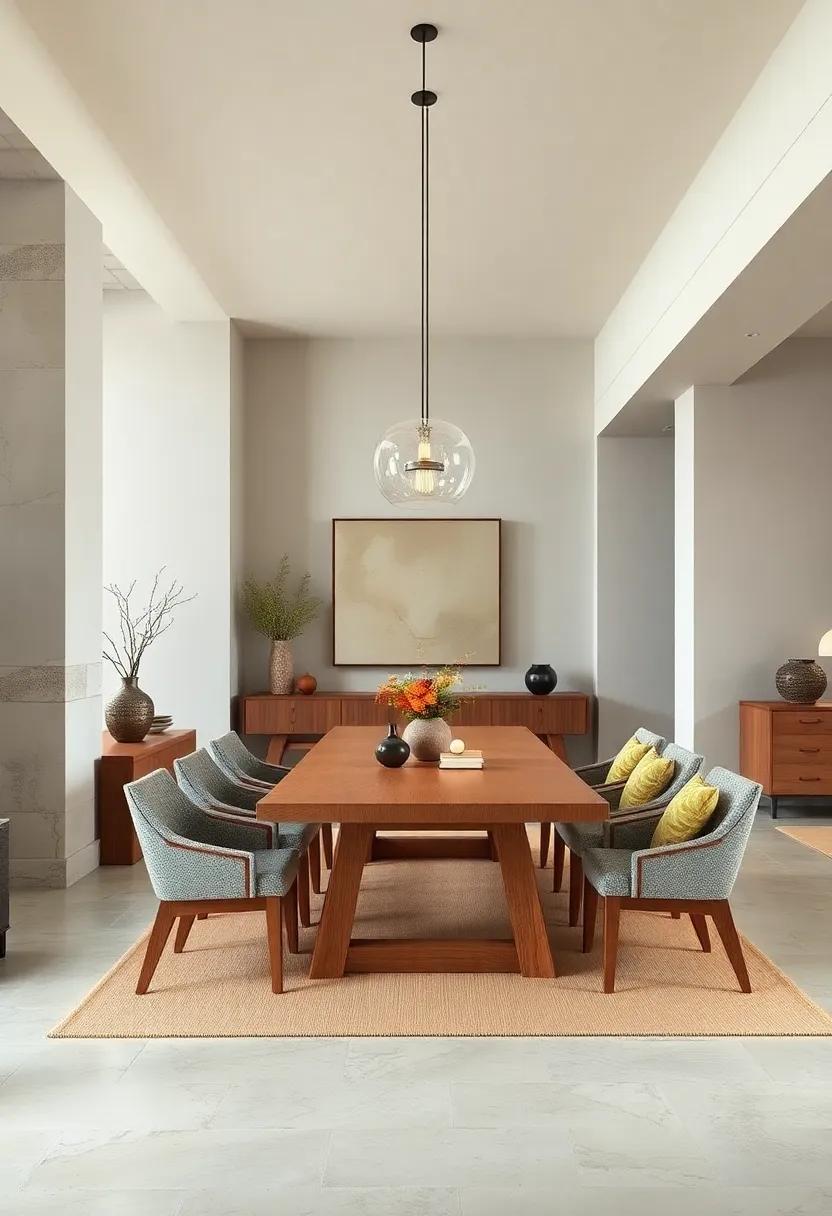
Incorporating natural finishes and rustic wood into your dining space can transform the atmosphere into one of warmth and authenticity. consider pieces crafted from reclaimed wood, showcasing unique knots, grains, and imperfections that underscore their age and story. Each element, from the dining table to the chairs, not only serves a practical purpose but also acts as a conversation starter, inviting diners to appreciate the meticulous craftsmanship behind each item. Barn doors, live-edge tables, and hewn benches can harmonize beautifully with the serene aesthetic of a japanese Zen-inspired dining room, creating a sense of tranquility and grounding.
To maximize the rustic charm, choose décor that complements the organic feel of wooden finishes. Incorporate accessories made from natural fibers, such as linen tablecloths or cotton napkins dyed in soft, earthy tones. Even the lighting can enhance the overall ambiance; opt for fixtures that resemble lanterns or utilize soft, warm bulbs to create an inviting glow.this blend of rustic furniture and mindful décor encourages diners to not only savor their meals but also to relish in the craftsmanship and natural beauty that surrounds them. Here are a few key elements to consider:
- Reclaimed Wood Tables: Each piece tells a unique story.
- Natural Fiber Textiles: Soft, organic materials for a cozy touch.
- Handcrafted Accessories: celebrate artisanal skills with unique décor.
- Warm Lighting: Enhance ambiance with soft, inviting fixtures.
open Shelving: Showcase beautiful, functional items like ceramic dishes or handcrafted cutlery on open shelves for an organized yet artful display
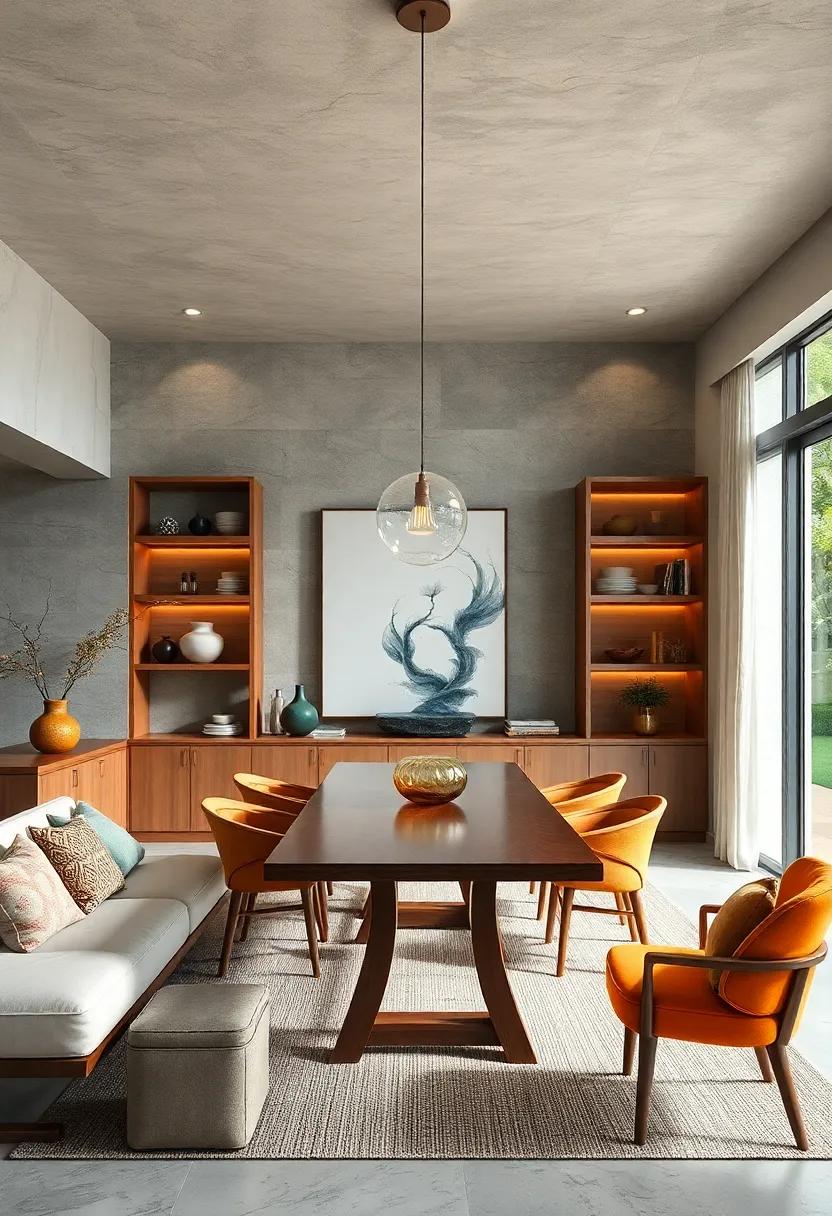
Embrace the essence of minimalism with open shelving that transforms your dining space into a gallery of artistry and function. Displaying items such as ceramic dishes, handcrafted cutlery, and other functional decor allows you to blend practicality with aesthetics seamlessly. Consider grouping items based on color, texture, or style to create an engaging visual narrative. For added flair,incorporate natural elements like delicate plants or fresh herbs,which not only enhance the look but also breathe life into the ambiance.
When arranging your curated collection, experiment with different heights and orientations to create depth and interest.Utilize decorative baskets or unique boxes to neatly store smaller items, maintaining an organized appearance while still showcasing your favorites. Here are some tips to elevate your open shelving:
- Layer textures: Combine matte, glossy, and woven elements for a rich tactile experience.
- Mix materials: Incorporate wood, metal, and ceramics for a harmonious yet varied display.
- Use ambient lighting: Illuminate shelves with subtle lighting to enhance the beauty of your displayed treasures.
Elevated Plants: Use vertical designs to showcase plants, drawing the eye upward and creating a sense of openness in the dining area
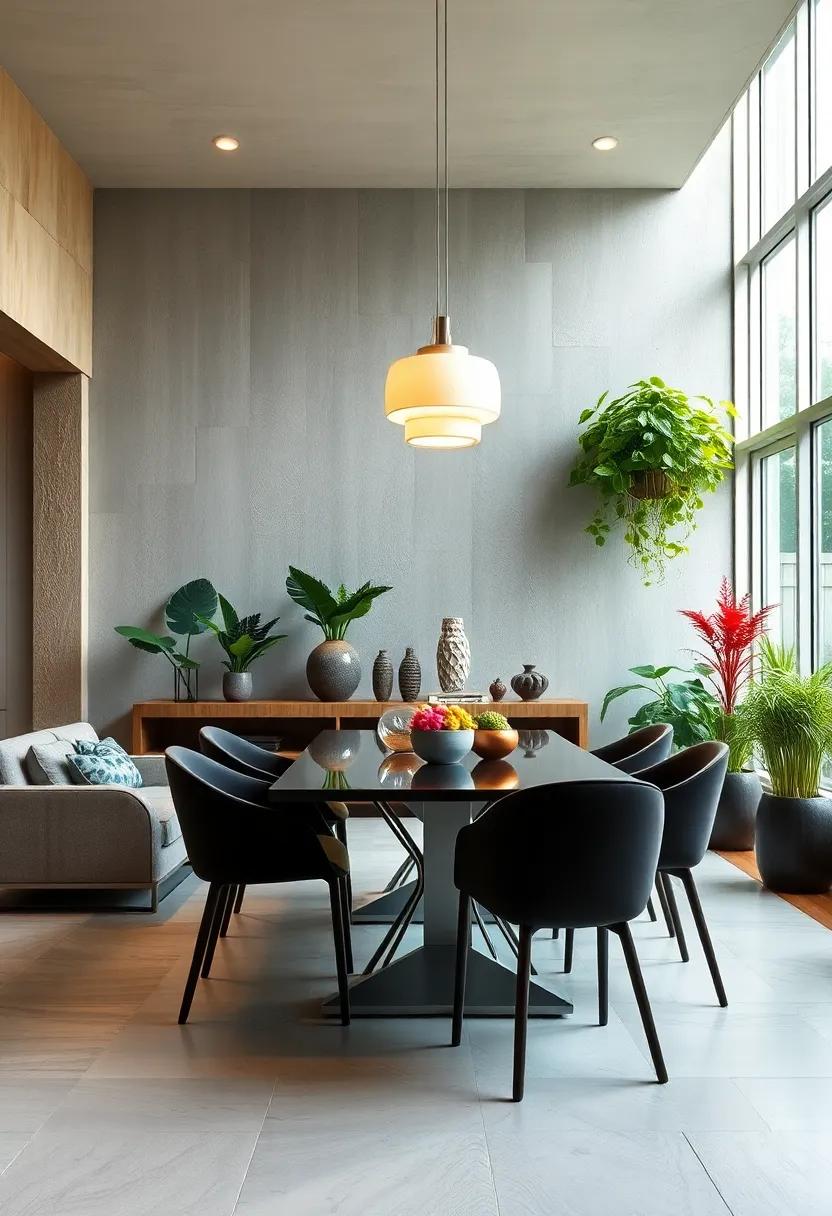
Incorporating vertical designs into your dining space can not only display your plants beautifully but also enhance the overall feel of openness and tranquility. Hanging planters can be suspended from the ceiling, creating an inviting overhead canopy of greenery that draws the eye upward. This natural elevation fosters a sense of connection with nature, bringing in the calming aesthetics of a traditional Japanese garden. Consider utilizing tall shelves or slender plant stands that reach skyward, offering a cascade of flora while minimizing floor space. Such arrangements can make the room feel more expansive and airy, perfect for enjoying meals in a serene atmosphere.
Additionally, integrating elements like a vertical garden or a living wall can transform an ordinary corner into a stunning focal point that creates a soothing backdrop for your dining area. Use a combination of drought-resistant succulents, ferns, and climbing vines to add texture and depth.This innovative design not only celebrates the inherent beauty of greenery but also encourages mindfulness during mealtime by providing a refreshing space to retreat and recharge. With thoughtful placement and diverse plant selections, your dining space can become a tranquil oasis that nurtures both the mind and the spirit.
Personal Mementos: Include a few cherished items or heirlooms that bring joy and nostalgia to your space, reminding you of mindful moments shared
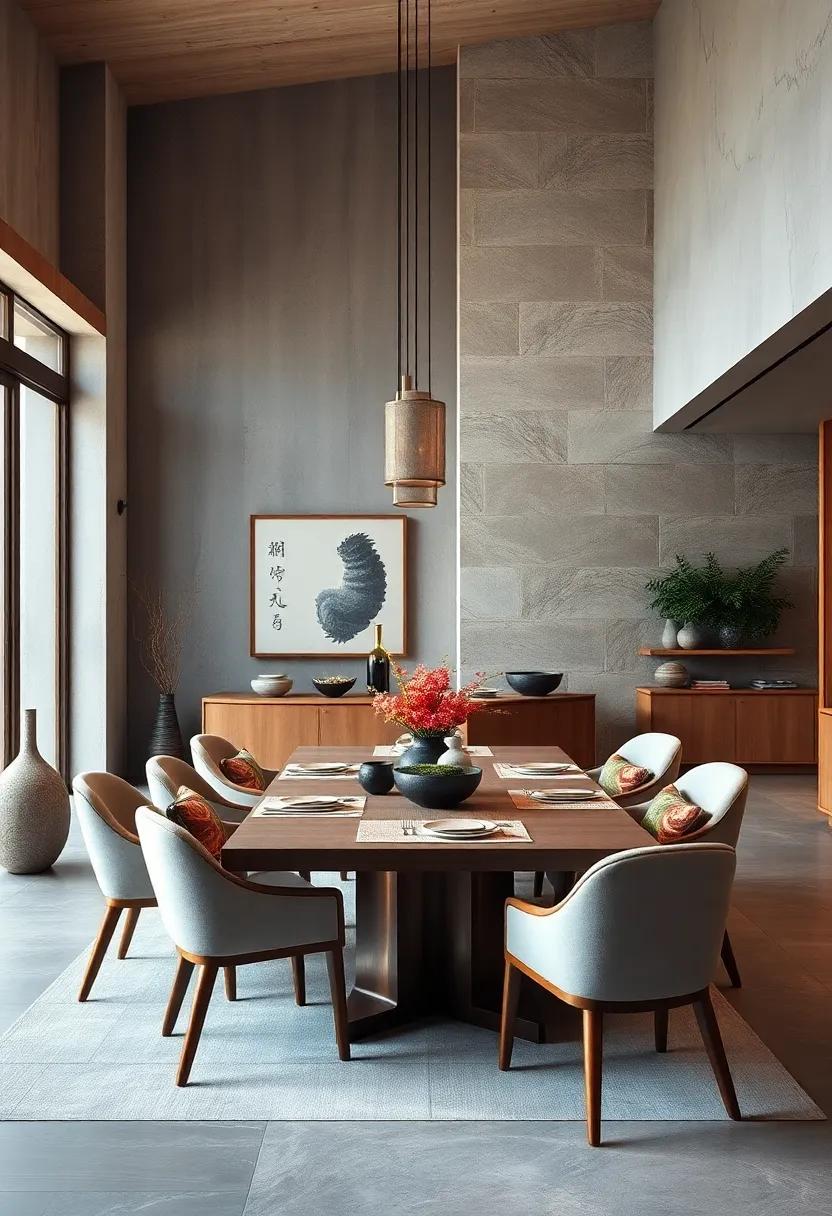
Incorporating personal mementos into your dining room can create a warm atmosphere, infusing the space with meaningful stories and cherished memories. Consider adding items like:
- Family Heirlooms: A beautifully crafted china set passed down through generations invites shared meals and cherished moments.
- Handmade Decorations: Unique pottery or artwork created by loved ones, serving as reminders of joyful gatherings and heartfelt conversations.
- Travel Souvenirs: Bowls or textiles from your travels that spark memories of adventures, turning your dining experience into a journey through time.
to complement these personal treasures, you can create a dedicated display area that enhances their significance. A simple yet elegant arrangement might feature:
| Item | Meaning |
| Old Family Photo | Nurtures a sense of connection and history. |
| Favourite Recipe Book | Encourages culinary creativity and shared family traditions. |
| Hand-carved Wooden Centerpiece | Adds a touch of craftsmanship and a story behind its creation. |
Sound Absorption: Introduce fabric elements, like curtains and cushions, that absorb sound for a quieter, more serene dining environment
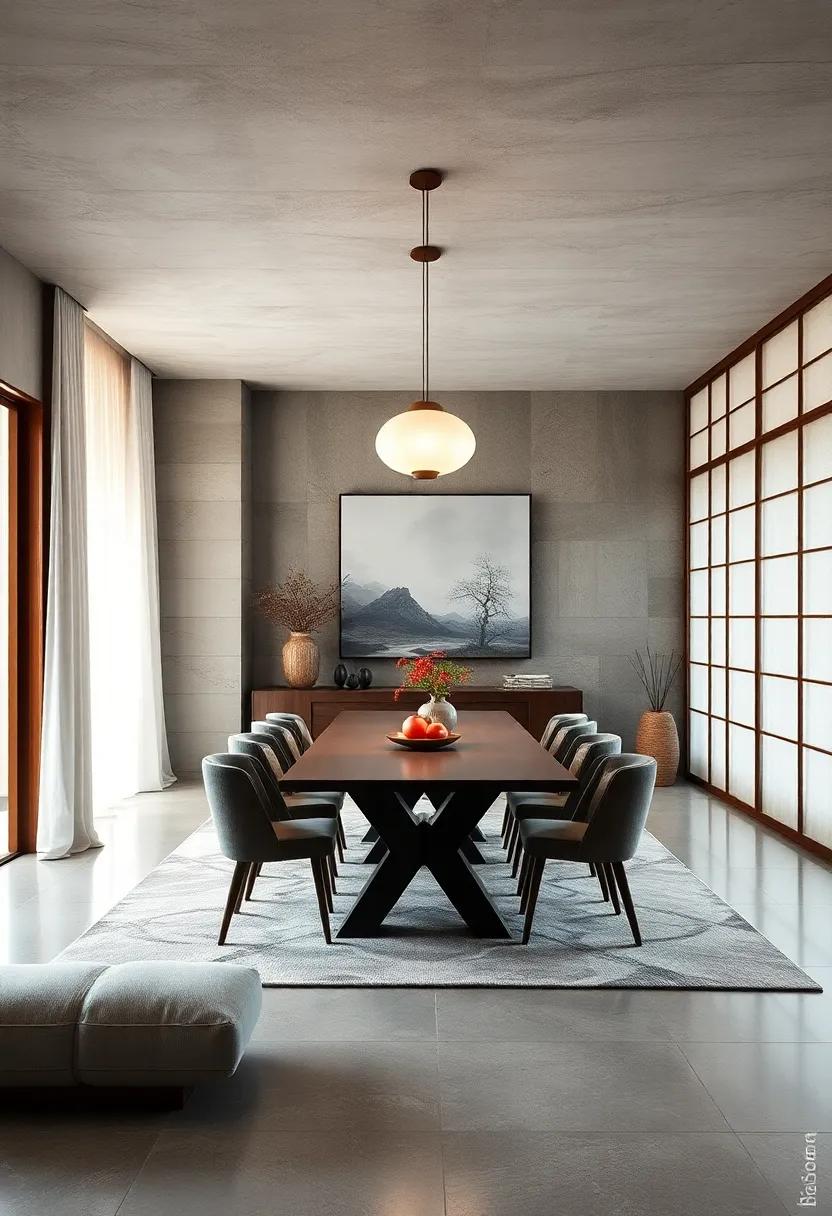
To create a peaceful dining experience reminiscent of traditional Japanese aesthetics, incorporating fabric elements into your space is essential. Curtains made from natural fibers such as cotton or linen serve not only to enhance privacy but also to absorb unwanted noise. Opt for soft, muted colors that blend harmoniously with your surroundings, creating a calming atmosphere. Similarly, the addition of cushions on seating can significantly reduce sound echoes while providing comfort. Consider using cushions with textured fabrics, such as hemp or wool, which bring both visual warmth and acoustic benefits to the dining environment.
The strategic placement of these textile elements can transform the acoustics of your dining area, fostering a tranquil ambiance where conversation flows effortlessly. In addition, don’t overlook the potential of table runners and placemats made from absorbent materials to add to the harmony of the space. Together, these features enhance not just the aesthetic appeal, but also the sensory experience, making your dining room a true oasis of quietude. To illustrate the sound-absorbing strengths of various fabric options, take a look at the table below:
| Fabric Type | sound Absorption Rating | Aesthetic Appeal |
|---|---|---|
| Cotton | Moderate | Neutral tones, soft texture |
| Linen | High | Elegant and airy appearance |
| Wool | Very High | warm, inviting feel |
| Hemp | Moderate | Natural and rustic look |
Technology-Free Zones: Create a sacred space where digital devices are set aside, encouraging meaningful conversations and mindful eating
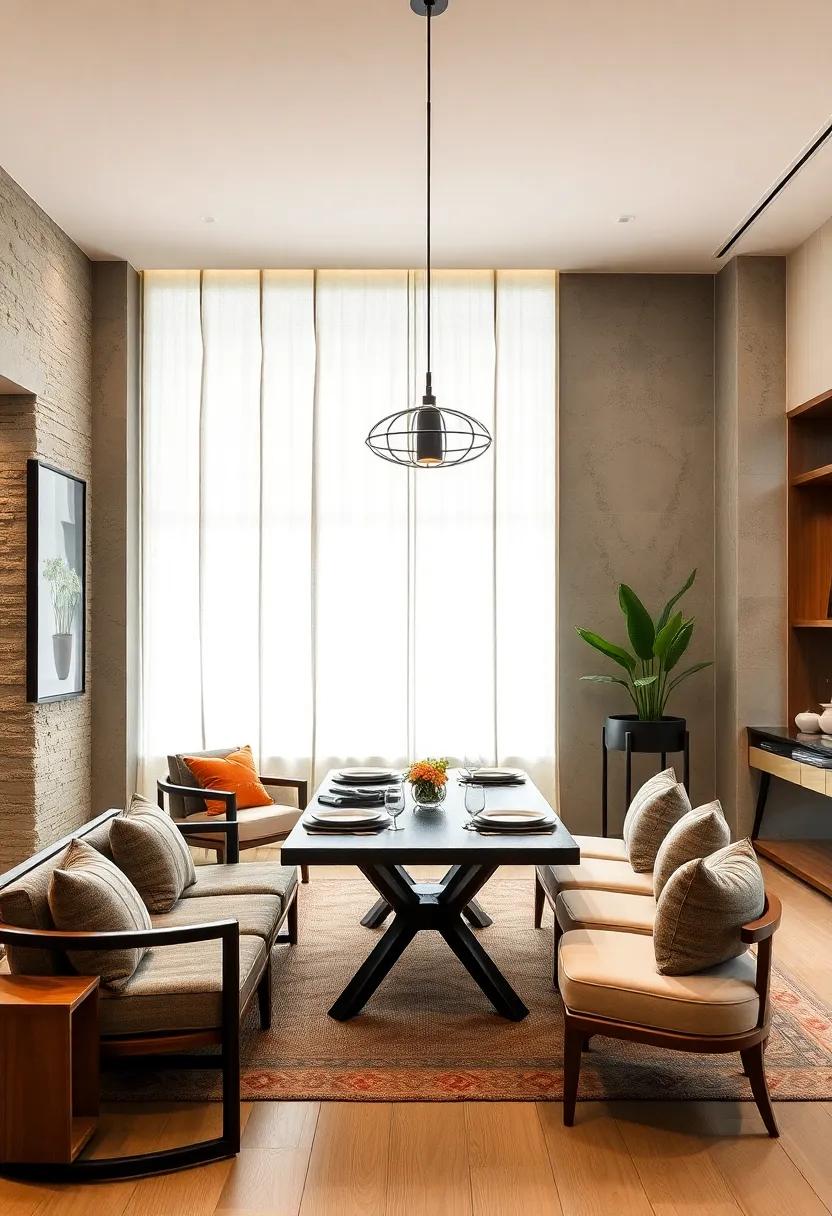
Establishing an atmosphere free from the interruptions of technology can transform mealtimes into nourishing experiences that foster connection. To create this serene environment, consider incorporating wooden elements that resonate with natural aesthetics. A simple wooden table, surrounded by cushions or low seating, encourages guests to engage in heartfelt conversations while enjoying their meal. Use soft lighting, such as paper lanterns or strategically placed candles, to enhance the ambiance and draw attention away from the distractions of screens. This setup not only pairs beautifully with Japanese design but also invites a sense of calm, prompting diners to appreciate the flavors and textures of their food consciously.
Enhance this sanctuary by introducing a few thoughtful design elements. Utilize minimalistic centerpieces, like a small ceramic vase filled with seasonal flowers or bamboo, to subtly remind diners to savor their surroundings. Create designated spaces for conversation by arranging seating in a circular format, promoting eye contact and interaction. Additionally, consider a ritualistic table setting featuring simple dishware in earth tones, which mirrors the understated elegance of Zen philosophy. All these touches contribute to an intentional dining experience, where the focus shifts from meals as mere sustenance to cherished moments spent in the company of loved ones.
Seasonal Accents: Rotate decor and table settings according to the seasons to stay connected with nature’s rhythm and foster mindfulness in each meal
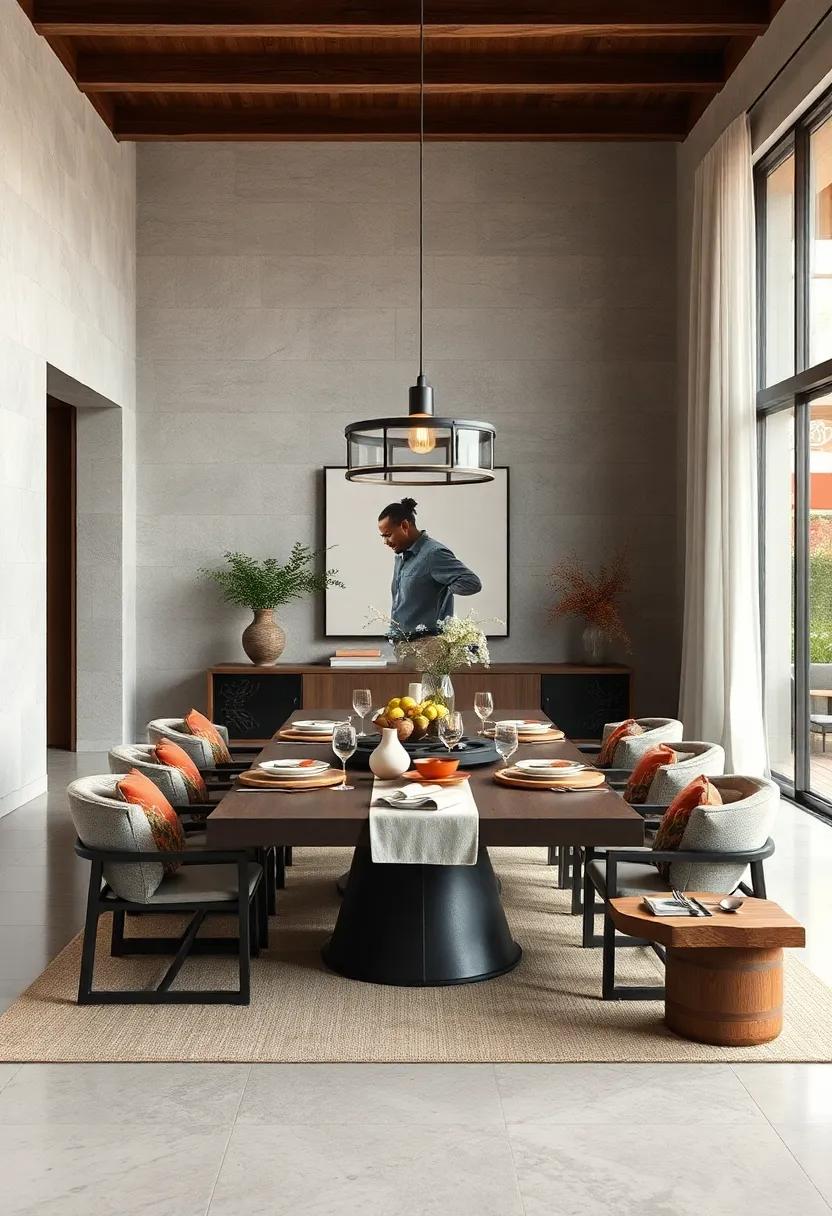
Enhancing your dining experience can start with the thoughtful rotation of decor and table settings that resonate with the changing seasons. For spring, consider incorporating delicate cherry blossom centerpieces and light pastel table linens that evoke renewal and growth. In summer, highlight vibrant, seasonal fruits like peaches and strawberries on a natural wood board, paired with airy, bamboo utensils. As autumn approaches, rich, earthy tones with pumpkin accents and warm candlelight can create a cozy, inviting atmosphere. winter invites a more minimalistic approach with evergreen sprigs and white porcelain pieces that reflect the serene stillness of the season.
A seasonally rotating table can also include simple elements like handmade ceramic dishware tailored to each time of year. Create a table setting that resonates with the season by integrating natural textures and colors. This rhythmic practice not only heightens your connection to nature but also promotes mindfulness in your meals. Consider establishing a seasonal menu that incorporates local ingredients, further fostering an awareness of the earth’s cycles.A simple table can transform into a quiet sanctuary that encourages relaxation and thoughtfulness with every meal shared with loved ones.
Room View: position the dining area to face beautiful natural views, allowing diners to soak in the serene surroundings while enjoying their meals
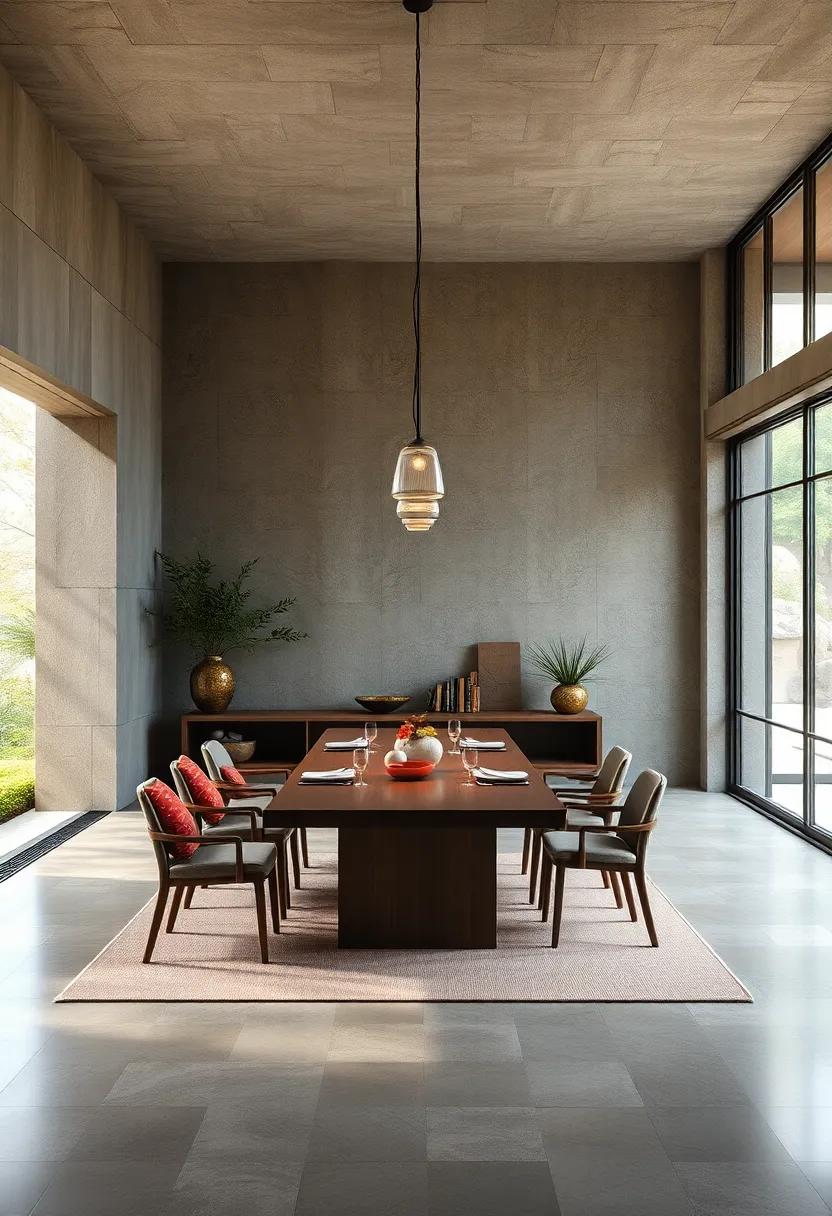
One of the most impactful choices in designing a dining room is the orientation of the dining area toward captivating natural landscapes. Positioning the table to face majestic views not only enhances the aesthetic appeal of mealtime but also deepens the connection between your dining experience and the serene beauty of nature. Imagine savouring delicious meals while gazing out at a tranquil pond surrounded by lush greenery or the vibrant hues of a sunset painting the sky.When selecting a design, consider elements that frame these views such as large windows, sliding glass doors, or strategically placed mirrors that reflect the outdoor beauty.
To create a harmonious blend of indoor and outdoor spaces, incorporate materials and colors that resonate with the natural environment. Utilize light woods to evoke a sense of peace or soft earth tones that complement the greenery outside. Some essential considerations include:
- Window Placement: Opt for floor-to-ceiling windows to maximize the vista.
- Seating Arrangement: Choose a layout that allows all diners to enjoy the view without obstruction.
- Decorative accents: Use simple,organic decor to keep the focus on nature’s beauty.
- Lighting Solutions: Natural light can enhance meal experiences; consider translucent window treatments.
Customizable Spaces: Allow flexibility in your dining arrangement that can be adapted for different occasions, making every meal a unique experience
Embracing the art of flexible dining arrangements allows you to transform your space, catering to both intimate family dinners and grand celebrations without any fuss. Consider incorporating furniture on wheels or foldable options that can neatly tuck away when not in use. A low table can be matched with floor cushions for casual meals, while a more formal setup featuring a raised dining table surrounded by elegant chairs can be achieved with a simple rearrangement. Having a modular seating plan not only enhances adaptability but encourages creativity, offering a fresh vibe for every gathering.
To ensure that your dining area flows seamlessly into the tranquil ambiance of your home, explore the use of shoji screens or sliding doors that can open up your space or create privacy as needed.This way, the dining area can be expanded into the living room for larger gatherings or kept cozy for quieter moments.
| Arrangement Type | Ideal For | Key Features |
|---|---|---|
| Casual Setup | Family Meals | Modular seating, cushions |
| Formal Gathering | Celebrations | Elegant table, chairs |
| Outdoor Dining | Alfresco Meals | Natural materials, lightweight furniture |
This versatility not only enhances your home’s functionality but also elevates the experience of dining, aligning perfectly with the serene principles of Japanese-inspired design.
Family Involvement: Encourage everyone to partake in meal preparation; this shared effort enhances the mindful experience of dining together
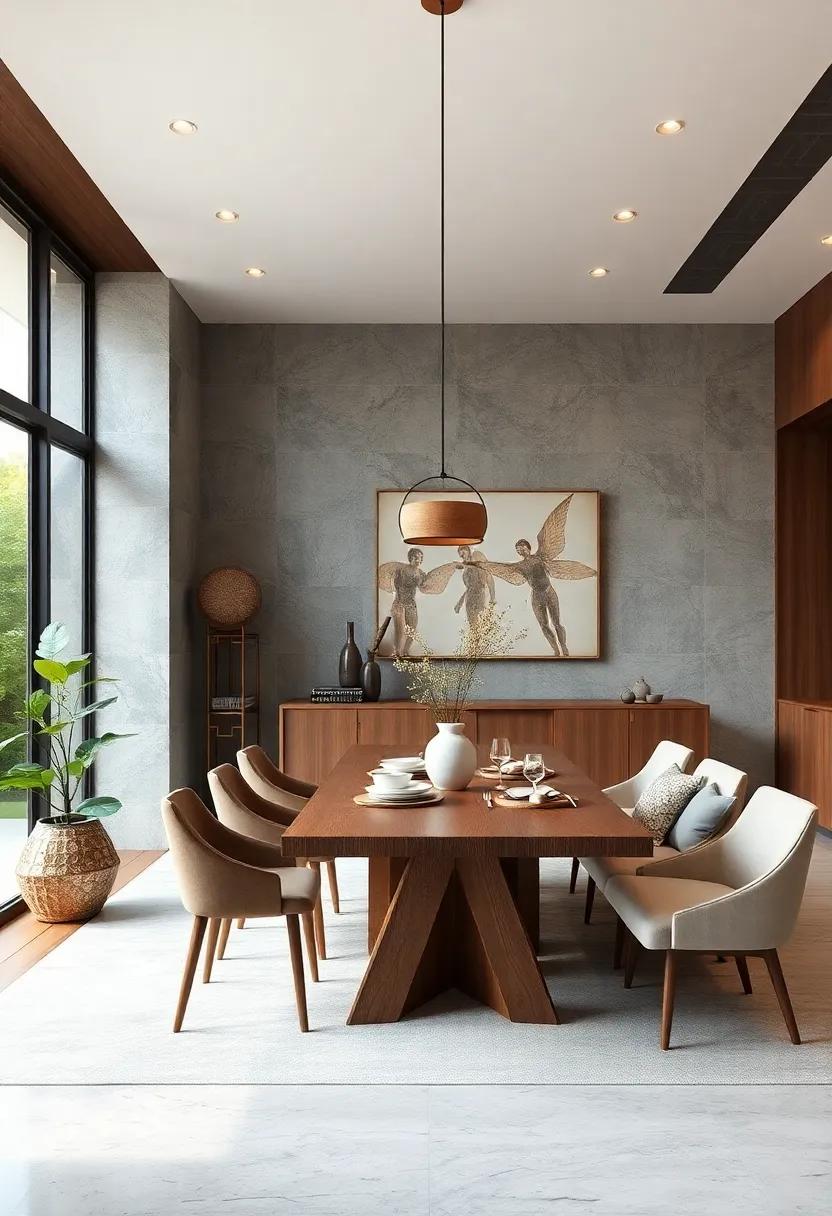
Embracing a collaborative approach during meal preparation not only brings families closer but also adds a delicious layer of mindfulness to the dining experience. By involving each family member in kitchen duties, from chopping vegetables to setting the table, you foster a spirit of teamwork and connection. Here are some engaging ways to incorporate family involvement:
- Assign Roles: Designate specific tasks to each member, such as meal planning, ingredient shopping, or cooking. This allows everyone to take ownership and pride in the meal.
- Exploring New Recipes: Make it an adventure by trying out new recipes or cuisines together. This not only enhances culinary skills but also opens the door to shared experiences and memories.
- Cleaning Up Together: Incorporate cleaning into the process to reinforce the idea that enjoying a meal is a collective effort, from preparation to tidying up post-dining.
The act of cooking together cultivates an atmosphere of patience and presence, allowing for conversations that deepen connections. Engaging children in this process not only teaches them valuable life skills but also instills a sense of appreciation for the food they consume. Consider implementing themed family nights where every member contributes a dish to a collective table, such as:
| Theme | Member Contributions |
|---|---|
| Italian Night | Pasta by Mom, Salad by Kids, Dessert by Dad |
| Asian Fusion | Sushi by Kids, Stir-fry by Grandma, Dumplings by Aunt |
| Mexican Fiesta | Tacos by Dad, Guacamole by Mom, Churros by Teens |
Through such shared efforts, dinner transforms from a mere obligation to a cherished ritual, where every bite is steeped in family love and mindfulness.
Quiet Nooks: Design a cozy corner within your dining room for solitary contemplation or reading, making it a multi-purpose serene space
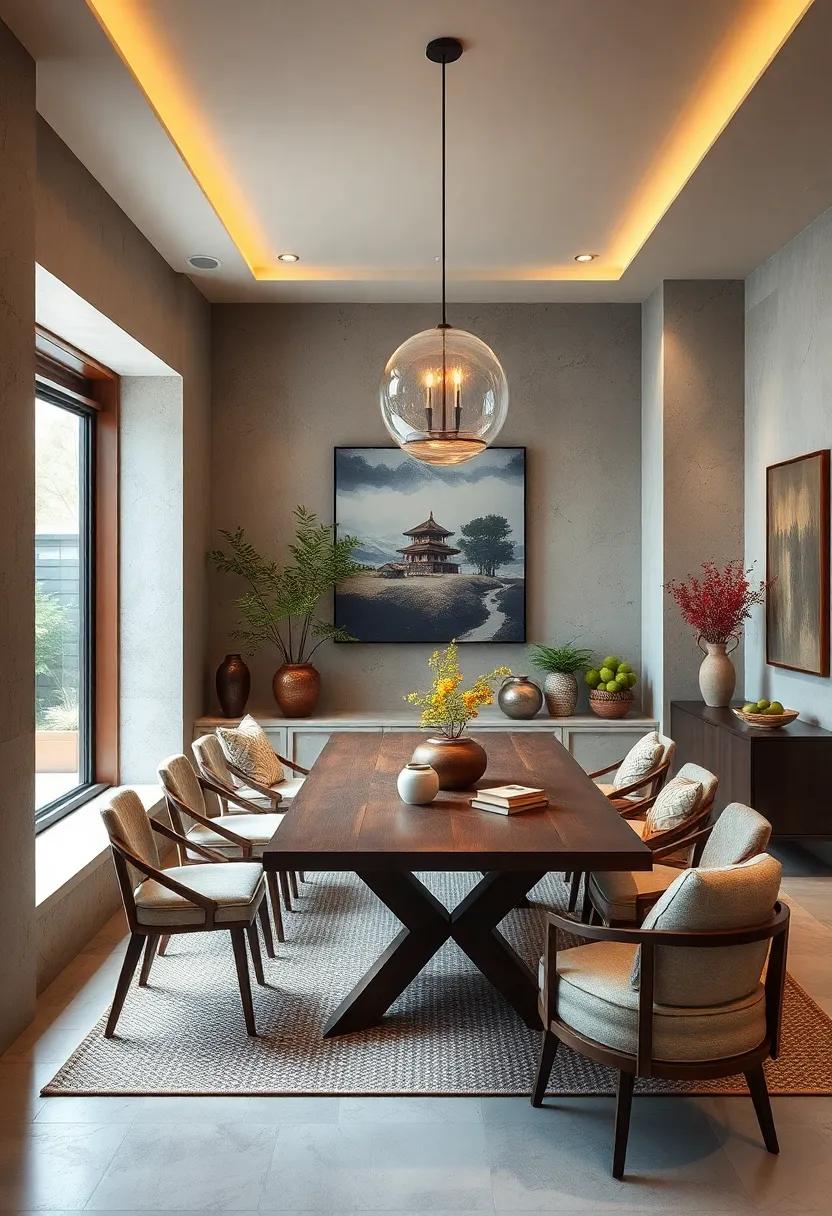
creating a peaceful retreat in your dining room can elevate your space from merely functional to a haven of mindfulness. Start by choosing a corner that receives soft,natural light during the day. A small bamboo shelf can hold an array of books, plants, or personal mementos that bring you joy. Layer the seating with cushions in muted tones—think soft grays or natural beiges—to create an inviting atmosphere. A low table—perhaps a small round one—could serve both as a spot for tea or snacks and as a convenient surface for jotting down thoughts or notes while enjoying a quiet read.
Incorporate elements that foster tranquility; consider a tatami mat underfoot to evoke a traditional Japanese feel, enhancing comfort. Hang a minimalist art piece or a serene landscape painting on the wall, ideally one that inspires reflection. Adding a small water feature, even a tabletop koi pond or a simple vase of fresh flowers, can introduce gentle, calming sounds and sights. remember to keep the area clutter-free—to cultivate an atmosphere of serenity, less is often more. Your cozy nook should be a place where you can escape from the buzz of everyday life and embrace moments of solitude.
Analog Activities: Include board games or books that promote connection and mindfulness, fostering a peaceful dining atmosphere
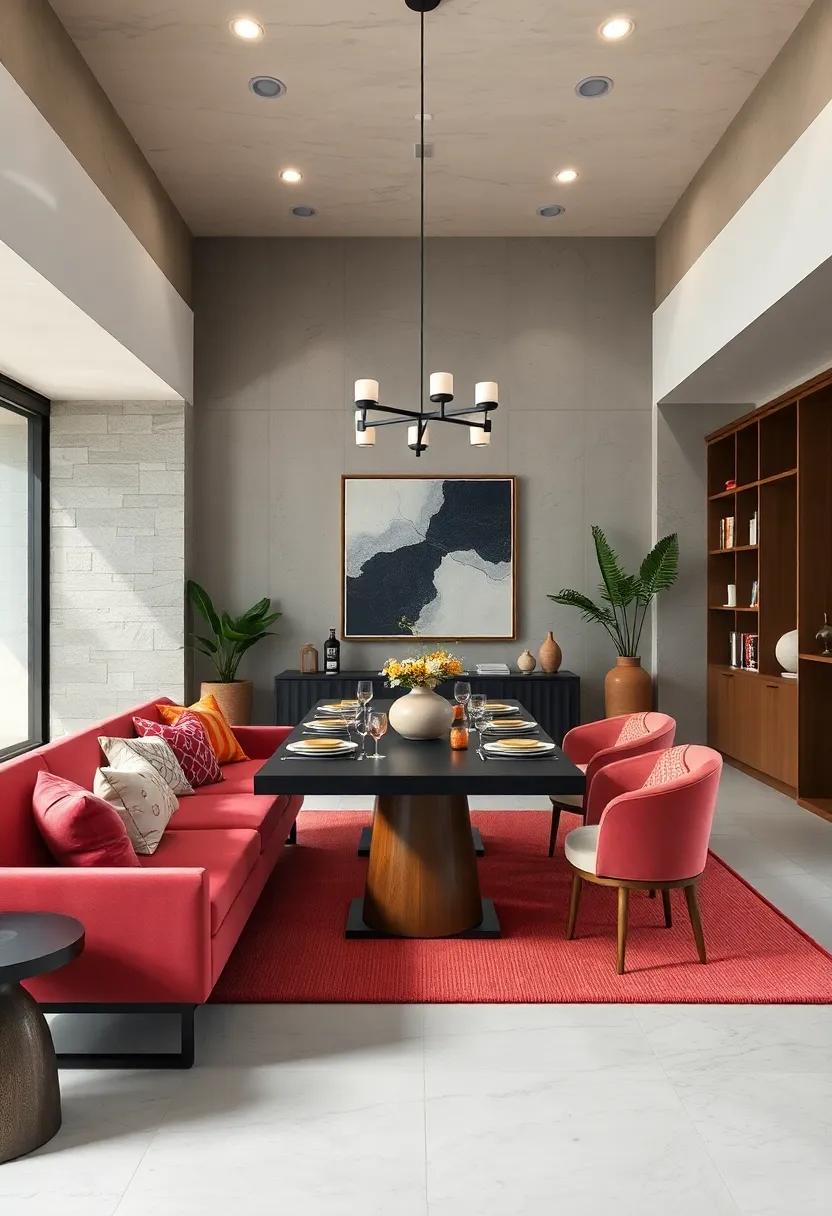
To enhance the tranquil atmosphere of your dining experience, consider incorporating analog activities that fosters connection and mindfulness among family and friends. Board games can break the ice and spark warmth in conversations, while inviting everyone to engage in a shared experience. Opt for games that emphasize collaboration over competition, such as:
- Codenames – A word association game that promotes teamwork and creative thinking.
- Hive – A strategic tile-based game that encourages critical thinking without the stress of a timer.
- Wingspan – A beautifully illustrated game about bird conservation, perfect for those who appreciate nature.
In addition to games, having a selection of mindful books available can create a serene environment that encourages quiet reflection and conversation. Choose titles that resonate with the ethos of Zen philosophy, such as:
- The Art of simple Living – A guide to finding joy in simplicity and presence.
- Embrace Your Inner critic – A book that focuses on self-compassion and understanding.
- Wherever You Go, There You Are – A classic text on mindfulness and being present in the moment.
Emphasis on Ritual: Cultivate daily mealtime rituals that designate dining as sacred time,enhancing the act of eating as a mindful event
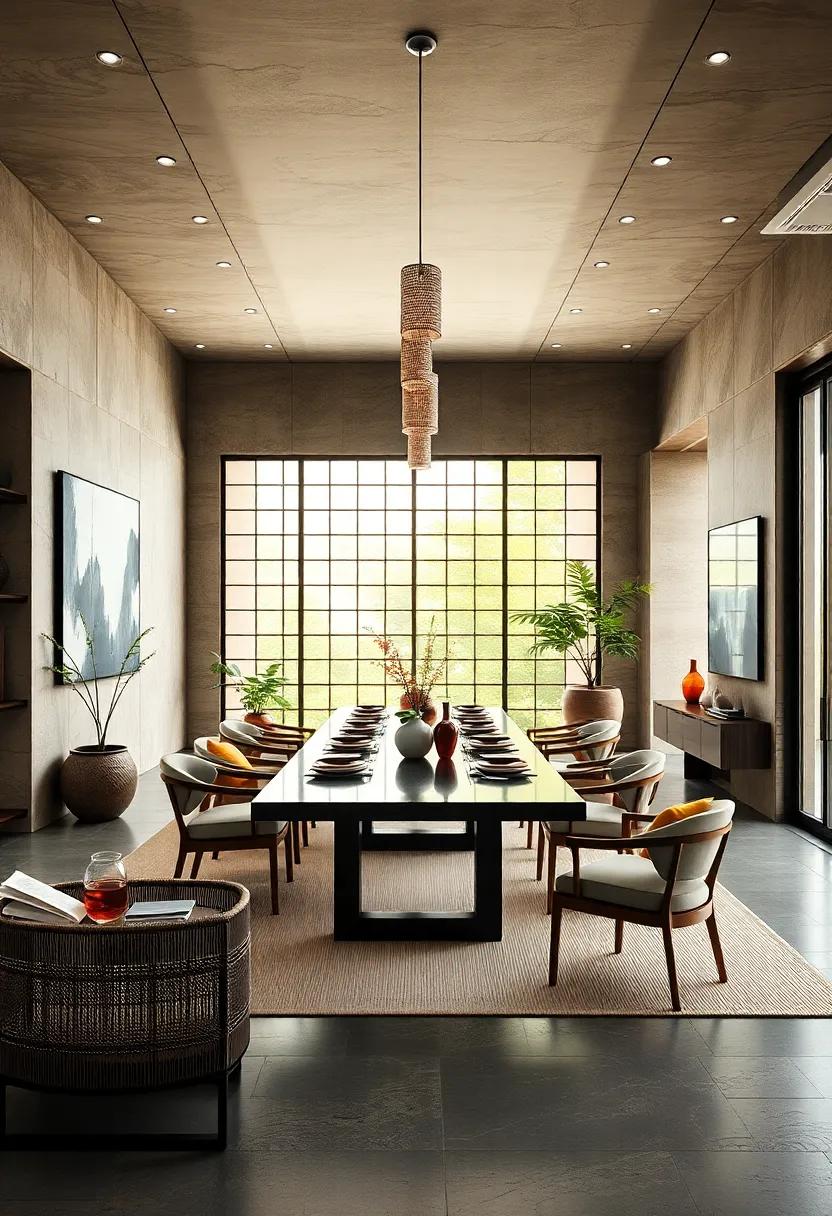
Creating a serene atmosphere around mealtime can transform dining into a revitalizing ritual that nourishes not just the body, but also the mind and spirit. in Japanese culture, mealtime is often viewed as a sacred event, one worth honoring with intention and grace. By cultivating a dedicated space for dining, you can invite a sense of tranquility and mindfulness into everyday life. Consider incorporating elements such as:
- Natural Materials: Use wooden tables, bamboo utensils, and ceramic dishware to foster a connection with nature.
- Minimalistic Decor: Keep the table setting simple yet elegant, using few yet meaningful items like a single flower or a stone centerpiece.
- Candlelight: Soft, flickering candlelight can invoke a calming atmosphere, signaling a break from the day’s distractions.
- Seasonal Touches: Rotate decorations according to the seasons to keep the space fresh and to appreciate nature’s cycles.
Incorporating a series of mindful practices during meals can elevate the experience from mere nutrition to an engaging ritual of gratitude and presence.Here are some practices you might adopt:
- Silence Before Eating: Take a moment of silence before each meal, allowing yourself to appreciate the food and everyone involved in its preparation.
- Breathing Exercises: Prior to sitting down, engage in deep breathing to clear your mind and center your thoughts.
- Mindful Eating Practices: Focus on the flavors, textures, and aromas of each bite, savoring the full experience rather than rushing through the meal.
- Gratitude Ritual: Express gratitude—either silently or aloud—for the food, the people, and the environment surrounding your meal.
Personal Reflections: Offer a space for journaling or gratitude notes, encouraging diners to reflect on their experiences and promote mindfulness beyond the meal
As you step into your tranquil Japanese zen-inspired dining space, consider designating a personal reflection nook to enhance the mindfulness experience. By incorporating a small, elegantly designed journal corner, complete with soft lighting and natural elements, you offer diners a chance to pause and engage with their thoughts.This dedicated space can feature simple supplies such as high-quality notebooks, minimalistic pens, and perhaps a small bowl for gratitude notes. Encourage guests to jot down their reflections on the meal, the ambiance, or moments of gratitude that arise during their visit. Allowing the aroma of incense or the sound of gentle water running to accompany the writng further fosters a serene atmosphere for contemplation.
In this retreat for the mind,consider integrating mindful prompts to inspire diners as they write. Utilize natural materials like bamboo or stone for inspirational plaques displaying questions such as:
- What flavors did you savor today?
- What moment brought you peace during your meal?
- How did the setting influence your overall experience?
Additionally, a small gratitude jar can be placed nearby for diners to share their thoughts, making it a collective experience. guests may find joy in reading others’ gratitude notes, creating a warm sense of community. Such practices not only deepen the dining experience but also promote ongoing mindfulness long after the meal is over.
Closing Remarks
As we conclude our exploration of these 29 tranquil Japanese Zen-inspired dining room designs, we hope you’ve found inspiration to create your own serene oasis. Each space reflects the beauty of simplicity, encouraging mindful living through thoughtful design and natural elements. Remember, a dining room is more than just a place to share meals; it’s a sanctuary where you can cultivate peace, connection, and presence in your daily life.
Whether you choose to embrace the minimalism of shoji screens, the warmth of natural wood, or the calming presence of greenery, let these ideas guide you towards a harmonious environment that nurtures the soul. Embrace the elegance of Zen philosophy as you transform your dining space into a haven of tranquility.Now, take a deep breath, envision your ideal setup, and let your journey to mindful living begin.